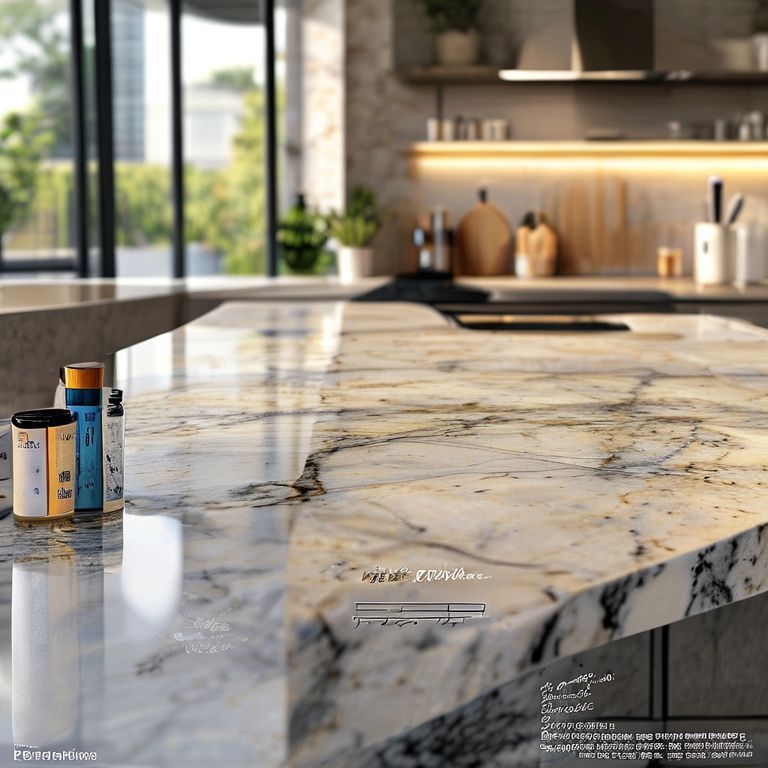
The Intricacies and Science of Marble Polishing
The journey to achieving a stunning marble crystal finish is a harmonious blend of art and science. Marble, a metamorphic rock known for its stunning beauty and durability, is a popular choice for countertops, flooring, and architectural elements. However, marble’s susceptibility to stains, scratches, and wear can be a concern. This is where the meticulous process of marble polishing comes into play, transforming a dull, weathered surface into a brilliant, mirror-like finish.

Understanding Marble
To appreciate the art of marble polishing, it is essential to understand the unique characteristics of marble. Unlike other stones, marble is composed of calcite, which is a form of calcium carbonate. This composition gives marble its creamy colors and attractive veining. However, the same properties that make marble beautiful also make it prone to staining and etching.
Marble’s porous nature means that liquids can penetrate its surface, leading to potential staining. Therefore, protecting and maintaining marble surfaces is crucial to preserving their beauty and longevity.
The Science Behind Polishing
The process of marble polishing involves several steps that combine mechanical and chemical techniques to achieve a crystal finish. The goal is to remove surface imperfections, including scratches, etchings, and stains, while revealing the stone’s natural luster.
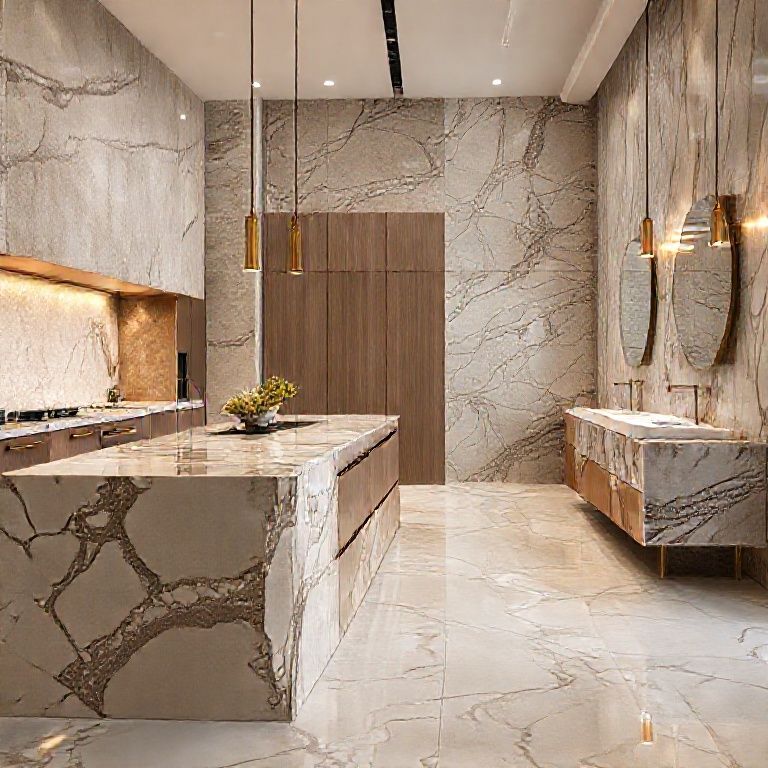
Surface Preparation: Before polishing, the marble surface must be cleaned thoroughly to remove any dust, dirt, or grime. This step is crucial as any contaminants can interfere with the polishing process and affect the final result.
Grinding: The initial phase of polishing involves grinding the marble surface with a series of progressively finer abrasives. This step removes deeper scratches and prepares the surface for the final polishing. The grinding process can be done manually or with specialized machinery, depending on the scale of the project.
Polishing: After grinding, the marble is polished using a combination of abrasive compounds and polishing pads. The polishing compounds contain fine particles that smooth out the surface while the pads help distribute the compounds evenly. The process requires patience and precision, as the goal is to achieve a high-gloss finish without damaging the marble.
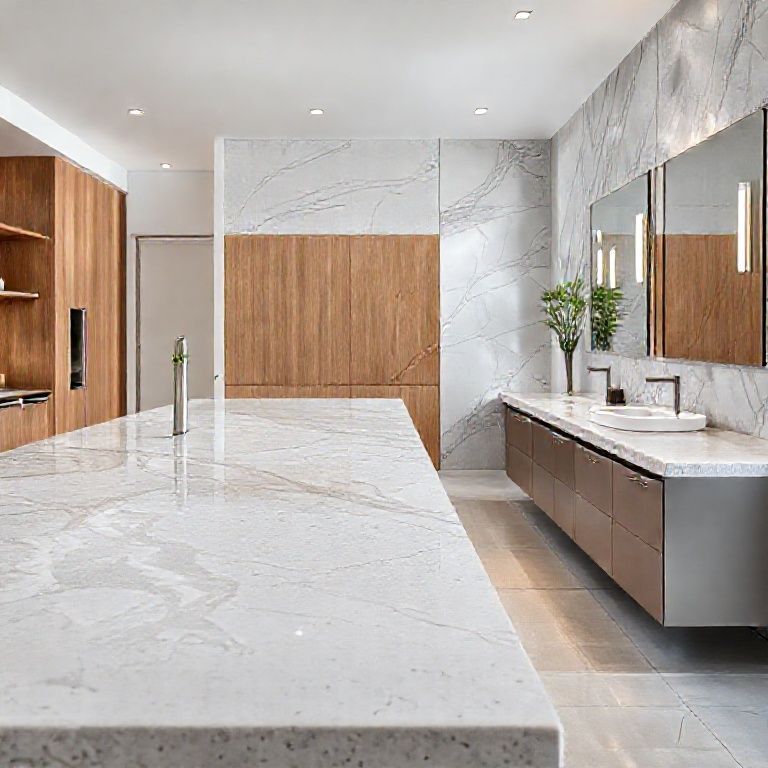
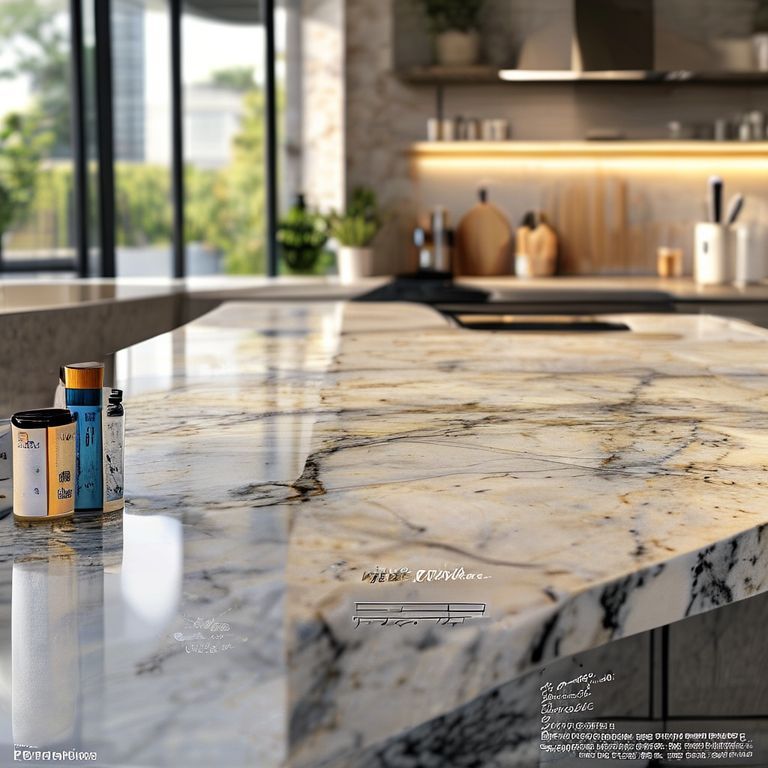
Crystal Finish: The final step involves applying a high-quality polishing compound to create the coveted crystal finish. This step transforms the marble into a mirror-like surface, showcasing its natural beauty and making it resistant to future stains and scratches.
Benefits of Marble Polishing
Polishing marble to a crystal finish offers numerous benefits:
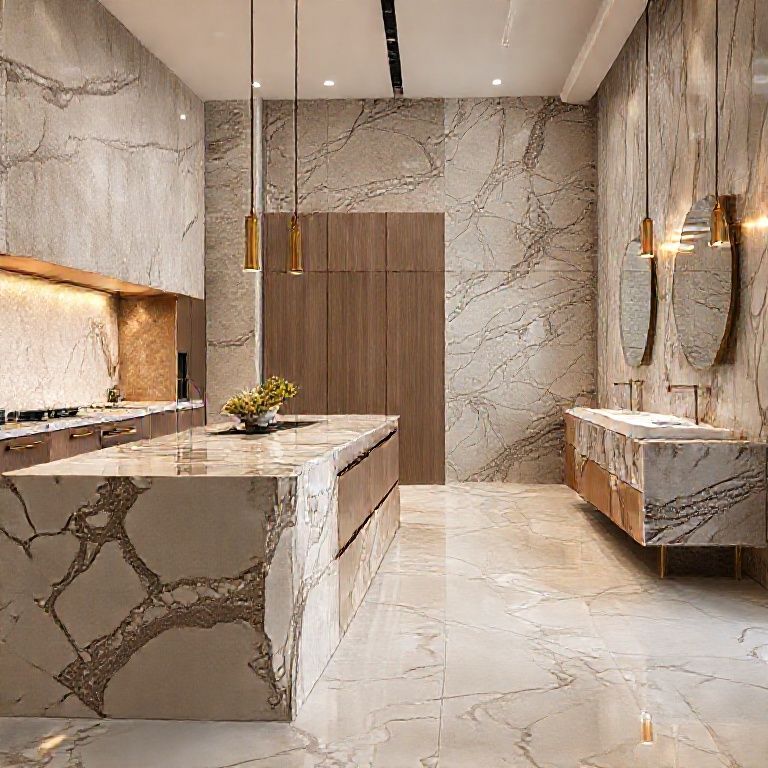
Enhanced Aesthetic Appeal: A polished marble surface shines with a high-gloss finish that highlights the stone’s natural beauty and intricate patterns. The result is a stunning, luxurious appearance that enhances any space.
Increased Durability: Polishing not only improves the appearance of marble but also increases its durability. A polished surface is more resistant to stains, scratches, and etchings, reducing the need for frequent maintenance.
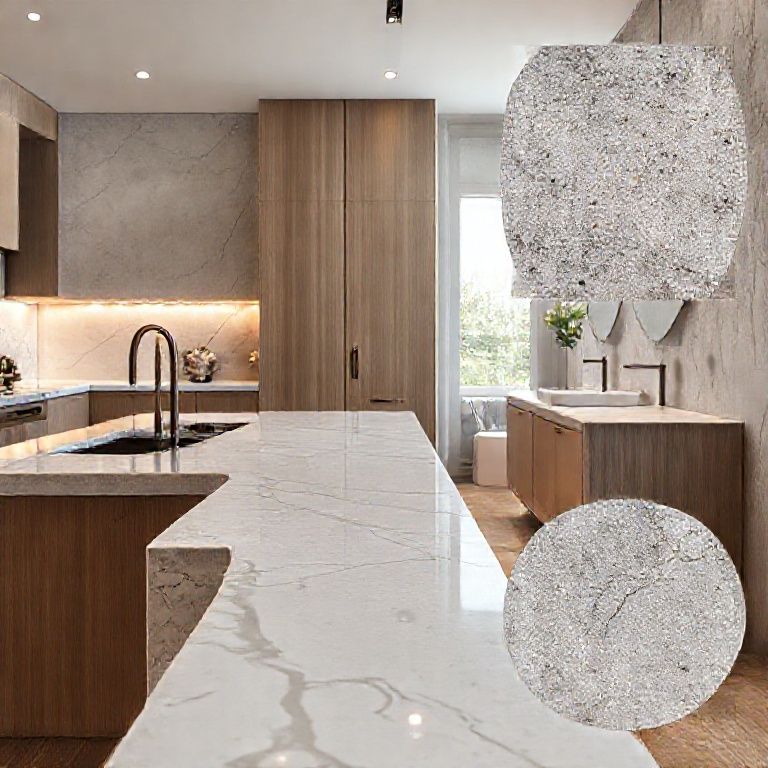
Ease of Cleaning: A polished marble surface is easier to clean and maintain. Its smooth, non-porous finish repels liquids and stains, making it simpler to keep clean and pristine.
Longevity: Properly polished marble can last for many years with proper care, maintaining its beauty and structural integrity.
Choosing the Right Polishing Technique
When it comes to polishing marble, choosing the right technique is crucial to achieving the desired results. There are several methods available, each with its unique advantages and considerations.
Hand Polishing: This traditional method involves using hand-held grinders and polishing pads. It is a labor-intensive process but allows for precise control over the polishing technique. Hand polishing is ideal for smaller areas or intricate designs where a high level of detail is required.
Machine Polishing: For larger projects, machine polishing is often the preferred method. Machines are equipped with powerful grinders and polishing pads that can cover large surfaces quickly and evenly. While this method is faster, it requires more experience to ensure an even finish and to avoid damaging the marble.
Hybrid Polishing: Combining hand and machine polishing offers the best of both worlds. It allows for detailed, precise work on small areas while utilizing machine efficiency for larger sections. This hybrid approach is often used by professional marble polishers to achieve flawless results.
Conclusion to Part 1
In conclusion, the art and science of marble polishing to a crystal finish is a meticulous process that transforms a simple stone into a stunning, luxurious material. By understanding the unique properties of marble and employing the right techniques, it is possible to achieve a polished surface that showcases its natural beauty while enhancing durability and ease of maintenance. Whether you are a professional marble polisher or a homeowner looking to enhance your marble surfaces, mastering the techniques of marble polishing is a rewarding endeavor that results in breathtaking results.
Techniques and Tips for Achieving a Flawless Marble Crystal Finish
Achieving a flawless marble crystal finish requires a combination of skill, patience, and the right tools and materials. In this part of our guide, we delve deeper into the techniques and tips that ensure your marble surfaces shine with a high-gloss, mirror-like finish. From selecting the right materials to maintaining the polished surface, we cover everything you need to know to achieve and preserve that coveted crystal finish.
Selecting the Right Materials
Choosing the right materials is essential for successful marble polishing. Here are the key components you’ll need:
Abrasive Compounds: The abrasive compounds used in polishing marble come in various grades, from coarse to ultra-fine. Coarse compounds are used for initial grinding, while finer compounds are used for polishing and achieving the crystal finish. It’s important to use high-quality compounds to avoid damaging the marble.
Polishing Pads: Polishing pads are made from materials like rubber, felt, or polyurethane. They help distribute the abrasive compounds evenly and ensure a smooth finish. The choice of pad depends on the size of the area being polished and the level of detail required.
Grinding Machines: For larger projects, grinding machines equipped with diamond-tipped discs or cups are used. These machines provide even pressure and consistent results, making the grinding process more efficient.
Polishing Machines: Similar to grinding machines, polishing machines use diamond-tipped pads to apply the polishing compound. These machines can cover large areas quickly while maintaining a high level of precision.
Sealants: After polishing, a high-quality sealant can be applied to protect the marble from stains and scratches. Sealants create a protective barrier that enhances the durability of the polished surface.
Step-by-Step Polishing Technique
Achieving a flawless marble crystal finish involves several steps. Here’s a detailed guide to help you through the process:
Surface Preparation: Begin by thoroughly cleaning the marble surface to remove any dust, dirt, or grime. Use a soft cloth and a mild detergent solution to avoid scratching the surface. Rinse and dry the marble completely before proceeding.
Grinding: Start the polishing process with a coarse abrasive compound and a grinding machine or pad. Use even pressure to grind the surface, removing any deep scratches or imperfections. Switch to progressively finer grades of abrasive compounds to achieve a smooth surface.
Polishing: Once the surface is ground, begin the polishing phase. Use a high-quality polishing compound with a polishing pad or machine. Apply the compound in a circular motion, ensuring even coverage. Use progressively finer grades of compounds to achieve a high-gloss finish.
Crystal Finish: For the final step, apply a high-quality polishing compound designed for achieving a crystal finish. Use a polishing pad to apply the compound in a circular motion. The result should be a mirror-like surface that showcases the natural beauty of the marble.
Sealing: After polishing, apply a high-quality marble sealant to protect the surface. Follow the manufacturer’s instructions for application and allow the sealant to cure completely before using the marble surface.
Tips for Maintaining a Crystal Finish
Maintaining the crystal finish of your polished marble requires regular care and attention. Here are some tips to ensure your marble remains pristine:
Use Gentle Cleaners: Avoid using harsh chemicals or abrasive cleaners on polished marble. Instead, use a mild detergent solution and a soft cloth to clean the surface. For tougher stains, use a marble-specific cleaner designed to remove stains without damaging the finish.
Regular Maintenance: Regularly clean and polish your marble surfaces to maintain the crystal finish. Even with a sealant, marble can accumulate grime and stains over time, so regular maintenance is essential.
Avoid Impact and Abrasion: Protect your marble surfaces from impact and abrasion. Use coasters under glasses and avoid placing heavy objects directly on the surface. This helps prevent scratches and dents that can mar the polished finish.
Immediate Stain Removal: Act quickly to remove any stains that do occur. Blot the stain with a clean, dry cloth to remove as much of the spill as possible before it sets into the marble. Then use a marble cleaner to treat the stain.
55. Professional Help: For large projects or if you’re unsure about your polishing skills, consider seeking help from professional marble polishers. They have the expertise, tools, and materials needed to achieve the best results, ensuring that your marble surfaces are polished to perfection.
Common Mistakes to Avoid
Even with the best techniques and materials, certain mistakes can undermine the effort to achieve a flawless marble crystal finish. Here are some common pitfalls to avoid:
Skipping Preparation: Failing to thoroughly clean and prepare the marble surface can lead to uneven polishing and a less effective final finish. Always take the time to clean and prepare the surface before starting the polishing process.
Using the Wrong Abrasives: Using abrasive compounds that are too coarse or too fine for the stage of polishing can damage the marble. Always use the appropriate grade of abrasives for each step of the process.
Applying Uneven Pressure: Applying uneven pressure while grinding or polishing can result in an uneven finish. Ensure that you apply even pressure throughout the process to achieve a smooth, polished surface.
Ignoring the Sealing Step: Skipping the sealing step can expose the polished marble to stains and scratches, reducing its durability and longevity. Always apply a high-quality sealant to protect the polished surface.
Conclusion to Part 2
Achieving a flawless marble crystal finish is a rewarding process that requires careful selection of materials, precise techniques, and ongoing maintenance. By following the detailed steps outlined above and avoiding common mistakes, you can transform your marble surfaces into stunning, mirror-like finishes that showcase the natural beauty of the stone.
Whether you’re a professional polisher or a DIY enthusiast, mastering the art of marble polishing can elevate the aesthetic appeal of any space, from elegant countertops to exquisite flooring. With the right approach and attention to detail, your marble surfaces will shine with a brilliant, crystal finish that stands the test of time.
By understanding the intricacies of marble polishing and employing the best techniques and materials, you can ensure that your marble surfaces remain pristine and beautiful, adding a touch of luxury and elegance to any environment.