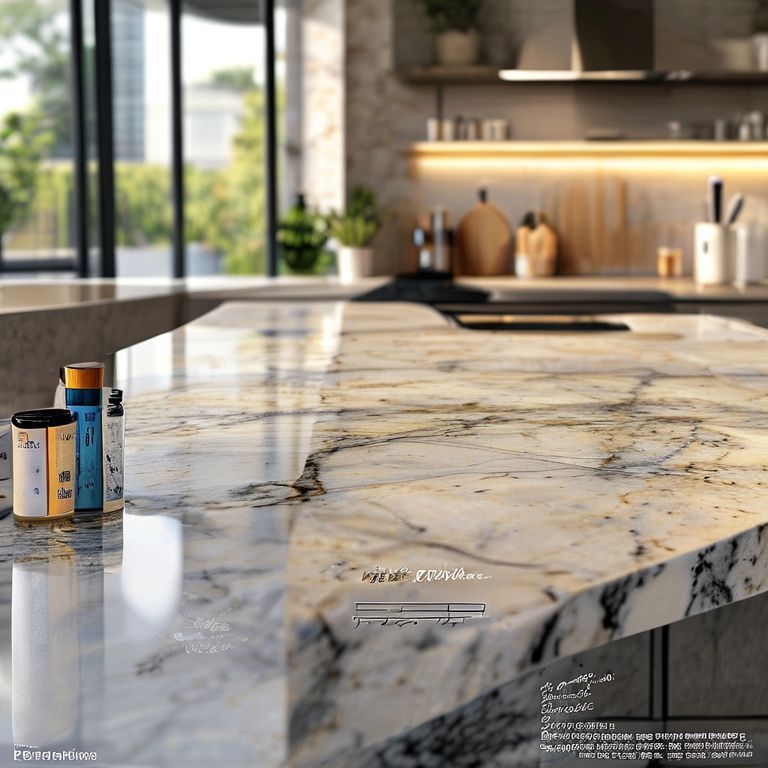
The Science and Art of Artificial Marble Creation
Artificial marble, often mistaken for its natural counterpart, is a sophisticated blend of minerals, resins, and pigments engineered to mimic the beauty of natural marble. The process of creating this stunning material is both an art and a science, requiring precision, creativity, and advanced technology. In this part of our guide, we delve into the foundational steps and techniques involved in the creation of artificial marble.

1. Raw Material Preparation
The journey begins with the meticulous selection of raw materials. Artificial marble is primarily composed of calcium carbonate, which can be sourced from limestone or marble dust. This base material is mixed with various additives such as resins, pigments, and other binders to achieve the desired color, texture, and durability. The quality of these raw materials directly influences the final product’s appearance and strength.
2. Pigment and Resin Integration
The next step involves integrating pigments and resins into the calcium carbonate mixture. Pigments are carefully chosen to achieve a wide range of colors that can closely resemble natural marble. These pigments are mixed into the base material to create a homogenous color distribution. Resins play a crucial role in binding the particles together, enhancing the material’s strength and resistance to wear and tear.
3. Molding Process
Once the mixture is prepared, it is poured into molds that replicate the desired shape and design. These molds can range from simple slabs to complex three-dimensional forms. The material is allowed to set under controlled conditions, ensuring uniformity and avoiding any distortions. This step is critical as it sets the foundation for the material’s overall appearance and functionality.
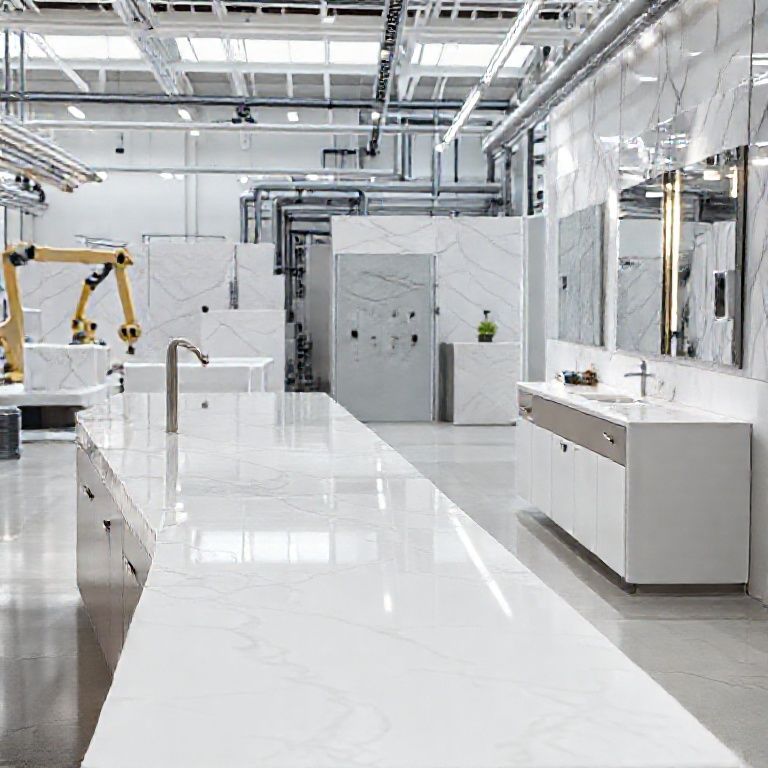
4. Curing and Finishing
After molding, the artificial marble undergoes a curing process where it is exposed to heat and pressure to harden the resin and solidify the structure. This process is essential for achieving the material’s durability and resistance to various environmental factors. Once cured, the artificial marble is polished to achieve a smooth, glossy finish that enhances its aesthetic appeal.
5. Advanced Techniques and Innovations
Modern advancements have introduced innovative techniques in artificial marble creation. Techniques such as digital printing allow for intricate designs and patterns that are difficult to achieve with traditional methods. Additionally, the use of nanotechnology in the production process has led to the development of super-hard and ultra-durable artificial marble variants, making them suitable for high-traffic areas.
Conclusion
The process of creating artificial marble is a fascinating blend of science and art. From the careful selection of raw materials to the intricate molding and curing processes, each step is crucial in producing a material that not only looks like natural marble but also outperforms it in durability and maintenance. In the next part of our guide, we will explore the applications and benefits of artificial marble in various industries, highlighting its versatility and growing popularity.
Diverse Applications and Benefits
Artificial marble’s versatility and durability have made it a popular choice in various sectors, ranging from commercial construction to residential interiors. Its ability to mimic the elegance of natural marble without the high maintenance demands makes it an attractive option for many projects. In this part of our guide, we will explore the diverse applications and significant benefits of artificial marble.
1. Commercial Spaces
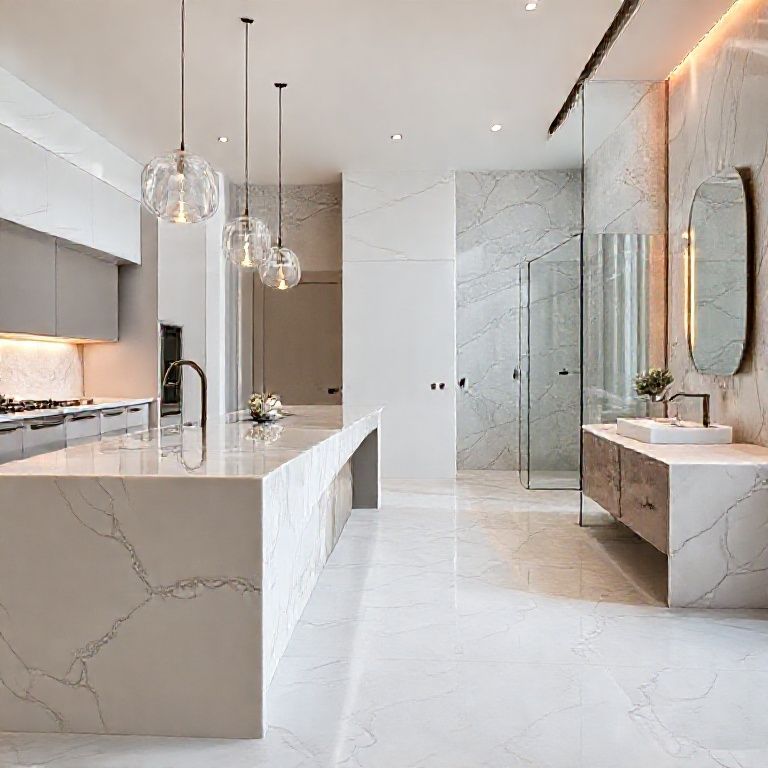
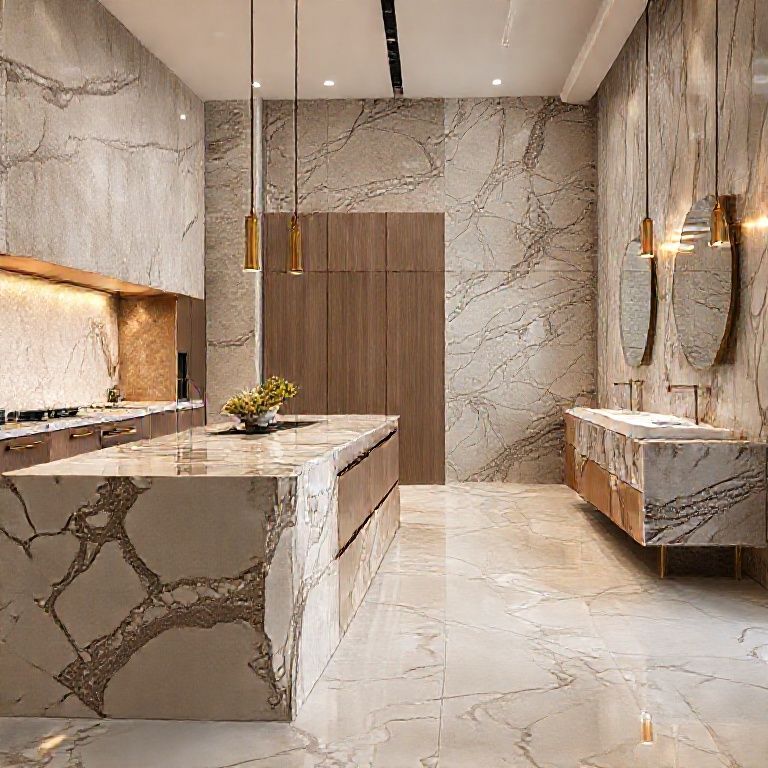
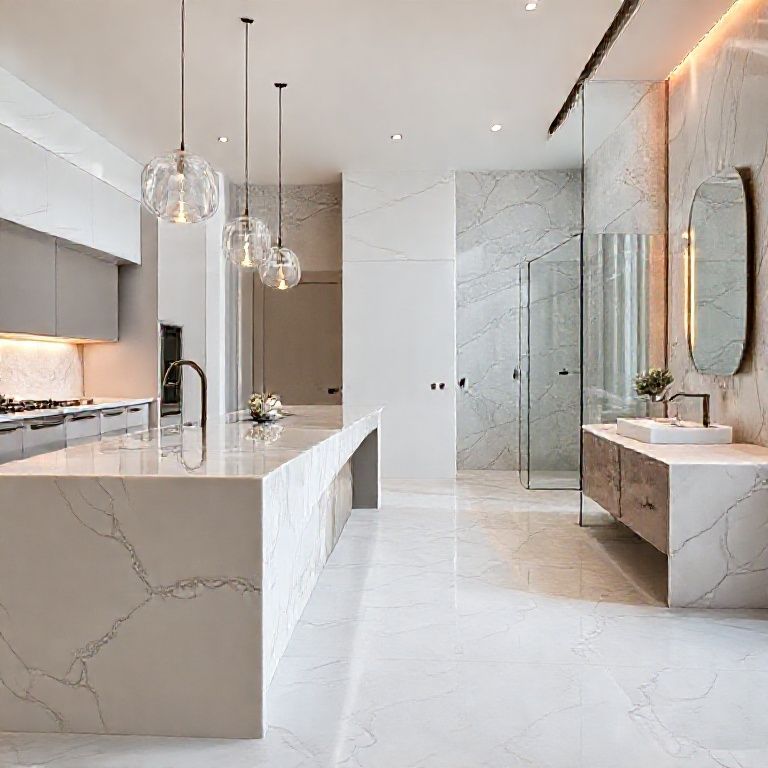
In commercial spaces such as hotels, restaurants, and office buildings, artificial marble is used extensively for countertops, flooring, and decorative elements. Its durability and resistance to stains, scratches, and chemicals make it an ideal choice for high-traffic areas. The ability to create custom designs and patterns allows businesses to enhance the aesthetic appeal of their spaces while maintaining functionality and ease of maintenance.
2. Residential Interiors
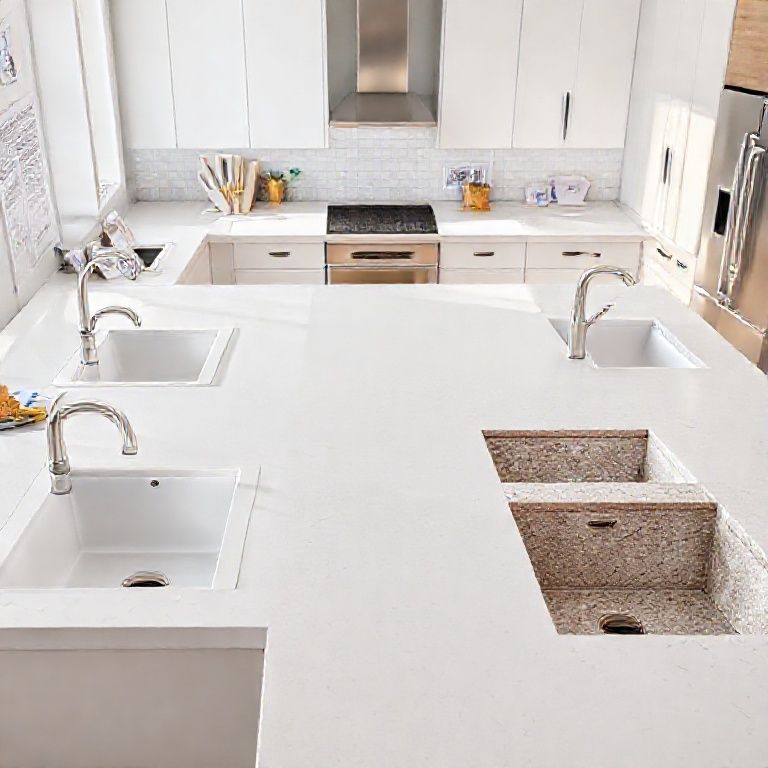
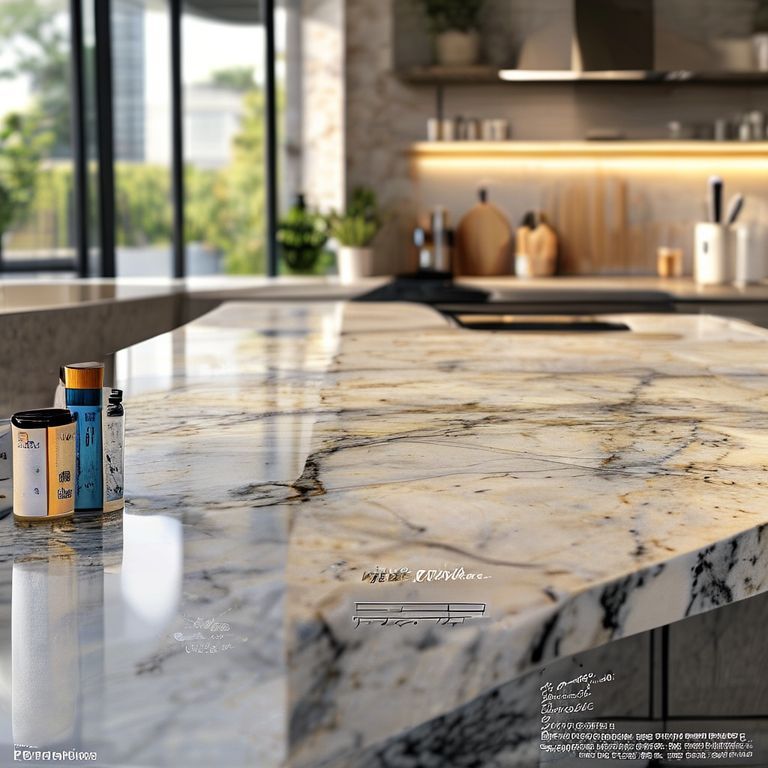
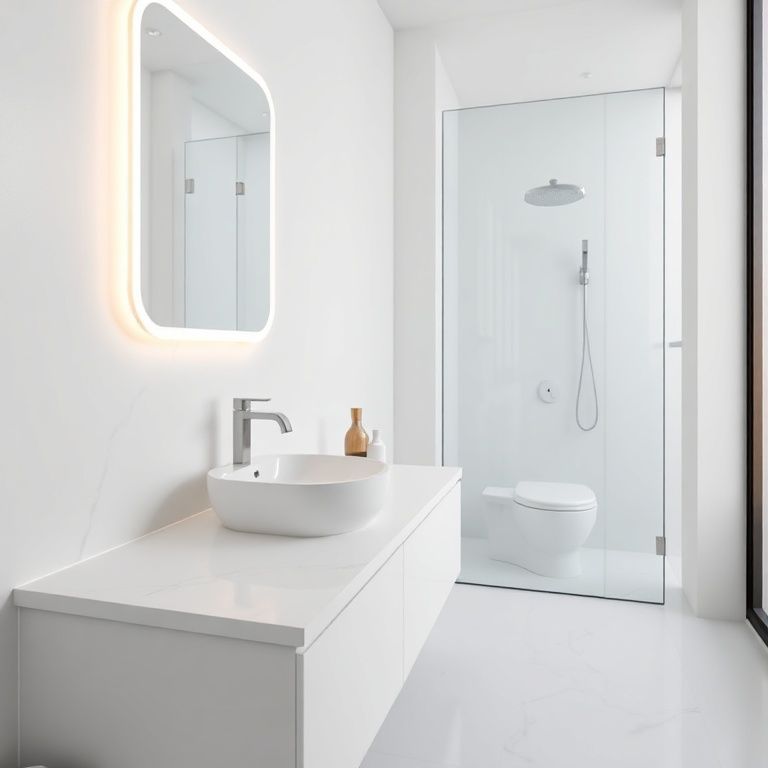
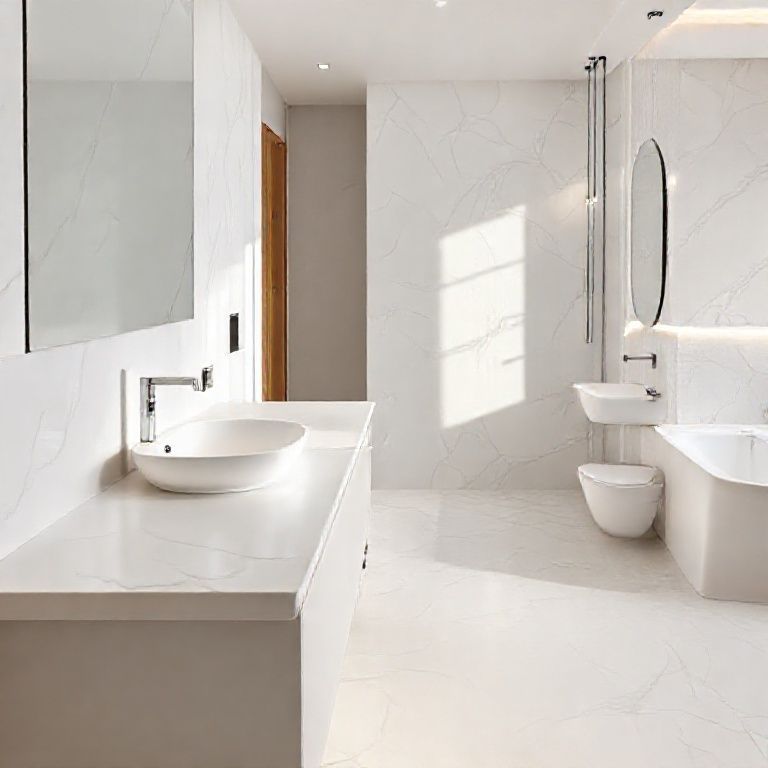
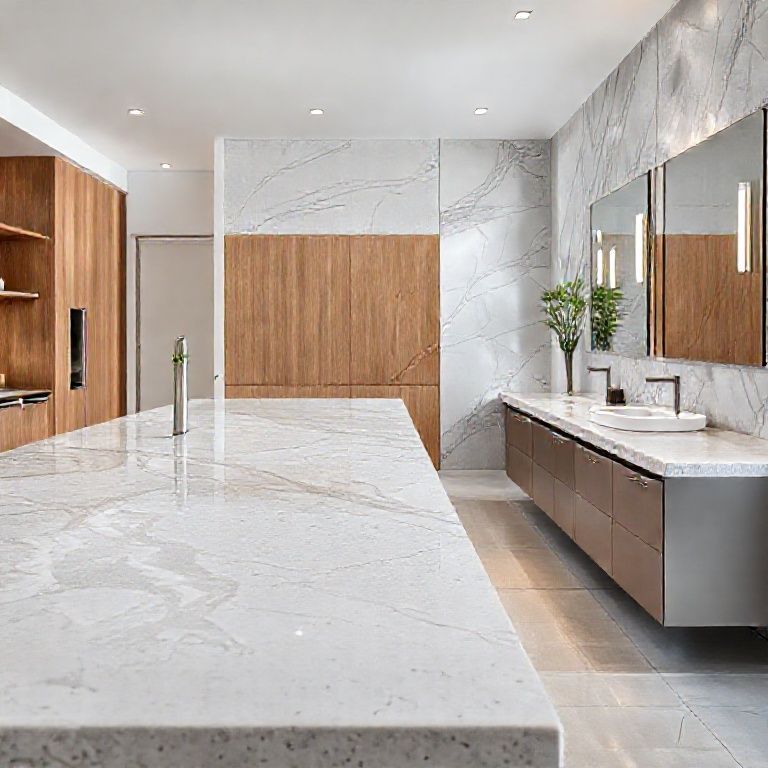
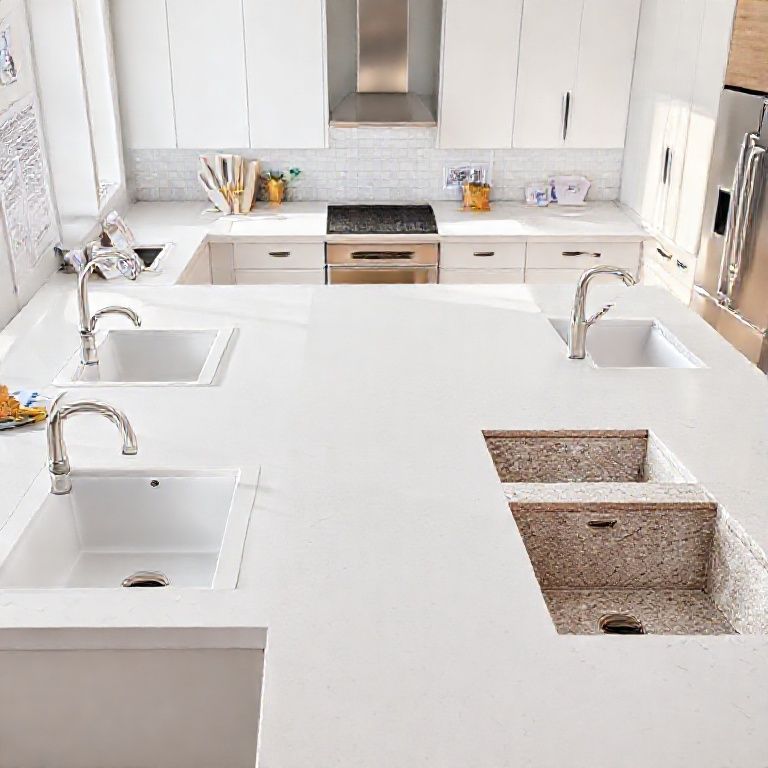
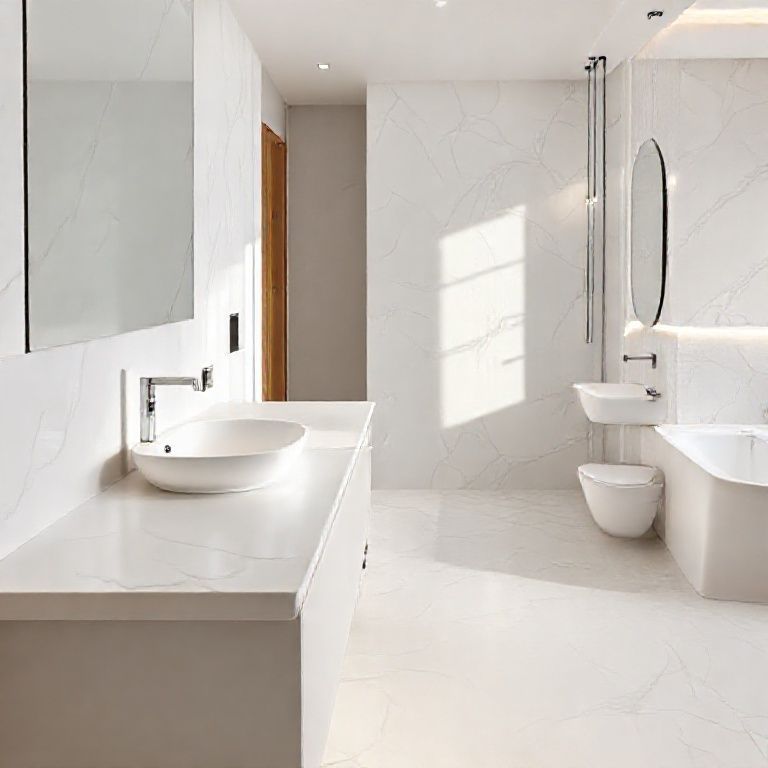
For residential interiors, artificial marble offers homeowners a luxurious yet low-maintenance alternative to natural marble. It is commonly used for kitchen countertops, bathroom vanities, and decorative features. The wide range of colors and patterns available ensures that homeowners can choose designs that complement their existing decor. Moreover, its resistance to water and moisture makes it an excellent choice for wet areas like kitchens and bathrooms.
3. Outdoor Applications
Artificial marble’s durability extends to outdoor applications as well. It is used for outdoor furniture, patio slabs, and decorative elements in garden designs. Its resistance to weather conditions such as UV radiation, temperature fluctuations, and moisture makes it a long-lasting choice for outdoor spaces. This makes it particularly suitable for areas where natural marble would deteriorate quickly.
4. Custom Design and Fabrication
One of the significant advantages of artificial marble is its ability to be fabricated into custom designs. Architects and designers can create unique structures and intricate patterns that would be challenging with natural marble. This flexibility allows for the realization of innovative designs that push the boundaries of traditional architecture and interior design.
5. Sustainability and Environmental Benefits
Artificial marble also offers environmental benefits. The production process can be optimized to minimize waste and energy consumption. Additionally, artificial marble can be made from recycled materials, contributing to sustainable practices in the construction and design industries. Its durability reduces the need for frequent replacements, further minimizing environmental impact.
6. Cost-Effectiveness
While the initial cost of artificial marble might be higher than some other materials, its long-term benefits often result in cost savings. The reduced maintenance requirements and extended lifespan of artificial marble mean that it provides better value over time. This makes it an economically sound choice for both commercial and residential projects.
7. Easy Maintenance
Unlike natural marble, artificial marble requires minimal maintenance. It is easy to clean and does not require sealing to prevent stains. This makes it an excellent choice for busy households and commercial establishments where cleaning can be a challenge.
Conclusion
Artificial marble stands out as a versatile, durable, and sustainable material that offers numerous benefits across various applications. Its ability to mimic the elegance of natural marble while providing enhanced durability, low maintenance, and innovative design possibilities makes it an ideal choice for modern construction and design projects. As we continue to explore its applications and benefits, it is clear that artificial marble is revolutionizing the way we approach material selection in both commercial and residential settings. Whether for creating stunning interiors or robust outdoor structures, artificial marble continues to impress with its versatility and performance.