Understanding Dry-Installed Marble and Its Pricing Factors
When it comes to elevating the aesthetic appeal of your home or business, marble remains a timeless choice. Its luxurious appearance and durability make it a popular choice for flooring, countertops, and walls. However, the process of installing marble, particularly dry-installed marble, involves several nuanced steps and considerations that can significantly impact the final cost. In this first part, we delve into the intricacies of dry-installed marble and the factors that determine artificial costs per square meter.
What is Dry-Installed Marble?
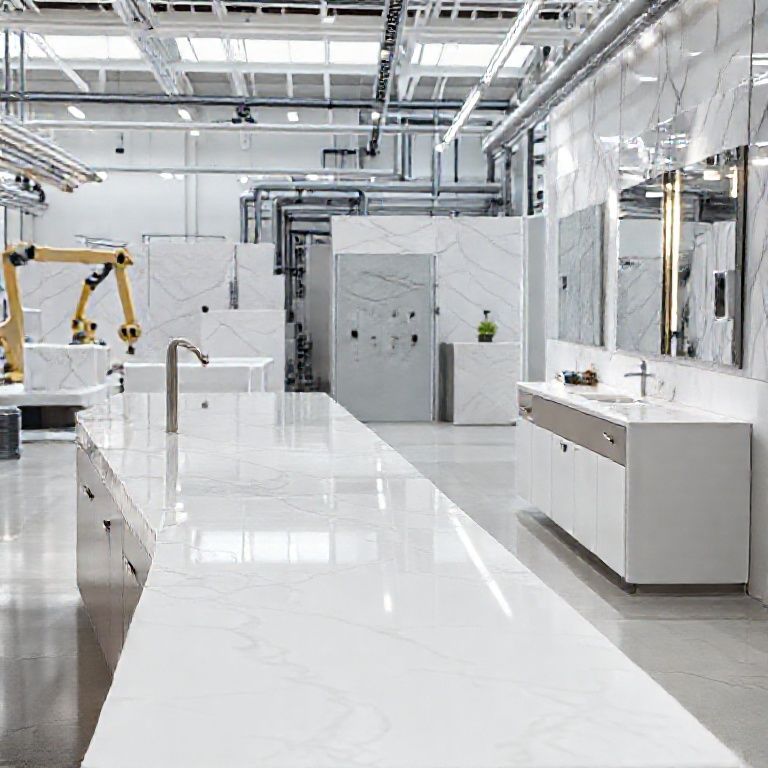
Dry-installed marble is a method of laying marble tiles without using adhesives or grout initially. Instead, the tiles are held in place by a mechanical system that allows for easy removal and adjustments during the installation process. This method offers several advantages, including the flexibility to correct any alignment issues and the ability to remove tiles without damaging the underlying surface.
The Artistic Touch: Craftsmanship
One of the most significant factors influencing the cost of dry-installed marble is the level of craftsmanship involved. Expert craftsmen are essential to achieving a flawless installation, especially when dealing with intricate marble patterns and designs. The skill and experience of the installer can greatly affect the overall cost, as highly skilled professionals command higher rates.
Material Selection
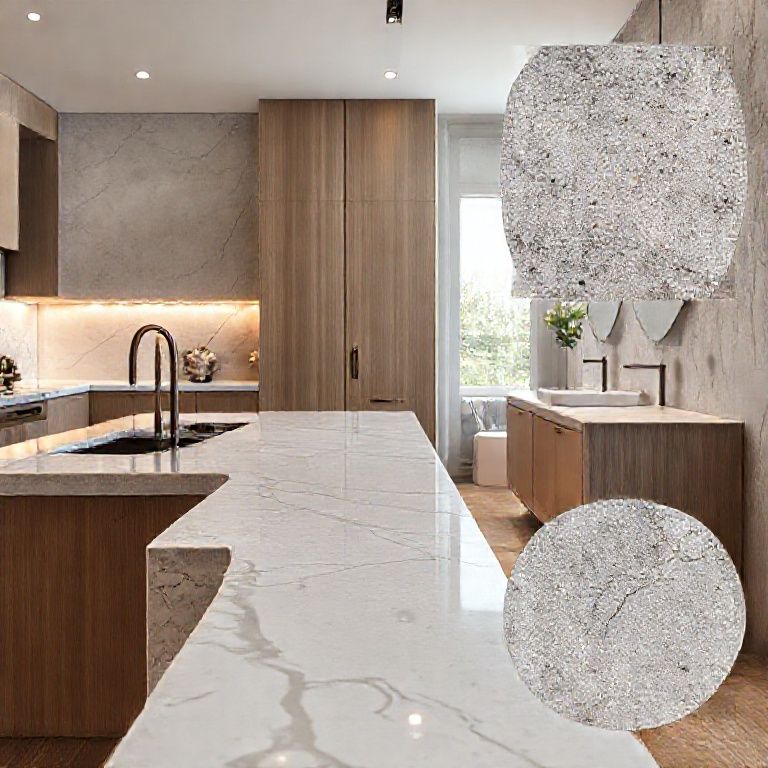
The type of marble chosen plays a crucial role in determining the cost. Marble comes in various grades, each with its unique characteristics and price points. High-quality marble such as Carrara or Botticino tends to be more expensive due to its superior aesthetics and durability. Conversely, lower-grade marble may be more affordable but could compromise on these qualities. The choice of marble not only impacts the immediate cost but also the long-term value and maintenance of the installation.
Labor Costs
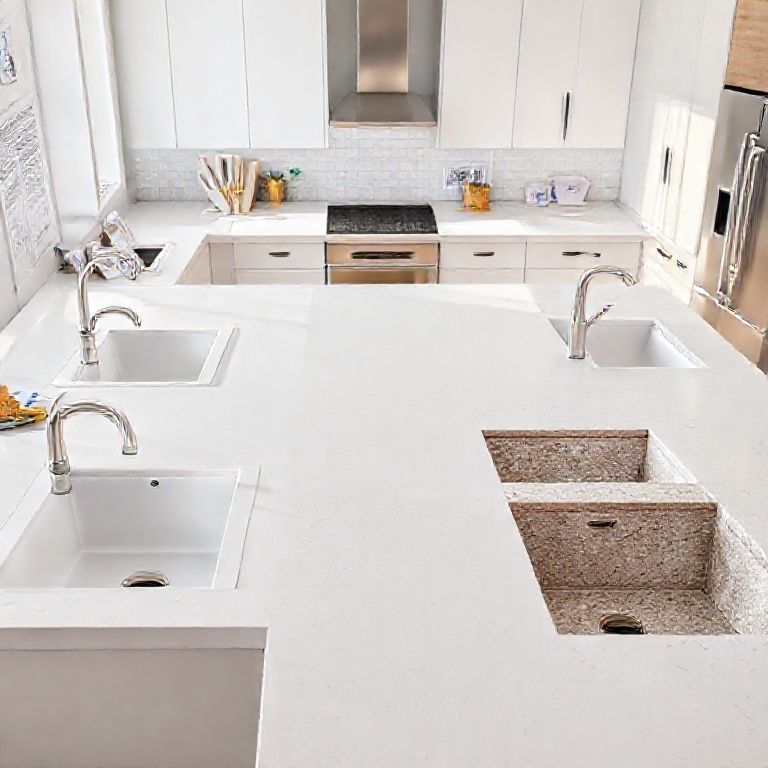
Labor costs are a critical component of the overall price of dry-installed marble. The complexity of the installation, the size of the area to be covered, and the expertise required all influence the labor costs. For instance, installing marble on a large, intricate pattern will naturally incur higher labor costs compared to a simple, straight-line installation. Additionally, regional variations in labor rates can also affect the final price.
Tools and Equipment
The tools and equipment used in the installation process can impact the overall cost. High-quality tools and specialized equipment for cutting, measuring, and placing marble tiles can enhance the precision and efficiency of the installation, potentially reducing the overall time and labor involved. However, these tools also add to the cost. Investing in premium tools often results in a higher upfront expense but can lead to better quality and a more durable final product.
Design and Customization
Custom designs and unique patterns can significantly increase the cost of dry-installed marble. While standard installations follow typical patterns and designs, custom installations often require additional time, specialized skills, and sometimes, unique materials. These factors contribute to higher artificial costs per square meter.
Environmental and Safety Compliance
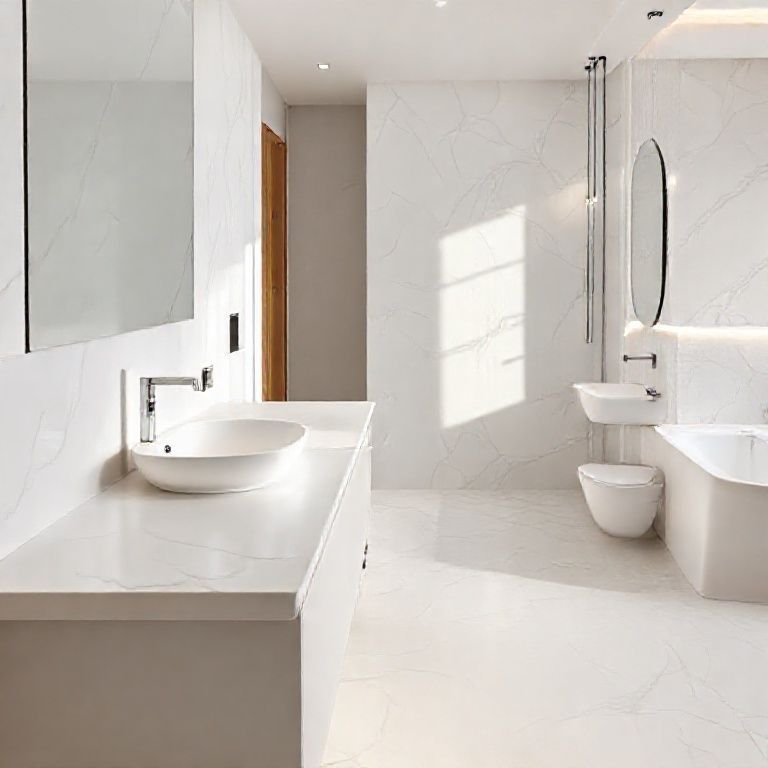
Ensuring that the installation meets all environmental and safety standards is essential. Compliance with these regulations often involves additional costs, such as obtaining specific certifications, using eco-friendly materials, and adhering to safety protocols. While these costs are necessary for a safe and environmentally responsible installation, they do add to the overall price.
Warranty and Aftercare
A comprehensive warranty and aftercare plan can provide peace of mind and can be a selling point for potential clients. High-quality installations often come with longer warranties and more extensive aftercare services, which can justify higher initial costs. These services typically include regular maintenance, repair options, and sometimes even reinstallation if needed.
Conclusion
Understanding the cost of dry-installed marble involves a detailed examination of multiple factors, from craftsmanship and material selection to labor costs and compliance with environmental standards. By comprehensively evaluating these elements, you can make an informed decision about your marble installation project, ensuring both quality and value.
In the next part, we will explore additional considerations, including regional price variations, the role of subcontractors, and tips for optimizing your marble installation budget.
Regional Variations, Subcontractors, and Budget Optimization
As we continue our exploration of the cost of dry-installed marble, this second part focuses on regional price variations, the role of subcontractors, and strategies for optimizing your installation budget. Understanding these elements can provide valuable insights into achieving the best possible outcome within your financial constraints.
Regional Price Variations
The cost of dry-installed marble can vary significantly based on geographic location. Factors such as local labor rates, cost of living, and demand for marble installations can all influence the final price. For instance, urban areas with a high concentration of skilled craftsmen may have higher labor costs compared to rural regions. Additionally, regions with a thriving marble industry may offer more competitive rates due to increased competition among installers.
The Role of Subcontractors
In many cases, homeowners and businesses opt to hire subcontractors to handle specific aspects of the marble installation. Subcontractors bring specialized skills and equipment that can enhance the quality of the installation but can also add to the overall cost. For example, a subcontractor specializing in intricate marble patterns may charge higher rates due to their expertise. However, using subcontractors can sometimes lead to cost savings by leveraging their specialized skills and equipment.
Budget Optimization Strategies
To optimize your marble installation budget, consider the following strategies:
1. Prioritize Quality Over Cost
While it may be tempting to opt for the cheapest option available, prioritizing quality can lead to long-term savings. High-quality marble and skilled craftsmanship can result in a more durable and aesthetically pleasing installation, reducing the need for frequent repairs and replacements.
2. Negotiate and Compare Quotes
Don’t hesitate to negotiate with multiple contractors and compare quotes to find the best deal. Sometimes, small adjustments in your requirements or a little extra flexibility can lead to significant savings.
3. Consider the Full Scope of Work
When budgeting, consider the full scope of work required for your marble installation, including preparation, cutting, fitting, and any necessary repairs or adjustments. Sometimes, breaking down the costs into these individual components can provide a clearer picture of the overall expenses.
4. Look for Hidden Costs
Be vigilant about hidden costs that can add up during the installation process. These might include costs for waste disposal, additional materials, or unexpected complications during installation. Clarifying these potential expenses with your contractor can help prevent unexpected costs down the line.
5. Plan for Maintenance
Don’t forget to factor in the cost of maintenance and aftercare services in your budget. High-quality installations often come with comprehensive warranty and aftercare plans that can provide peace of mind and potentially save money on future repairs.
6. Take Advantage of Seasonal Discounts
Sometimes, contractors offer seasonal discounts or promotional deals. Planning your installation during a time when discounts are available can lead to significant savings without compromising on quality.
Advanced Techniques and Innovations
Advancements in installation techniques and technology have introduced new methods that can impact the cost of dry-installed marble. For example, the use of laser cutting and precision fitting can enhance the accuracy of marble tiles, potentially reducing labor costs and the need for corrections. However, these advanced techniques may also incur additional expenses. Understanding the benefits and costs of these innovations can help you make informed decisions.
Environmental Considerations
Incorporating sustainable practices into your marble installation can also influence the cost. Using eco-friendly materials, opting for recycled marble, or employing environmentally friendly installation techniques can add to the initial cost but may result in long-term savings and compliance with modern environmental standards.
Conclusion
Navigating the cost of dry-installed marble requires a nuanced understanding of regional price variations, the role of subcontractors, and strategic budget optimization. By carefully considering these factors and planning meticulously, you can achieve a beautiful and durable marble installation that meets both your aesthetic and financial goals.
In conclusion, whether you are a homeowner, business owner, or designer, understanding the intricacies of dry-installed marble and its associated costs is essential for making informed decisions and achieving the best possible outcome for your project. By exploring these elements in detail, you can ensure a successful and satisfying marble installation experience.