${part1}
In the world of luxury materials, marble stands out as a symbol of elegance and timeless beauty. Its natural veining and texture offer an unparalleled aesthetic appeal that has made it a favorite for both residential and commercial spaces. However, understanding the cost of marble per cubic meter is essential for anyone looking to incorporate this exquisite material into their project. In this part of our comprehensive guide, we will delve into the key factors influencing marble pricing, the significance of raw material selection, and the nuances of marble finishing techniques.
Understanding Marble Pricing
The cost of marble per cubic meter can vary widely based on several factors, each contributing to the final price tag. One of the primary determinants is the type of marble being used. Marble is a metamorphic rock composed primarily of calcium carbonate, and it comes in a variety of colors and patterns, from the classic white of Carrara to the rich hues of black and gold.
Raw Material Selection
Source and Quality
The source of marble plays a crucial role in its cost. Marble is extracted from quarries around the world, each with its unique characteristics. For instance, marble from Italy, particularly from the Carrara region, is renowned for its fine white veins and is often considered a benchmark for quality. In contrast, marble from other regions may offer different colors and veining patterns.
The quality of the raw material is another significant factor. High-quality marble with fewer impurities and more uniform color distribution tends to be more expensive. This is because the extraction process for top-quality marble is more labor-intensive and requires skilled craftsmanship.
Processing and Transportation
Once extracted, marble undergoes a series of processes to transform it into usable slabs or tiles. This includes cutting, polishing, and sometimes even etching or engraving to enhance its natural beauty. The complexity of these processes adds to the cost.
Transportation is another critical aspect. Marble is a heavy material, and transporting it over long distances can be costly. Therefore, marble sourced locally or from nearby regions generally costs less than that transported from faraway places.
Marble Finishing Techniques
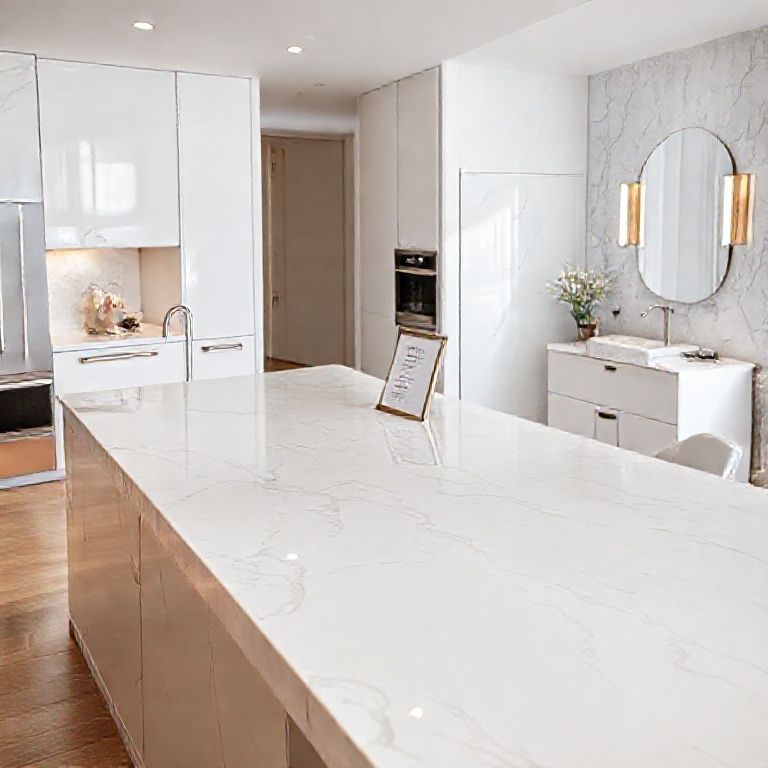
The finishing techniques applied to marble can significantly affect its cost per cubic meter. Marble can be polished, honed, or even etched to bring out different textures and patterns. Polished marble, which is rubbed and buffed to a high shine, is the most expensive due to the labor-intensive process required to achieve this level of smoothness and gloss.

Honed marble, on the other hand, has a matte finish and is less labor-intensive, making it more affordable. Etching and engraving can also add to the cost, as these techniques require specialized skills and equipment to create intricate designs.
Applications and Market Trends
Marble’s versatility allows it to be used in various applications, from flooring and countertops to wall cladding and sculptures. Its applications in high-end interior design, architecture, and even decorative items contribute to its enduring popularity and demand.
Residential Use
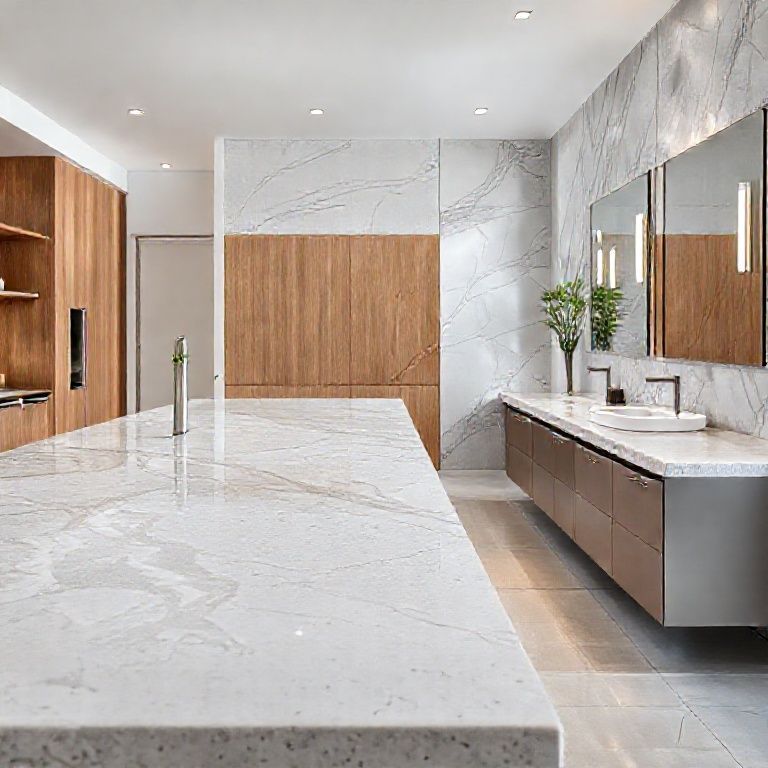
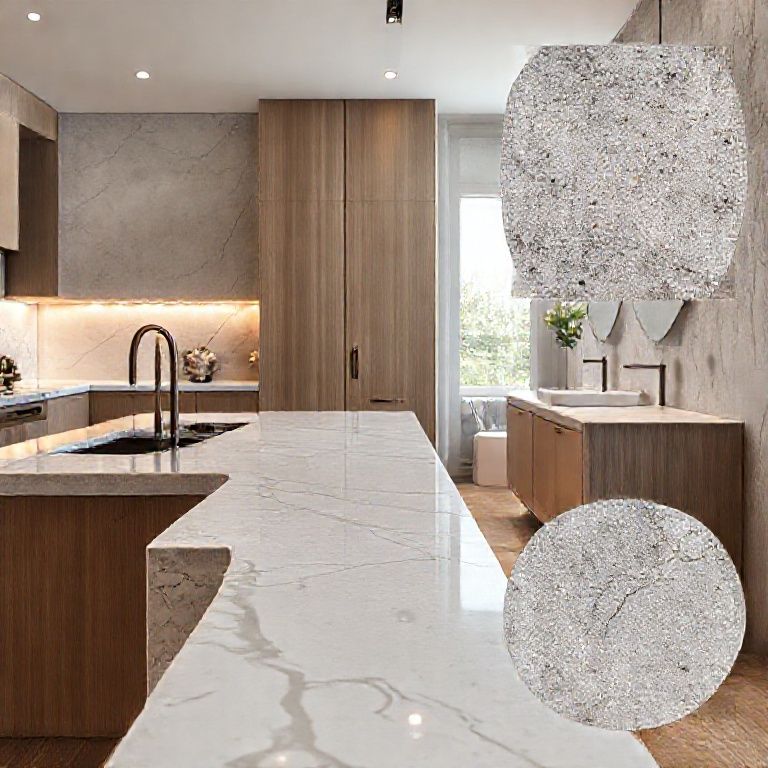
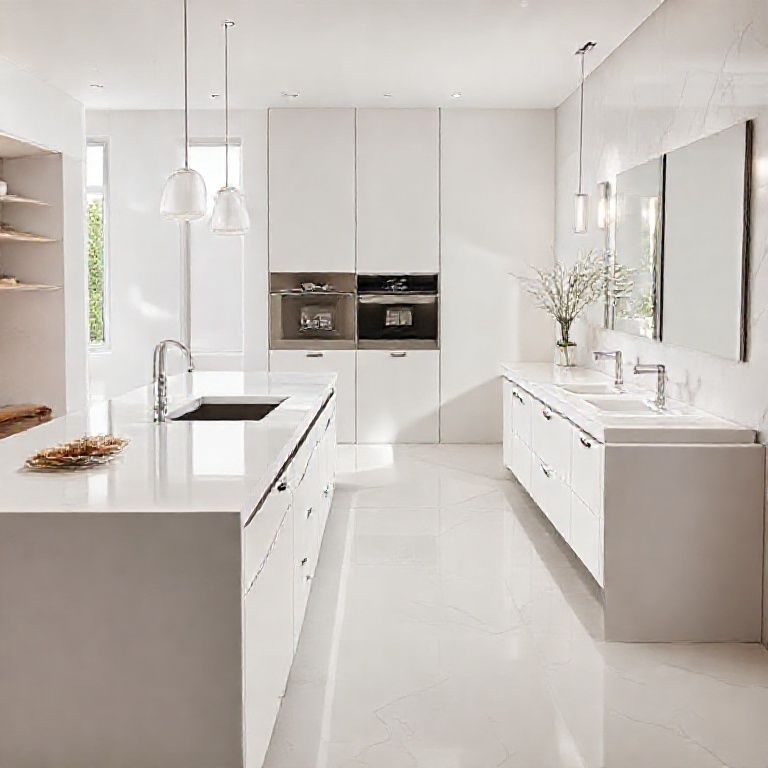
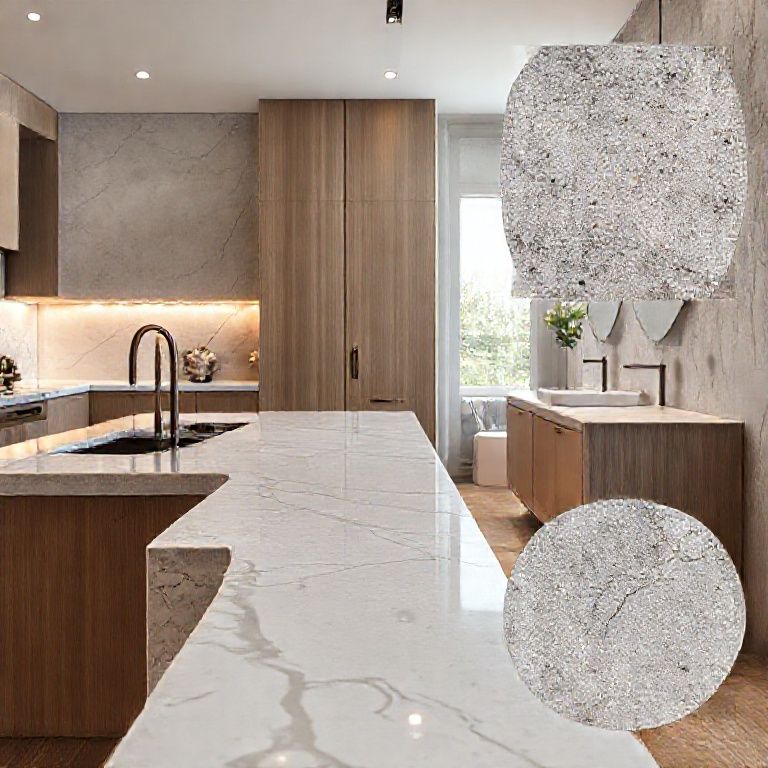
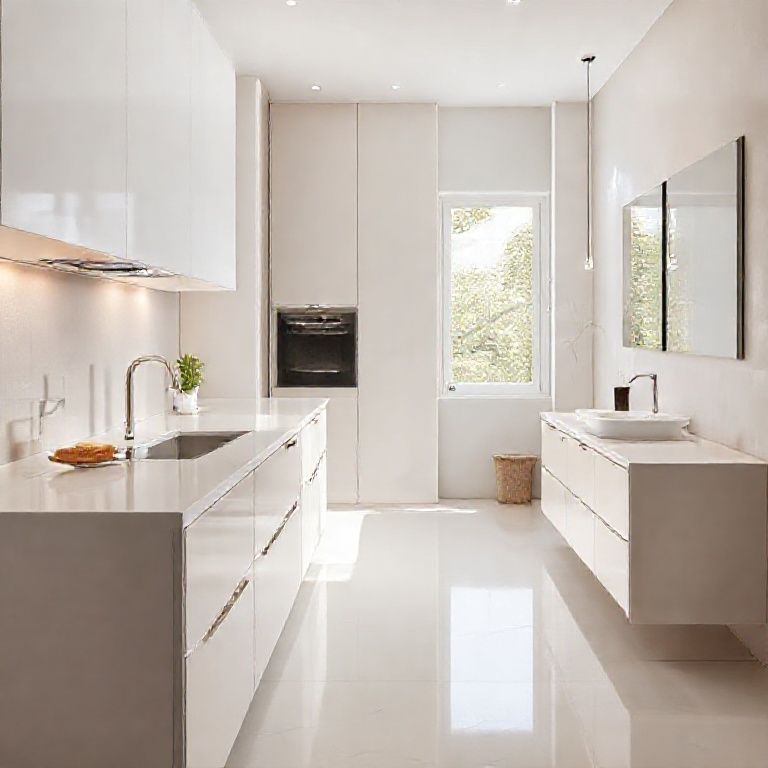
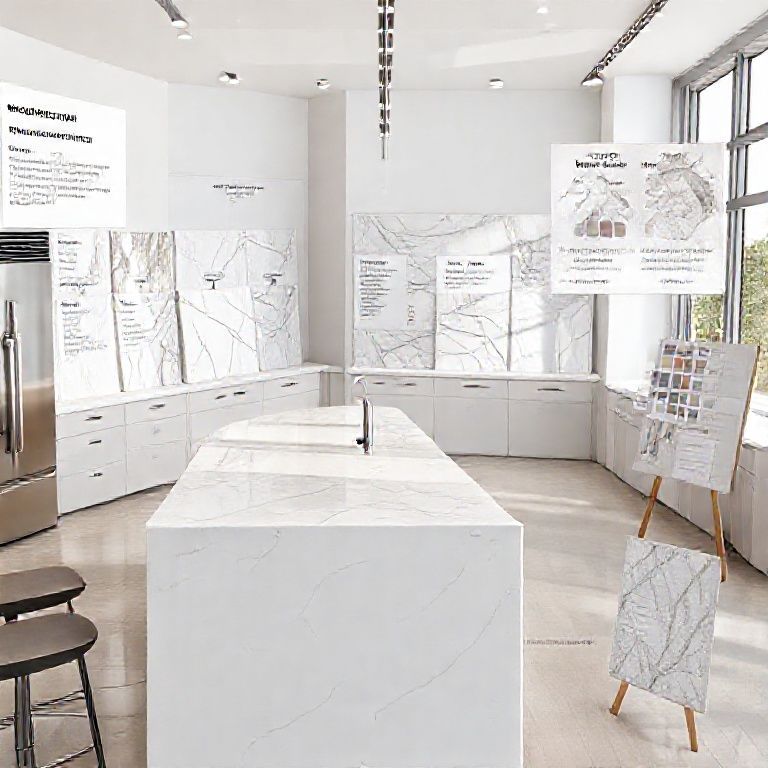
In residential settings, marble is often used for countertops, backsplashes, and flooring. Its natural beauty and durability make it an excellent choice for kitchens, bathrooms, and living spaces. The cost of marble per cubic meter in residential projects can vary widely based on the type and quality of marble chosen.
Commercial Use
Commercially, marble is a preferred material for luxury buildings, hotels, and public spaces due to its timeless elegance and high-end appearance. High-traffic areas, such as lobbies and reception areas, benefit greatly from marble’s durability and aesthetic appeal. The cost per cubic meter in commercial projects is often higher due to the increased demand for premium marble types and the need for extensive finishing work.
Market Trends
The marble market is influenced by various trends, including global economic conditions, shifts in architectural styles, and changes in consumer preferences. For instance, the rise of sustainable and eco-friendly building practices has led to increased demand for locally sourced marble, which can be more cost-effective and environmentally friendly.
In conclusion, the cost of marble per cubic meter is determined by a complex interplay of factors, including the type of marble, its source, quality, processing techniques, and finishing methods. By understanding these elements, one can make informed decisions when selecting marble for their projects, ensuring both quality and value.
Stay tuned for the second part of our guide, where we will explore more in-depth insights into the economic and environmental aspects of marble, including the impact of market fluctuations and the role of emerging technologies in marble production.