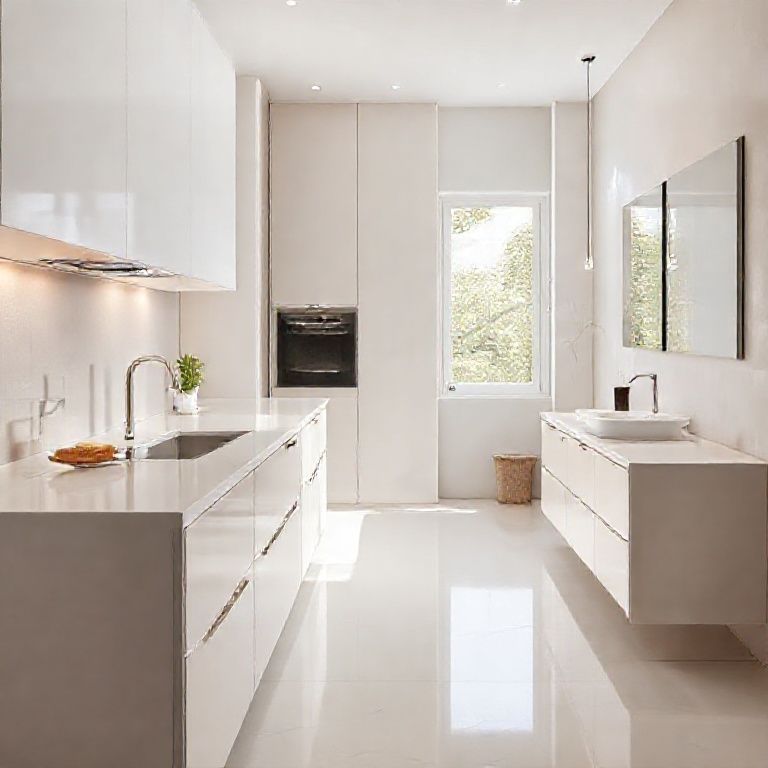
The Genesis of Engineered Marble
Introduction
Engineered marble, a marvel of modern craftsmanship, has revolutionized the world of interior design and construction. This luxurious material, known for its stunning aesthetics and durability, has become a preferred choice for high-end countertops, tabletops, and decorative sculptures. But what is the intricate process that transforms simple raw materials into these exquisite creations? Join us on the first part of our journey through the captivating world of engineered marble production.

Raw Materials: The Building Blocks
The journey of engineered marble begins with the selection of raw materials. Unlike natural marble, which is extracted from quarries, engineered marble is meticulously crafted in factories using a blend of minerals, resins, and pigments. The primary ingredients include marble chips, quartz, limestone, and other mineral powders, which provide the base structure and strength.
Color Pigments and Additives: Crafting the Perfect Hue
To achieve the desired aesthetic, color pigments play a crucial role in engineered marble production. These pigments are meticulously blended with the base materials to create a variety of colors and patterns that mimic the beauty of natural marble. Additionally, various additives such as fillers, stabilizers, and UV inhibitors are incorporated to enhance the material’s durability, resistance to staining, and longevity.
Mixing and Blending: The Foundation of Perfection
Once the raw materials and additives are prepared, the next step involves mixing and blending these components to form a uniform mixture. This process requires precision and expertise to ensure that each batch of material is consistent in color, texture, and composition. Advanced mixing equipment is used to combine the ingredients, which then undergo thorough quality checks to guarantee a flawless product.
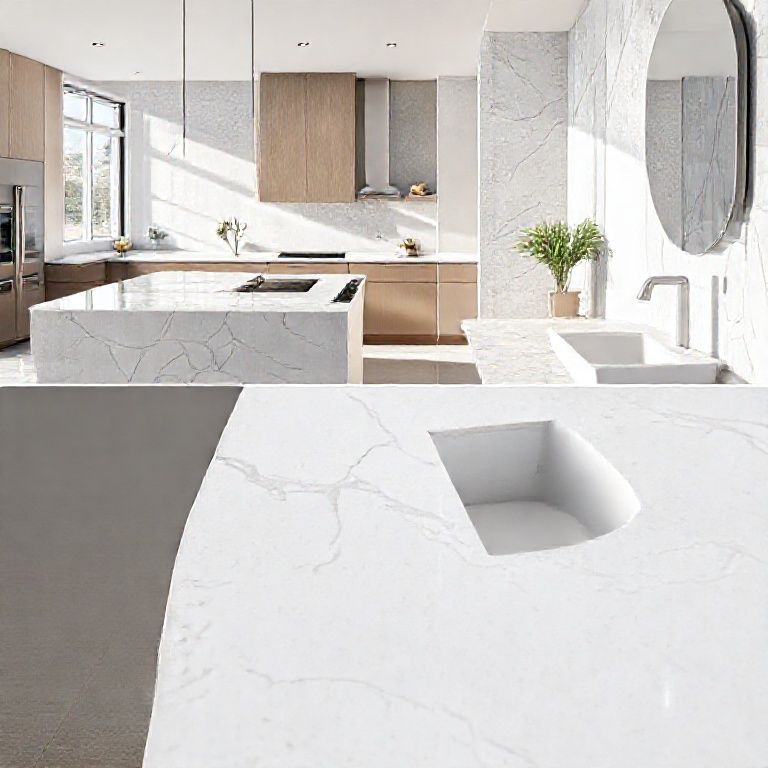
Molding: Shaping the Masterpiece
The next phase in engineered marble production is molding. The blended mixture is poured into molds, which are designed to replicate the desired shape and form of the final product. These molds can range from simple rectangular forms for countertops to intricate designs for decorative sculptures. The material is then allowed to set and harden under controlled conditions, which may include the application of heat and pressure to enhance its structural integrity.
Curing: Perfecting the Structure
After molding, the material undergoes a curing process that is crucial for achieving its final strength and durability. Curing involves allowing the engineered marble to harden gradually, typically in a temperature-controlled environment. This process ensures that the material reaches its optimal hardness and resistance to wear and tear, making it suitable for various applications.
Cutting and Polishing: Bringing Out the Beauty
Once the engineered marble has cured and hardened, it is ready for cutting and polishing. Cutting involves precise slicing to achieve the desired dimensions and shapes. Advanced cutting techniques ensure clean edges and smooth surfaces. Following cutting, the material undergoes polishing, a meticulous process that involves the use of abrasives and polishing compounds to achieve a flawless, mirror-like finish.
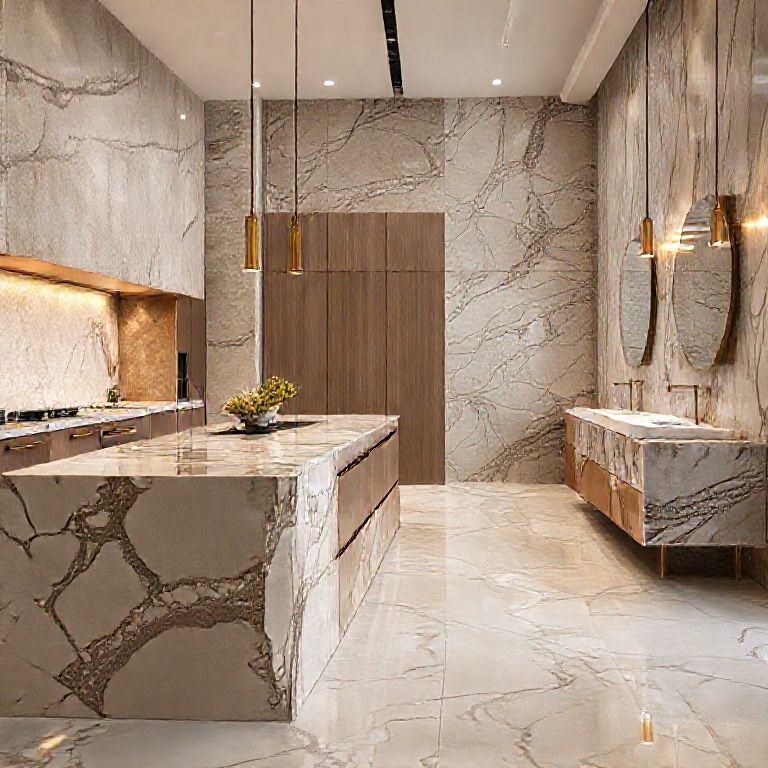
Quality Control: Ensuring Excellence
Every piece of engineered marble undergoes rigorous quality control checks to ensure that it meets the highest standards of craftsmanship and durability. This includes inspections for surface imperfections, color consistency, and structural integrity. Any material that fails to meet these stringent standards is either reworked or discarded, ensuring that only the finest products reach the market.
Environmental Considerations
In recent years, the engineered marble industry has also focused on sustainability and environmental responsibility. Manufacturers are adopting eco-friendly practices, such as using recycled materials and minimizing waste during production. Additionally, efforts are being made to reduce the environmental impact of the manufacturing process through energy-efficient practices and the use of non-toxic additives.
Conclusion
The journey from raw materials to the final polished piece of engineered marble is a testament to modern craftsmanship and technological innovation. Each step, from mixing and molding to curing and polishing, is carried out with precision and expertise to create a product that combines beauty, durability, and luxury. As we delve deeper into the fascinating world of engineered marble production, we will uncover even more about the intricate processes and techniques that make this material a true marvel of modern design.
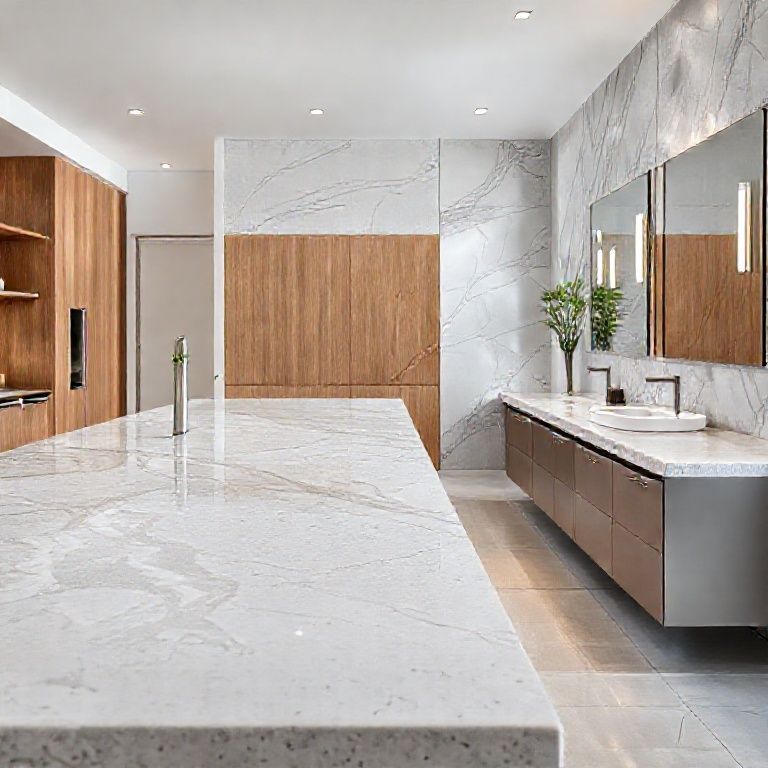
The Final Touches and Applications
Introduction
Welcome to the second part of our exploration into the exquisite craft of engineered marble production. Having journeyed through the initial stages of raw material selection, mixing, molding, curing, and cutting, we now turn our focus to the final touches and applications of engineered marble. This luxurious material finds its way into various high-end products, each requiring careful finishing and attention to detail to achieve the perfect balance of beauty and functionality.
Finishing Techniques: The Art of Perfection
The final stage in engineered marble production involves various finishing techniques that elevate the material to a level of perfection that mirrors the finest natural marble. These techniques include:
Polishing: Polishing is the process that gives engineered marble its iconic, mirror-like finish. This is achieved through the use of abrasives and polishing compounds, which are carefully applied to the surface to remove any imperfections and create a smooth, reflective finish. Polishing not only enhances the aesthetic appeal of the marble but also increases its durability and resistance to scratches and stains.
Buffing: Buffing is a complementary finishing technique that involves the use of finer abrasives to achieve an even smoother surface. This process is particularly important for high-gloss finishes, as it ensures that the marble has a flawless, mirror-like appearance that is both beautiful and functional.
Edge Finishing: Edge finishing involves smoothing and refining the edges of the engineered marble to prevent chipping and ensure a clean, professional look. Techniques such as chamfering (creating a beveled edge) and rounding (creating a gentle curve) are used to achieve precise and aesthetically pleasing edges.
Surface Treatments: Enhancing Durability and Aesthetics
In addition to polishing and buffing, engineered marble often undergoes various surface treatments to enhance its durability and aesthetic appeal. These treatments include:
Sealing: Sealing is a crucial step that protects the engineered marble from stains, scratches, and moisture. A high-quality sealer is applied to the surface, creating a protective barrier that helps maintain the marble’s appearance over time. Sealing is especially important for high-traffic areas where the marble is exposed to frequent use and potential damage.
Color Enhancement: To achieve specific color effects and patterns, color enhancement techniques are used. This may involve the application of specialized dyes or pigments to create unique color gradients and designs that mimic the natural beauty of marble. Color enhancement is particularly popular in the creation of custom countertops and tabletops.
Applications: Transforming Spaces with Engineered Marble
Engineered marble’s versatility and beauty make it an ideal choice for a wide range of applications, each requiring careful selection and finishing to achieve the desired results. Here are some of the most popular uses of engineered marble:
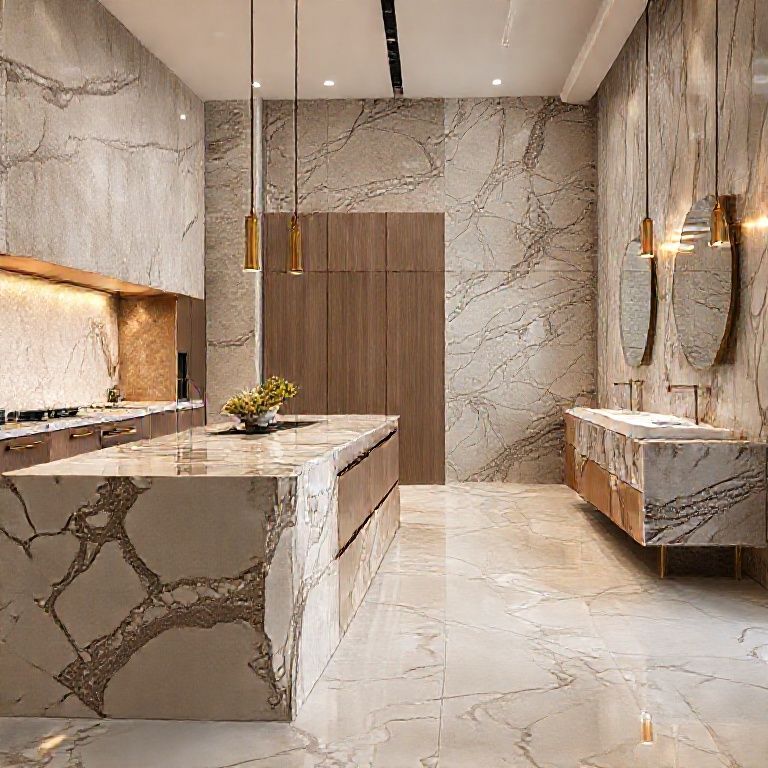
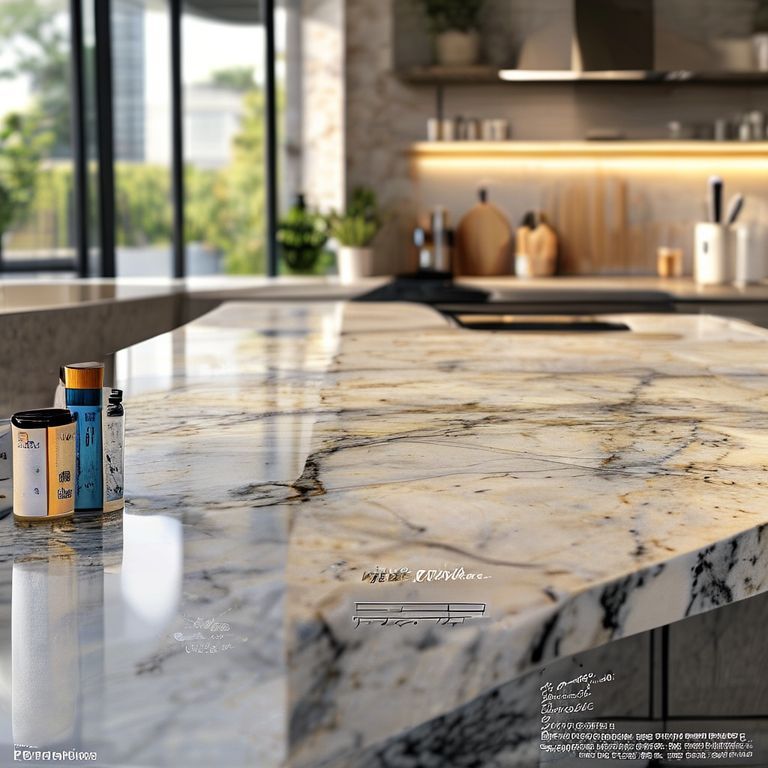
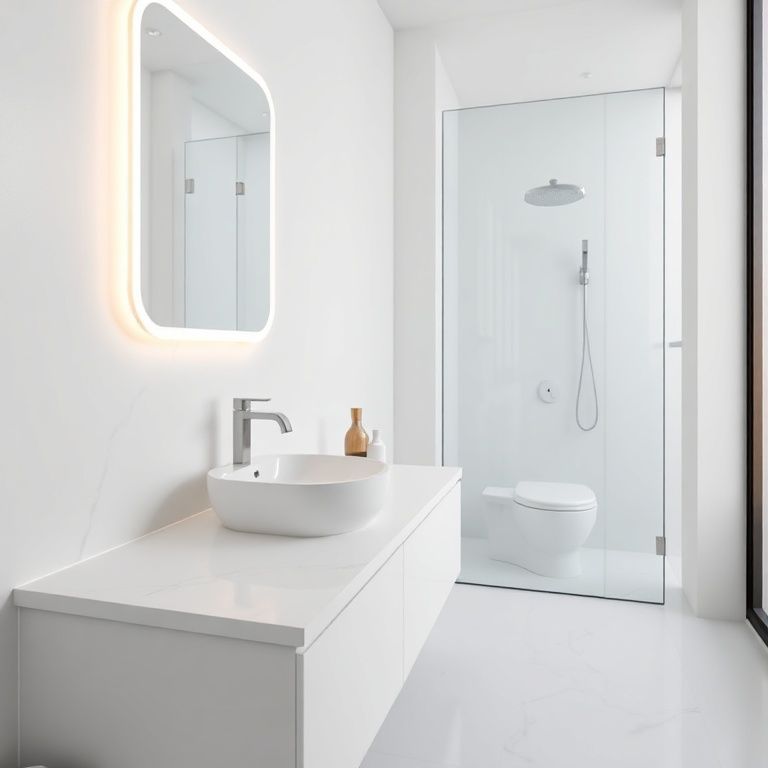
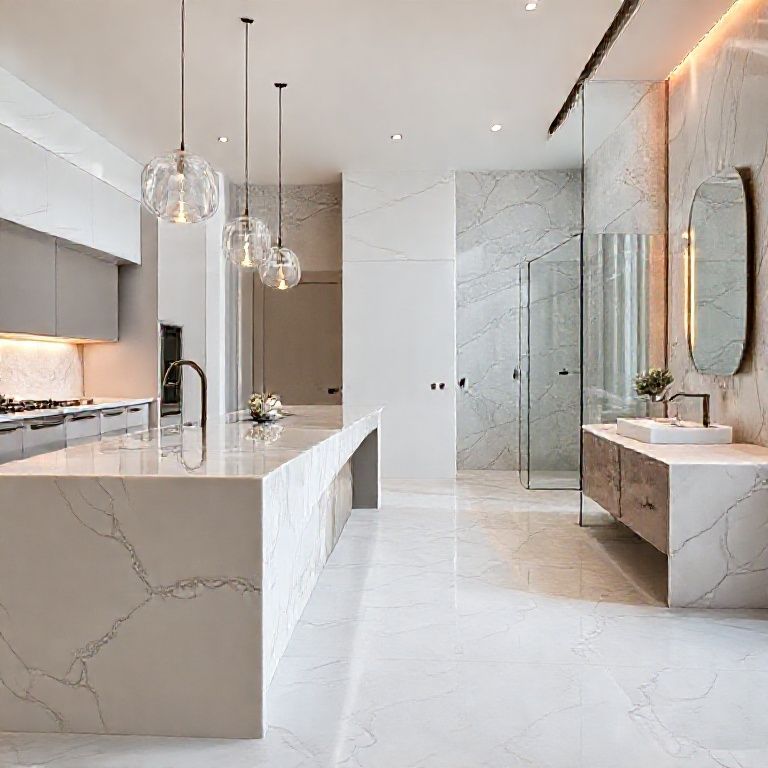
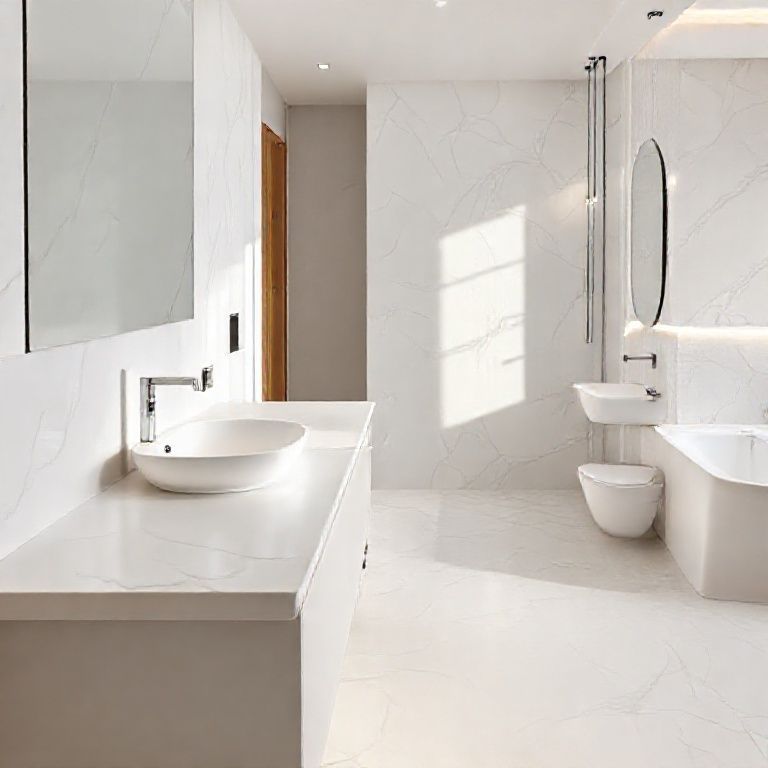
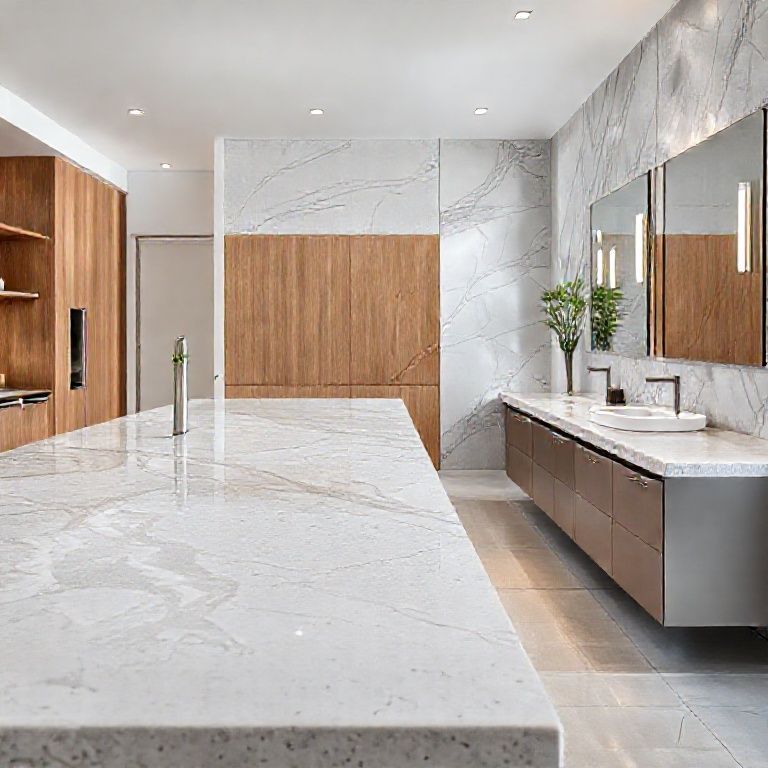
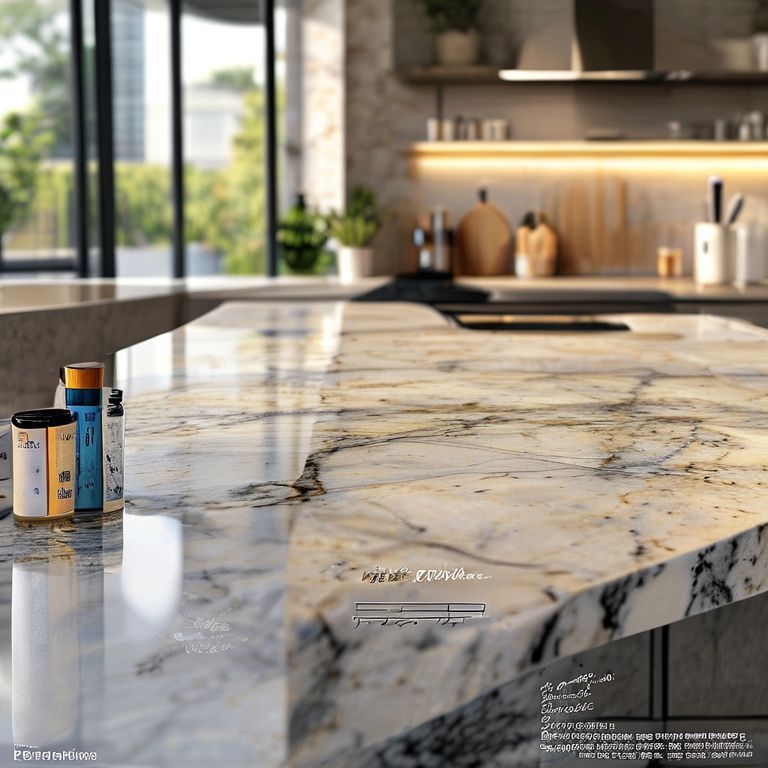
Countertops: Engineered marble countertops are a staple in modern kitchens and bathrooms. Their durability, combined with a wide range of colors and patterns, allows for endless design possibilities. Whether used for island countertops, kitchen backsplashes, or bathroom vanities, engineered marble adds elegance and sophistication to any space.
Tabletops: From dining tables to coffee tables, engineered marble tabletops offer a luxurious and durable surface that is perfect for both residential and commercial settings. The ability to create custom shapes and sizes makes engineered marble an excellent choice for unique and personalized furniture pieces.
Wall Panels: Engineered marble wall panels are used to add a touch of luxury and elegance to interior spaces. These panels can be used to create stunning features in living rooms, offices, and other areas, providing a beautiful and durable alternative to natural stone.
Sculptures and Decorative Items: Beyond functional applications, engineered marble is also used to create exquisite sculptures and decorative items. Artists and craftsmen use the material’s versatility to craft intricate designs, from small decorative pieces to large-scale sculptures.
Flooring: While less common than countertops and tabletops, engineered marble can also be used for flooring. Its durability and resistance to stains make it a suitable choice for high-traffic areas, although it is typically more commonly used in combination with other materials to create unique flooring designs.
Environmental and Sustainability Considerations
As the engineered marble industry continues to grow, so does the focus on environmental sustainability and responsible manufacturing practices. Manufacturers are increasingly adopting eco-friendly methods to minimize the environmental impact of their operations. This includes:
Recycling: The use of recycled materials in the production of engineered marble helps to reduce waste and conserve natural resources. By incorporating recycled materials, manufacturers can create high-quality products while minimizing the use of new raw materials.
Energy Efficiency: Modern production facilities are implementing energy-efficient technologies to reduce energy consumption during the manufacturing process. This includes the use of advanced machinery and processes that require less energy to produce high-quality engineered marble.
Non-Toxic Additives: The industry is also focusing on the development and use of non-toxic additives and sealants. This ensures that the finished products are safe for both the environment and the people who use them, without compromising on quality or performance.
Conclusion
The final touches and applications of engineered marble showcase the material’s versatility and the meticulous craftsmanship involved in its production. From countertops and tabletops to sculptures and wall panels, engineered marble continues to transform spaces with its beauty, durability, and luxury. As the industry advances, so does its commitment to sustainability and environmental responsibility, ensuring that this remarkable material继续:
Future Trends and Innovations in Engineered Marble Production
Introduction
As we look to the future, the world of engineered marble production is poised for exciting advancements and innovations. The industry is continuously evolving, driven by technological advancements, changing consumer preferences, and a growing emphasis on sustainability. This section explores the future trends and innovations that are shaping the path forward for engineered marble production.
1. Advanced Manufacturing Technologies
Automation and Robotics: The integration of automation and robotics in manufacturing processes is revolutionizing the production of engineered marble. Advanced robotics are being used for precise cutting, polishing, and finishing tasks, which not only increases efficiency but also ensures consistency and accuracy in every piece.
3D Printing: The advent of 3D printing technology is opening new possibilities in the engineered marble industry. By using specialized 3D printers, manufacturers can create complex shapes and designs that were previously impossible to achieve. This technology allows for greater customization and innovation in product design.
Smart Manufacturing: The concept of smart manufacturing involves the use of Internet of Things (IoT) devices, advanced analytics, and artificial intelligence (AI) to optimize production processes. Smart manufacturing systems can monitor and control every aspect of the manufacturing process, from material handling to quality control, ensuring optimal performance and minimal waste.
2. Sustainable Practices and Materials
Bio-Based Additives: The use of bio-based additives is becoming more prevalent in engineered marble production. These additives are derived from renewable sources and are designed to be more environmentally friendly compared to traditional chemical additives. This shift towards sustainable materials is in response to growing consumer demand for eco-friendly products.
Recycled Materials: Incorporating recycled materials into the production process is another key trend in sustainable manufacturing. This includes the use of recycled marble chips, glass, and other materials that can be repurposed to create high-quality engineered marble products.
Energy Efficiency: Future manufacturing facilities are focusing on achieving higher levels of energy efficiency. This includes the use of renewable energy sources, advanced insulation, and energy-efficient machinery to reduce the overall carbon footprint of the production process.
3. Customization and Personalization
Digital Design Tools: The integration of digital design tools is enabling manufacturers to offer greater customization and personalization in engineered marble products. Advanced software allows designers and customers to visualize and modify designs in real-time, leading to tailored products that meet specific aesthetic and functional requirements.
On-Demand Production: On-demand production is becoming more feasible with advancements in manufacturing technology. This allows manufacturers to produce engineered marble products based on specific customer orders, reducing inventory costs and minimizing waste.
4. Enhanced Aesthetic and Functional Properties
Nanotechnology: The use of nanotechnology in engineered marble production is leading to enhanced aesthetic and functional properties. Nanoparticles can be incorporated into the material to improve its color stability, scratch resistance, and overall durability.
Advanced Sealants: New advancements in sealant technology are providing enhanced protection for engineered marble products. These sealants offer superior resistance to stains, moisture, and chemicals, ensuring long-lasting performance and appearance.
5. Industry Collaboration and Research
Collaborative Research: Collaboration between manufacturers, researchers, and academic institutions is driving innovation in the engineered marble industry. Joint research projects are focused on developing new materials, processes, and technologies that push the boundaries of what is possible in engineered marble production.
Standardization Efforts: Efforts to standardize manufacturing processes and quality standards are underway to ensure consistency and reliability in engineered marble products. Standardization helps to build trust with consumers and facilitates the global trade of engineered marble.
Conclusion
The future of engineered marble production is filled with promise and innovation. Advanced manufacturing technologies, sustainable practices, greater customization, and enhanced aesthetic and functional properties are shaping the path forward. As the industry continues to evolve, it will remain at the forefront of craftsmanship and technological advancement, delivering exquisite and durable engineered marble products that meet the needs of a dynamic and environmentally conscious world.
Engineered marble’s journey from raw materials to finished products is a testament to human ingenuity and the relentless pursuit of perfection. As we move forward, the continued evolution of this remarkable material will undoubtedly inspire and transform countless spaces with its timeless beauty and enduring quality.