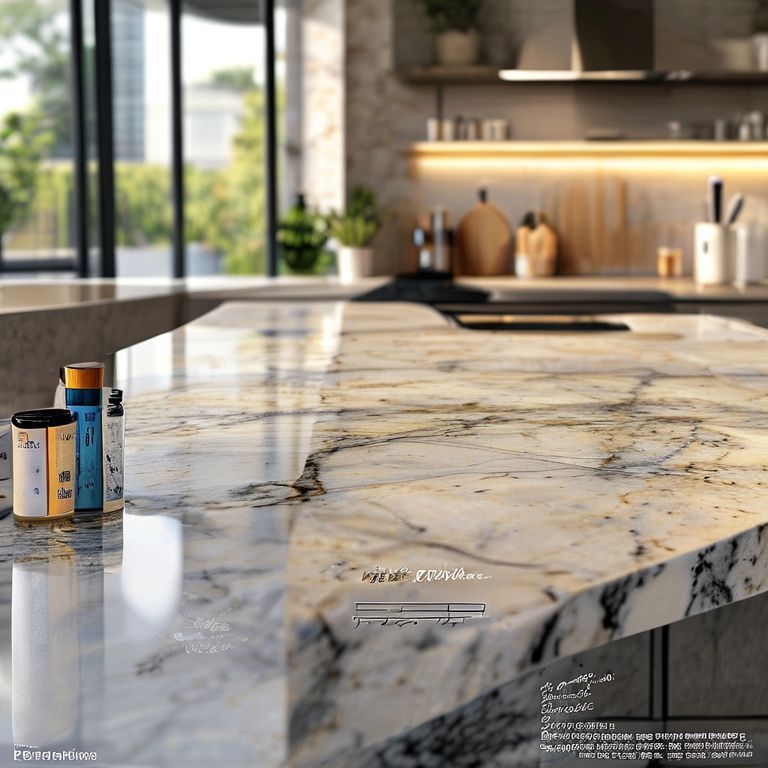
The Timeless Allure of Marble
Marble has long been celebrated for its stunning beauty and versatility, making it a popular choice for luxury interiors worldwide. The question “大理石单价多少” (how much does marble cost per unit) often arises when homeowners, designers, and businesses consider incorporating this exquisite material into their projects. This article will guide you through the intricate world of marble pricing, providing insights into the various factors that influence the cost of this timeless stone.

Understanding Marble: Varieties and Qualities
Marble is a metamorphic rock composed primarily of recrystallized carbonate minerals, predominantly calcite or dolomite. Its beauty lies in its unique patterns, colors, and textures, which are a result of its natural formation process. There are several types of marble, each with distinct characteristics that influence its price:
Italian Marble: Known for its refined and elegant appearance, Italian marble varieties like Carrara and Botticino are among the most coveted. These marbles are prized for their fine grains and smooth finishes.
Indian Marble: India is a leading producer of marble, offering a wide range of colors and patterns. Marbles like Rajasthan Red, Imperial White, and Emperador Black are popular choices for both domestic and international markets.
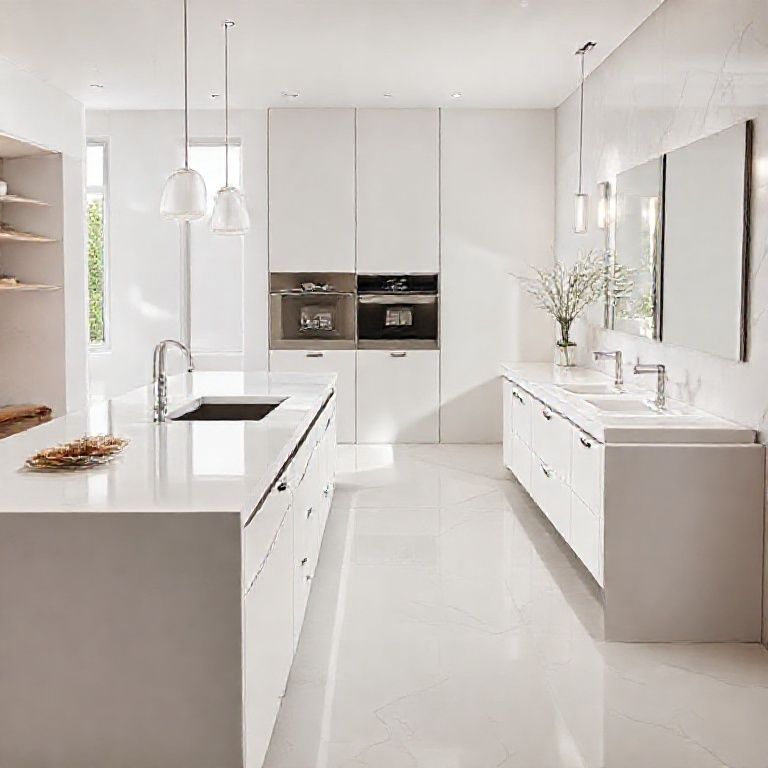
Turkish Marble: Turkish marble, such as Beypazari and Afshar, is renowned for its unique veining and color variations, making it a favorite for intricate designs.
French and Spanish Marble: These marbles, including varieties like Bretagne and Macael, are celebrated for their distinctive colors and textures.
Factors Influencing Marble Pricing
When considering “大理石单价多少,” several factors come into play that determine the cost of marble:
Quality and Grade: Marble quality is often assessed based on its color, texture, and uniformity. Higher quality marble with fewer veins and inclusions typically commands a higher price.
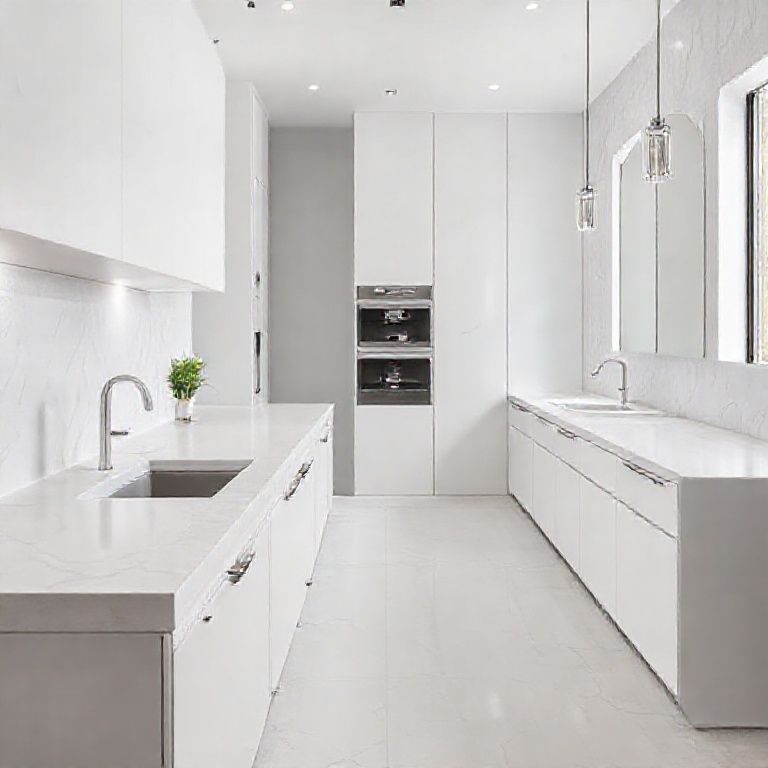
Type and Origin: Different marble types and origins have varying price ranges. For instance, marbles from Italy and Turkey tend to be more expensive compared to those from India and China due to their reputation and craftsmanship.
Thickness and Size: The thickness and size of marble slabs affect the cost. Thicker slabs with larger dimensions are usually more expensive due to the higher volume of material required.
Processing and Finishing: Marble requires significant processing and finishing to achieve its desired look. Techniques such as polishing, sawing, and grinding add to the overall cost. Higher-quality finishes typically result in higher prices.
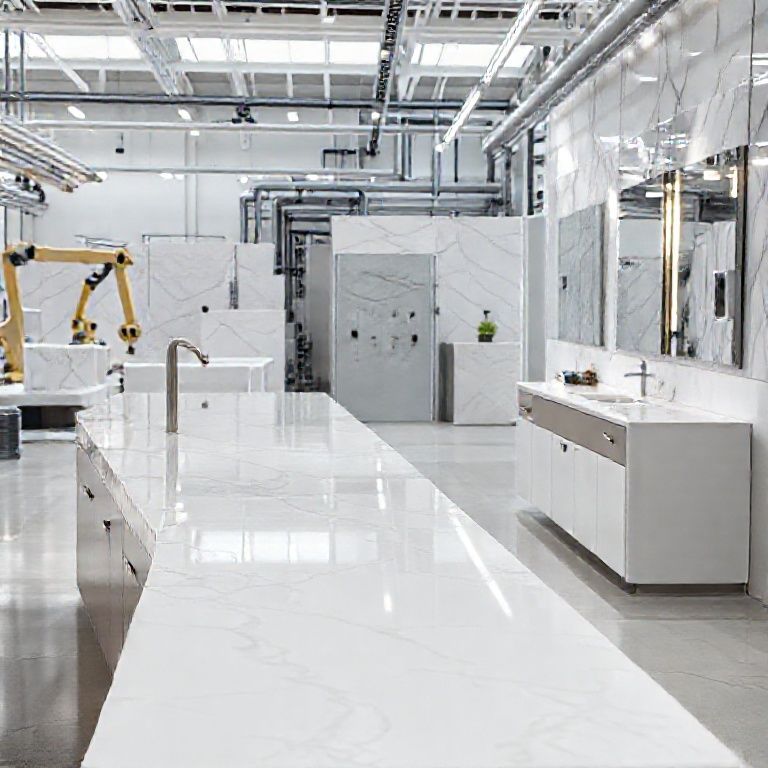
Customization and Design: Custom designs and intricate patterns require additional time and expertise, leading to increased costs. Marble that is cut and shaped to specific dimensions or used in unique architectural features will have a higher price.
Transportation and Installation: The cost of transporting marble from its origin to the project site, as well as the expenses related to installation and maintenance, also contribute to the overall price.
Applications of Marble in Modern Design
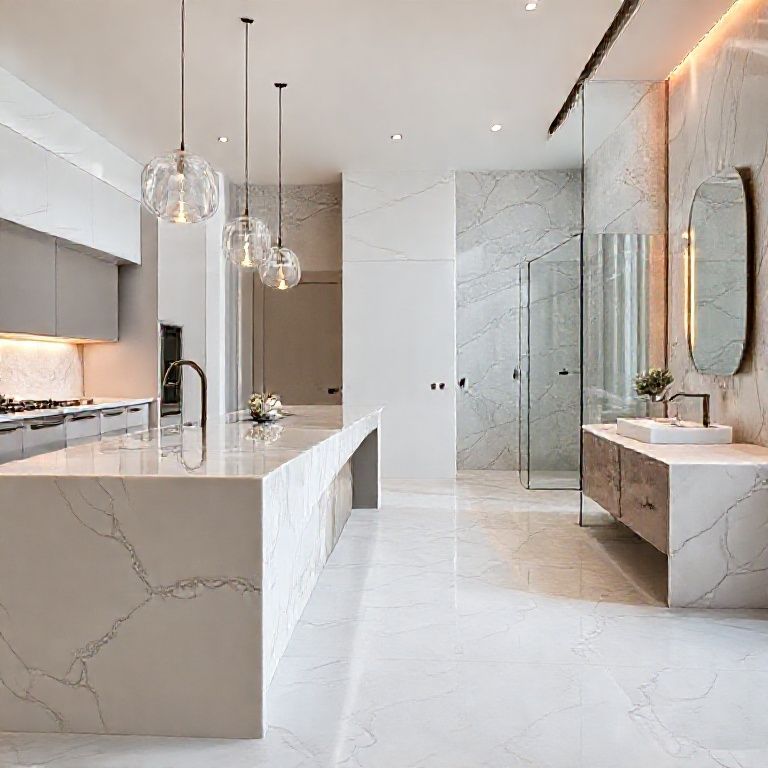
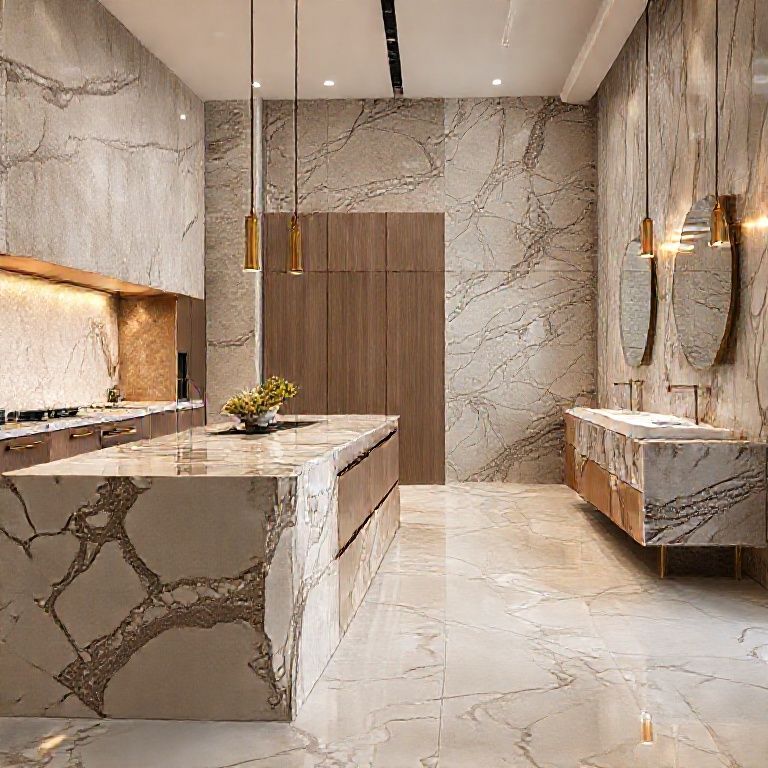
Marble’s versatility allows it to be used in a variety of applications, from flooring and countertops to sculptures and architectural elements. Here are some of the most common uses of marble in contemporary design:
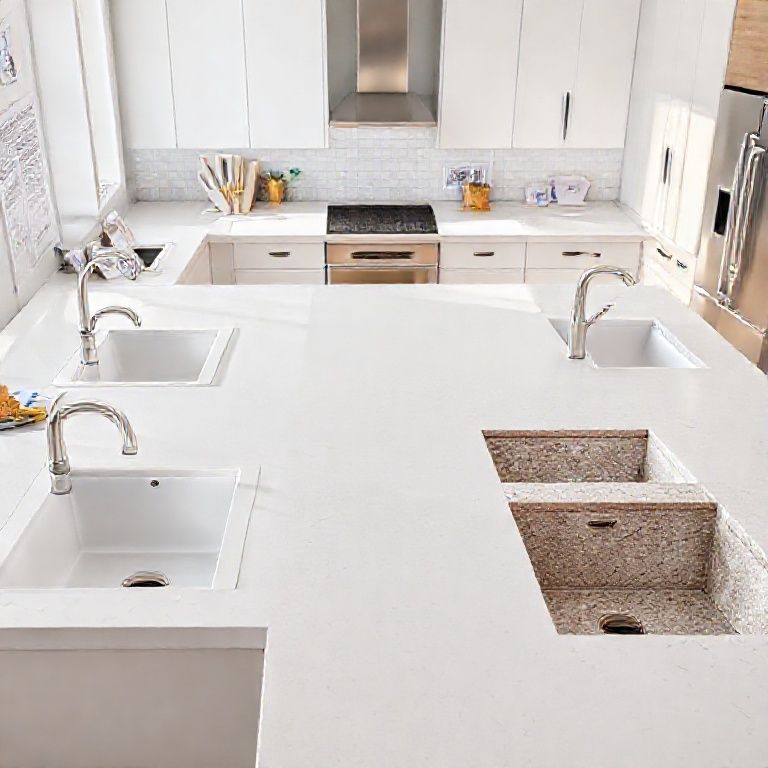
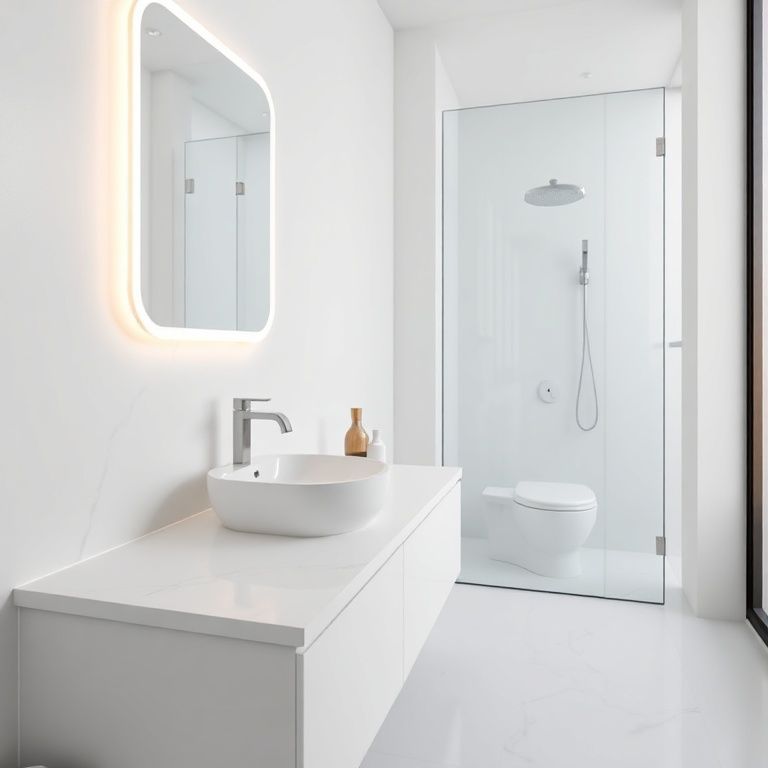
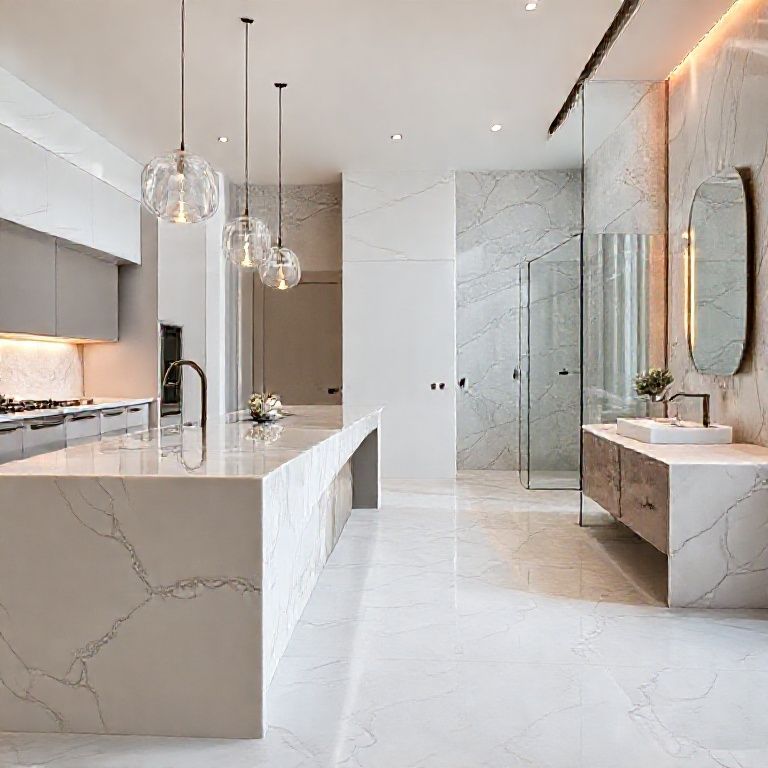
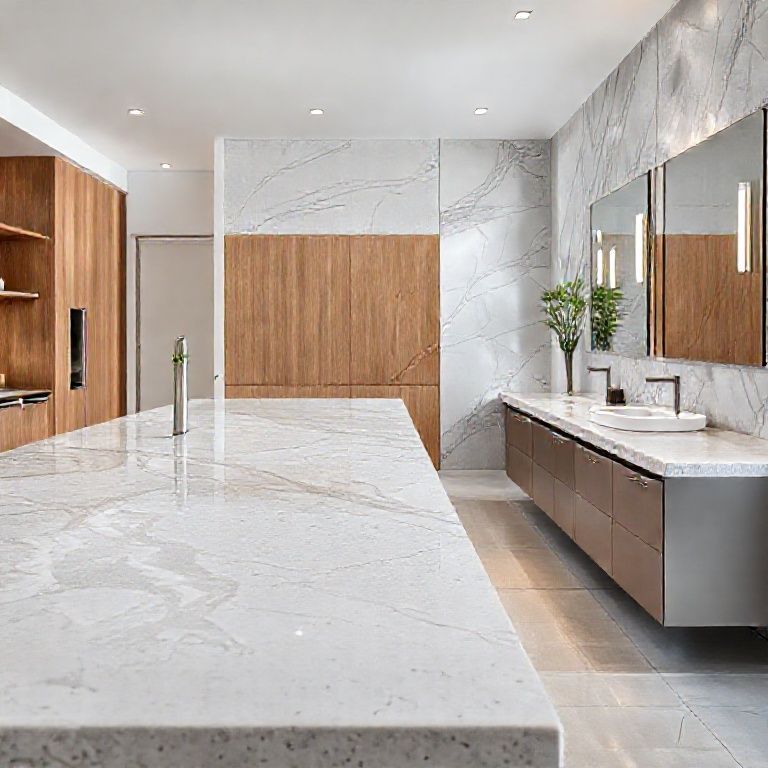
Countertops: Marble countertops are a popular choice for kitchens and bathrooms due to their elegant appearance and durability. They add a touch of luxury and sophistication to any space.
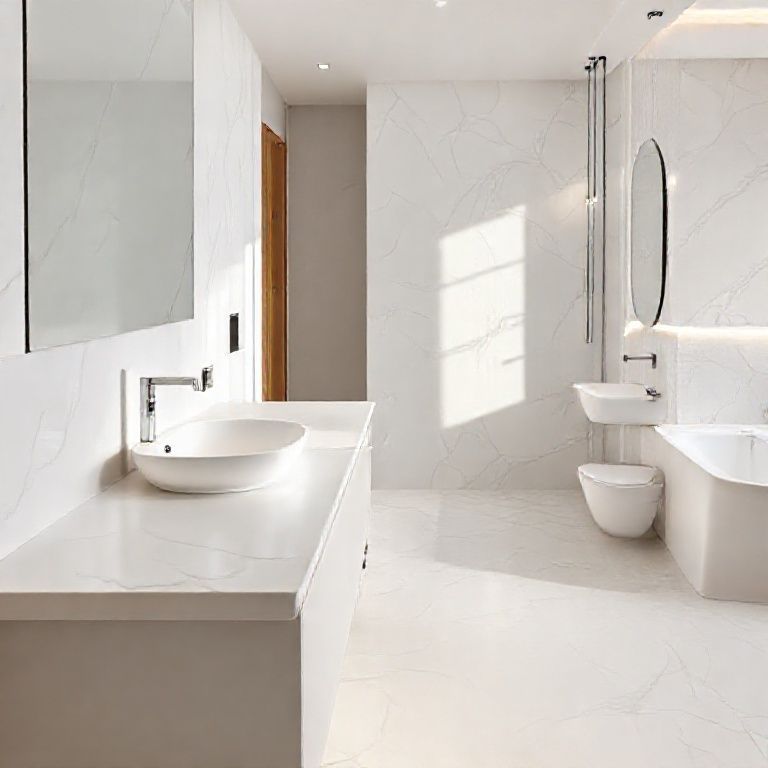
Flooring: Marble flooring provides a classic and timeless look that enhances the aesthetic appeal of homes and commercial spaces. It is durable and easy to maintain, making it a preferred choice for many.
Backsplashes: Marble backsplashes are an excellent way to add a unique and stylish touch to kitchen and bathroom walls. Their natural patterns and colors can complement various design styles.
Tabletops: Marble tabletops are perfect for dining tables, coffee tables, and side tables. They offer a unique and refined look that adds elegance to any room.
Wall Cladding: Marble cladding is often used for walls in both residential and commercial spaces to create a luxurious and sophisticated ambiance. It adds texture and depth to architectural designs.
Sculptures and Art: Marble is also prized for its use in sculptures and other artistic creations. Its beauty and versatility make it a favorite material for sculptors and artists.
Conclusion
Understanding the cost of marble (“大理石单价多少”) involves considering a multitude of factors that contribute to its overall price. From the type and quality of the marble to its specific application and design requirements, each element plays a role in determining the final cost. As a timeless and luxurious material, marble continues to be a favored choice for those seeking to enhance their interiors with its beauty and elegance. In the next part of this article, we will delve deeper into the cost implications of marble and provide detailed insights into budgeting for marble projects.
Detailed Insights into Marble Pricing and Budgeting
In this second part of our exploration into the cost of marble (“大理石单价多少”), we will provide a detailed analysis of the various cost implications associated with marble. We will also offer practical tips on budgeting for marble projects, ensuring that you can make informed decisions when incorporating this exquisite material into your design plans.
Cost Implications of Marble
Understanding the cost of marble involves examining several key components that contribute to its overall price:
Material Cost: The cost of raw marble slabs is the primary component of the total price. This cost varies significantly based on the type, quality, and origin of the marble. High-grade marbles from renowned regions like Italy or Turkey are typically more expensive than those from other parts of the world.
Processing Costs: Marble requires several processing steps, including cutting, sawing, polishing, and finishing. These processes add to the overall cost. Higher-quality finishes and intricate cuts will incur additional expenses.
Transportation Costs: Marble is a heavy and often large material, which means that transportation costs can be significant, especially when shipping internationally. The distance from the marble’s origin to the project site directly impacts these costs.
Installation Costs: The cost of installing marble can vary based on the complexity of the project. Factors such as the size of the area to be covered, the type of subfloor, and the need for specialized equipment all influence installation costs. Professional installation is usually more expensive than DIY methods but ensures a better finish and longer-lasting results.
Customization and Design Fees: Custom designs, intricate patterns, and special cuts require additional time and expertise. These customizations often lead to higher costs, as skilled artisans are needed to achieve the desired results.
Budgeting for Marble Projects
When budgeting for a marble project, it’s essential to consider all the factors that contribute to the overall cost. Here are some practical tips to help you plan effectively:
Define Your Budget: Establish a clear budget for your marble project, taking into account all potential costs, including material, processing, transportation, installation, and any customization fees.
Research Different Marble Types: Compare the costs of different marble types and origins. While high-quality marbles like Italian or Turkish varieties may be more expensive, they offer superior aesthetics and durability.
Consider the Scale of the Project: The size and scope of your project will significantly impact the overall cost. Larger projects with more extensive marble usage will naturally incur higher expenses.
Plan for Hidden Costs: Include a buffer in your budget to account for unexpected costs such as additional processing, unforeseen design changes, or installation challenges.
Get Multiple Quotes: Obtain quotes from multiple suppliers and contractors to compare prices and services. This will help you identify the best value for your budget.
Quality vs. Cost: While it may be tempting to opt for the cheapest option, investing in high-quality marble can lead to better long-term results. Quality marble tends to last longer and maintain its beauty over time, reducing the need for frequent replacements.
Examples of Marble Pricing
To provide a clearer understanding of marble pricing, here are some examples based on different applications and types:
Countertops: For a standard kitchen countertop, the cost can range from $50 to $300 per square foot, depending on the type of marble and its quality. High-end Italian marble can cost upwards of $300 per square foot.
Flooring: Marble flooring typically ranges from $20 to $100 per square foot, with high-end varieties costing more. Custom designs and intricate patterns can drive the cost higher.
Backsplashes: A marble backsplash can cost between $30 to $200 per square foot, depending on the complexity and design. Custom cuts and intricate patterns will increase the price.
Tabletops: For marble tabletops, prices can range from $100 to $500 per square foot, depending on the type of marble and the complexity of the design.
Conclusion
在这里,我们将继续探讨如何有效地管理和预算大理石项目,以及如何最大化其美学和功能价值。
选择合适的供应商
查看口碑和评价:通过在线评论、社交媒体和客户推荐了解供应商的信誉和质量。 要求样品:与供应商讨论并获取样品,以便您可以在做最终决定前亲身体验材料的质量和外观。 了解他们的供应链:了解供应商从何处获得大理石,这可以帮助您评估其质量和价格的可靠性。
设计与定制
专业设计师的帮助:请专业设计师帮助您规划和设计大理石应用,以确保最佳的美学效果和功能性。 个性化定制:根据您的特定需求进行定制,如特殊形状、颜色和图案,这可以显著提升项目的独特性和价值。 考虑耐用性:选择经过处理或防污处理的大理石,以延长其使用寿命并减少维护成本。
维护与保养
大理石虽然美观且耐用,但需要适当的保养以保持其光泽和外观:
定期清洁:使用中性清洁剂和软布定期清洁大理石表面,避免使用酸性或强碱性清洁剂。 立即处理溢出物:大理石容易吸收液体,因此任何溢出物应立即清除,以防止永久性污渍。 定期保养:使用专门的大理石保养产品,如抛光剂和密封剂,以保护表面并增强其光泽。
环保与可持续性
越来越多的人关注环保和可持续性,因此选择环保和可持续的大理石供应链也是一个重要的考虑因素:
本地采购:尽量选择本地供应商,这不仅可以减少运输成本,还能减少碳足迹。 再生大理石:考虑使用再生或回收的大理石,这不仅环保,还可以提供独特的设计效果。 认证材料:选择通过环保认证的材料,以确保其生产过程符合环保标准。
总结
在大理石项目中,了解”大理石单价多少”不仅仅是关于价格,更涉及到材料选择、设计、定制、保养和环保等多个方面。通过仔细规划和选择合适的供应商,您可以确保获得高质量的大理石,并最大化其美学和功能价值。无论是用于厨房橱柜、浴室墙面,还是豪华的地板和家具,大理石都能为您的项目增添无与伦比的优雅和经久耐用。