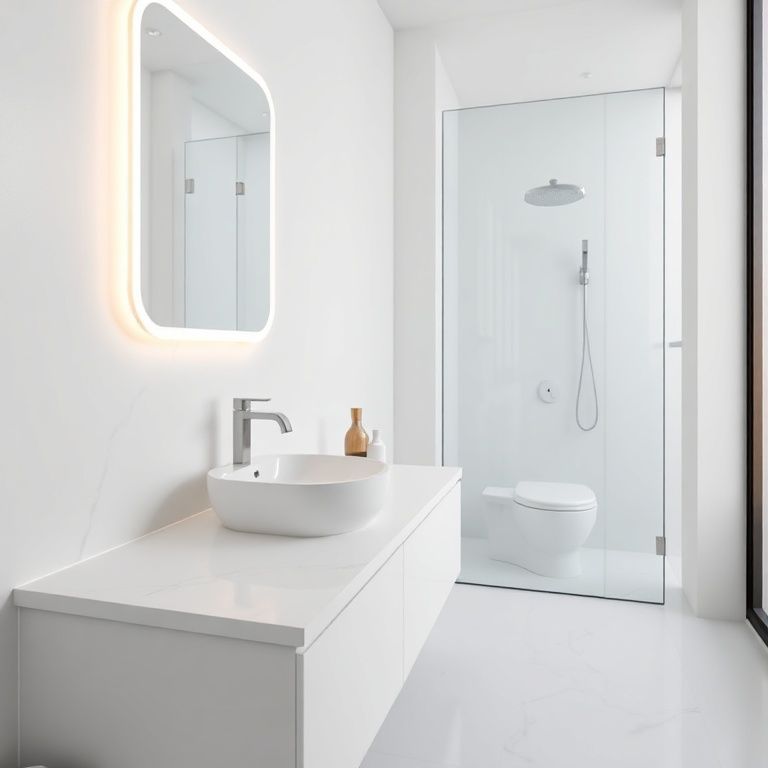
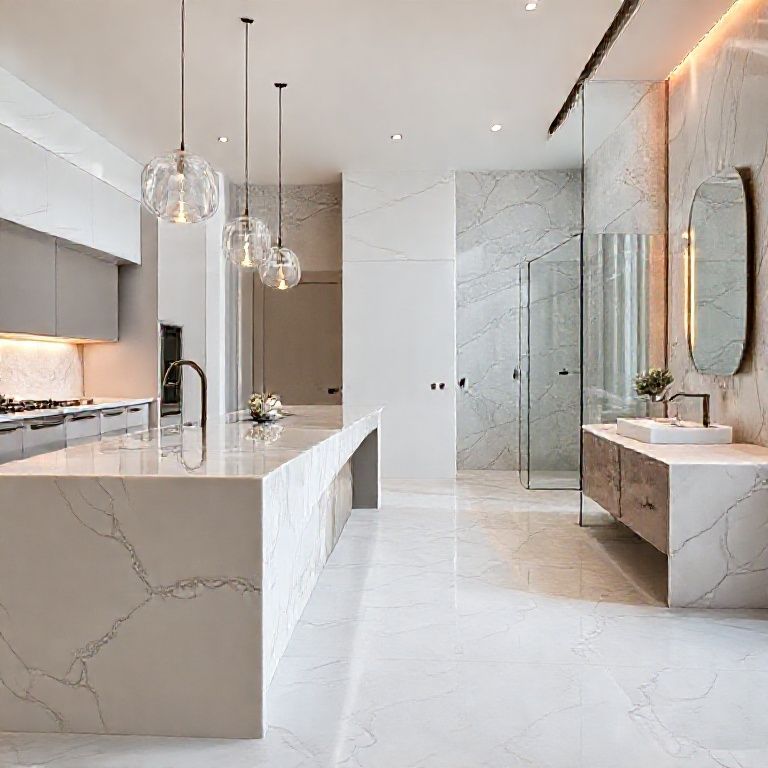
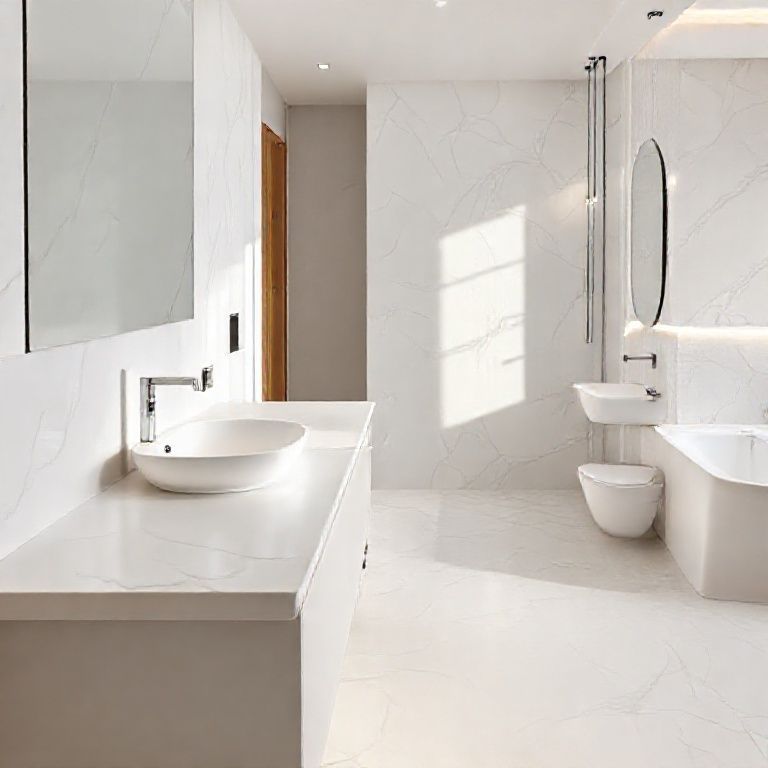
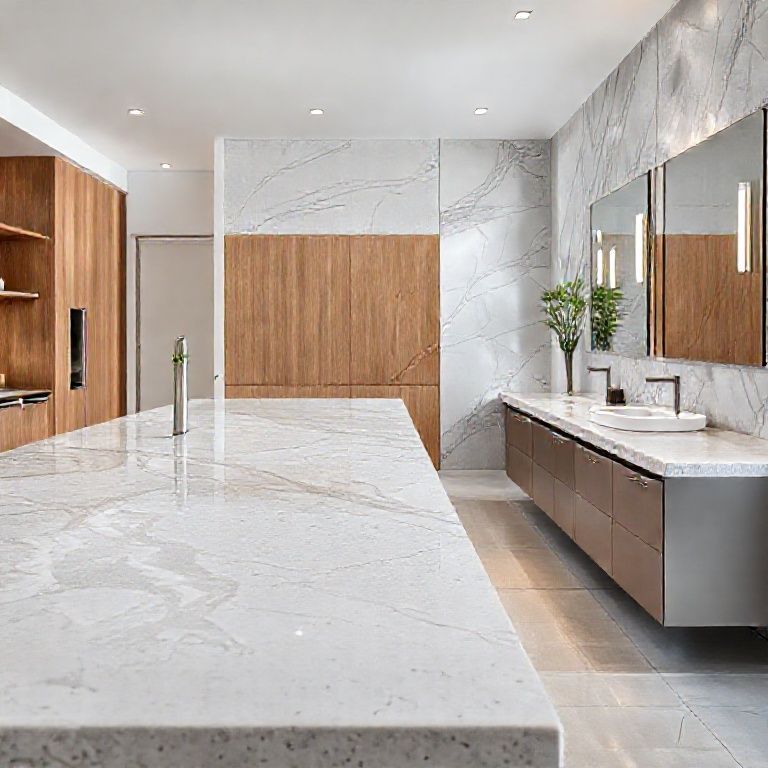
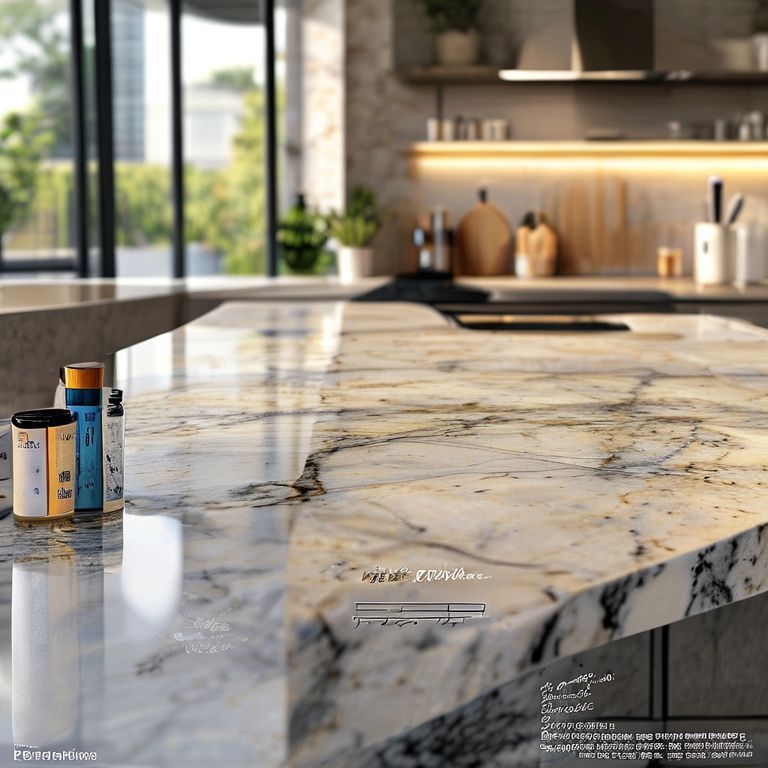
In the realm of luxury and craftsmanship, marble stands as a testament to elegance and timeless beauty. The question that often surfaces is, “How much does marble cost per gram?” To answer this question, we must first understand the intricate tapestry that makes up the cost of this exquisite material.

The Essence of Marble:
Marble is a metamorphic rock that has captured the imagination of architects, designers, and connoisseurs for centuries. It is formed from the metamorphosis of limestone, primarily under heat and pressure. This transformation endows marble with its characteristic beauty and durability. Marble’s appeal lies not just in its visual allure but also in its versatility. It can be sculpted into intricate designs, from grand statues to elegant countertops, and its smooth texture provides a tactile pleasure.
Factors Influencing Marble’s Price:
The cost of marble is influenced by a multitude of factors, each contributing to its overall value. Let’s explore these factors to understand why marble remains a coveted material.
Type and Quality: Marble comes in a variety of types, each with its unique characteristics. The most renowned marbles are Carrara from Italy, which is celebrated for its pure whiteness and fine grain; and the opulent Brazilian marbles, known for their rich colors and striking patterns. The quality of marble is determined by its grain, color, and the presence of veins or inclusions. Higher quality marble, with fewer impurities and more refined patterns, commands a higher price.
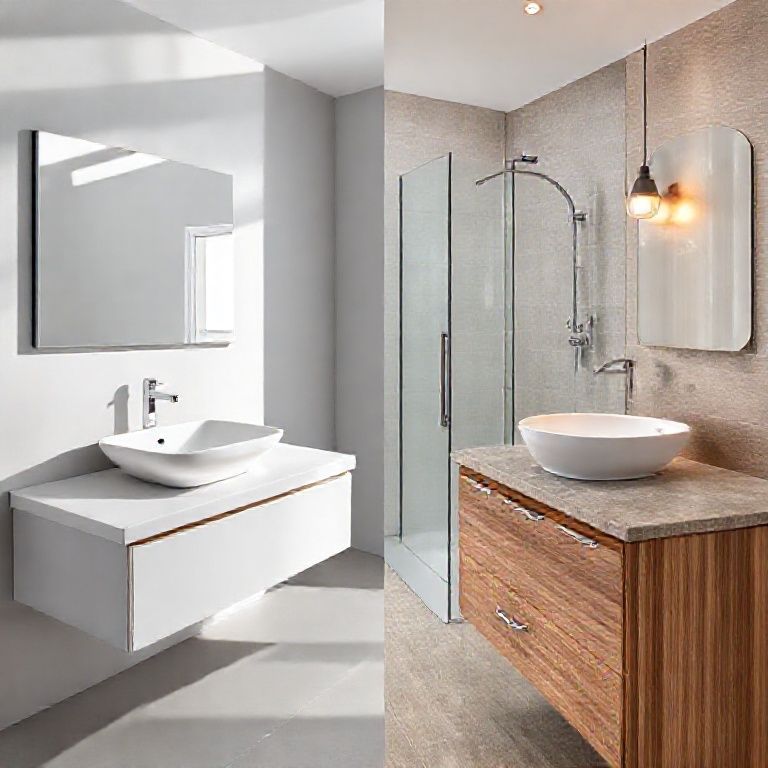
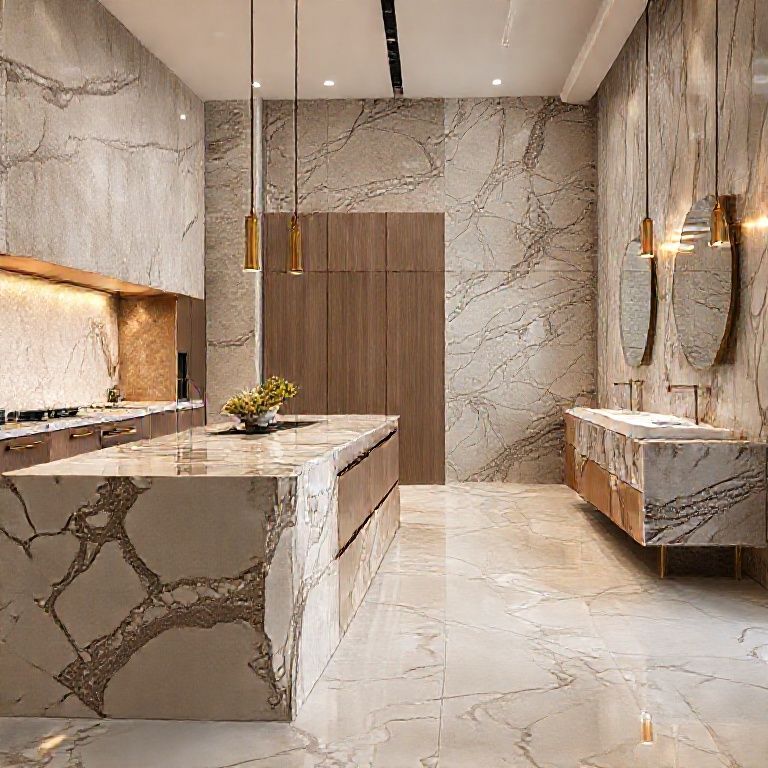
Color and Pattern: The beauty of marble is not just in its texture but also in its color and pattern. Marbles with unique and intricate veining or striking color variations are more valuable. The rarer the color and pattern, the more expensive the marble becomes. For instance, marbles with deep, rich hues or those featuring rare and unique patterns often fetch higher prices.
Processing and Carving: The process of transforming raw marble into finished products involves meticulous craftsmanship. Skilled artisans and advanced technology are required to carve and shape marble into the desired forms. The complexity of the design and the level of detail required in the carving process directly impact the cost. Marble that requires intricate carvings or detailed sculptures will naturally have a higher price.
Location and Source: The geographical origin of marble plays a significant role in its price. Marble from certain regions is highly prized due to its quality and aesthetic appeal. For instance, marble from the Italian Alps or the quarries in Turkey is often more expensive than marble from less renowned sources. The distance and logistics involved in transporting marble also add to its cost.
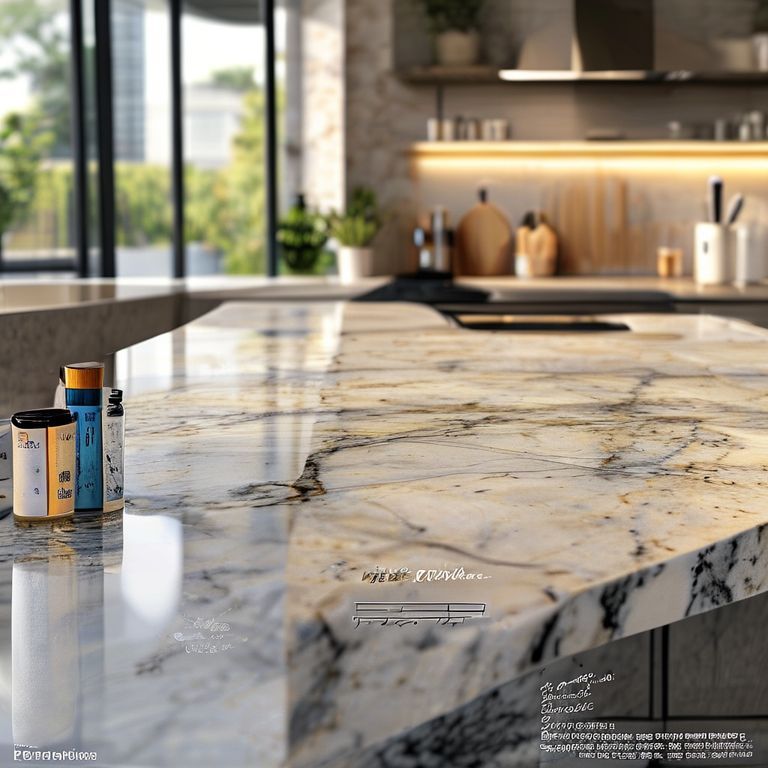
Market Demand: Market trends and demand significantly influence the price of marble. High demand for certain types of marble, often driven by popular trends in architecture and design, can lead to price increases. Conversely, a decrease in demand can result in lower prices.
The Journey to Value:
Understanding the cost of marble per gram requires delving into the journey from quarry to finished product. Marble begins its life in a quarry where it is extracted and then transported to processing facilities. Here, it undergoes cutting, polishing, and carving to achieve the desired form and finish. Each step in this process adds to the overall cost.
When we talk about the price per gram, we are referring to the raw material before it undergoes any transformation. Marble in its raw form is a dense, high-quality material that holds immense value. The price per gram can vary significantly based on the type of marble and its source. For instance, premium marbles like those from Carrara might cost several dollars per gram, while more common varieties might be priced at a fraction of that.
The Cost of Luxury:
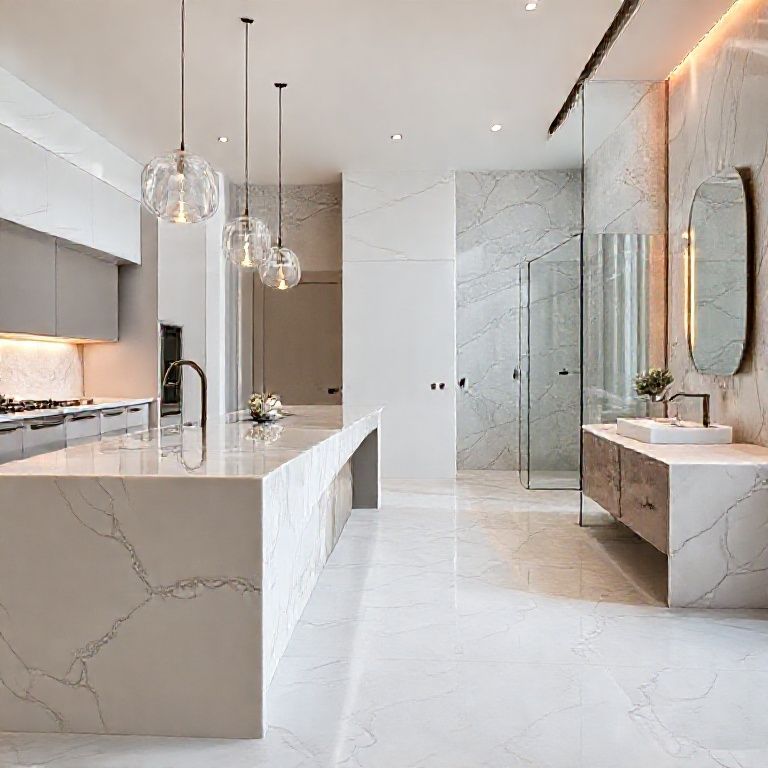
Marble is often associated with luxury and opulence. Its use in high-end construction projects, exclusive homes, and prestigious public buildings underscores its status as a symbol of wealth and taste. The cost of marble is a reflection of its rarity, beauty, and the craftsmanship involved in working with this material. When designers and architects choose marble for their projects, they are not just selecting a material but investing in a legacy of elegance and sophistication.
Conclusion:
In Part 1, we’ve explored the multifaceted factors that determine the cost of marble per gram. From the type and quality of marble to its color, processing, and market demand, each element contributes to the overall price. The journey of marble from quarry to finished product is a testament to its value and the craftsmanship involved. As we move into Part 2, we will continue to unravel the mysteries of marble, diving deeper into its cultural significance and the enduring allure that makes it a material of choice for the elite.
In Part 1, we embarked on a journey through the factors that influence the cost of marble per gram, exploring its qualities, processing, and the craftsmanship behind its creation. Now, in Part 2, we will continue to unravel the mysteries of marble, delving into its cultural significance, historical use, and the contemporary trends that shape its market.
Cultural Significance:
Marble has been a material of choice for millennia, revered in cultures across the globe for its beauty and durability. From ancient civilizations to modern architecture, marble has played a pivotal role in shaping the aesthetic and functional aspects of human spaces.
Ancient Civilizations: The ancient Greeks and Romans were among the first to recognize and utilize the beauty of marble. The Greeks used it to create some of the most iconic sculptures in history, such as the statues of Athena and Apollo. Roman architects incorporated marble into their grandiose structures, including the Pantheon and the Colosseum. Marble’s ability to be carved into intricate designs made it a favorite for sculptures and architectural elements.
Renaissance and Beyond: The Renaissance period saw a resurgence in the use of marble, particularly in Italy. This era produced masterpieces like Michelangelo’s David and the Pietà, both carved from Carrara marble. The material’s enduring popularity continued through the Baroque and Neoclassical periods, with architects like Bernini and Palladio using marble to create stunning works of art and architecture.
Modern Usage: In contemporary times, marble remains a favored material for both residential and commercial projects. Its timeless appeal continues to make it a staple in high-end interiors, from luxury homes to prestigious office buildings. Marble’s versatility allows it to blend seamlessly with various design styles, from minimalist to opulent.
Historical Use:
Marble has a storied history of use in various contexts, from religious to royal and from everyday to extraordinary.
Religious Structures: Marble has been used extensively in religious buildings around the world. The Hagia Sophia in Istanbul, with its stunning marble columns, and the Basilica of Saint Peter in Vatican City are just two examples of how marble has been used to create sacred spaces. Its durability and beauty make it an ideal choice for churches, temples, and mosques.
Royal Palaces: Throughout history, marble has been used to adorn royal palaces and residences. The grandeur of palaces like the Palace of Versailles in France and the Alhambra in Spain is in part due to the extensive use of marble. Marble’s luxurious appearance made it a symbol of royal power and opulence.
Public Buildings: Marble’s enduring quality and aesthetic appeal have made it a popular choice for public buildings. From government buildings to museums and libraries, marble has been used to create spaces that exude a sense of importance and permanence.
Contemporary Trends:
In today’s world, marble continues to be a material of choice for architects, designers, and homeowners alike. Its timeless beauty and versatility make it a popular choice for both new constructions and renovations.
Sustainable Practices: As sustainability becomes a more significant concern, the marble industry is adapting by implementing more environmentally friendly practices. This includes the use of recycled marble and more efficient quarrying and processing methods. Sustainable practices not only help preserve the environment but also ensure the continued availability of this exquisite material.
Innovation in Design: Contemporary architects and designers are pushing the boundaries of what can be achieved with marble. Innovations in design include the use of marble in three-dimensional installations, interactive art pieces, and even in technology-driven projects. The material’s versatility allows it to be incorporated into modern, cutting-edge designs.
Customization and Personalization: Today’s market demands more customization and personalization. Marble is no exception. Custom marble tiles, unique color variations, and定制化的设计使得这种传统材料在现代空间中焕发出新的生命。
客户可以选择不同的颜色、纹理和尺寸,以满足他们独特的设计需求。这种个性化的服务不仅提升了项目的独特性,还增加了项目的整体价值。
经济与投资价值:
耐用性与长寿命: 大理石的耐用性使其成为长期投资的理想选择。其高抗冲击性和耐腐蚀性使其能够在高流量区域保持外观和功能,从而减少了频繁更换的成本。这种持久性不仅提升了项目的经济效益,还增加了其长期价值。
升值潜力: 由于大理石的永恒魅力和对高端市场的需求,其使用于高端建筑和装饰项目中的潜力巨大。随着时间的推移,这些项目通常会升值,因为大理石的珍贵性和独特性不断增加。
环境影响与可持续性:
尽管大理石的使用带来了许多好处,但其开采和加工过程也对环境产生了影响。因此,采用可持续的采石和加工方法变得尤为重要。一些矿区已经采取了环保措施,如水循环利用、废物管理和植被恢复,以减少对环境的负面影响。
未来展望:
绿色建筑材料的发展: 随着环保意识的提高,未来大理石行业可能会看到更多关于如何减少其环境足迹的创新。例如,通过开发低碳足迹的大理石或利用回收材料来制造新的大理石产品。
技术进步: 先进的加工技术将继续推动大理石的应用范围。例如,3D打印技术可能会使得大理石在未来的建筑设计中扮演更加重要的角色,创造出更加复杂和精美的设计。
市场需求的变化: 随着全球化的进程和不同文化对美学的融合,大理石的市场需求将继续演变。例如,亚洲市场的增长可能会带来新的设计趋势,这些趋势将进一步影响大理石的全球供应链和市场动态。
大理石作为一种历史悠久且永恒魅力的建筑材料,其价值和应用前景将继续受到多方面因素的影响。无论是在传统的建筑领域还是在新兴的设计趋势中,大理石都将继续展现其独特的美学和功能特点。