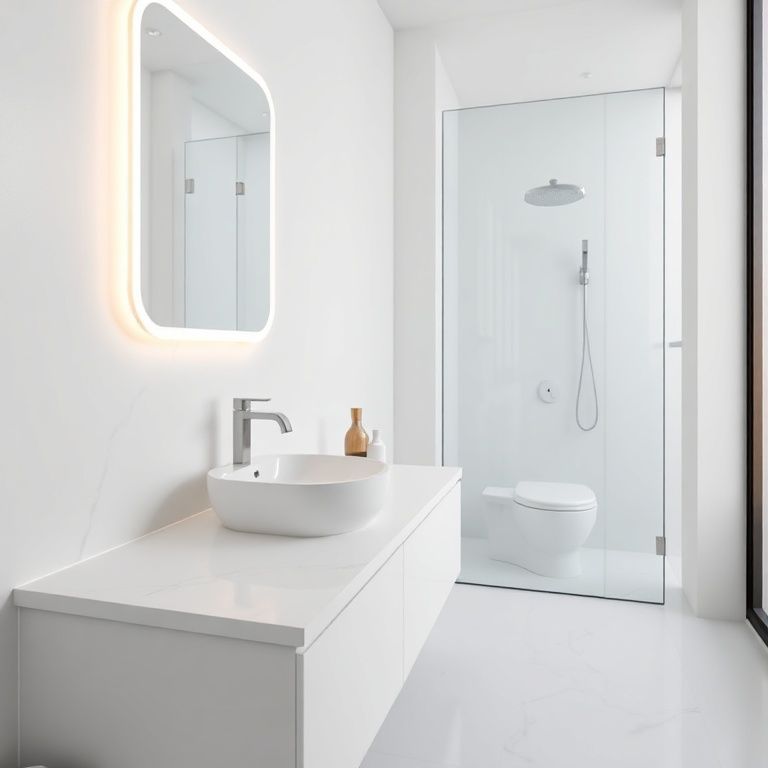
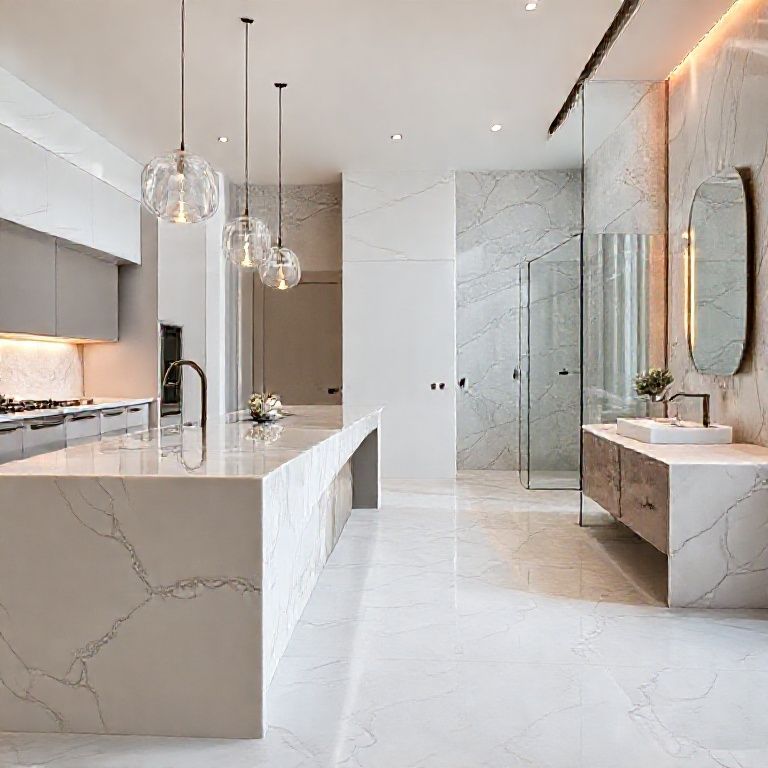
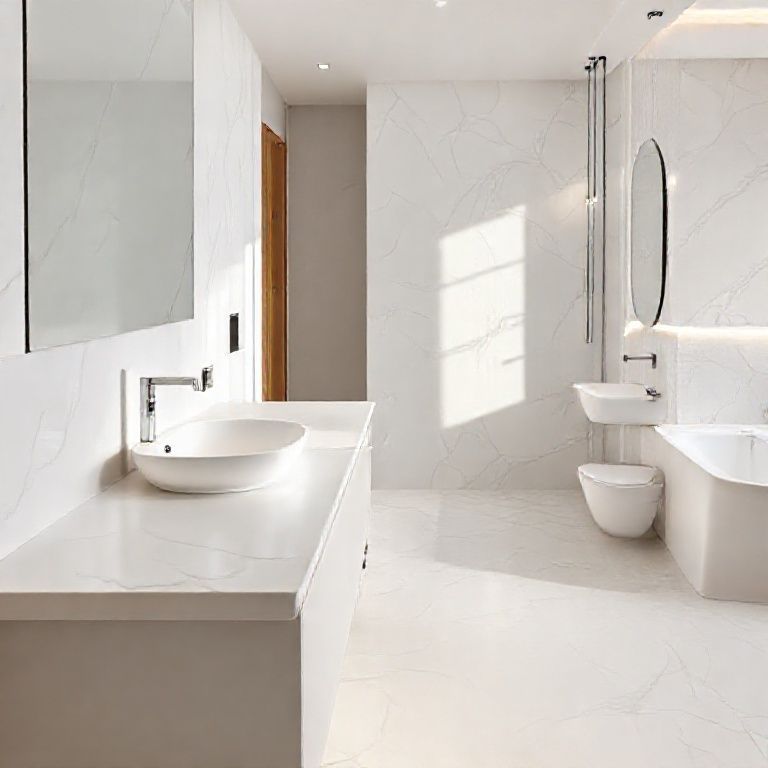
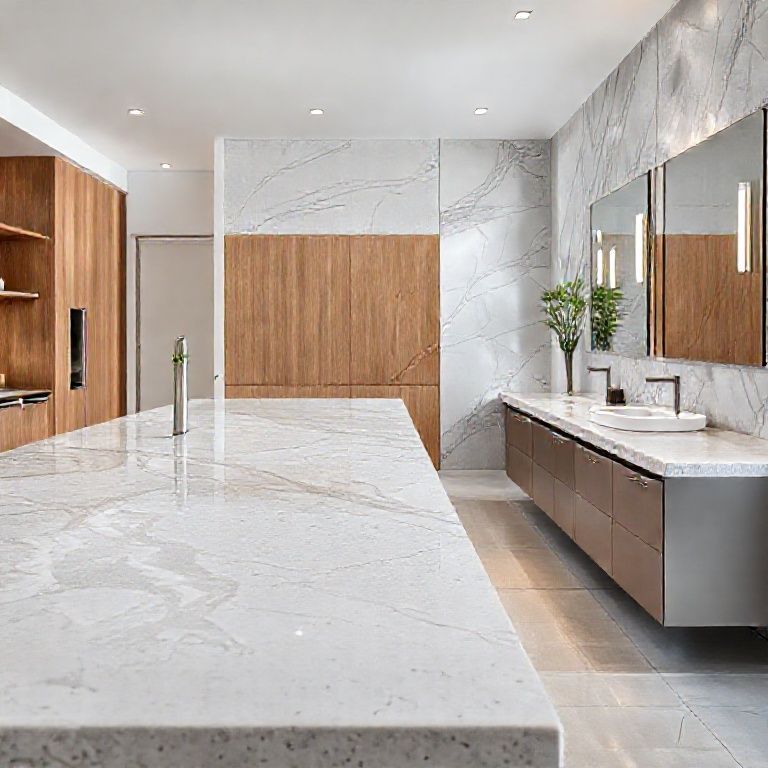
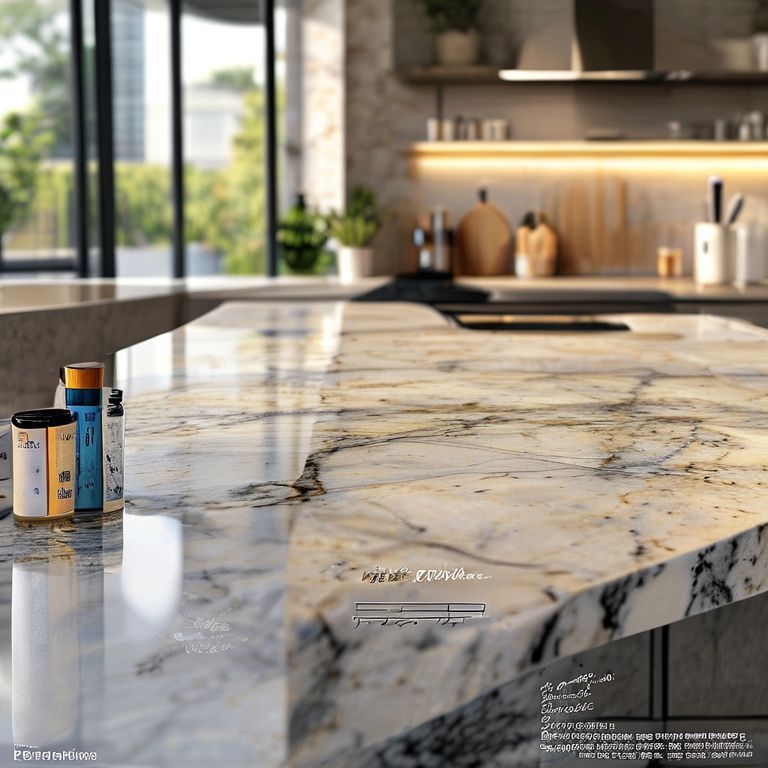
Dive into the world of artificial marble and discover the fascinating techniques behind its creation. From its luxurious aesthetics to its versatile applications, learn about the meticulous process of producing this modern marvel. In this comprehensive exploration, we will unravel the secrets of artificial marble, highlighting its unique benefits and the artistry involved in its production.

artificial marble, marble production, stone fabrication, modern marble, synthetic stone, luxury flooring, durable materials, innovative techniques, advanced manufacturing
Part 1
The Exquisite Craft of Artificial Marble: Unveiling the Techniques Behind Its Creation
Artificial marble, also known as synthetic stone, has revolutionized the world of luxury and durability in interior design. This sophisticated material combines the timeless elegance of natural marble with the practical benefits of modern technology. In this first part of our deep dive, we will explore the intricate processes and advanced techniques involved in the creation of artificial marble.
The Genesis of Artificial Marble
The concept of artificial marble dates back several decades, but it has only recently reached the pinnacle of sophistication and popularity. The journey from raw materials to a finished product involves multiple stages, each requiring precision and expertise. The primary aim is to mimic the natural beauty and durability of traditional marble while incorporating advanced materials that enhance its functionality.
Raw Materials and Composition
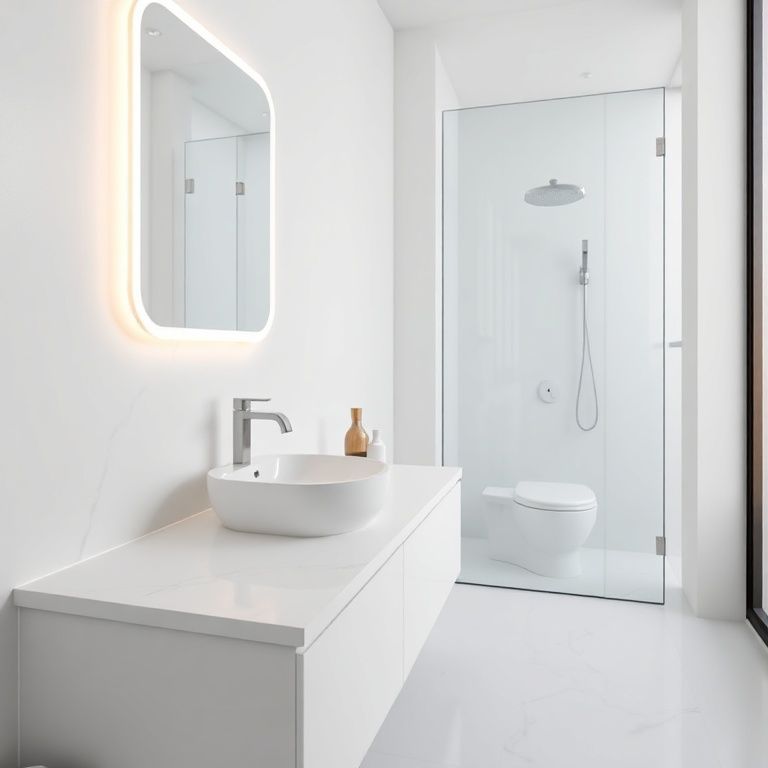
The foundation of artificial marble lies in its raw materials. Unlike natural marble, which is formed over millions of years through geological processes, artificial marble is a composite material. It typically consists of a mixture of acrylic resins, pigments, and a variety of fillers such as calcium carbonate, silica, and other minerals. These components are carefully selected and combined to achieve the desired aesthetic and structural properties.
The Mixing and Molding Process
The production of artificial marble begins with the meticulous mixing of its raw components. High-quality acrylic resins form the base, providing the material with its characteristic strength and flexibility. Pigments are then added to create a spectrum of colors, from classic marble hues to innovative designs. The mixing process is critical, ensuring that each particle is uniformly distributed to avoid any color inconsistencies in the final product.
Once the mixture is prepared, it is poured into molds that replicate the desired shapes and patterns. The molds are usually made from steel or other durable materials and are designed to achieve intricate designs with precision. The material is then subjected to a curing process, which involves heating to a specific temperature to allow the resin to bond with the fillers. This step is crucial in developing the stone’s hardness and durability.
Curing and Finishing
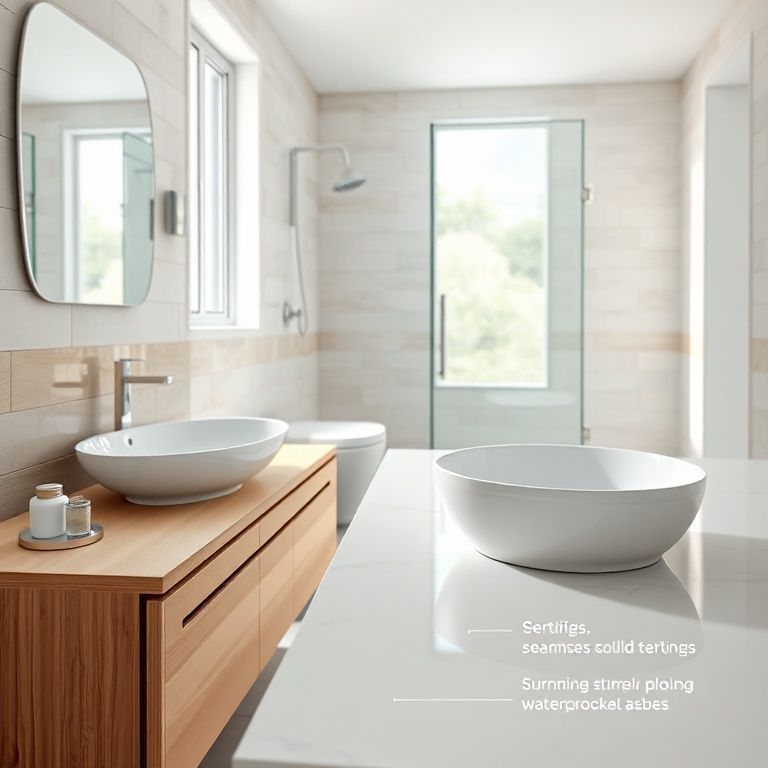
After molding, the artificial marble undergoes a curing process. This step involves controlled heating and cooling to ensure that the material hardens uniformly and achieves the desired texture. The curing process also helps to eliminate any air bubbles or voids that could compromise the stone’s integrity.
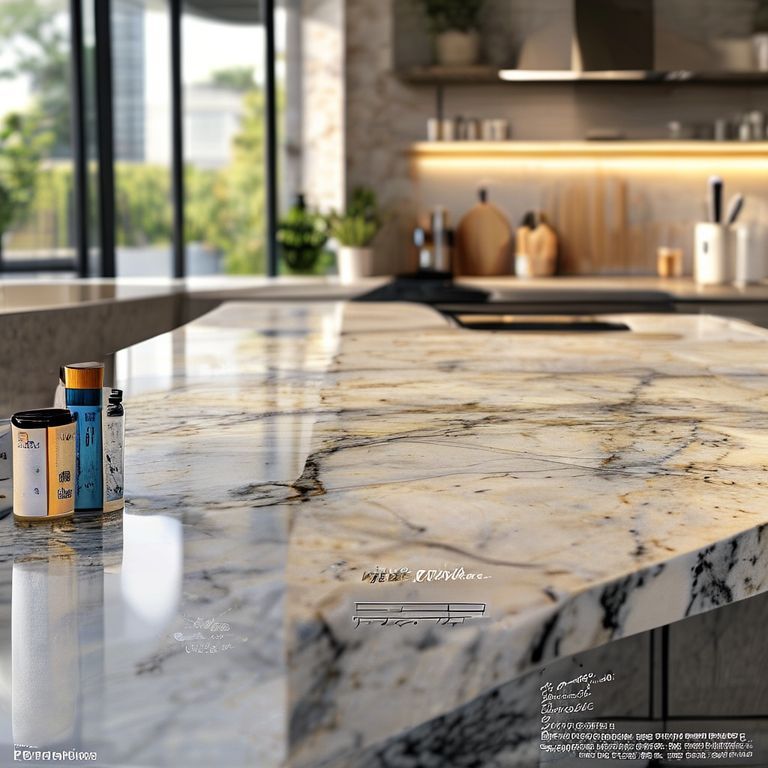
Once cured, the artificial marble slabs are trimmed and polished to perfection. This stage involves grinding and sanding to achieve a smooth surface, followed by polishing to enhance the material’s glossy finish. The finishing process is where the artificial marble truly comes to life, showcasing its beautiful, lifelike appearance.
Benefits and Applications
Artificial marble’s appeal lies in its numerous benefits and versatile applications. One of the most significant advantages is its durability. Unlike natural marble, which can be prone to scratches, chips, and stains, artificial marble is highly resistant to these damages. It maintains its pristine appearance over time, requiring minimal maintenance.
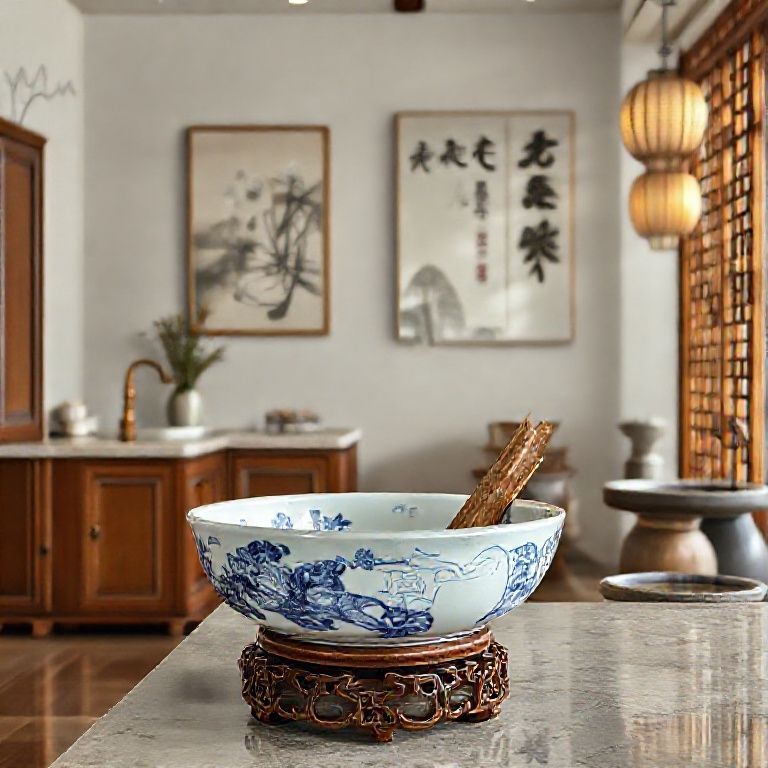
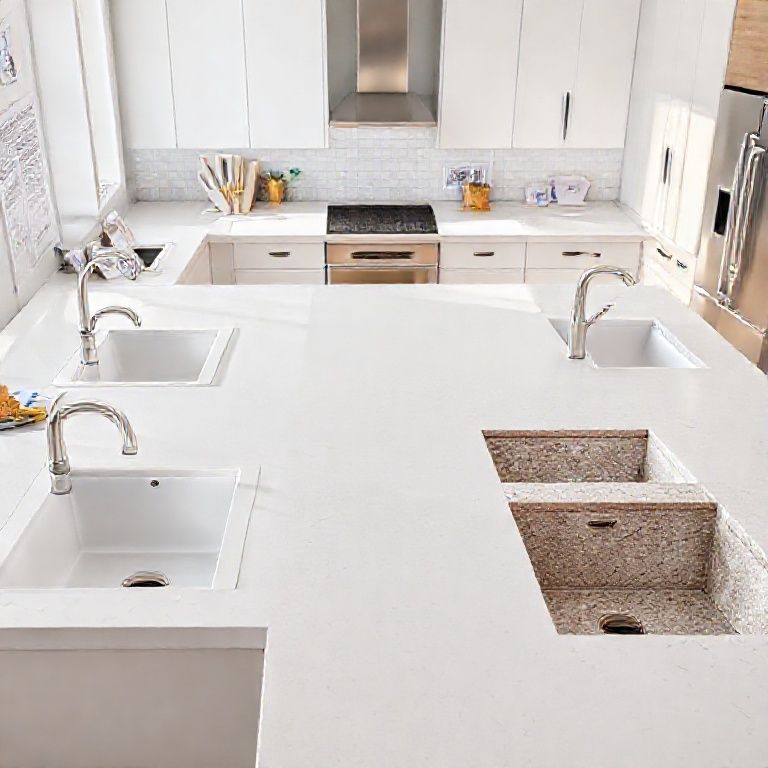
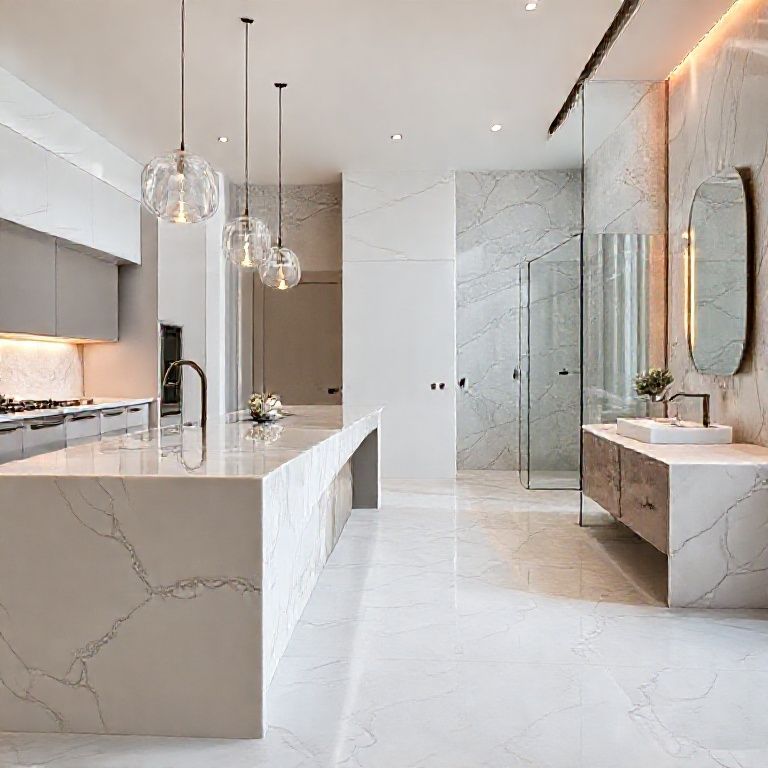
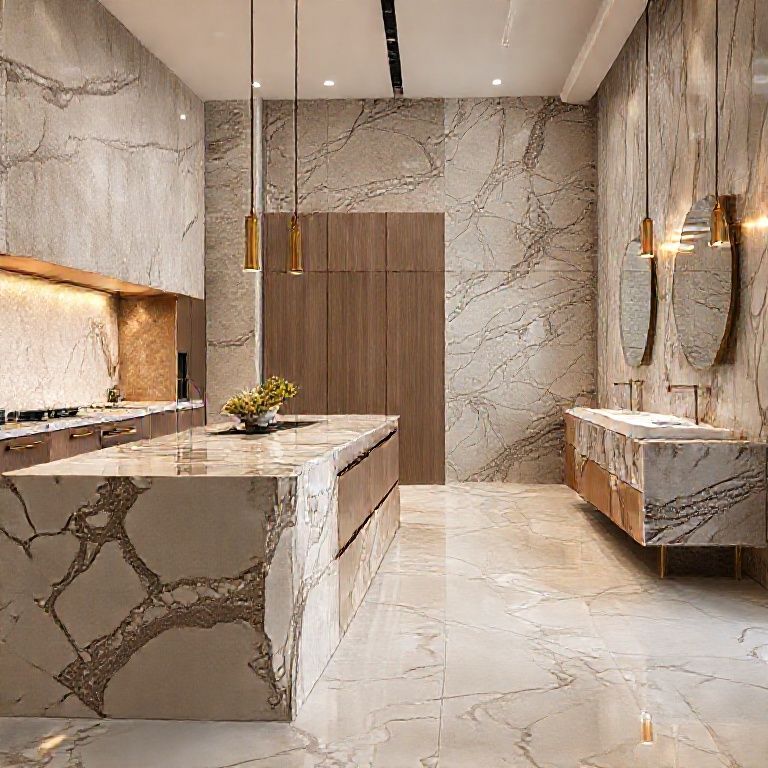
The applications of artificial marble are vast and varied. It is commonly used in countertops, sinks, bathtubs, and decorative elements in both residential and commercial spaces. Its versatility allows designers to create unique and customized designs that would be challenging to achieve with natural stone.
Environmental and Economic Benefits
Artificial marble also offers substantial environmental and economic benefits. It reduces the demand for natural marble, thus conserving natural resources and minimizing the environmental impact associated with quarrying and mining. Additionally, the production of artificial marble can be more cost-effective compared to natural stone, making it an attractive option for budget-conscious designers and homeowners.
Conclusion to Part 1
In conclusion, the creation of artificial marble is a sophisticated and intricate process that combines advanced technology with artistry. From the selection of raw materials to the meticulous finishing touches, each stage is designed to produce a material that rivals the beauty and durability of natural marble while offering numerous practical benefits. As we continue our exploration in the next part, we will delve deeper into the innovative techniques and future trends shaping the world of artificial marble.
Part 2
The Exquisite Craft of Artificial Marble: Unveiling the Techniques Behind Its Creation
In the second part of our exploration, we will continue to uncover the fascinating world of artificial marble. We will delve deeper into the innovative techniques and future trends that are shaping the production of this remarkable material. Additionally, we will highlight its growing popularity and the transformative impact it has on the design and construction industries.
Advanced Manufacturing Techniques
The production of artificial marble has seen significant advancements in manufacturing techniques, enhancing both the quality and efficiency of the process. One of the most notable innovations is the use of high-precision machinery and computer-aided design (CAD) systems. These tools allow for precise control over the mixing, molding, and curing processes, resulting in slabs with impeccable uniformity and detail.
Another advanced technique is the use of nanotechnology in the formulation of artificial marble. Nanomaterials can be incorporated into the resin mixture to enhance the stone’s strength, durability, and resistance to environmental factors such as UV radiation and moisture. This technology is pushing the boundaries of what artificial marble can achieve, creating materials that are nearly indistinguishable from natural stone.
Customization and Design Flexibility
One of the most exciting aspects of artificial marble is its unparalleled customization and design flexibility. Unlike natural stone, which is limited by its natural variations, artificial marble allows for a virtually limitless range of colors, patterns, and textures. Designers can create bespoke designs that meet specific aesthetic requirements and functional needs.
Advanced printing technologies, such as 3D printing, are also being integrated into the production of artificial marble. This allows for the creation of highly detailed and complex designs that would be challenging to achieve with traditional manufacturing methods. The ability to customize every aspect of the material’s appearance and structure opens up a world of creative possibilities for designers and architects.
Sustainability and Future Trends
Sustainability is a critical consideration in modern manufacturing, and artificial marble is no exception. As awareness of environmental impact grows, the production processes for artificial marble are becoming increasingly eco-friendly. Manufacturers are exploring ways to reduce energy consumption, minimize waste, and utilize recycled materials in the production of artificial marble.
Future trends in the industry are pointing towards even greater sustainability and innovation. For example, researchers are investigating the use of bio-based materials and renewable resources in the formulation of artificial marble. This could lead to the development of eco-friendly materials that maintain the aesthetic and functional qualities of traditional artificial marble while significantly reducing environmental impact.
Market Growth and Industry Impact
The market for artificial marble has been experiencing significant growth in recent years. This can be attributed to its numerous benefits, including durability, cost-effectiveness, and design flexibility. The popularity of artificial marble is particularly evident in the construction and interior design industries, where it is being used in everything from kitchen countertops to luxury bathtubs.
The impact of artificial marble on the design and construction industries is profound. It has opened up new avenues for creativity and innovation, allowing designers to push the boundaries of traditional design. Additionally, its durability and low maintenance requirements make it an ideal choice for high-traffic areas and commercial spaces where natural stone may not be practical.
Applications in Modern Design
Artificial marble’s versatility makes it a popular choice in modern design. In residential spaces, it is commonly used for countertops, sinks, and backsplashes. Its sleek and contemporary appearance complements modern kitchen designs and enhances the overall aesthetic of the home.
In commercial settings, artificial marble is used in a variety of applications, including reception areas, office interiors, and public spaces. Its ability to mimic the appearance of natural stone while offering superior durability makes it a practical choice for environments where aesthetics and functionality are both important.
Conclusion to Part 2
In conclusion, the world of artificial marble is a testament to the intersection of art and technology. The advanced manufacturing techniques, customization options, and sustainability efforts are revolutionizing the material’s production and its applications across various industries. As we look to the future, the continued innovation in artificial marble promises to shape the design and construction landscape in exciting and transformative ways. Whether you are a designer, architect, or homeowner, the exquisite craft of artificial marble offers a compelling alternative to natural stone, combining beauty, durability, and sustainability for a modern world.
By exploring the intricate processes and innovative techniques behind artificial marble, we gain a deeper appreciation for this remarkable material and its significant impact on contemporary design and construction.