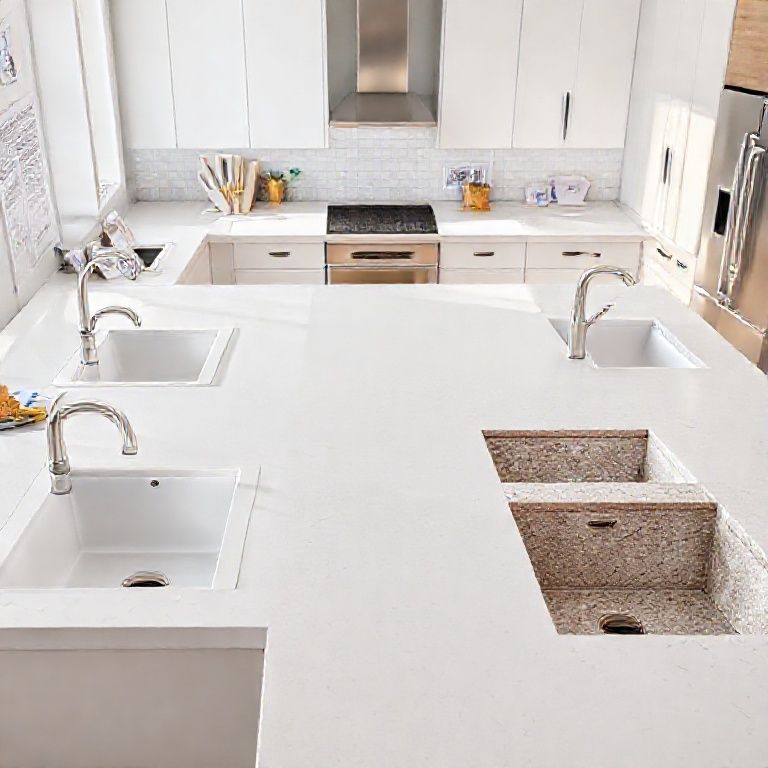
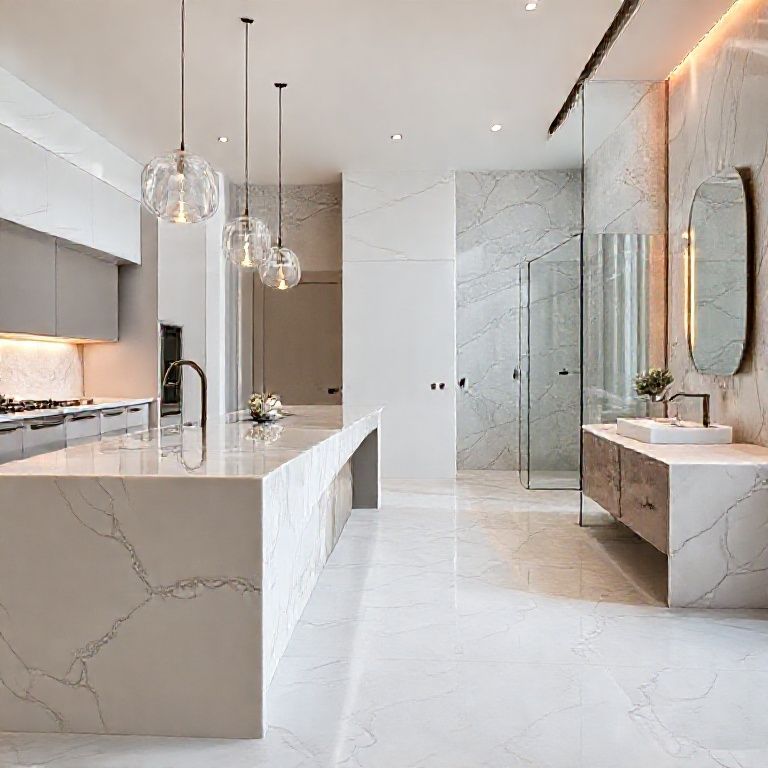
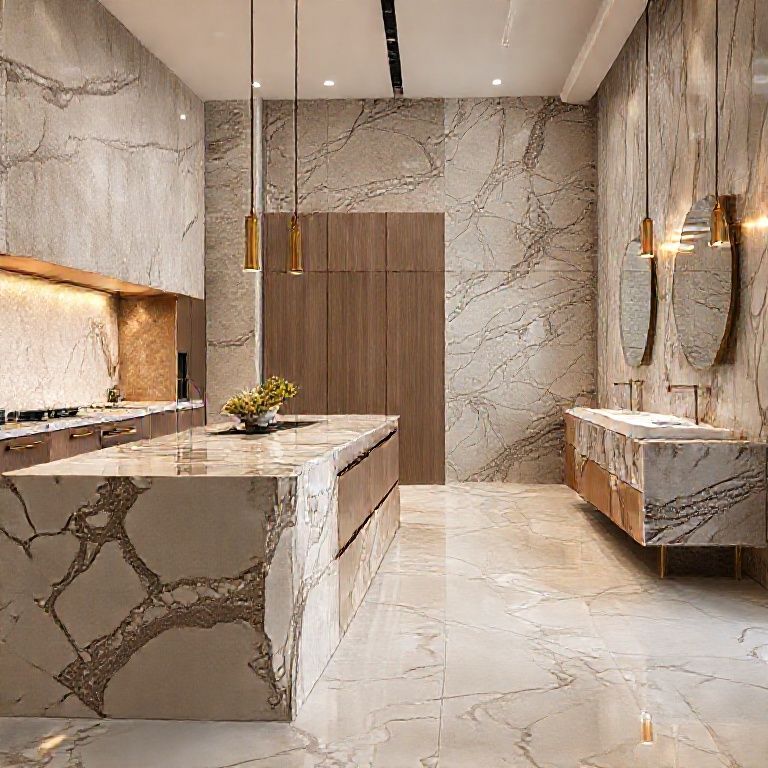
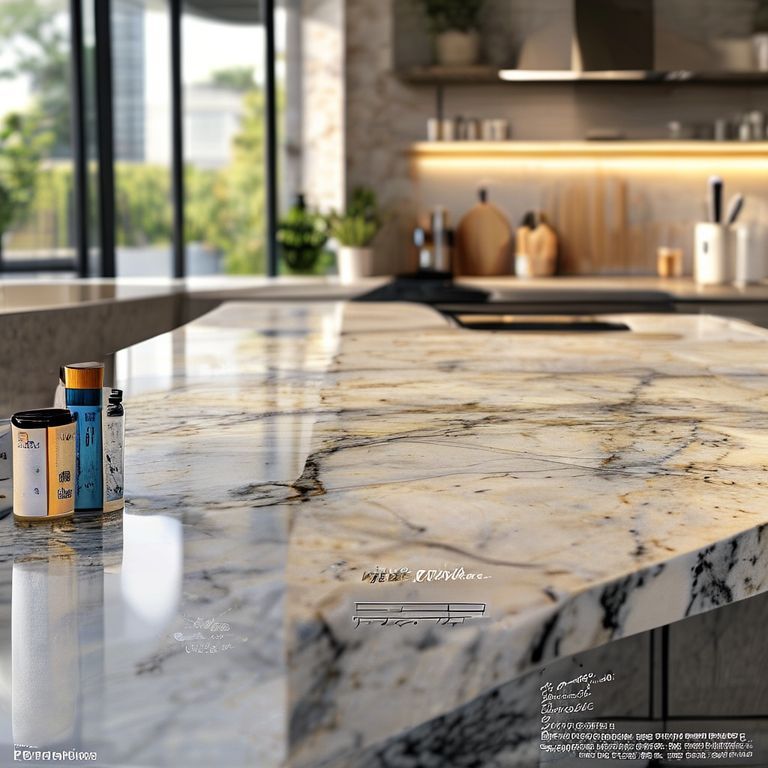
In the realm of fine arts and luxury, few materials embody the elegance and sophistication as profoundly as marble. Among the myriad techniques employed to bring marble to life, “干挂大理石纯人工费” (hand-carved marble using pure human effort) stands out as a testament to unparalleled craftsmanship and dedication. This ancient technique, revered for its meticulousness and beauty, transforms the raw material into a stunning work of art through the skillful hands of artisans.

The Origin and History of Hand-Carved Marble
The tradition of hand-carving marble dates back to ancient civilizations where marble was a favored material for sculptures, buildings, and decorative items. The Greeks and Romans, for instance, were masters of this technique, creating iconic works that have withstood the test of time. The term “干挂大理石纯人工费” originates from a similar approach used in Chinese and other Asian cultures, where artisans would meticulously chisel the marble by hand, often taking months to complete a single piece.
The hand-carving technique is not just about creating a physical object; it’s an art form that tells a story. Each stroke of the chisel is a narrative, a journey from raw stone to a masterpiece. This method ensures that every piece is unique, as it is impossible to replicate the intricacies and subtleties achieved through human touch.
The Artistry Behind Hand-Carved Marble
The process of hand-carving marble is both a science and an art. It requires not only skill but also an understanding of the marble’s unique properties. Marble is a metamorphic rock composed mainly of calcium carbonate, and its varying colors and patterns make it an exciting medium for artists. The hand-carving process begins with selecting the finest quality marble, ensuring that it has the right density and grain for detailed carving.
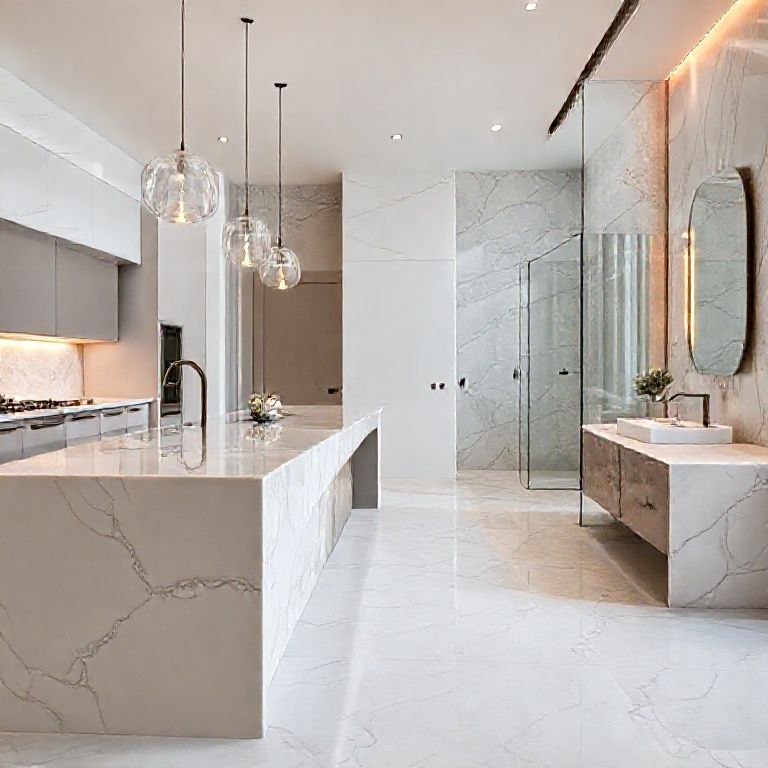
Once the marble block is chosen, the artist begins with a rough sketch, planning every detail down to the smallest vein and texture. Using a variety of chisels, hammers, and rasps, the artisan meticulously carves away the stone, gradually revealing the intended design. This process is incredibly labor-intensive, requiring immense patience and precision.
The beauty of hand-carved marble lies in its intricate details and the natural beauty of the stone itself. Each piece is a work of art, showcasing the artisan’s skill and the unique character of the marble. From classical sculptures to ornate fountains and intricate architectural elements, the possibilities are endless.
The Craftsmanship of “干挂大理石纯人工费”
The term “干挂大理石纯人工费” emphasizes the pure human effort involved in the carving process. Unlike machine-carved marble, which can produce uniform and often sterile results, hand-carved marble offers a level of individuality and authenticity that is unmatched. Each piece is unique, bearing the marks of the artisan’s hands and the natural imperfections of the stone.
This technique also highlights the artisan’s ability to work with the marble’s natural grain, enhancing its beauty rather than overpowering it. The result is a piece that not only looks stunning but also tells a story of human creativity and dedication.
Moreover, hand-carved marble often involves a deep connection with the material. Artisans develop a relationship with the marble, understanding its unique properties and working with it in a way that brings out its best features. This personal touch is what sets hand-carved marble apart, making each piece a true work of art.
The Beauty of Hand-Carved Marble in Modern Design
In today’s fast-paced world, the timeless beauty of hand-carved marble continues to captivate and inspire. Its elegance and sophistication make it an ideal choice for a variety of settings, from grand public buildings to intimate private spaces.
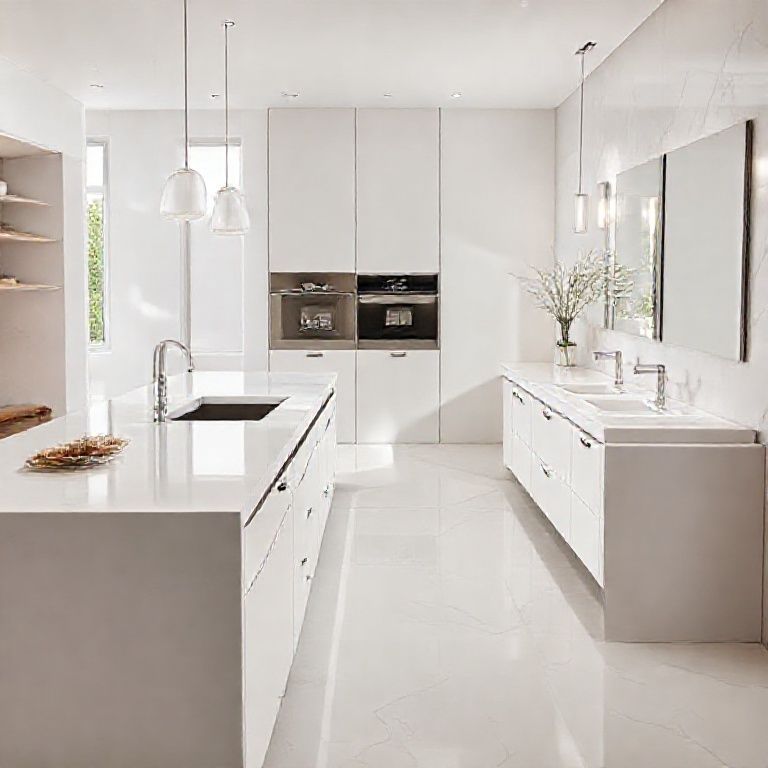
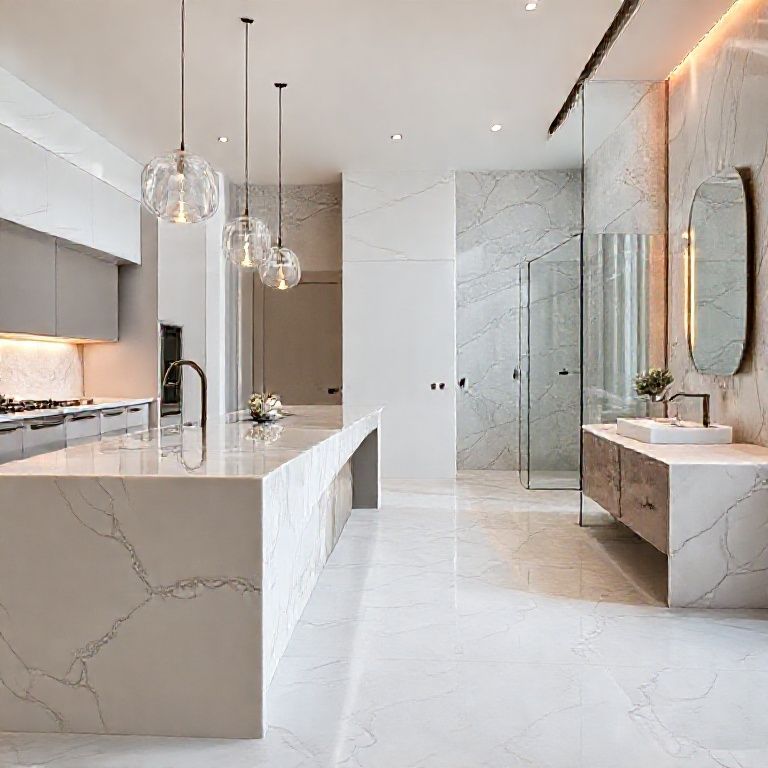
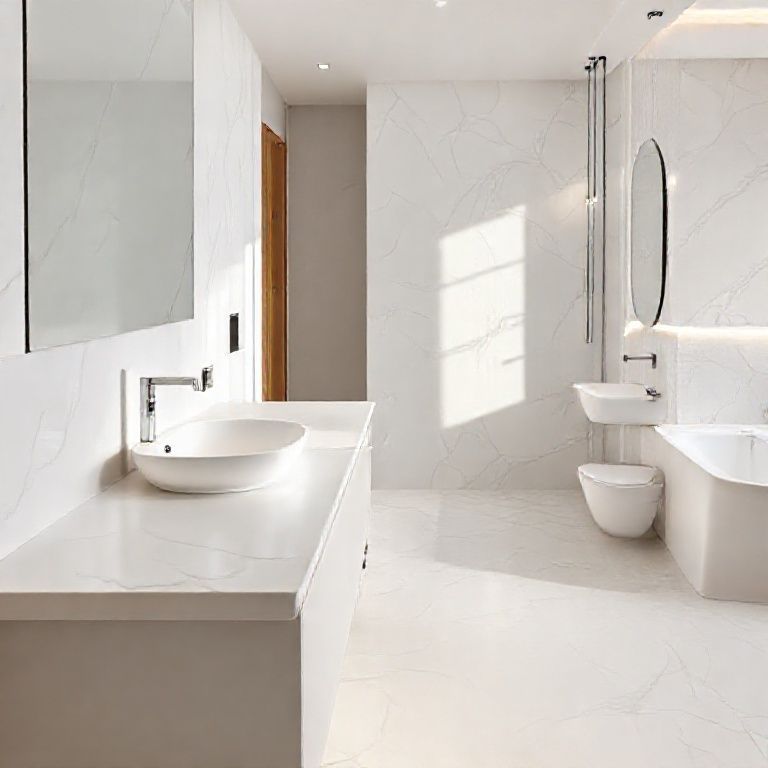
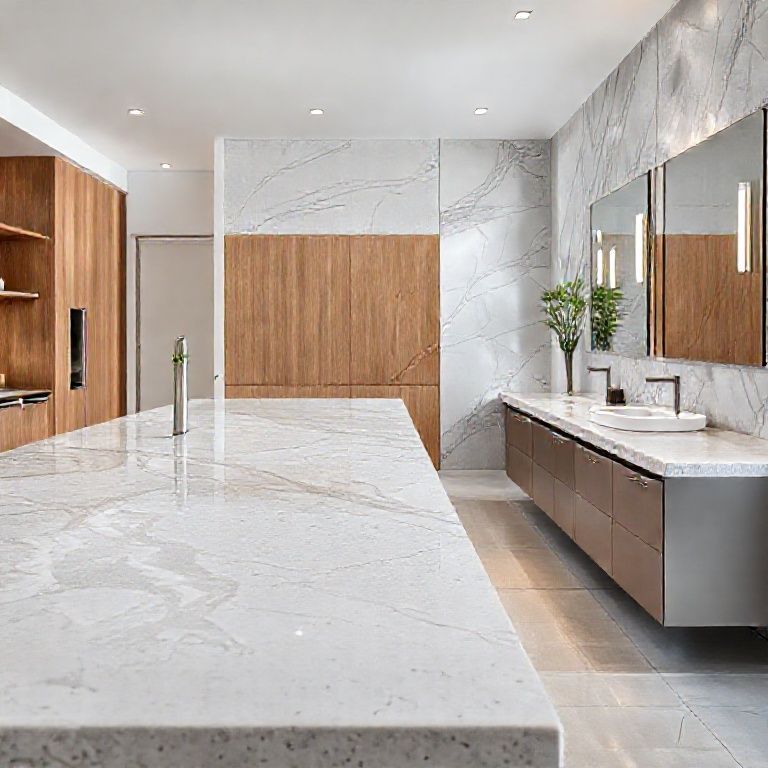
In interior design, hand-carved marble is used to create focal points that add a touch of luxury and refinement. Whether it’s a grand staircase, a stunning fireplace surround, or a breathtaking wall sculpture, the intricate details and natural beauty of hand-carved marble can transform any space.
Hand-carved marble also finds its place in modern art installations and sculptures. Artists and designers are drawn to its versatility and the unique character it brings to contemporary pieces. The natural veins and patterns of the marble add a dynamic element to modern designs, bridging the gap between traditional craftsmanship and contemporary aesthetics.
Sustainability and Ethical Considerations
As awareness about sustainability and ethical practices grows, the hand-carving technique of “干挂大理石纯人工费” aligns well with these values. Unlike mass-produced marble, which often involves harmful mining practices and environmental impact, hand-carving is a more sustainable and ethical approach.
The artisanal process ensures that only the necessary amount of marble is used, minimizing waste. Additionally, many artisans source their marble from sustainable quarries that adhere to ethical mining practices. This commitment to sustainability not only benefits the environment but also supports the artisans and their communities.
Conclusion
The “干挂大理石纯人工费” technique is more than just a method of carving marble; it’s a celebration of human creativity and craftsmanship. Each piece of hand-carved marble is a testament to the artisan’s skill and dedication, showcasing the natural beauty and intricate details that only pure human effort can achieve.
As we continue to appreciate the timeless beauty and elegance of marble, the hand-carving technique stands as a beacon of traditional artistry and sustainability. It reminds us of the value of craftsmanship in an increasingly mechanized world and the unique beauty that comes from the union of human skill and natural materials.
In the continuing exploration of “干挂大理石纯人工费,” we uncover the enduring allure and global appreciation of hand-carved marble. This technique, with its rich history and exquisite craftsmanship, continues to enchant designers, collectors, and art enthusiasts worldwide. The beauty and tradition embedded in each piece of hand-carved marble speak to its timeless appeal and cultural significance.
Global Appreciation and Cultural Significance
Hand-carved marble has a universal appeal that transcends geographical and cultural boundaries. From ancient Greek temples to modern skyscrapers, marble has always been a symbol of luxury and elegance. The “干挂大理石纯人工费” technique embodies this tradition, with artisans around the world continuing to master the art of hand-carving marble.
In cultures where marble has long been revered, hand-carving remains a revered practice. In Italy, for instance, hand-carved marble is a cornerstone of classical art and architecture, with artisans continuing to bring sculptures and architectural elements to life. The same reverence is found in Chinese, Indian, and other Asian cultures, where marble has played a significant role in religious and artistic traditions.
The cultural significance of hand-carved marble lies in its ability to convey a sense of history and tradition. Each piece tells a story, whether it’s a classical sculpture, a religious icon, or a contemporary design element. This storytelling aspect adds depth and meaning to the material, making it more than just a decorative element but a piece of cultural heritage.
Hand-Carved Marble in Contemporary Design
In contemporary design, hand-carved marble continues to be a popular choice for its unique beauty and timeless elegance. Designers are drawn to its natural beauty and intricate details, which add a touch of sophistication to any space. The versatility of marble allows it to be used in a variety of ways, from large architectural features to small decorative objects.
One of the most striking uses of hand-carved marble in contemporary design is in large-scale installations and public artworks. Cities around the world feature hand-carved marble sculptures in parks, museums, and public buildings. These pieces not only enhance the aesthetic appeal of the spaces but also serve as cultural landmarks.
In residential design, hand-carved marble is often used to create focal points that add luxury and refinement. Whether it’s a grand staircase, a fireplace mantle, or a custom-designed piece of furniture, the intricate details and natural beauty of hand-carved marble can elevate any home.
The Artistic Process and Techniques
手工雕刻的艺术过程
选择和准备大理石:雕刻师会选择高质量的大理石。大理石的质量直接影响到雕刻的细节和最终效果。选择完大理石后,需要对其进行初步的清理和打磨,以去除表面的杂质和裂纹。
设计和规划:在开始雕刻之前,雕刻师会制定详细的设计图和规划。这包括对最终作品的细节、形状和尺寸的设计。有时候,雕刻师会先用石膏或其他材料制作一个模型,以便更好地理解设计。
初步雕刻:雕刻师使用大型的锤子和铁锤,先对大理石进行初步雕刻,去除多余的部分。这一步往往需要较大的力量和技巧,以便在不损坏细节的情况下去除大量石料。
细节雕刻:随后,雕刻师会使用更小、更精细的工具来处理细节部分。这一步需要极大的耐心和技巧,因为任何一个小的失误都可能影响到整体效果。
打磨和抛光:雕刻师会对作品进行打磨和抛光,以去除雕刻过程中留下的细小痕迹,使表面光滑并增加光泽。这一步骤对于展示大理石的自然美感至关重要。
现代设计中的应用
建筑和室内设计:在现代建筑和室内设计中,手工雕刻大理石常被用于制造墙面、柱子、地板以及装饰性元素。它的自然美感和细节丰富度使其成为高端建筑和豪华室内设计的理想材料。
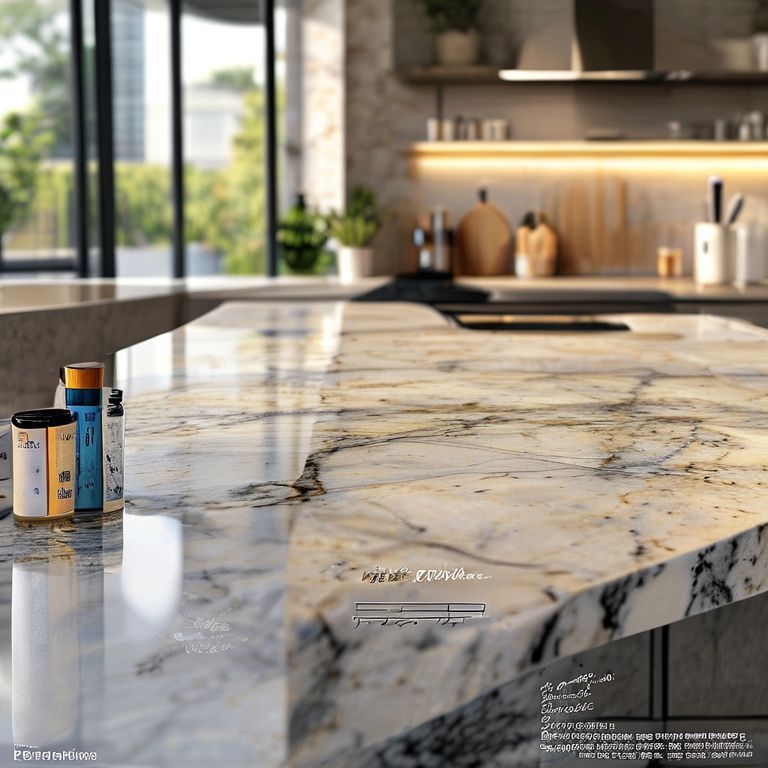
家具和装饰品:手工雕刻大理石也被广泛用于制作高端家具和装饰品。例如,大理石桌面、椅子、雕塑和壁炉围栏都能够展示出手工雕刻的独特魅力。手工雕刻大理石的家具和装饰品通常具有很高的收藏和观赏价值。
雕塑和艺术品:在雕塑和艺术领域,手工雕刻大理石是一种备受青睐的材料。艺术家们通过手工雕刻大理石创造出各种形式的雕塑和艺术品,从现代抽象艺术到传统雕像,每件作品都展示了大理石的独特美感和艺术价值。
商业和公共空间:在商业和公共空间,手工雕刻大理石常被用于制造高档的地板、墙面和楼梯。这种材料的高耐久性和美观性使其成为酒店、商场、办公楼等场所的首选。
未来展望
随着现代科技的发展,手工雕刻大理石的技艺仍在不断传承和发展。虽然机器雕刻技术也在不断进步,但手工雕刻的独特魅力和艺术价值依然无法被完全取代。未来,随着人们对传统工艺和文化遗产的关注度增加,手工雕刻大理石的艺术形式和应用领域将继续繁荣发展。
通过以上这些细节,我们可以更加全面地了解手工雕刻大理石的艺术价值和实际应用。这不仅是一种建筑和设计材料,更是一种跨越时空的艺术形式。