The Exquisite Craftsmanship Behind Artificial Marble: A Comprehensive Guide
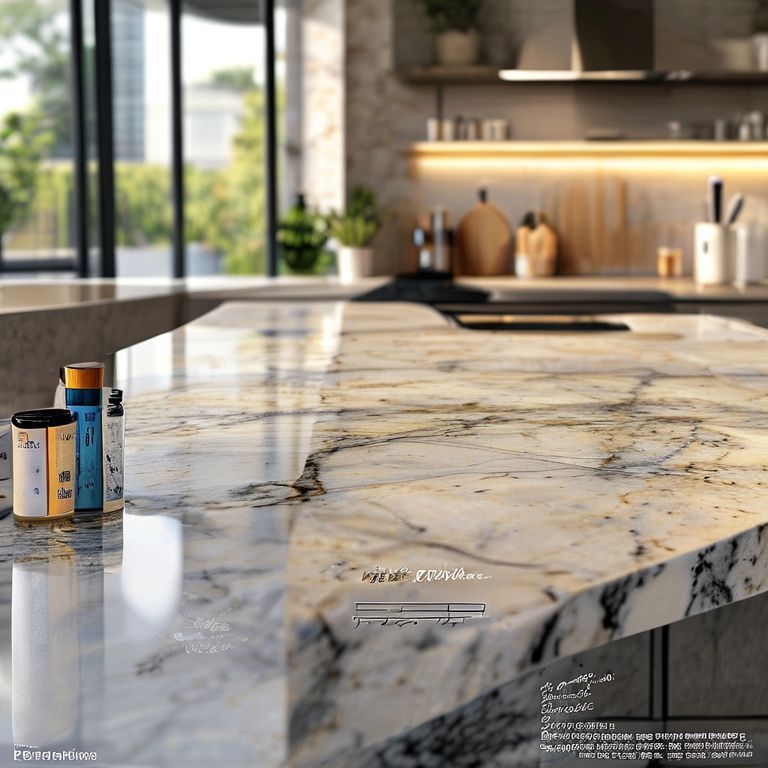
Artificial marble, often referred to as cultured marble or composite stone, is a marvel of modern material science and craftsmanship. This material has revolutionized the way we approach interior design, offering a luxurious yet durable alternative to traditional natural marble. In this first part of our comprehensive guide, we will delve into the fascinating origins and detailed production process of artificial marble.

The Ingredients of Luxury: Raw Materials
The journey of artificial marble begins with a careful selection of high-quality raw materials. The primary component is usually calcium carbonate, derived from natural limestone. This forms the backbone of the material, providing strength and a marble-like appearance. To this, manufacturers add other substances such as acrylic resin, pigments, and various additives. These additives can include fibers, dyes, and stabilizers which enhance the texture, color, and durability of the final product.
The Magic of Polymerization: Crafting the Base
Once the raw materials are gathered, the next step involves the polymerization process. This is where the magic happens. A resin base, often made from acrylic, is mixed with the calcium carbonate and other additives. This mixture is then subjected to a controlled chemical reaction, typically under high pressure and temperature. The result is a homogeneous composite material that mimics the appearance of natural marble while being far more resilient.
Color and Design: The Art of Creation
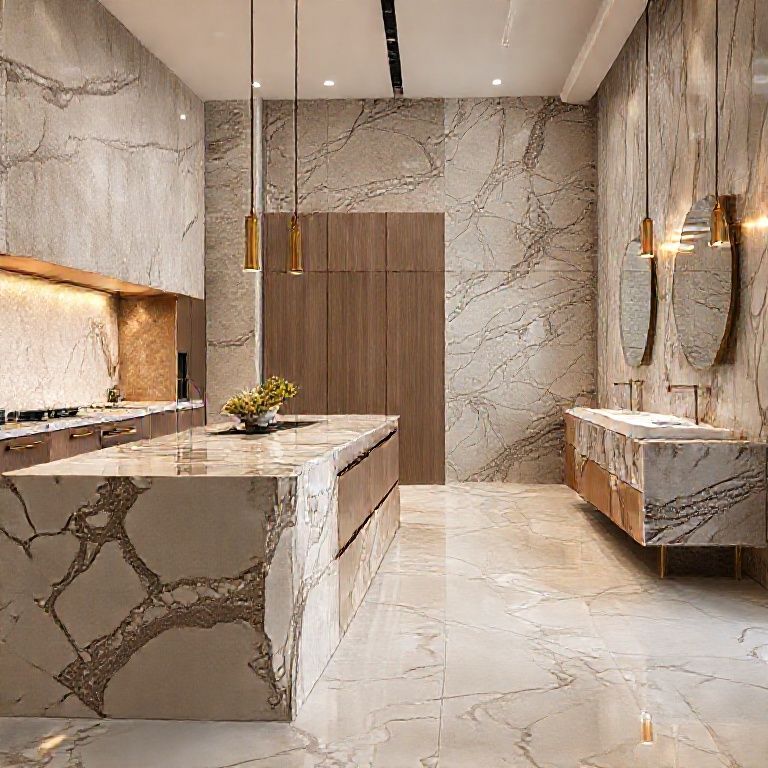
The beauty of artificial marble lies in its versatility. Manufacturers can infuse it with a wide range of colors and patterns to mimic any type of natural marble. This involves adding specific pigments and dyes to the mixture before polymerization. The result is a material that not only looks like marble but can also feature intricate designs and colors that are impossible to achieve with natural stone.
Forming and Shaping: Precision at Every Turn
After the polymerization process, the material is shaped into the desired form. This often involves casting the mixture into molds, which can range from simple slabs to complex designs. Once the shape is set, the artificial marble is allowed to cure. Curing ensures that the material hardens uniformly, achieving the desired strength and appearance. This step is crucial for producing a material that can withstand the rigors of everyday use.
Finishing Touches: Polishing Perfection
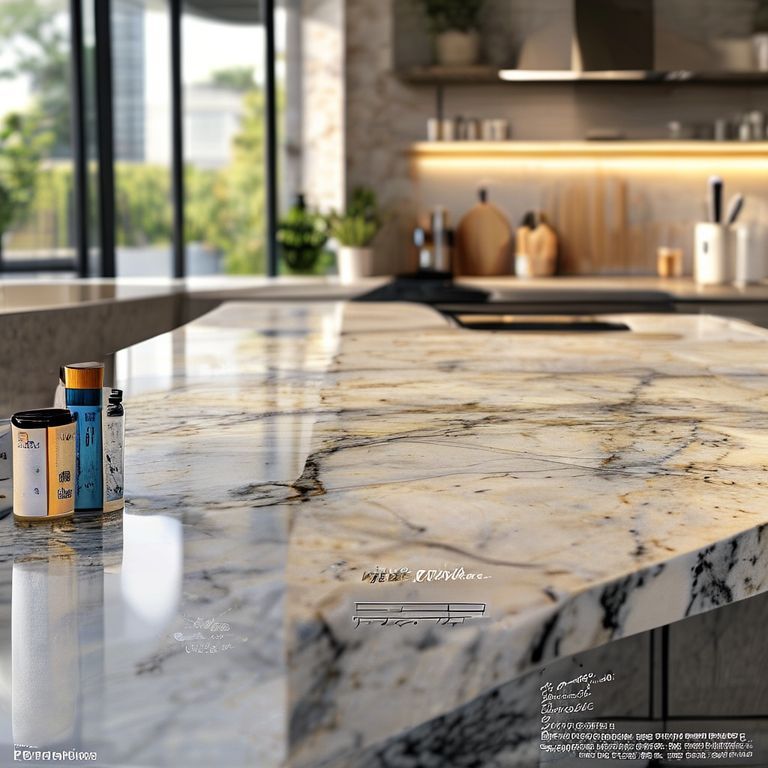
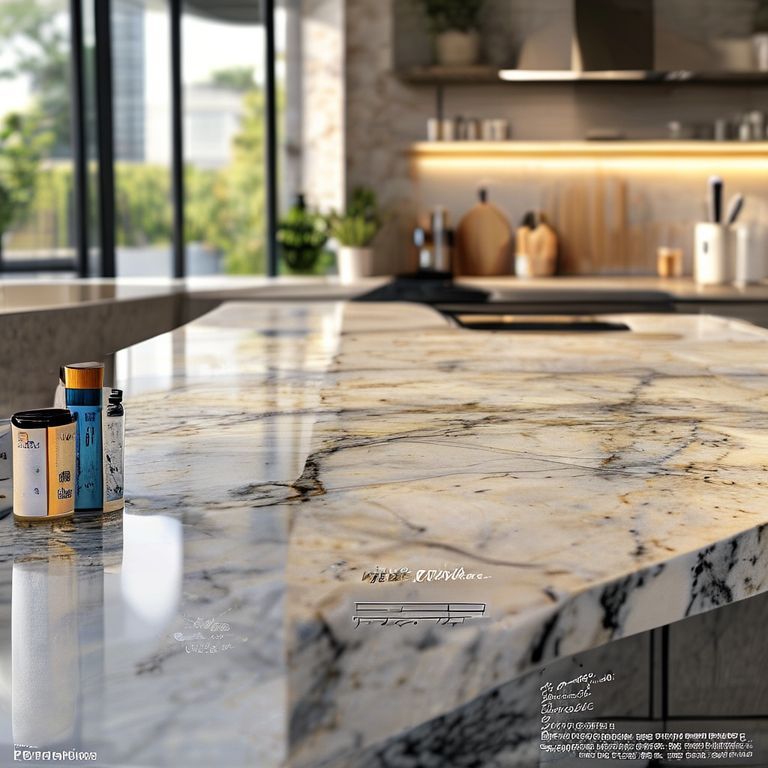
The final stage in the production of artificial marble is the finishing process. This includes polishing and smoothing the surface to achieve a glossy, marble-like finish. Depending on the desired look, manufacturers may choose to polish the surface to a high gloss or opt for a more matte finish. This step is where the material truly comes to life, showcasing its beauty and durability.
Conclusion: The Essence of Artificial Marble
Artificial marble is a testament to human ingenuity and artistic vision. From its raw materials to the final polished product, it combines the best qualities of nature and technology. Whether used in countertops, sinks, or decorative elements, artificial marble offers a luxurious, durable, and customizable option that has redefined modern design.
The Exquisite Craftsmanship Behind Artificial Marble: A Comprehensive Guide
In the second part of our guide, we will explore the myriad benefits of artificial marble, its applications in various industries, and the future of this versatile material.
Benefits of Artificial Marble: Durability Meets Aesthetics
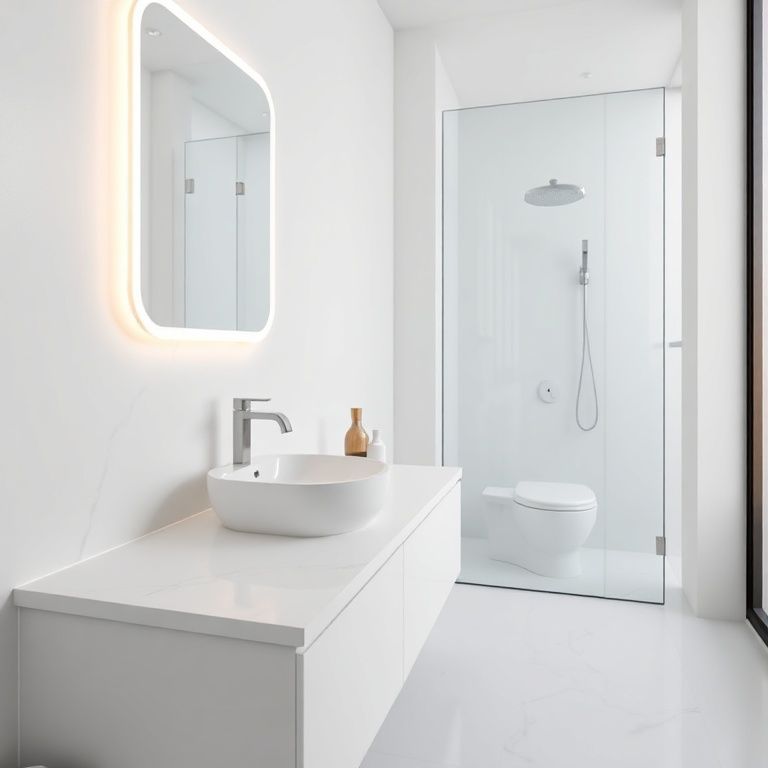
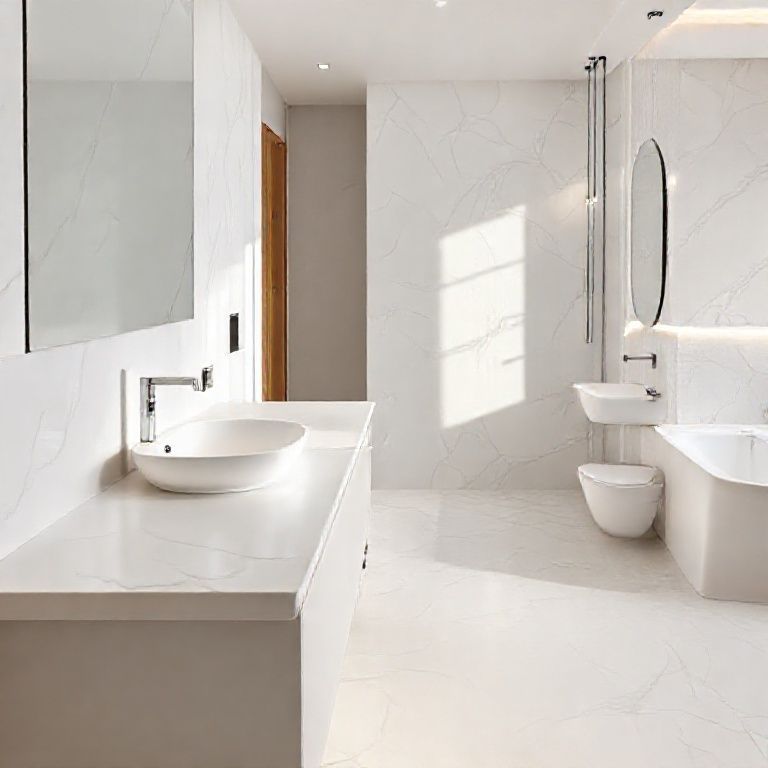
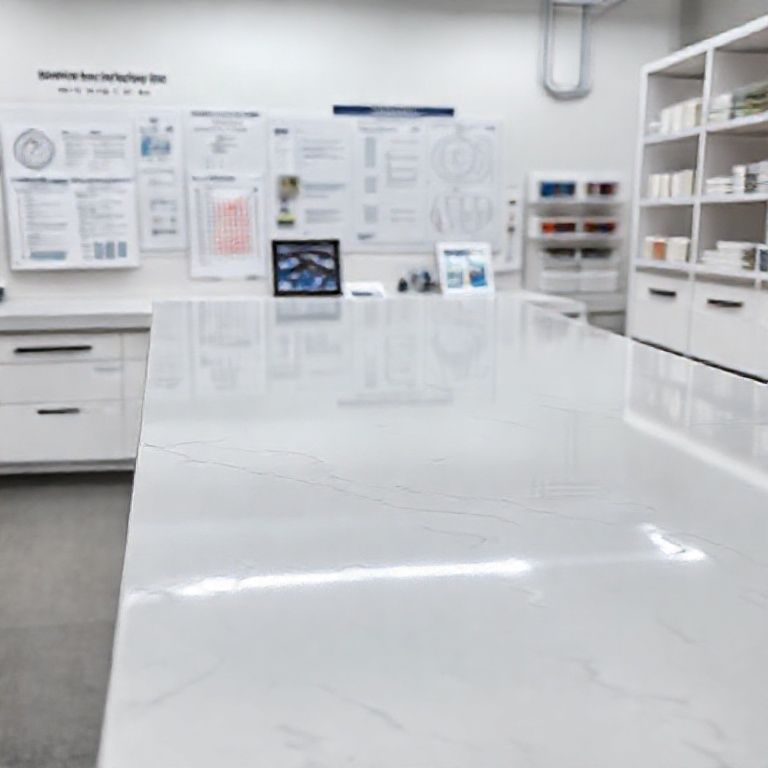
Artificial marble stands out for its remarkable blend of durability and aesthetic appeal. Unlike natural marble, which can be prone to scratching, staining, and chipping, artificial marble is far more resilient. Its composite nature means it can withstand high temperatures, resist water damage, and endure heavy use without losing its appearance. This makes it an excellent choice for high-traffic areas such as kitchens and bathrooms.
Aesthetic Versatility: Matching Any Design
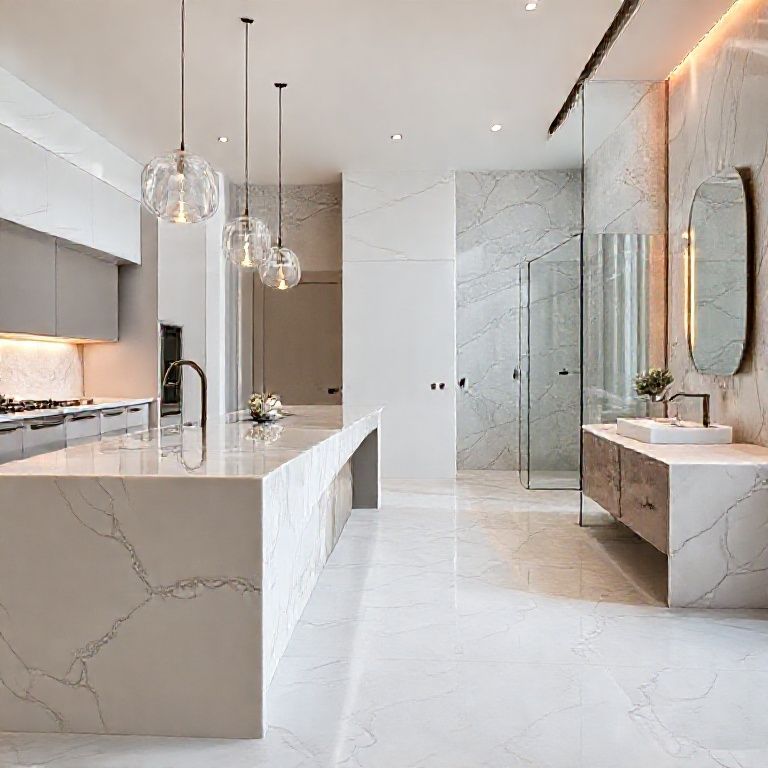
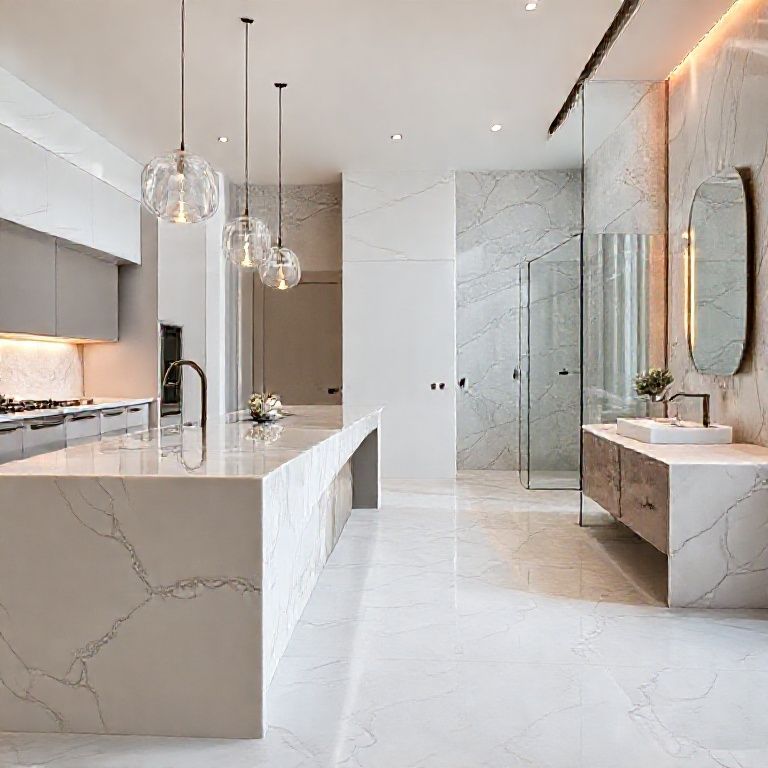
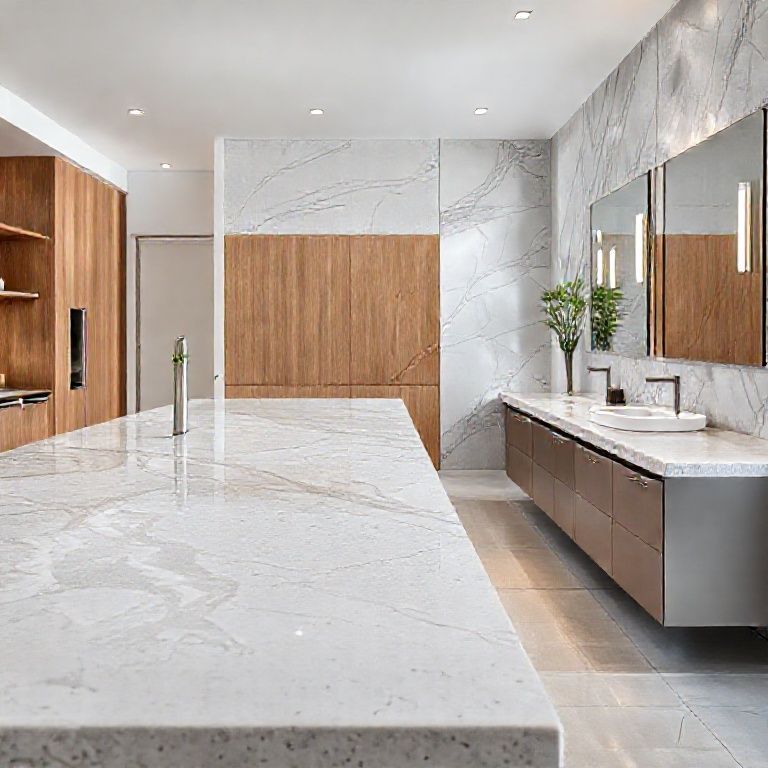
One of the most significant advantages of artificial marble is its versatility in design. The ability to mold it into various shapes and colors allows designers to create unique and custom pieces that can match any interior style. Whether you prefer a classic look that mimics traditional marble or a modern design with bold colors and patterns, artificial marble can be tailored to fit your vision.
Easy Maintenance: A Designer’s Dream
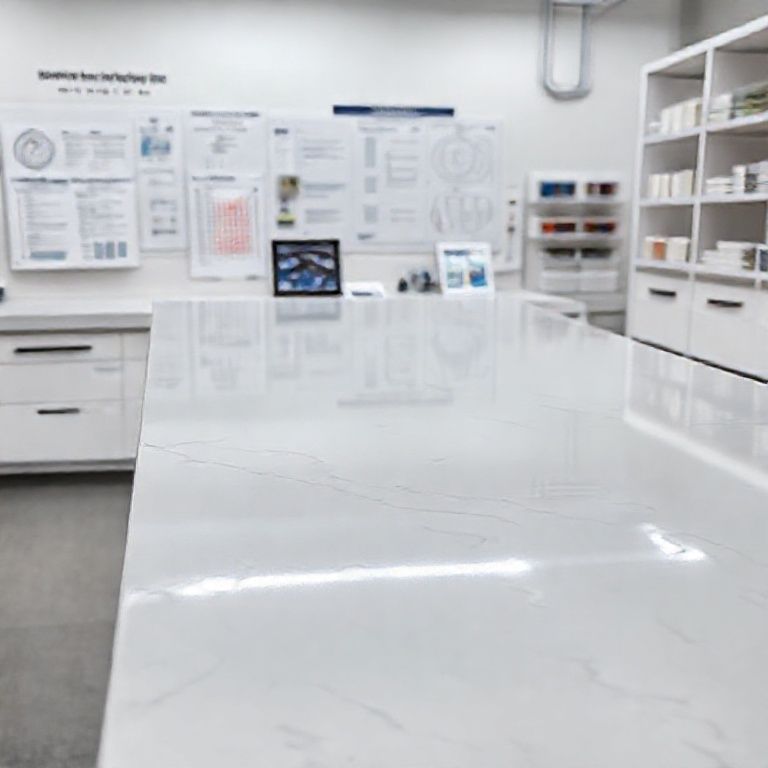
Artificial marble is also a designer’s dream due to its low maintenance requirements. Unlike natural stone, which may require sealing and regular maintenance to prevent staining and damage, artificial marble can be wiped clean with a simple damp cloth. This makes it an ideal choice for busy households and commercial spaces where maintaining a pristine appearance is crucial.
Applications Across Industries: From Homes to Commercial Spaces
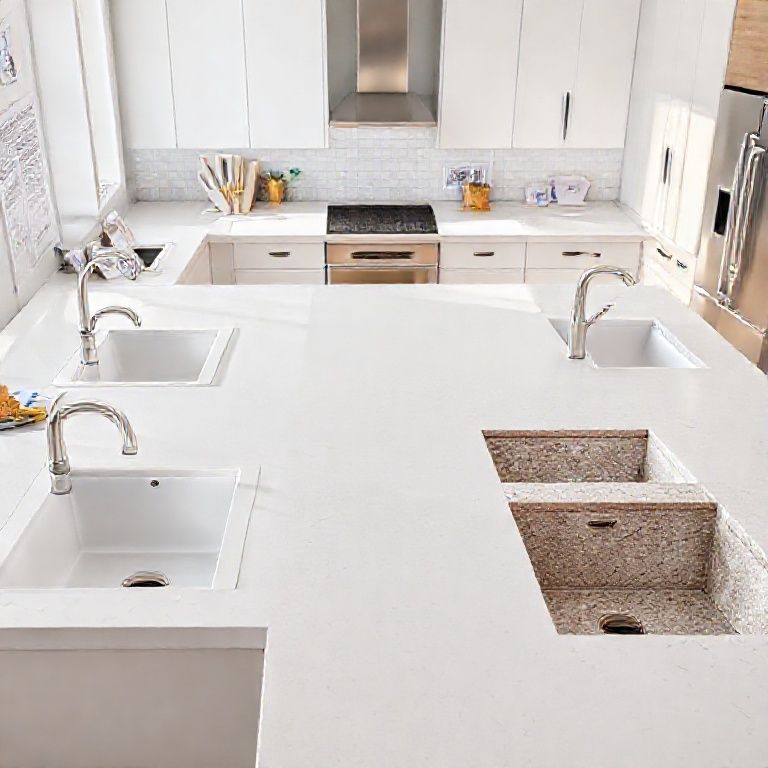
Artificial marble’s versatility extends beyond residential settings. It is widely used in various commercial spaces such as restaurants, hotels, and office buildings. Its durability and aesthetic appeal make it an excellent choice for countertops, sinks, and decorative elements in these environments. Additionally, artificial marble is used in the creation of intricate architectural features, offering a cost-effective solution that can rival the beauty of natural marble.
The Future of Artificial Marble: Innovations and Trends
The future of artificial marble is bright, with ongoing innovations and trends shaping its evolution. Manufacturers are continuously exploring new materials and techniques to enhance the properties of artificial marble. This includes developing formulations that offer even greater strength, better resistance to chemicals, and more intricate designs.
In the realm of sustainability, artificial marble is also making strides. By using recycled materials and reducing waste in its production process, manufacturers are making strides towards creating a more environmentally friendly option. This is particularly important as the demand for sustainable materials grows across various industries.
Conclusion: Embracing the Future with Artificial Marble
Artificial marble represents a perfect fusion of artistry and technology. Its ability to mimic the beauty of natural marble while offering unmatched durability and versatility makes it a standout choice for both residential and commercial applications. As innovations continue to push the boundaries of what this material can achieve, the future of artificial marble looks incredibly promising. Whether you are a designer, homeowner, or business owner, embracing artificial marble is a step towards a more beautiful, durable, and sustainable world.
This comprehensive guide highlights the intricate and fascinating process behind the creation of artificial marble, showcasing its myriad benefits and wide-ranging applications. As we move forward, artificial marble is set to play an even more significant role in shaping the aesthetics and functionality of spaces around the world.