The Exquisite Difference Between Synthetic and Natural Marble: Visual Guides and Pricing Insights
When it comes to selecting the perfect marble for your home or business, understanding the nuanced differences between synthetic and natural marble is crucial. Both materials offer unique aesthetics and benefits, but their differences go beyond just appearance. Let’s explore the visual and pricing aspects to help you make an informed decision.

Visual Differences Between Synthetic and Natural Marble
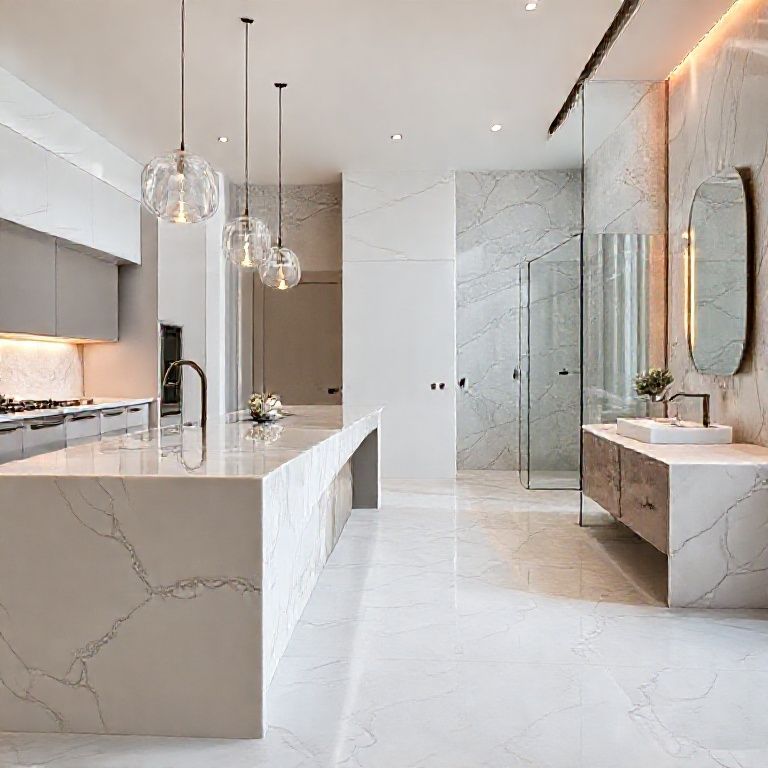
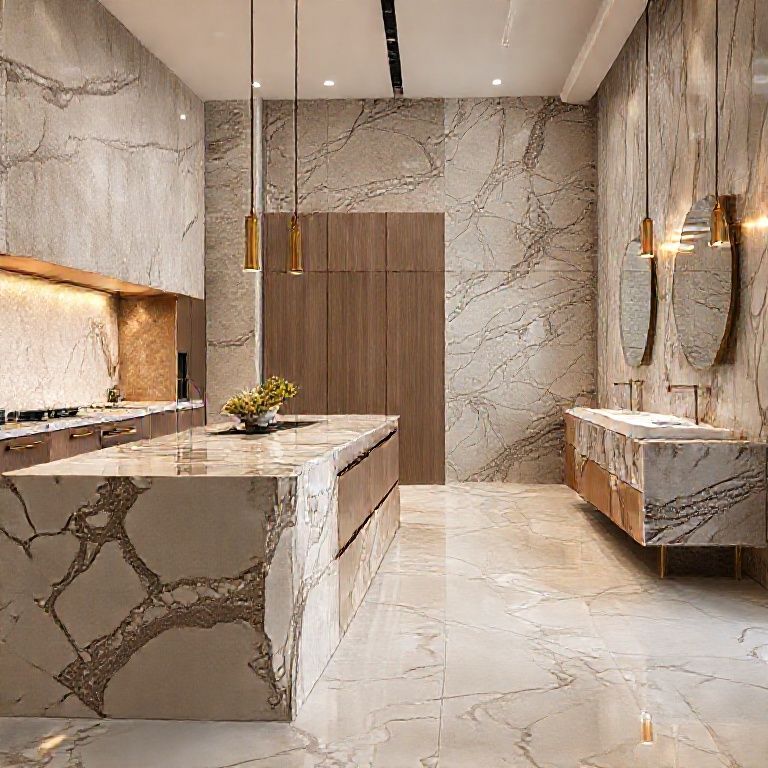
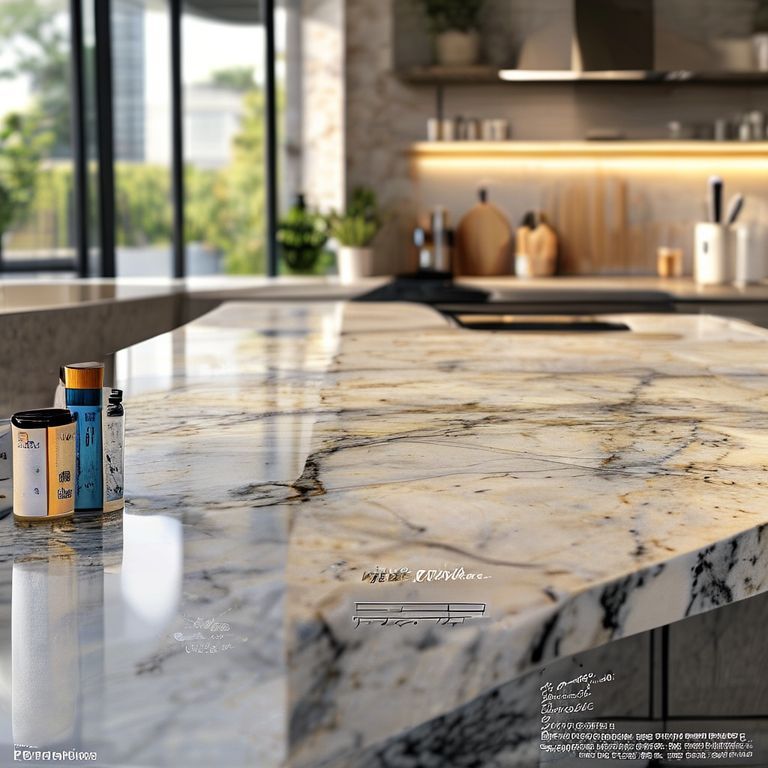
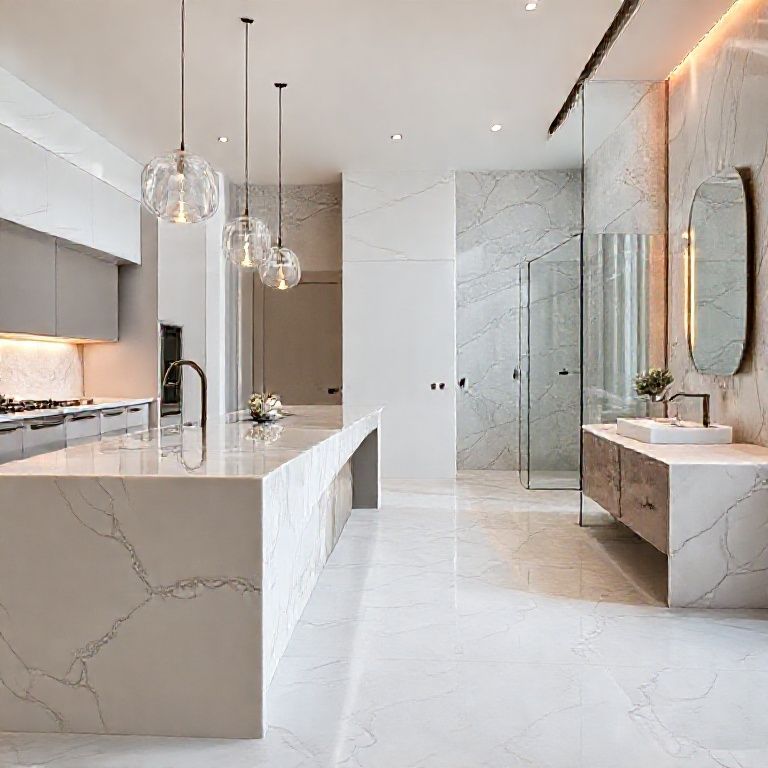
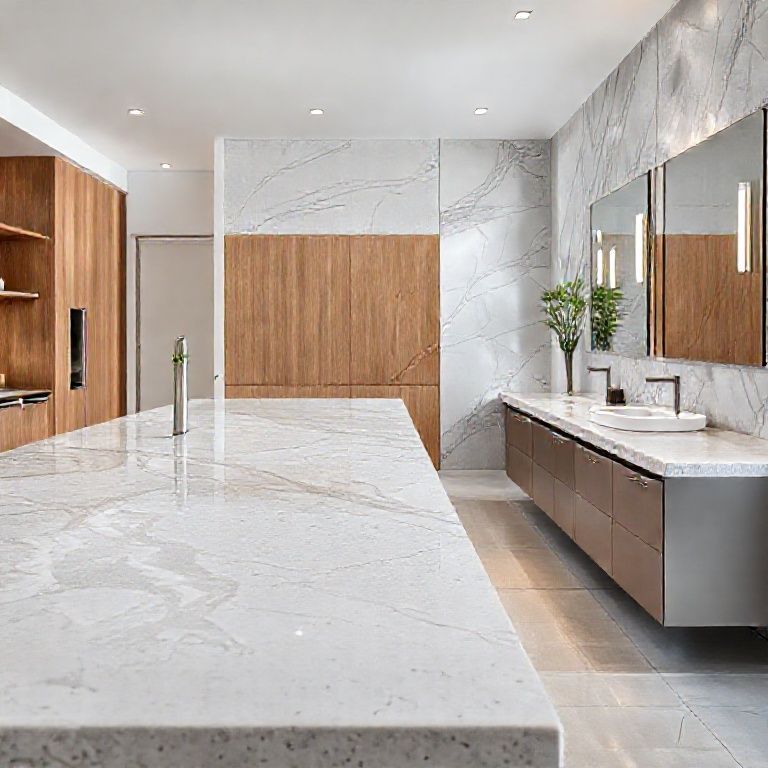
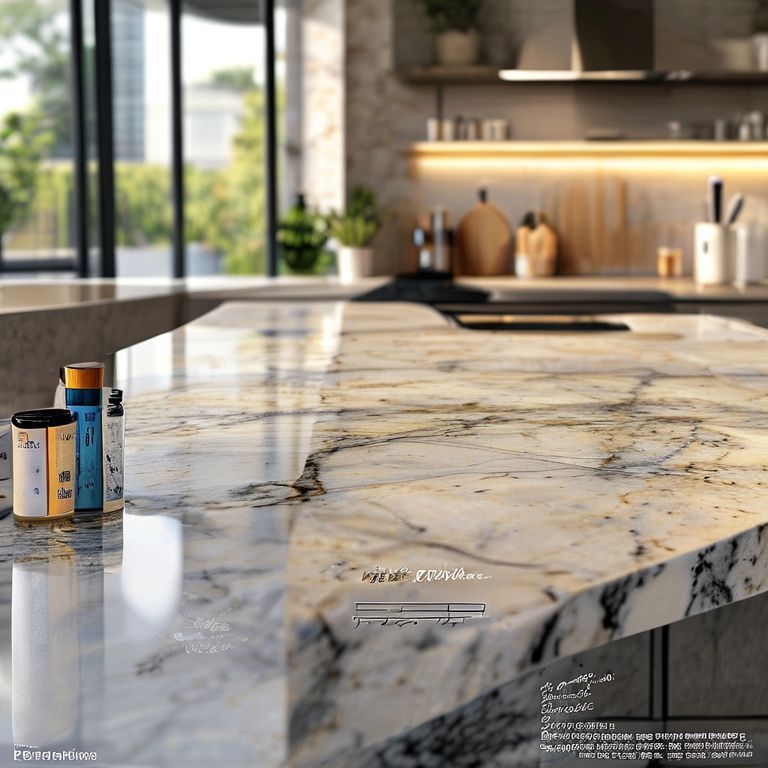
1. Appearance: Natural marble is renowned for its unparalleled beauty, characterized by its intricate veining and unique patterns that are the result of millions of years of geological processes. Each piece is one-of-a-kind, offering a rich tapestry of colors and textures that can range from creamy whites to deep blacks, adorned with striking veins of gold, green, and pink.
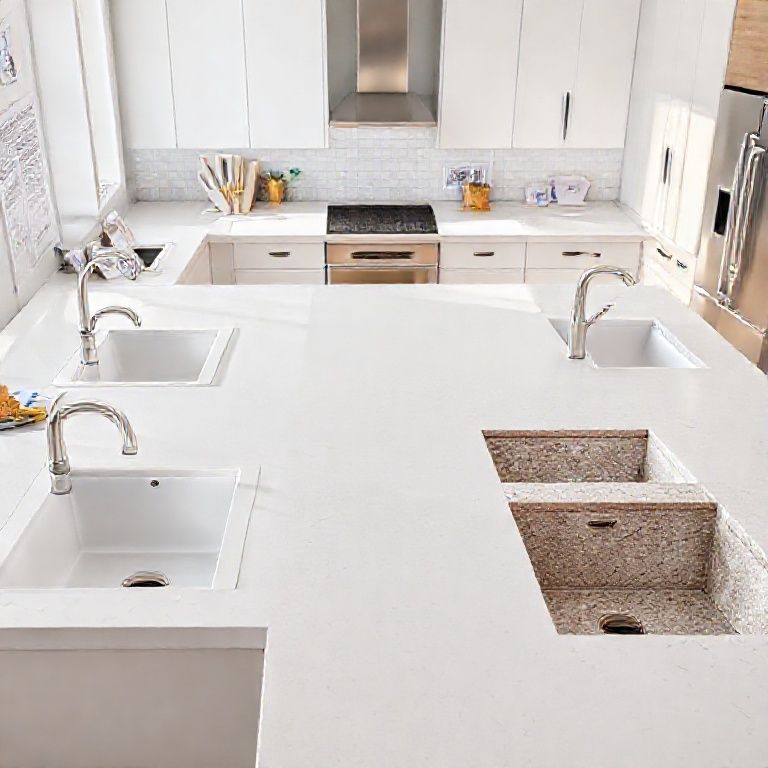
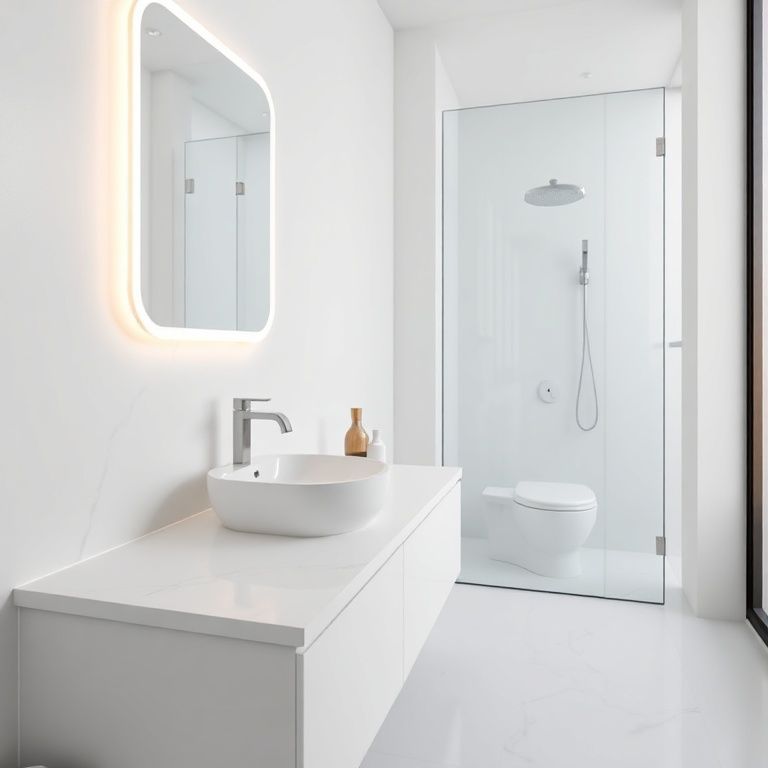
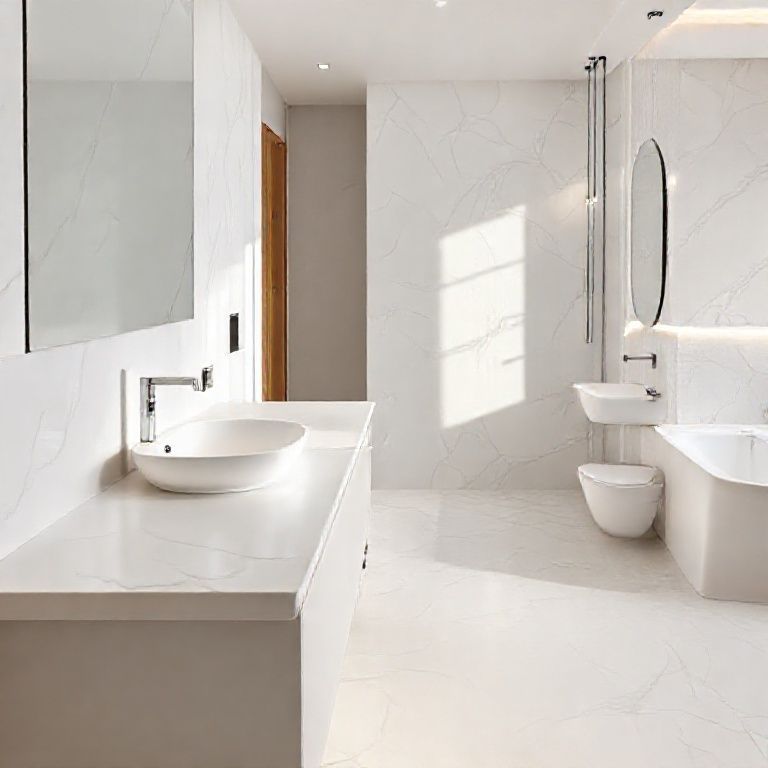
In contrast, synthetic marble, while designed to mimic the look of natural marble, often has a more uniform appearance. The veining and patterns in synthetic marble are created through advanced manufacturing processes and can be customized to a certain extent. Although it can replicate the appearance of natural marble quite convincingly, it lacks the unique, organic imperfections that natural marble possesses.
2. Texture: Natural marble has a warm, tactile texture that is immediately recognizable. The surface is smooth yet slightly gritty due to its natural composition. This tactile quality adds a sense of luxury and authenticity.
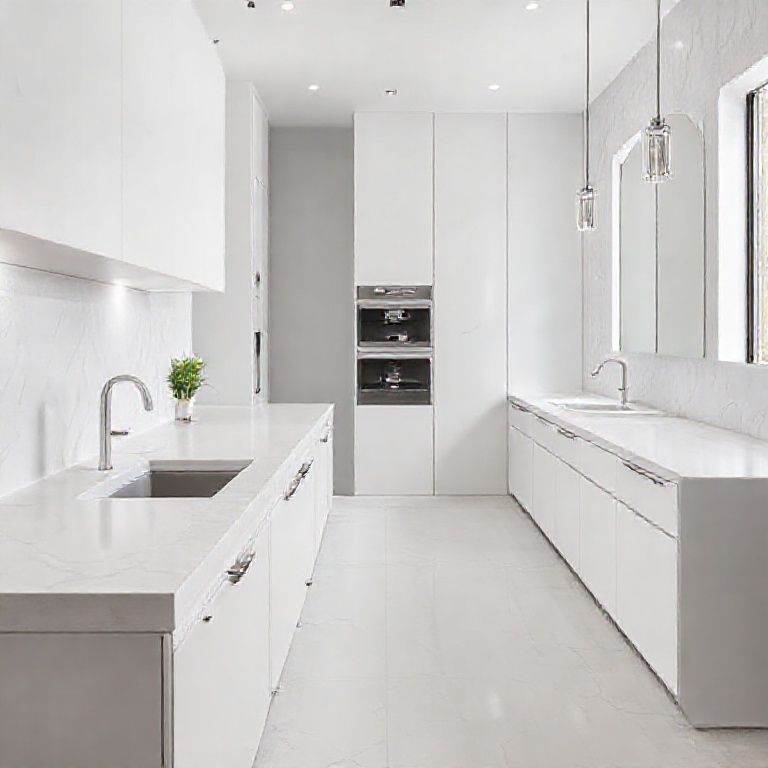
Synthetic marble, on the other hand, is engineered to provide a surface that closely mimics natural marble’s texture. However, it may not entirely capture the nuanced feel of natural stone. The smoothness can be too uniform, lacking the subtle irregularities found in natural marble.
3. Durability: One of the most significant visual differences lies in durability. Natural marble, while beautiful, is also relatively soft, ranking around 3 on the Mohs scale. This makes it prone to scratches, stains, and etching, especially when exposed to acidic substances like wine, juice, or vinegar.
Synthetic marble, crafted from a blend of resin, pigments, and marble dust, is much harder, often ranking above 6 on the Mohs scale. This makes it highly resistant to scratches, stains, and etching, offering a more durable and low-maintenance option.
Pricing Insights: Synthetic vs. Natural Marble
1. Natural Marble Pricing: The cost of natural marble can vary widely based on its type, origin, and the level of craftsmanship involved. Here’s a general overview of some popular natural marbles:
Italian Carrara Marble: Known for its high-quality veining and creamy white color, Carrara marble can range from $70 to $150 per square foot. Brazilian Bianco Marmoreo: This marble boasts a unique, creamy white color with a striking gray veining. Prices can range from $80 to $180 per square foot. Indian Jaisalmer Marble: Famous for its golden hue and intricate veining, Jaisalmer marble typically costs between $60 to $120 per square foot. Egyptian Esna Marble: Known for its soft pink to rose hues, Esna marble ranges from $50 to $100 per square foot.
2. Synthetic Marble Pricing: Synthetic marble, being manufactured rather than quarried, generally offers a more affordable option compared to its natural counterpart. The cost depends on the quality of materials and design complexity. Here’s an approximate range:
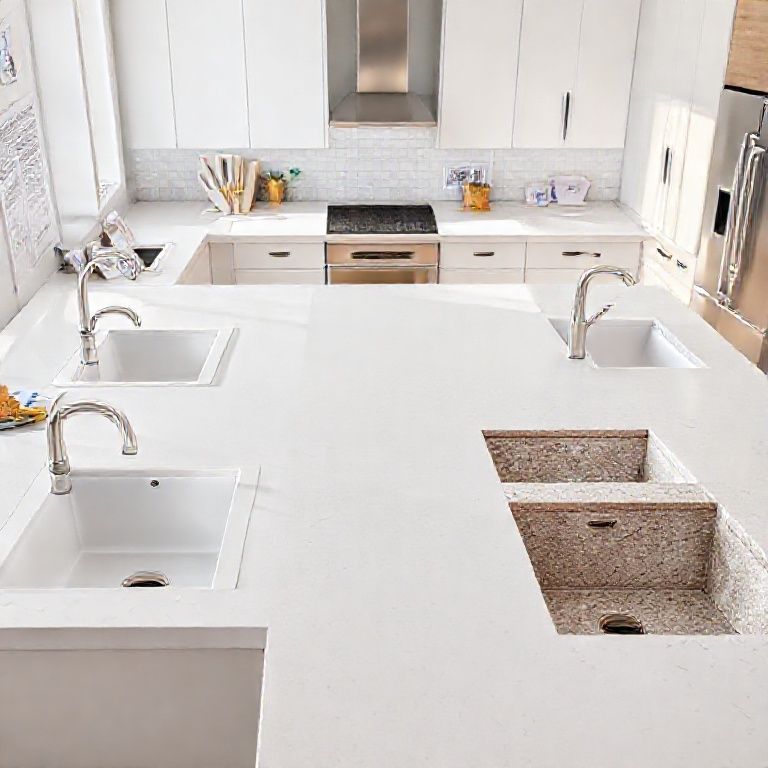
Standard Synthetic Marble: Ranging from $15 to $40 per square foot, this type offers a good balance between cost and appearance. High-End Synthetic Marble: Designed to closely mimic natural marble, these can cost between $40 to $80 per square foot. The higher price point is justified by the superior durability and customization options.
Conclusion for Part 1
Understanding the visual differences and pricing nuances between synthetic and natural marble can significantly influence your choice. Natural marble’s unique beauty and character come at a higher cost, but its authenticity and luxury appeal are unmatched. Synthetic marble, while more affordable and durable, offers a convincing replication of natural marble’s appearance. In the next part, we will delve deeper into the maintenance, environmental impact, and long-term value of both materials to help you make the best choice for your specific needs.
The Exquisite Difference Between Synthetic and Natural Marble: Visual Guides and Pricing Insights
In the previous part, we explored the visual differences and pricing aspects of synthetic versus natural marble. Now, let’s delve deeper into maintenance, environmental impact, and long-term value to provide a holistic understanding of these materials.
Maintenance: Synthetic vs. Natural Marble
1. Natural Marble Maintenance: Natural marble is a beautiful yet delicate material that requires careful maintenance to preserve its aesthetic and longevity. Here’s what you need to know:
Cleaning: Regular cleaning with a mild soap and water solution is essential to avoid etching. Avoid using acidic cleaners as they can damage the marble’s surface. Sealing: To protect against stains and spills, it is recommended to seal natural marble every six months to a year, depending on usage. Repairing: If natural marble gets scratched or etched, it may require professional repair to restore its original beauty. This can be an expensive process.
2. Synthetic Marble Maintenance: Synthetic marble’s durability translates into low maintenance requirements. Here’s how to keep it looking its best:
Cleaning: Synthetic marble can be cleaned with a mild soap and water solution. Unlike natural marble, it does not require sealing, making it easier to maintain. Repairing: While synthetic marble is highly durable, minor scratches can be polished out using a fine-grit sandpaper. For more significant damage, professional repair services may be required.
Environmental Impact: Synthetic vs. Natural Marble
1. Natural Marble: The extraction and transportation of natural marble have significant environmental impacts:
Mining: Quarrying natural marble can lead to habitat destruction and soil erosion. Transportation: The global distribution of natural marble contributes to carbon emissions and environmental degradation. Sustainability: Natural marble is a non-renewable resource. Once extracted, it cannot be replenished, making it a finite and unsustainable option over time.
2. Synthetic Marble: Synthetic marble offers a more environmentally friendly alternative:
Manufacturing: The production process of synthetic marble is more controlled and can be designed to minimize environmental impact. It often uses recycled materials and produces fewer emissions. Recycling: Unlike natural marble, synthetic marble can be recycled and reused, reducing waste and environmental impact. Sustainability: Synthetic marble offers a renewable option as it can be produced on demand, contributing less to the depletion of natural resources.
Long-Term Value: Synthetic vs. Natural Marble
1. Natural Marble: The timeless beauty and luxury of natural marble often justify its higher cost. Here’s what you need to consider:
Investment: Natural marble’s aesthetic value can increase over time, making it a worthwhile investment for those looking to add enduring elegance to their space. Durability: Despite its maintenance needs, natural marble’s beauty and character can withstand the test of time, maintaining its allure. Customization: Natural marble’s unique patterns allow for highly customized and bespoke designs, adding to its value.
2. Synthetic Marble: Synthetic marble’s durability and affordability make it an excellent long-term investment:
Cost-Effectiveness: The lower upfront cost and reduced maintenance requirements make synthetic marble a cost-effective choice over time. Durability: Synthetic marble’s resistance to scratches, stains, and etching ensures that it retains its appearance and functionality for a long time. Customization: While synthetic marble may not offer the same level of customization as natural marble, it allows for a wide range of designs and colors, making it adaptable to various aesthetic preferences.
Conclusion for Part 2
Choosing between synthetic and natural marble involves balancing beauty, durability, maintenance, environmental impact, and long-term value. Natural marble’s unparalleled beauty and character come with higher costs and maintenance requirements, making it ideal for those seeking timeless elegance. Synthetic marble offers an affordable, durable, and environmentally friendly alternative, perfect for those looking for low maintenance and cost-effective solutions.
In the end, the choice between synthetic and natural marble depends on your specific needs, budget, and environmental considerations. Both materials have their unique advantages and can enhance the beauty and functionality of any space. Whether you opt for the natural luxury of marble or the modern convenience of synthetic marble, understanding these differences will help you make an informed and confident decision.
This comprehensive comparison between synthetic and natural marble aims to provide you with all the necessary information to choose the right material for your decor needs. By understanding the visual differences, pricing, maintenance, environmental impact, and long-term value, you can confidently select the marble that best suits your vision and requirements.