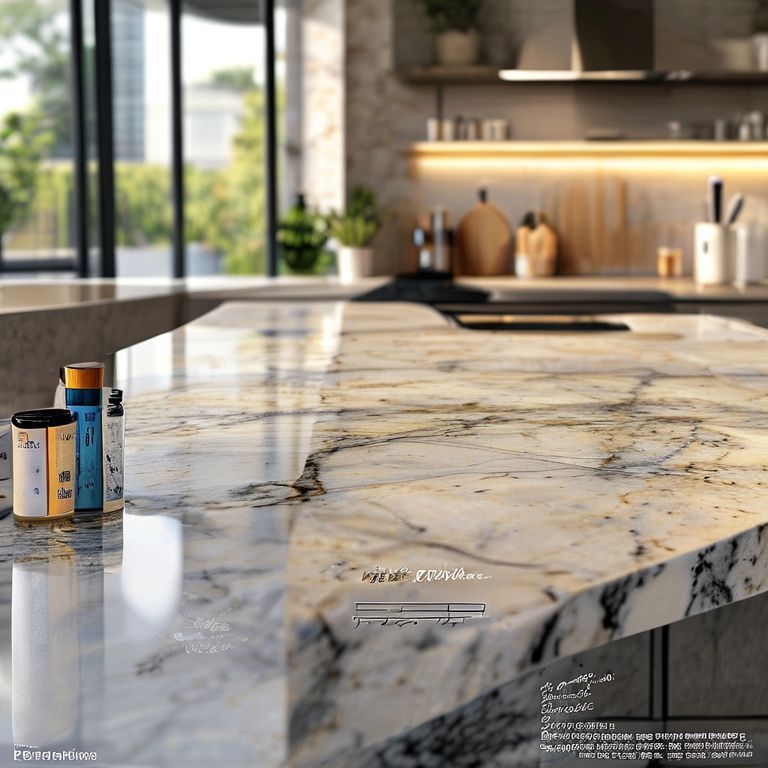
Unveiling the Intricacies of Engineered vs. Natural Marble
Introduction:
When it comes to selecting marble for your home or commercial project, understanding the difference between engineered marble and natural marble is essential. Both materials offer unique aesthetic and functional properties, but they diverge significantly in terms of origin, durability, and cost. This first part of our exploration will delve into the fundamental characteristics of engineered and natural marble, shedding light on their respective qualities and applications.

Engineered Marble:
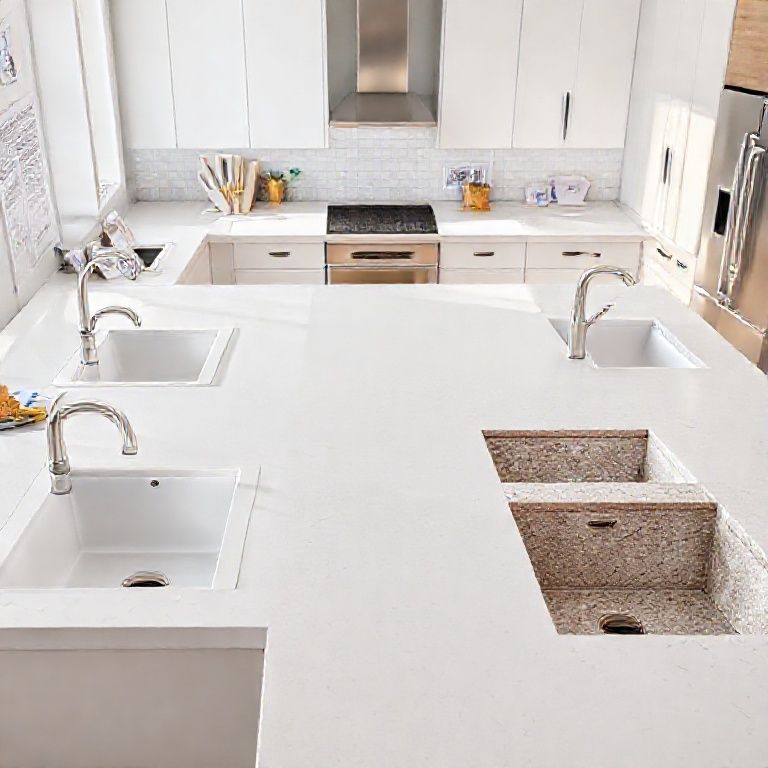
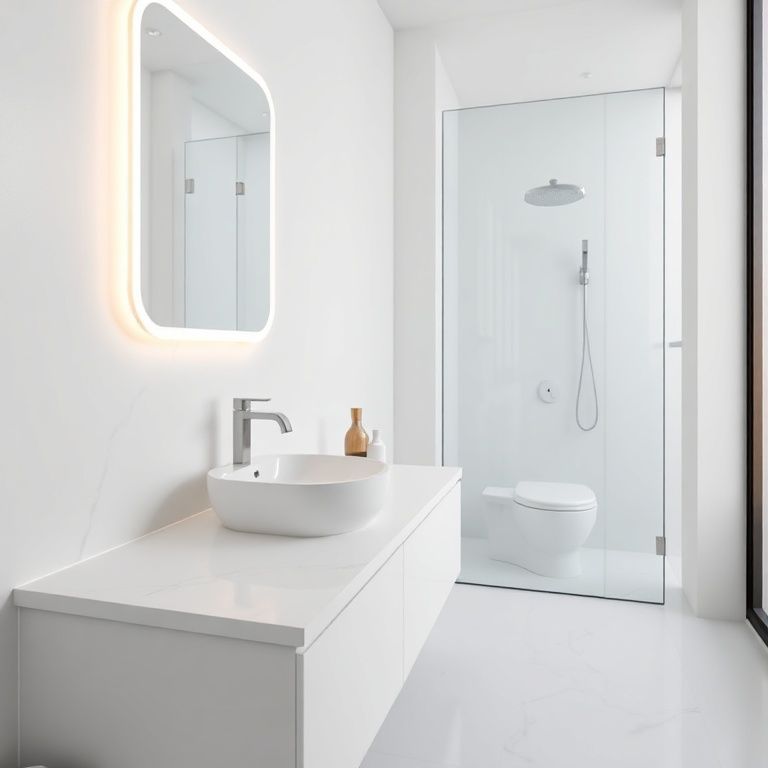
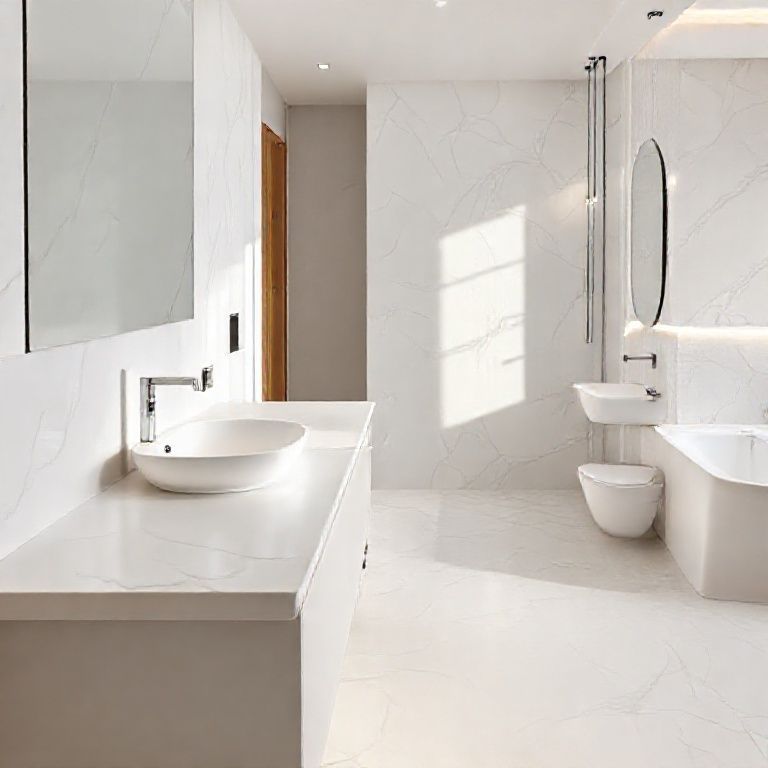
Engineered marble, also known as synthetic marble, is a composite material made from a mixture of natural marble powder and resin. This process creates a surface that mimics the look of natural marble while offering enhanced durability and flexibility.
Characteristics:
Durability and Maintenance: Engineered marble is renowned for its superior durability. It is less prone to scratching, staining, and etching compared to natural marble. This makes it an ideal choice for high-traffic areas where wear and tear are common. Additionally, engineered marble is relatively easy to maintain, requiring only a simple wipe-down with a mild cleaner.
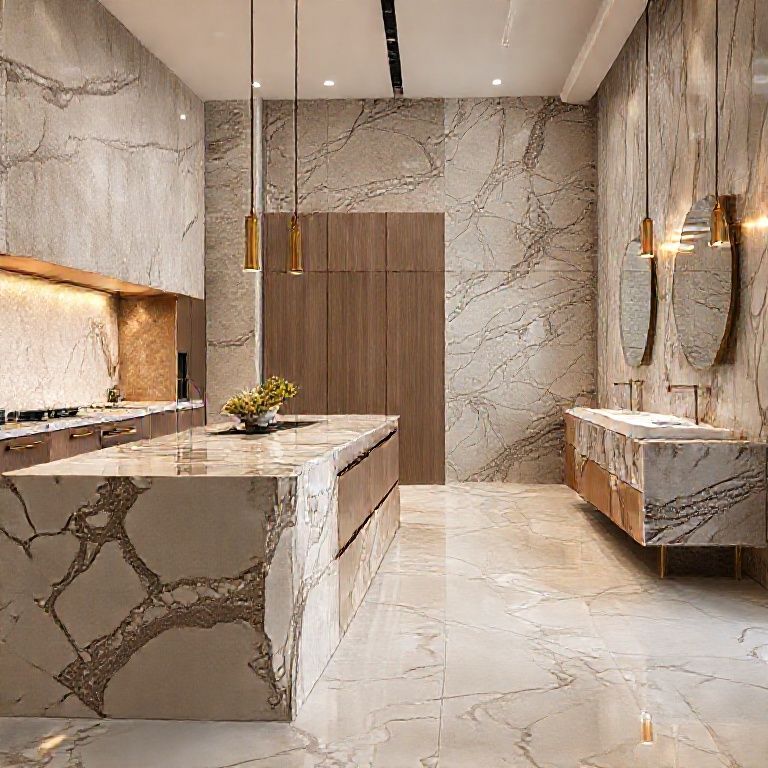
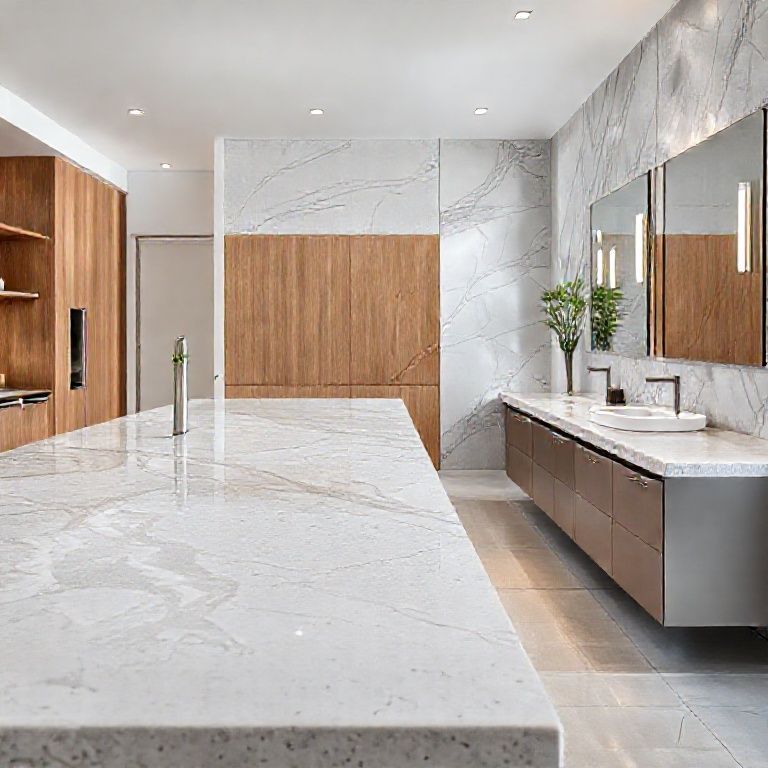
Color and Design: One of the most significant advantages of engineered marble is its versatility in color and design. Manufacturers can create a wide array of patterns and colors, allowing for custom designs that can match or exceed the natural beauty of traditional marble.
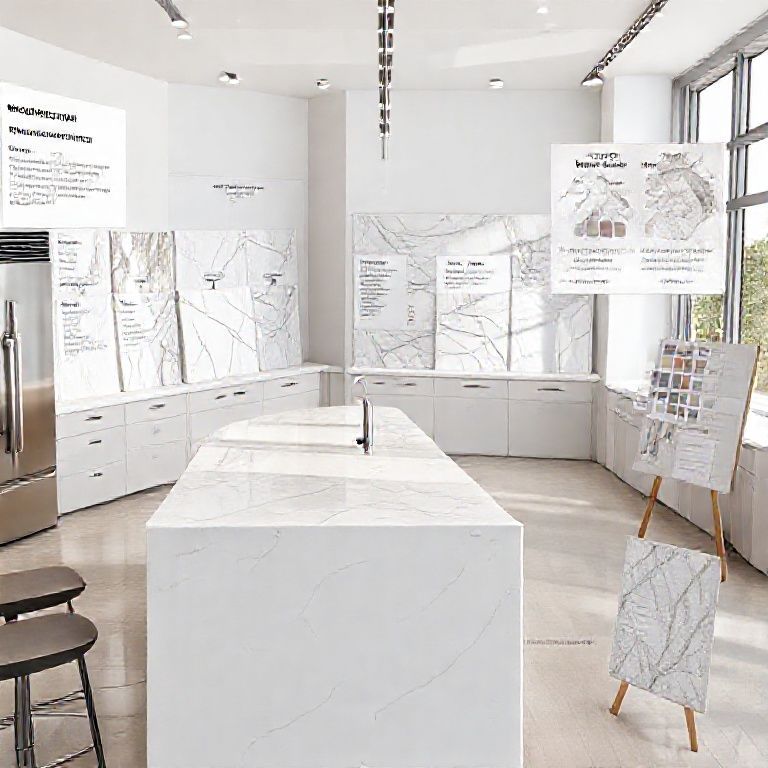
Cost-Effectiveness: Given its synthetic nature, engineered marble generally comes at a more affordable price point. The production cost is lower due to the use of marble powder and resin rather than quarrying natural stone. This makes it a popular choice for those looking to achieve marble-like aesthetics without the premium price tag.
Thickness and Flexibility: Engineered marble can be manufactured in various thicknesses, making it versatile for different applications. It is also flexible, allowing for easier installation on curved or complex surfaces. This flexibility makes it an excellent choice for modern architectural designs that require innovative solutions.
Natural Marble:
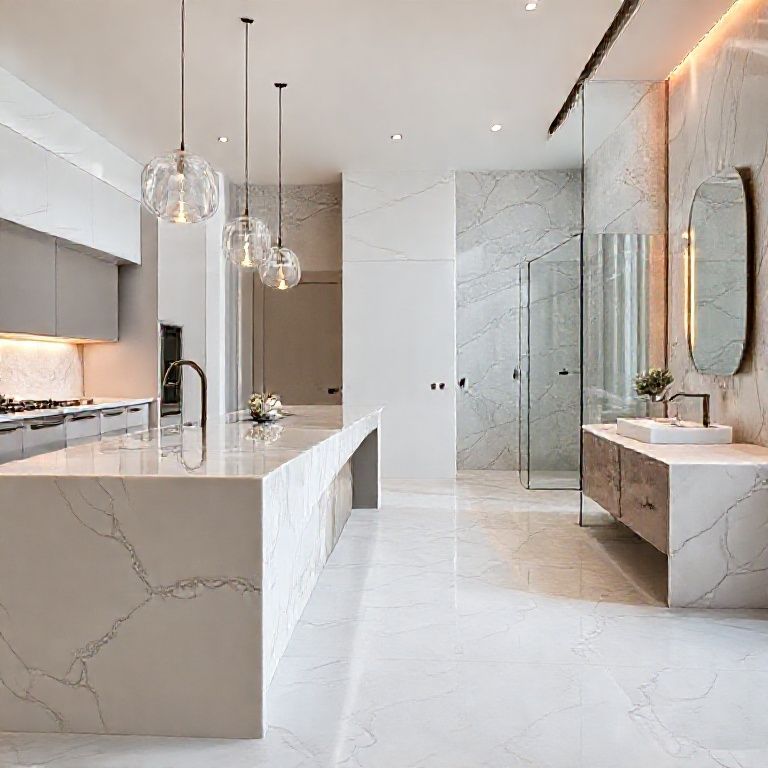
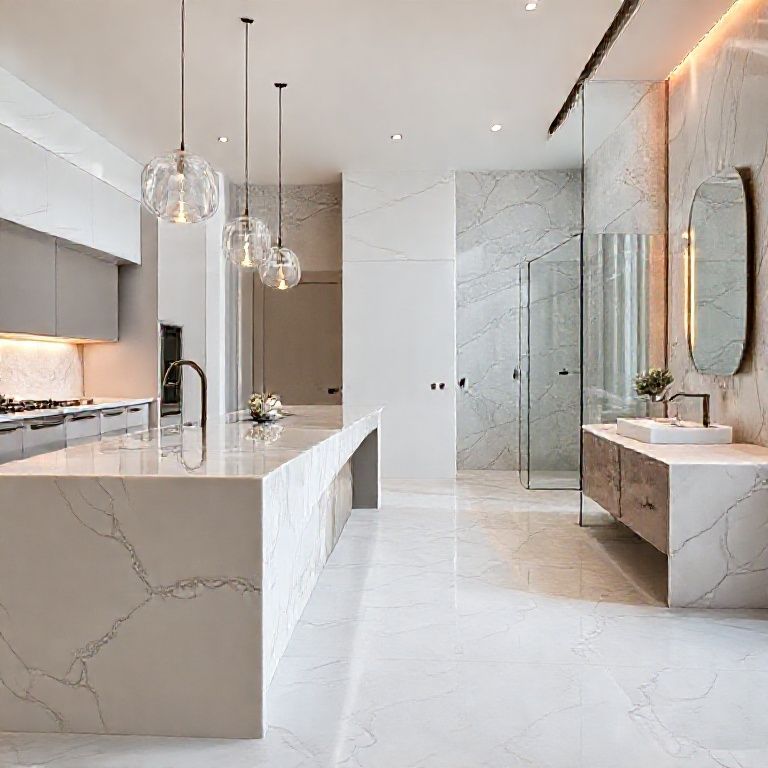
Natural marble, on the other hand, is quarried from natural stone deposits and is prized for its authentic beauty and timeless elegance. It is a solid stone composed of calcite, which forms unique patterns and colors in each piece.
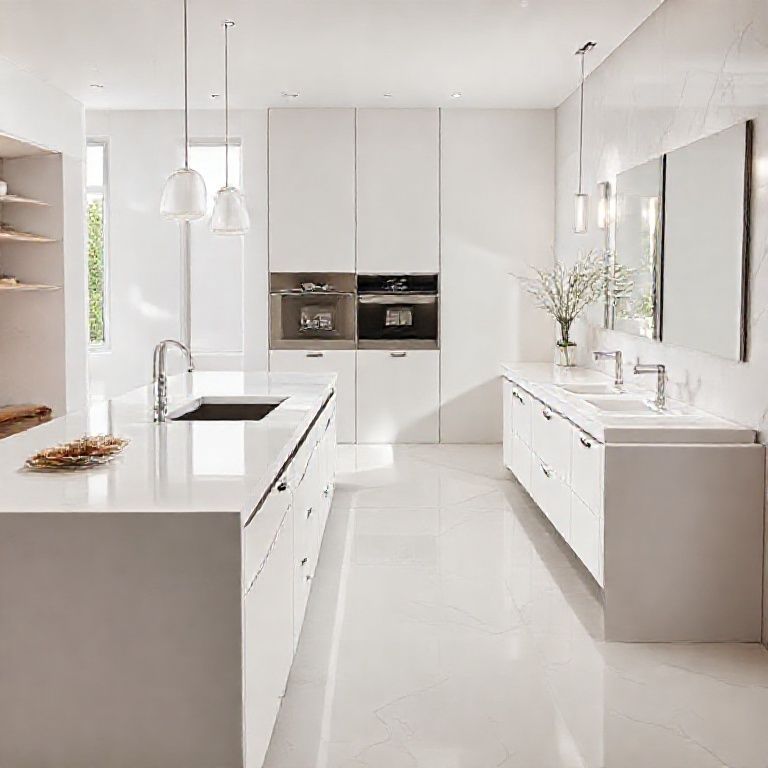
Characteristics:
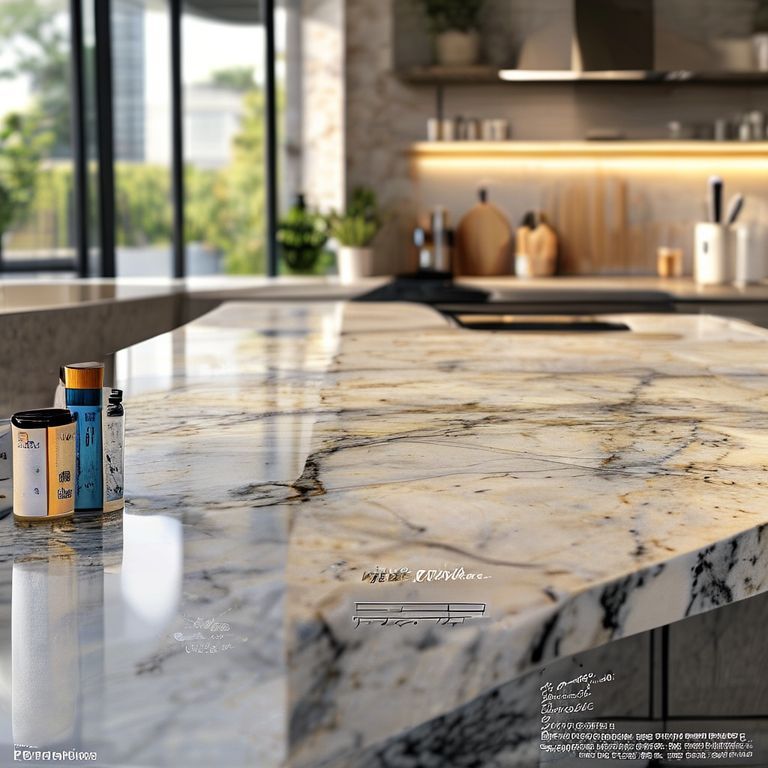
Authenticity and Aesthetics: Natural marble is celebrated for its unique and genuine aesthetic qualities. Each piece is one-of-a-kind, with intricate veining and color variations that create a sense of authenticity and luxury. The natural beauty of marble has been admired for centuries and continues to be a favorite among designers and homeowners who seek timeless elegance.
Durability and Maintenance: While natural marble is incredibly durable and has a long lifespan, it requires more careful maintenance. It is more susceptible to scratches, stains, and etching, necessitating the use of specialized cleaning products and regular sealing to preserve its beauty. Proper care can extend the life of natural marble, but it demands a higher level of upkeep compared to engineered marble.
Cost: The cost of natural marble is generally higher due to the labor-intensive process of quarrying and the unique characteristics of each piece. The price varies widely based on the type of marble, its color, and the quality of the veins. High-end marbles like Carrara and Travertine command premium prices due to their exceptional beauty and rarity.
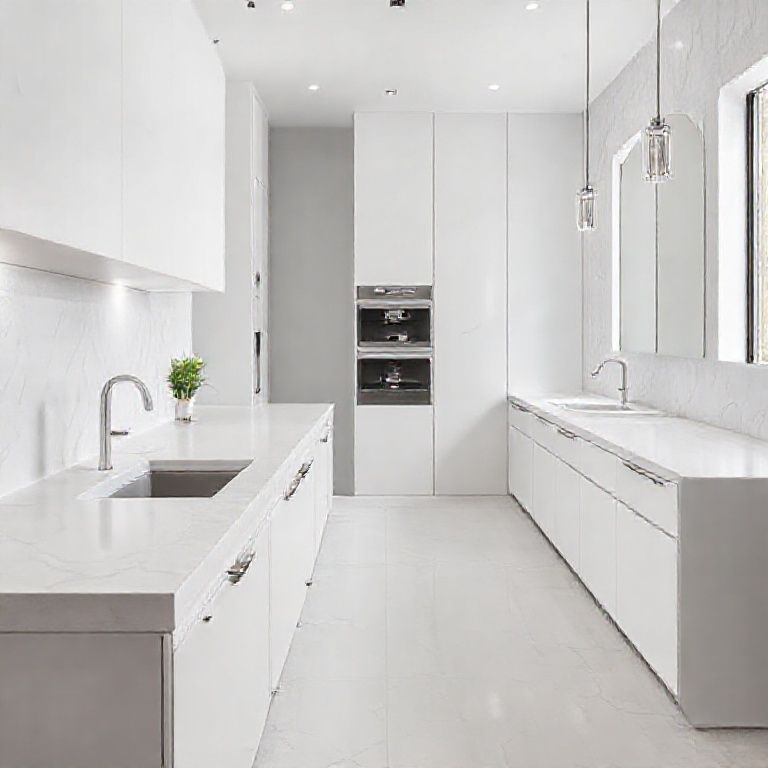
Weight and Installation: Natural marble is significantly heavier than engineered marble, which can complicate installation, especially in areas where weight is a concern. It also requires careful handling to avoid damage during transportation and installation.
Applications:
Both engineered and natural marble find applications across various sectors, from residential to commercial spaces.
Residential: Engineered marble is often used in kitchens, bathrooms, and living spaces where durability and ease of maintenance are prioritized. Its versatility allows for creative designs that can complement modern interiors.
Commercial: Natural marble is frequently chosen for commercial spaces such as hotels, offices, and public buildings where a sense of luxury and authenticity is desired. Its timeless appeal enhances the aesthetic value of high-profile locations.
Conclusion:
Understanding the distinctions between engineered and natural marble is crucial for making an informed decision. Engineered marble offers durability, design flexibility, and affordability, making it suitable for a wide range of applications. On the other hand, natural marble provides unparalleled authenticity and aesthetic beauty, though it comes at a higher cost and requires more meticulous care. The choice between these two types of marble ultimately depends on your specific needs, budget, and desired aesthetic.
Comparing Prices and Making an Informed Choice
Introduction:
Having explored the characteristics and applications of engineered and natural marble, we now turn our focus to the price aspect of these materials. In this second part of our article, we will delve into the cost comparisons between engineered and natural marble, providing insights to help you make a well-informed decision based on your budget and requirements.
Price Factors:
Several factors influence the cost of marble, including the type of marble, quality, design, and the region of purchase.
Engineered Marble Pricing:
Material Costs: The primary cost drivers for engineered marble are the natural marble powder and the resin used in its production. The cost of these materials can vary based on supply and demand, but generally, engineered marble is more affordable than natural marble.
Manufacturing Process: The manufacturing process for engineered marble is less labor-intensive compared to the extraction and processing of natural marble. This efficiency in production contributes to the lower cost of engineered marble.
Design and Customization: While engineered marble allows for a wide range of designs and colors, custom designs can add to the cost. However, because of its synthetic nature, achieving complex patterns and colors tends to be more economical compared to natural marble.
Thickness and Surface Finish: The thickness and surface finish of engineered marble also impact the price. Standard thicknesses are usually more affordable, but thicker or specially finished pieces may cost more.
Installation Costs: Engineered marble is generally easier to install due to its lightweight and flexibility. This can reduce overall installation costs, making it an attractive option for many projects.
Natural Marble Pricing:
Quarrying and Extraction: The cost of natural marble is significantly influenced by the labor-intensive process of quarrying and extracting the stone. High-quality marble from renowned quarries comes at a premium price due to the difficulty and expense of obtaining the raw material.
Processing and Finishing: The processing and finishing of natural marble, including cutting, polishing, and sealing, add to its cost. The more intricate the design and the finer the finish, the higher the price will be.
Variability in Quality: The quality of natural marble can vary greatly between different pieces, even within the same quarry. High-quality marble with exceptional veining and color can fetch much higher prices compared to more standard pieces.
Transportation Costs: Due to its weight, natural marble can incur higher transportation costs, especially for long distances. This adds to the overall price of the material.
Maintenance Costs: While not a direct cost during installation, the maintenance of natural marble can incur additional expenses over time. Regular sealing and professional cleaning are often required to maintain its beauty and longevity, which can add up over the years.
Cost Comparison:
Budget Range: Engineered marble typically falls in the budget range of $10 to $40 per square foot, depending on the design and quality. Natural marble, on the other hand, can range from $30 to $100+ per square foot, with some high-end varieties costing significantly more.
Long-term Value: While engineered marble offers excellent value for its price, natural marble’s long-term value lies in its timeless appeal and ability to appreciate in value over time. However, the higher initial cost of natural marble may not always be recouped through increased resale value.
Investment vs. Convenience: For those prioritizing convenience and affordability, engineered marble is an excellent investment. For those willing to pay a premium for authenticity and classic beauty, natural marble offers unmatched value.
Making an Informed Choice:
When deciding between engineered and natural marble, consider the following factors:
Budget: Determine your budget and see where you can allocate funds for the best value without compromising on quality. Maintenance: Consider how much time and effort you are willing to invest in maintaining your marble. Long-term Goals: Think about the long-term durability and aesthetic appeal you desire for your space. Design Preferences: Decide if you prefer the unique, one-of-a-kind beauty of natural marble or the versatile, customizable designs of engineered marble.
Conclusion:
无论你选择哪一种大理石,都有一些实用的建议可以帮助你更好地利用和保养这种材料。
1. 保养建议:
天然大理石:
定期清洁: 使用中性清洁剂和软布进行清洁,避免使用酸性或碱性清洁剂。
定期密封: 每年或每隔几年密封一次,以保护其抗污能力。
避免尖锐物品: 避免在大理石表面放置尖锐物品,以防止划伤。
人造大理石:
轻柔清洁: 使用中性清洁剂和软布进行清洁,避免使用过多水分,以防材料膨胀。
避免酸性物品: 尽量避免酸性食物和饮料直接接触大理石表面。
2. 安装建议:
天然大理石:
专业安装: 由于其重量和脆性,建议由专业人员进行安装。
适当的支撑: 确保表面有适当的支撑,以防止受力集中导致破损。
人造大理石:
简易安装: 由于其较轻和稳定,可以进行简单的自我安装,但仍建议请专业人员进行复杂的设计和安装。
防水性: 虽然人造大理石抗水性较好,但仍需注意防水条的使用,避免水分直接浸入。
3. 使用场景:
天然大理石:
高端场所: 适用于高端厨房、浴室、会议室等需要展示高品质和经典美感的场所。
经典设计: 传统设计和经典装修风格中尤为适用。
人造大理石:
现代设计: 适用于现代简约风格的厨房、浴室和其他装修场所。
多用途: 可用于台面、柜台、地板等多种场合,适用性强。
4. 环保与可持续性:
天然大理石:
矿物开采: 开采天然大理石会对环境造成一定影响,需考虑矿物开采的可持续性和环境保护。
人造大理石:
环保材料: 通常由再生材料制成,对环境影响较小,但生产过程中仍需注意有害物质的排放。