The Exquisite Process Behind Artificial Marble Production: Unveiling the Initial Steps
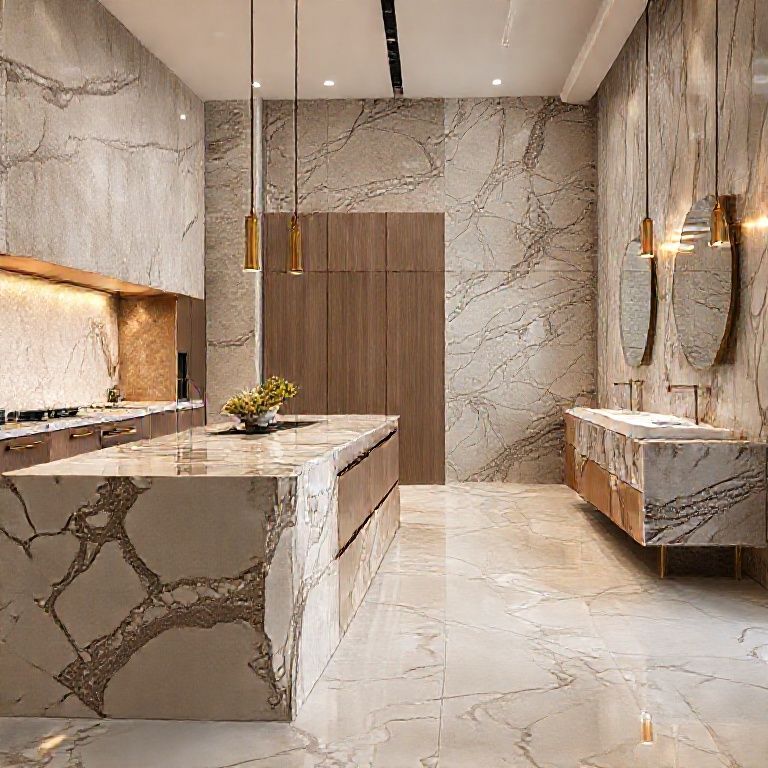
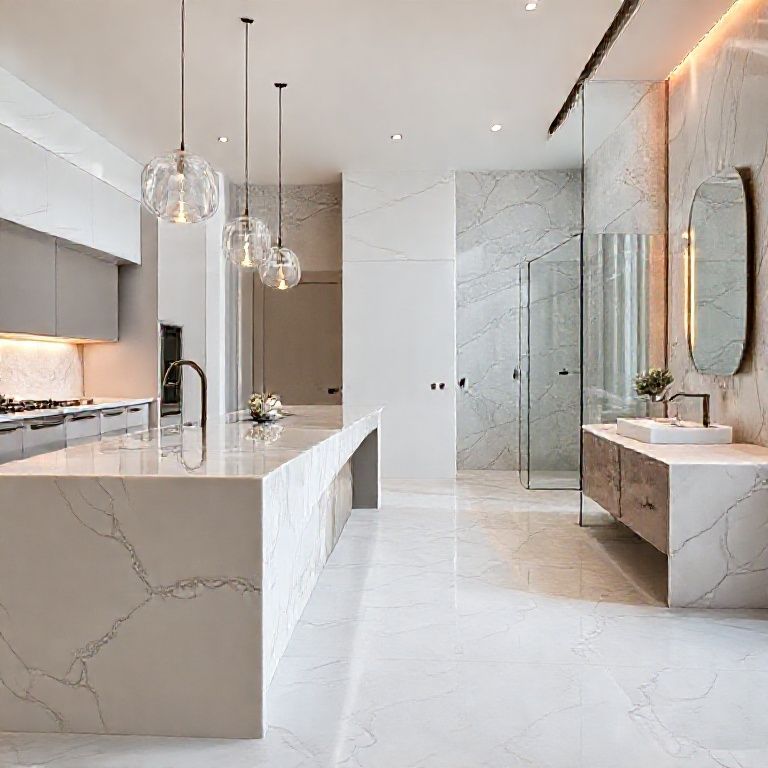
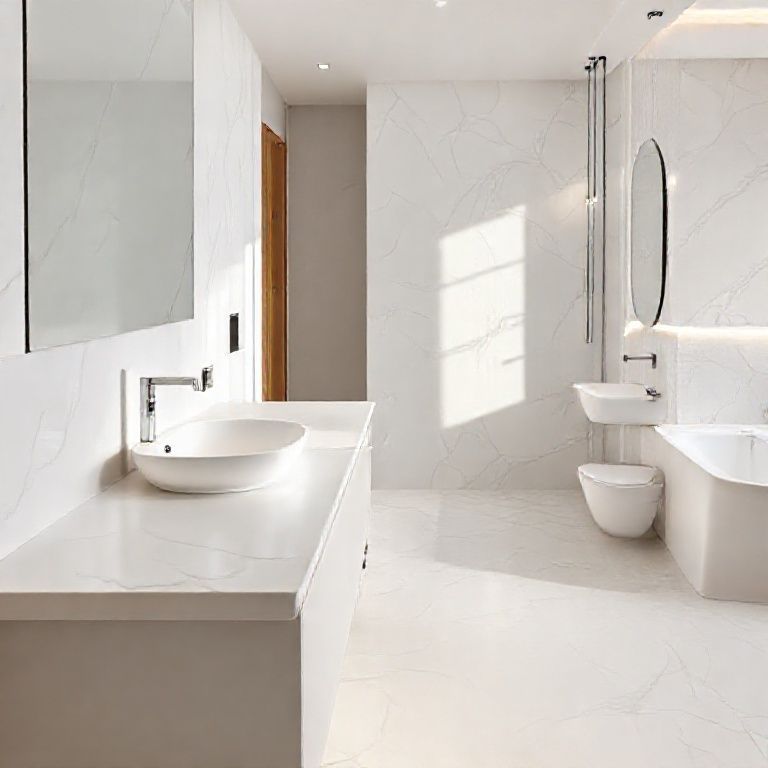
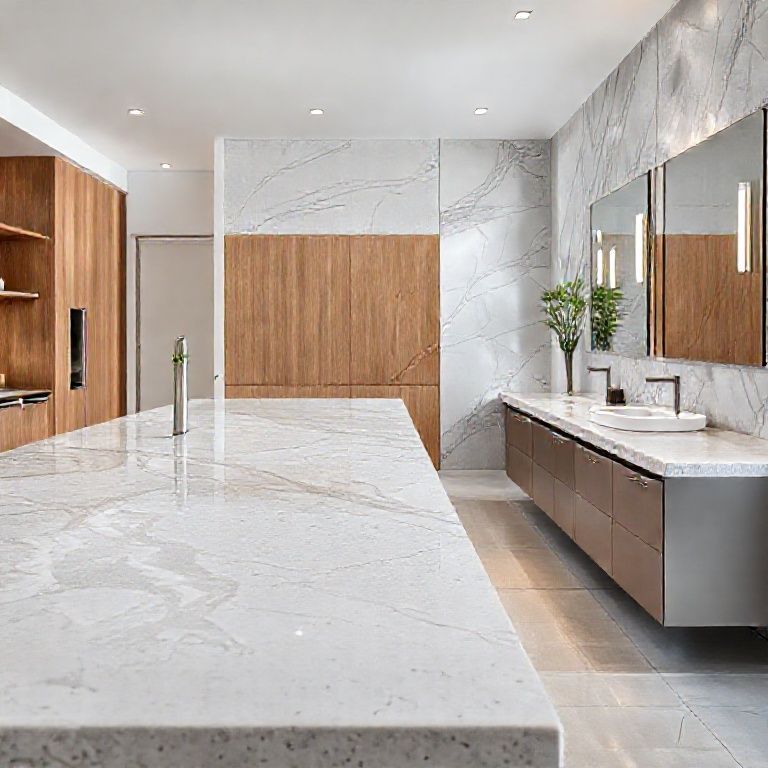
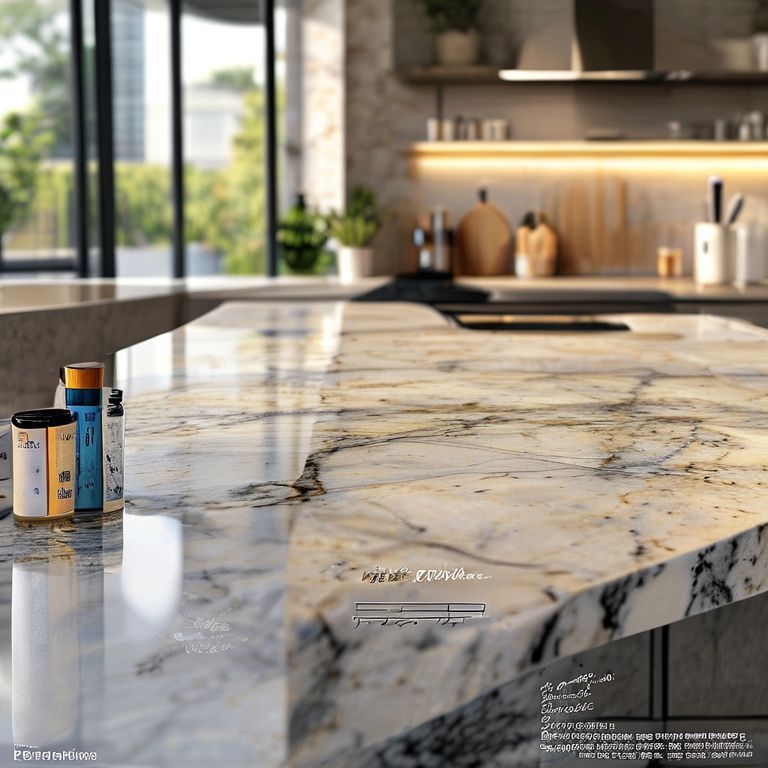
Artificial marble, often referred to as synthetic or engineered marble, has revolutionized the world of decorative materials. Its superior qualities—such as durability, aesthetic appeal, and ease of maintenance—have made it a popular choice for countertops, bathroom vanities, and other applications. The journey from raw materials to finished product is a sophisticated and intricate process, blending advanced technology with traditional craftsmanship.

Sourcing and Preparation of Raw Materials
The first step in artificial marble production involves sourcing high-quality raw materials. Typically, the primary ingredients include calcium carbonate (marble dust), various color pigments, and a polymer resin. These materials form the foundation of the artificial marble and must be of the highest purity to ensure the final product’s quality.
Calcium carbonate, derived from natural sources such as limestone or marble, provides the primary structure. The marble dust is finely ground to a consistent particle size, ensuring uniform distribution throughout the final product. The polymer resin acts as a binding agent, providing strength and flexibility. Color pigments are meticulously chosen to replicate the natural beauty of marble veins and patterns.
Mixing and Compounding
Once the raw materials are sourced, the next phase is mixing and compounding. This process involves combining the marble dust, polymer resin, and color pigments in precise proportions. The mixing process must be carefully controlled to achieve a homogeneous mixture. This is typically done using specialized equipment such as high-speed mixers and blenders.
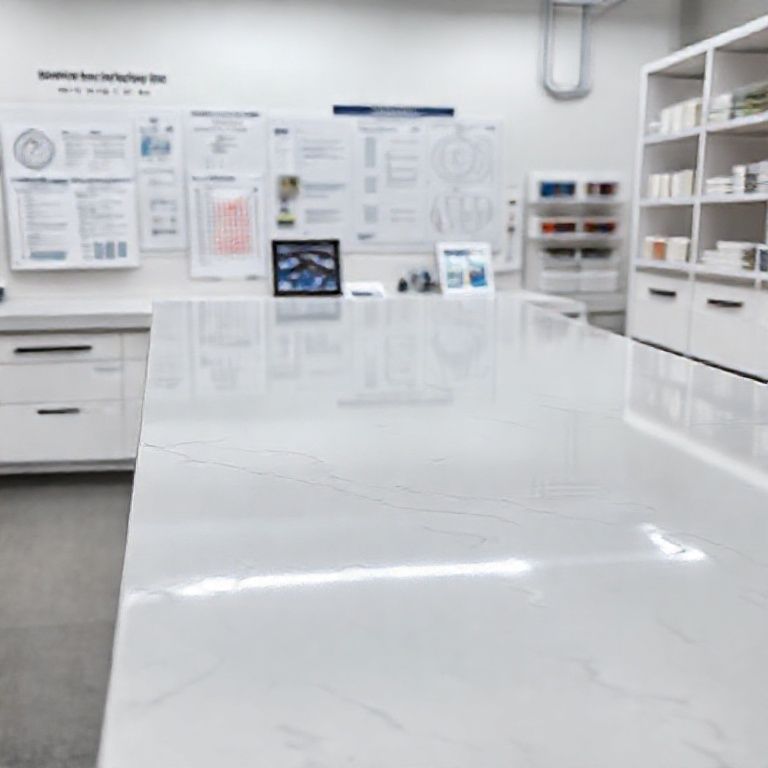
To achieve the desired consistency, the mixture is often subjected to a process called “dispersion,” where the marble dust particles are evenly distributed within the polymer resin. This step is crucial for ensuring the structural integrity and aesthetic quality of the artificial marble. The mixture is then allowed to rest, allowing the ingredients to fully hydrate and integrate.
Molding and Compression
With the raw materials thoroughly mixed, the next phase is molding and compression. This step involves placing the compounded material into molds designed to replicate the desired shape and form of the final product. The molds are typically made from steel or other durable materials to withstand the high pressures involved in this process.
Once the material is in place, it undergoes a compression process using hydraulic presses. These presses apply immense pressure to the material, compacting it and forcing the marble dust particles to bond tightly with the polymer resin. The pressure also helps to eliminate any air bubbles, resulting in a dense and uniform product.
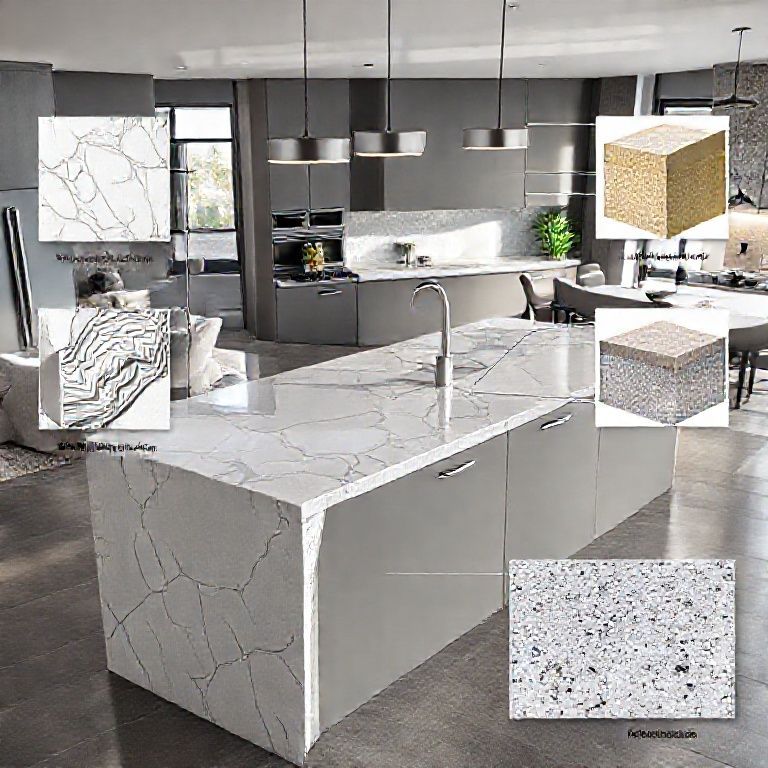
Curing and Finishing
After molding and compression, the material is subjected to a curing process. Curing involves exposing the compressed material to specific temperature and humidity conditions to allow the polymer resin to fully harden. This process typically takes several hours, during which the material is kept in a controlled environment to ensure even curing.
Once cured, the artificial marble is removed from the molds and undergoes a finishing process. This involves cutting and shaping the material to the desired dimensions and smoothing its surface to achieve a polished finish. Advanced cutting and grinding equipment are used to ensure precise and clean edges.
Quality Control
Throughout the production process, rigorous quality control measures are in place to ensure each piece of artificial marble meets the highest standards. This includes testing for strength, durability, and aesthetic consistency. Samples are often taken at various stages to ensure that the material meets the required specifications.
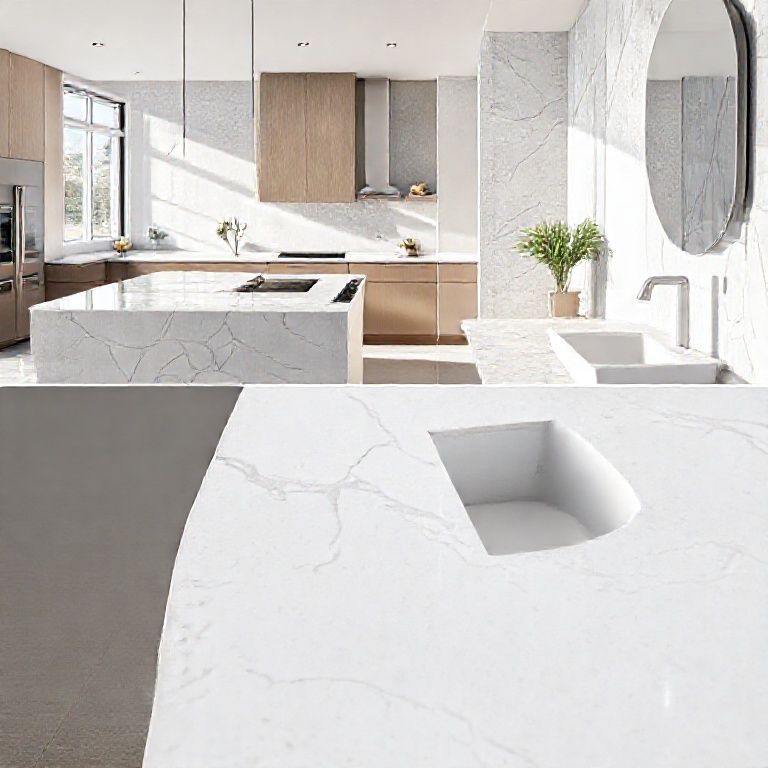
Environmental and Safety Considerations
Modern artificial marble production facilities prioritize environmental sustainability and safety. This includes implementing measures to minimize waste and emissions, as well as ensuring that all processes comply with environmental regulations. The use of eco-friendly materials and recycling practices further contributes to reducing the overall environmental impact.
The Exquisite Process Behind Artificial Marble Production: Exploring Finishing, Quality Assurance, and Innovations
The journey of artificial marble from raw materials to finished product is a testament to the blend of technology, precision, and artistry involved in its production. In this second part, we delve deeper into the finishing, quality assurance, and innovative advancements that make artificial marble a superior choice in the world of decorative materials.
Finishing Techniques
Once the artificial marble has been molded, compressed, and cured, it undergoes a series of finishing techniques to achieve its final polished and aesthetic appearance. These techniques are crucial for ensuring the product’s durability, beauty, and usability.
Surface Polishing
Surface polishing is one of the most critical finishing steps. It involves using various grades of abrasives to smooth and polish the surface of the artificial marble. The process begins with coarse abrasives to remove any imperfections and then progresses to finer abrasives for a high-gloss finish. Polishing machines equipped with diamond wheels or pads are commonly used for this purpose.
The polishing process requires skilled operators to ensure an even and uniform finish across the entire surface. Advanced polishing techniques, such as ultrasonic polishing, are also employed to achieve superior results.
Edge Treatment
Edge treatment involves refining the edges of the artificial marble to ensure clean, precise, and safe finishes. This step is essential for applications where the marble is used in countertops, vanities, or other furniture. Techniques such as chamfering, rounding, and beveling are used to create smooth and attractive edges.
High-precision cutting machines are utilized to achieve the desired edge treatments. These machines are equipped with diamond blades or wheels that can cut through the hard material without causing damage.
Coating and Sealing
To enhance the durability and water resistance of artificial marble, a coating or sealing process is often applied. This involves applying a protective layer of resin or sealant to the surface of the marble. The coating helps to prevent stains, scratches, and other forms of damage, making the material more suitable for high-traffic areas.
Advanced coating techniques, such as spray coating and roll coating, are used to ensure an even and uniform application. The coated marble is then cured under controlled conditions to allow the sealant to fully harden.
Quality Assurance
Quality assurance is a cornerstone of artificial marble production, ensuring that each piece meets the highest standards of performance and aesthetics. Comprehensive quality control measures are implemented at various stages of the production process to identify and rectify any issues.
Material Testing
Material testing involves analyzing the raw materials used in the production process to ensure they meet the required specifications. This includes testing for purity, particle size distribution, and chemical composition. Advanced laboratory equipment such as spectrometers and particle analyzers are used for these tests.
Process Monitoring
Throughout the production process, continuous monitoring is conducted to ensure that each step is carried out accurately. This includes monitoring the mixing, molding, compression, and curing processes to ensure optimal conditions are maintained. Advanced sensors and monitoring systems are used to track parameters such as temperature, pressure, and humidity.
Final Inspection
Once the artificial marble has been finished, it undergoes a final inspection to ensure it meets the required standards. This involves visual inspection for surface imperfections, edge quality, and overall aesthetics. Advanced inspection techniques, such as 3D scanning and laser profiling, are used to detect any discrepancies.
Innovative Advancements
The field of artificial marble production is continually evolving, driven by advancements in technology and a growing demand for innovative materials. Several advancements are shaping the future of artificial marble production.
Sustainable Materials
One of the major advancements is the development of sustainable materials. Manufacturers are increasingly using eco-friendly ingredients and reducing waste throughout the production process. This includes using recycled marble dust, biodegradable resins, and low-VOC (volatile organic compounds) materials.
Smart Marble
Another exciting innovation is the development of smart marble. This involves embedding sensors and other technologies into the artificial marble to enable advanced functionalities. Smart marble can be used for applications such as touch-sensitive surfaces, where sensors detect user input and trigger specific actions.
Advanced Manufacturing Techniques
Advances in manufacturing techniques are also enhancing the quality and efficiency of artificial marble production. Techniques such as 3D printing and additive manufacturing are being explored to create complex shapes and designs that were previously difficult to achieve.
Customization
Customization is another area where innovation is making a significant impact. Manufacturers are developing systems that allow for the creation of bespoke artificial marble pieces tailored to specific client requirements. This includes custom colors, patterns, and shapes, providing clients with unparalleled design flexibility.
Artificial marble production is a sophisticated and intricate process that combines advanced technology with meticulous craftsmanship. From the sourcing of raw materials to the finishing touches, each step is carefully controlled to ensure the highest quality and performance. As the industry continues to evolve, innovative advancements are shaping the future of artificial marble, offering new possibilities for its use in various applications. Whether for countertops, bathroom vanities, or decorative elements, artificial marble stands out as a superior choice in the world of decorative materials.