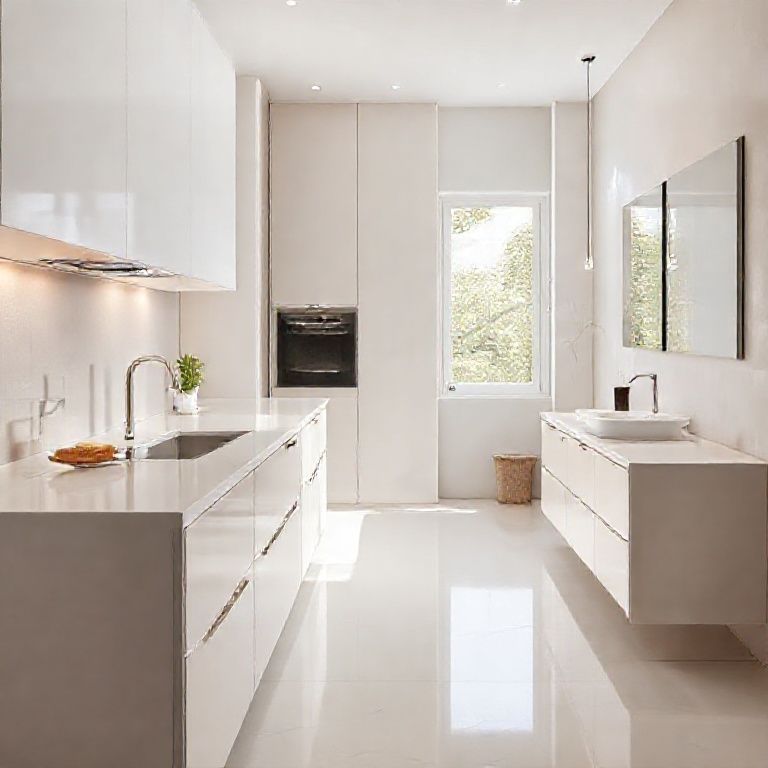
The Exquisite World of Artificial Marble: Understanding the Cost Composition of Dry-Glued Marble Materials

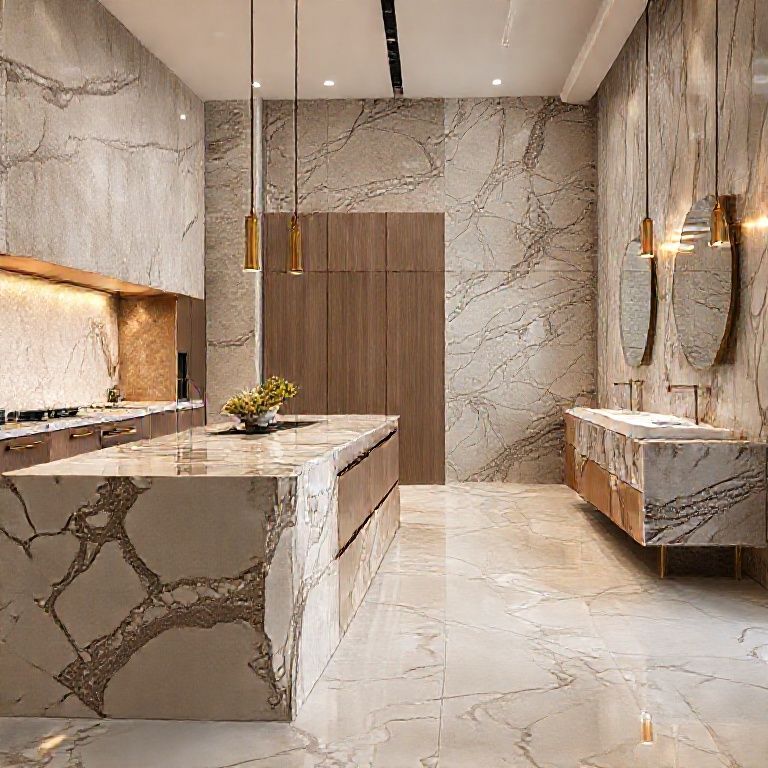
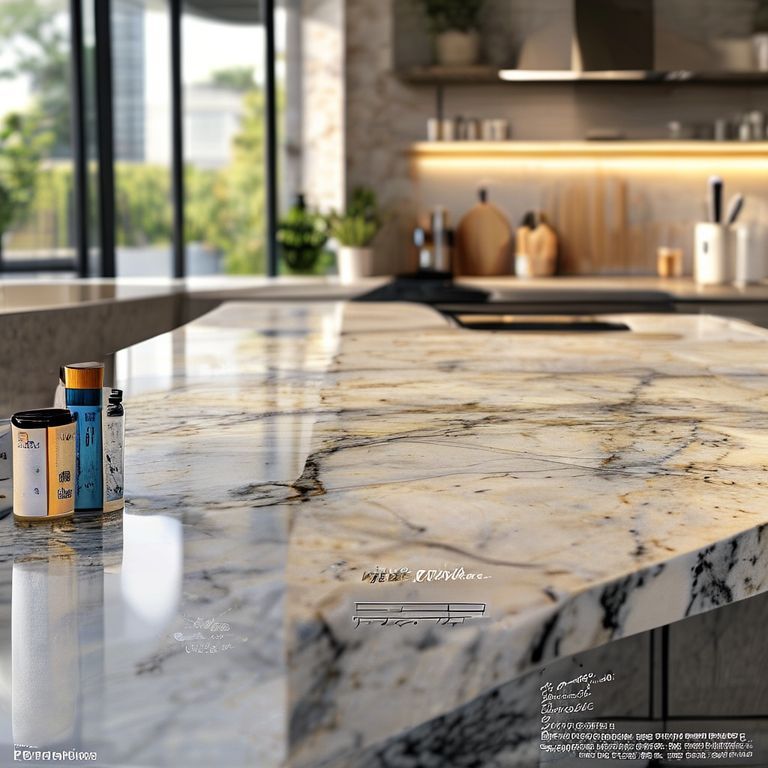
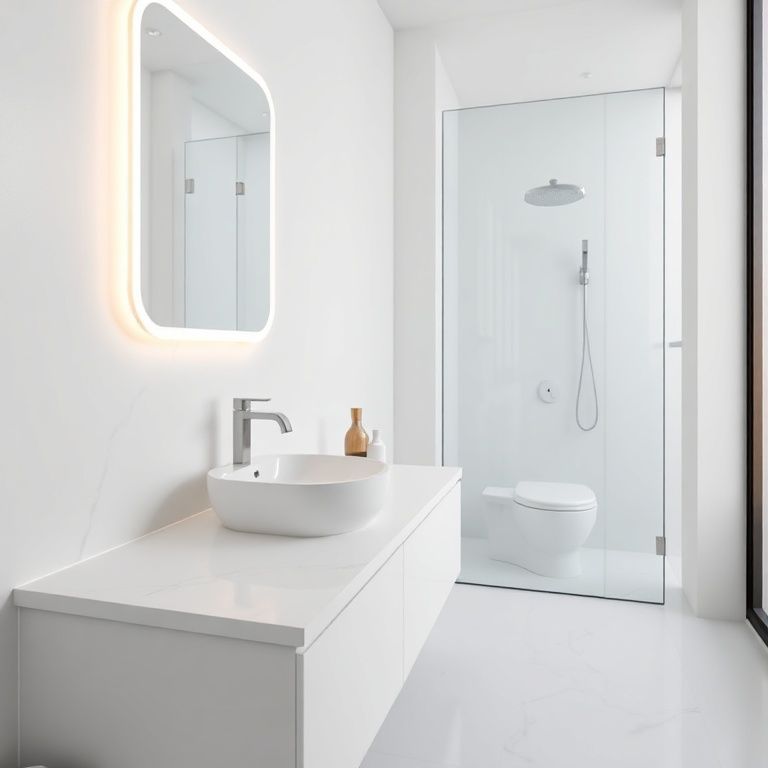
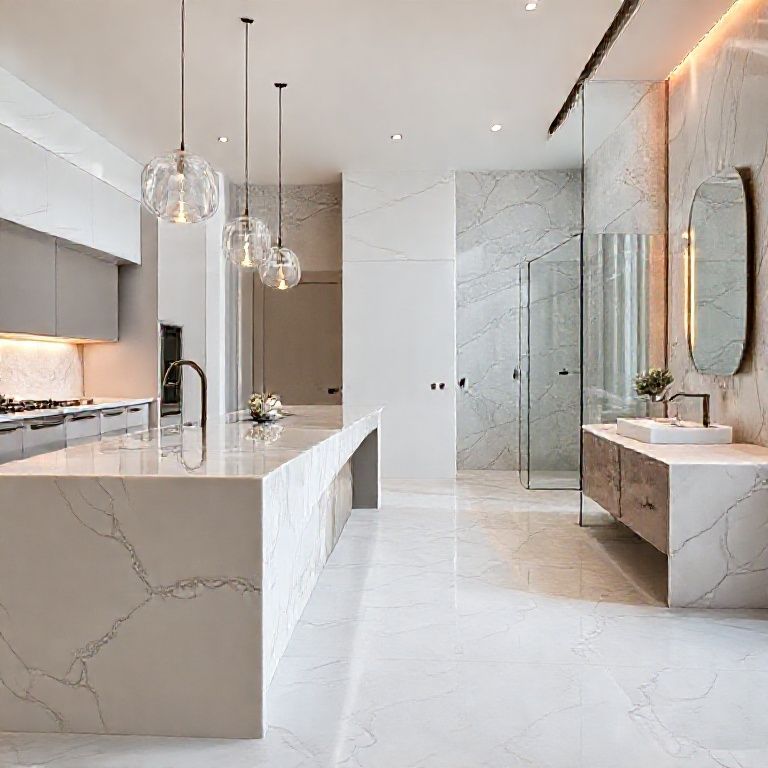
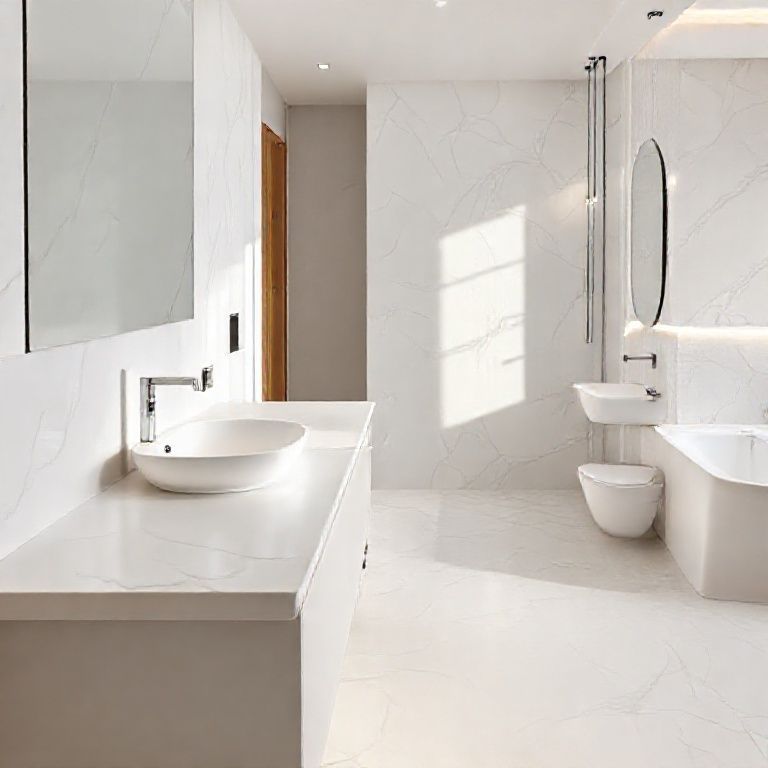
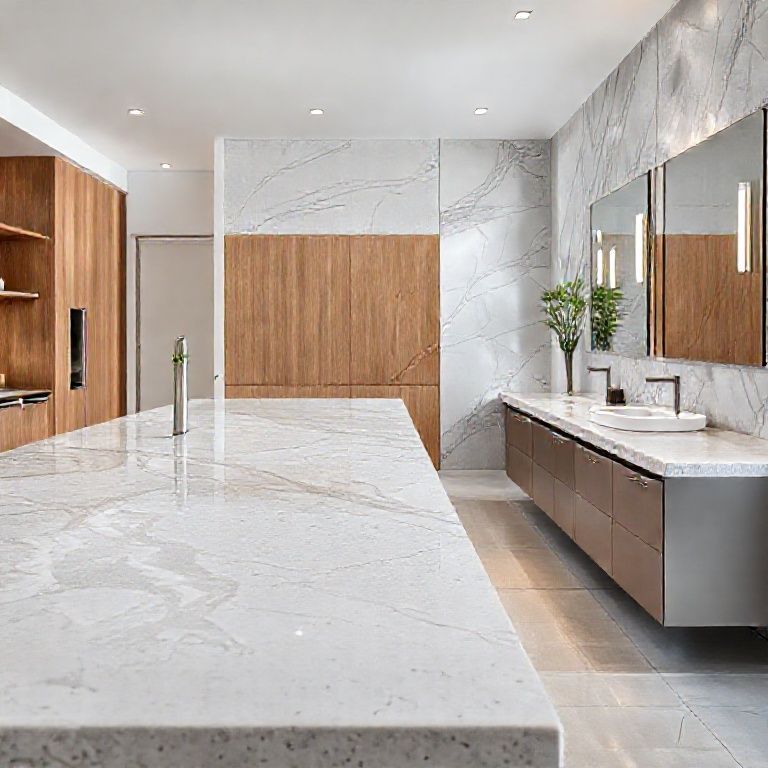
Artificial marble, also known as dry-glued marble, is an innovative and versatile material that has revolutionized the world of interior and exterior design. Its aesthetic appeal and durability make it an attractive option for many applications, from kitchen countertops to luxury flooring. However, understanding the cost composition of these materials is essential for anyone looking to invest in this high-quality product.
Material Composition
The cost of artificial marble is largely influenced by its material composition. Unlike natural marble, which is a product of geological processes, artificial marble is a composite material. It typically consists of a mixture of stone powder, resins, pigments, and other additives. The specific ratio and quality of these components play a crucial role in determining the final price. Higher quality stone powders and advanced resins contribute significantly to the cost but also ensure superior durability and appearance.
Manufacturing Process
The manufacturing process of artificial marble is another critical factor that affects its cost. The creation of this material involves precise techniques to ensure that the final product has a seamless, natural-looking finish. The process includes mixing, pressing, curing, and polishing. Advanced manufacturing technologies and skilled labor contribute to the overall expense. Facilities that employ state-of-the-art machinery and employ highly trained workers will naturally have higher production costs, which are reflected in the final price.
Pigments and Colors
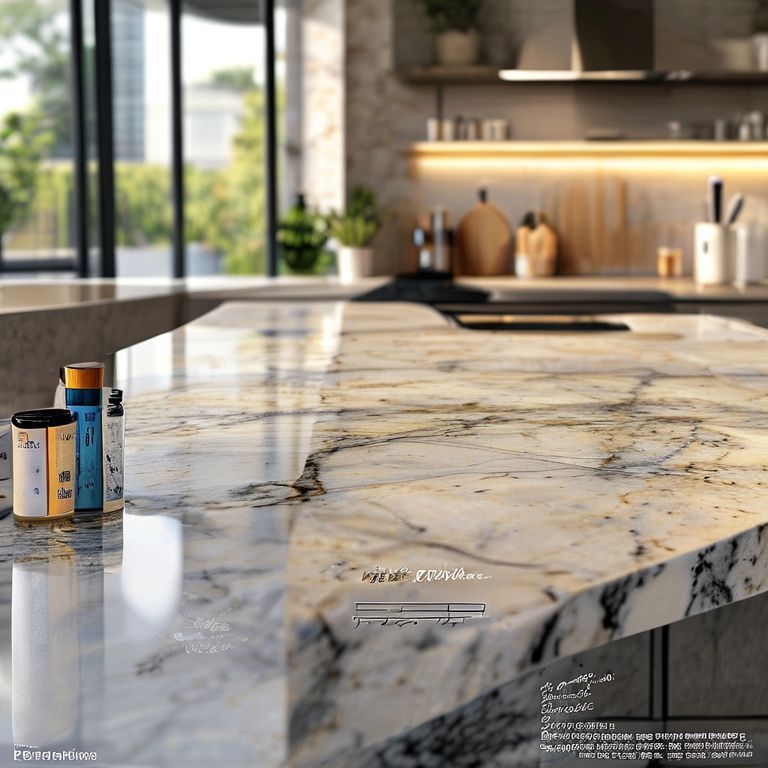
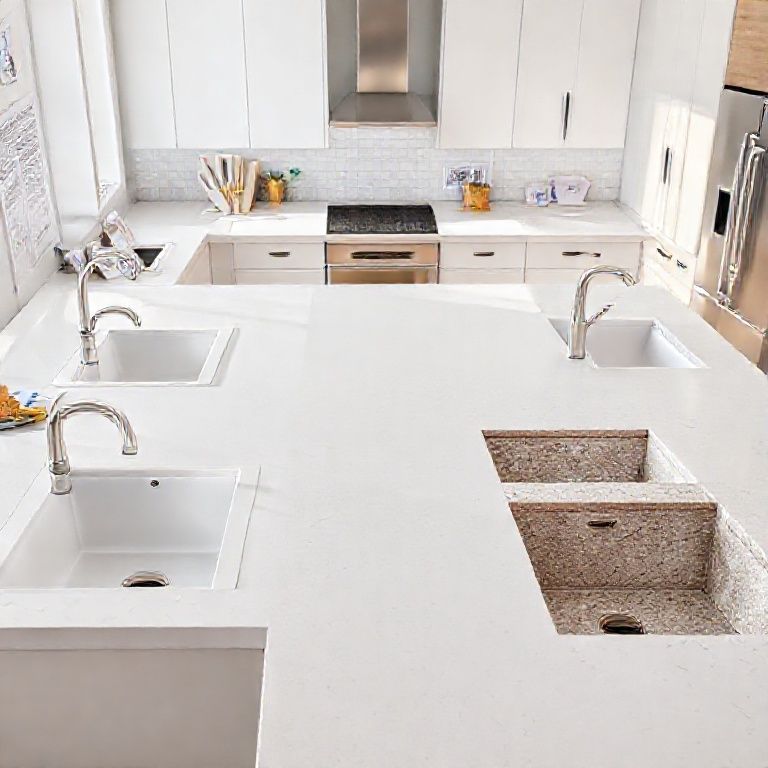
One of the most striking features of artificial marble is its ability to mimic the intricate patterns and colors of natural marble. The cost of artificial marble can vary widely depending on the complexity of the color and design. High-quality pigments and dyes are essential for achieving lifelike textures and colors. The more intricate the pattern, the higher the cost, as it requires more precise application and more advanced coloring technology.
Additives and Fillers
Additives and fillers are used to enhance the properties of artificial marble. These may include agents that improve hardness, scratch resistance, and water resistance. The inclusion of these additives can significantly affect the cost. High-performance additives are often sourced from specialized suppliers and contribute to the overall expense but also ensure that the final product meets high standards of durability and longevity.
Labor Costs
Labor costs play a vital role in the pricing of artificial marble. The labor required to produce this material is significant, involving skilled artisans and technicians. The complexity of the design and the need for meticulous attention to detail mean that labor costs can vary widely. For custom or highly intricate designs, labor costs will naturally be higher.
Quality Control
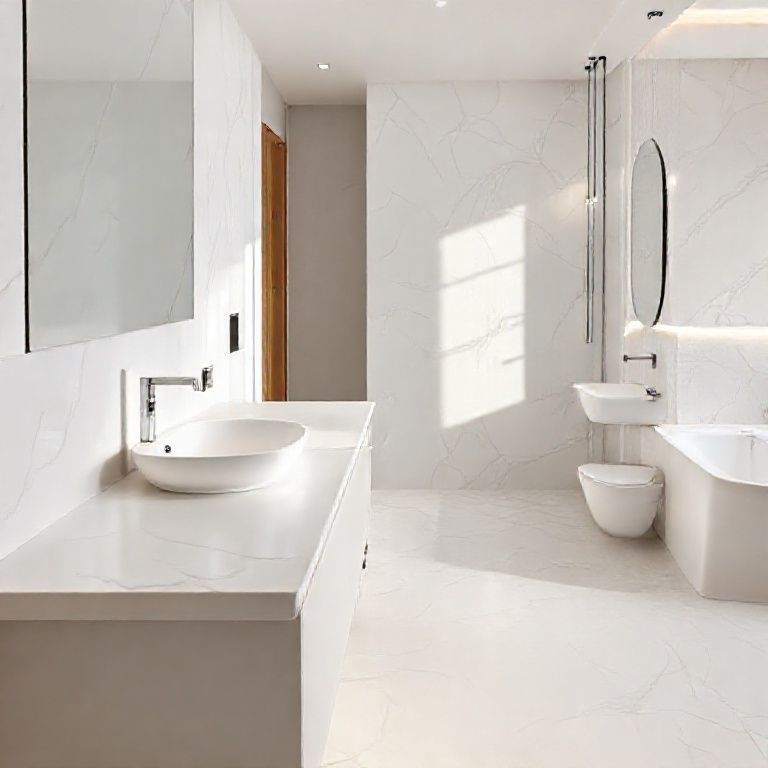
Quality control is an indispensable aspect of the manufacturing process for artificial marble. Rigorous testing and quality assurance processes are essential to ensure that each piece meets the highest standards of quality and durability. The cost of these quality control measures is factored into the overall price of the material. Higher quality control standards mean more thorough inspections and testing, which can drive up costs but ensure a product that exceeds customer expectations.
Transportation and Logistics
The cost of transporting and delivering artificial marble materials also plays a role in the final price. Depending on the location of the manufacturing facility and the destination, transportation costs can vary. Logistics, including the handling and storage of the material, also contribute to the overall expense. Companies that have efficient supply chains and logistics operations can often pass on lower costs to their customers.
Market Demand and Supply
The market demand and supply dynamics of artificial marble also influence its pricing. As with any commodity, the cost can fluctuate based on market trends. High demand for certain colors, designs, or sizes can drive up prices, while an oversupply can lead to lower prices. Understanding the market trends is crucial for both manufacturers and consumers.
Maintenance and Longevity
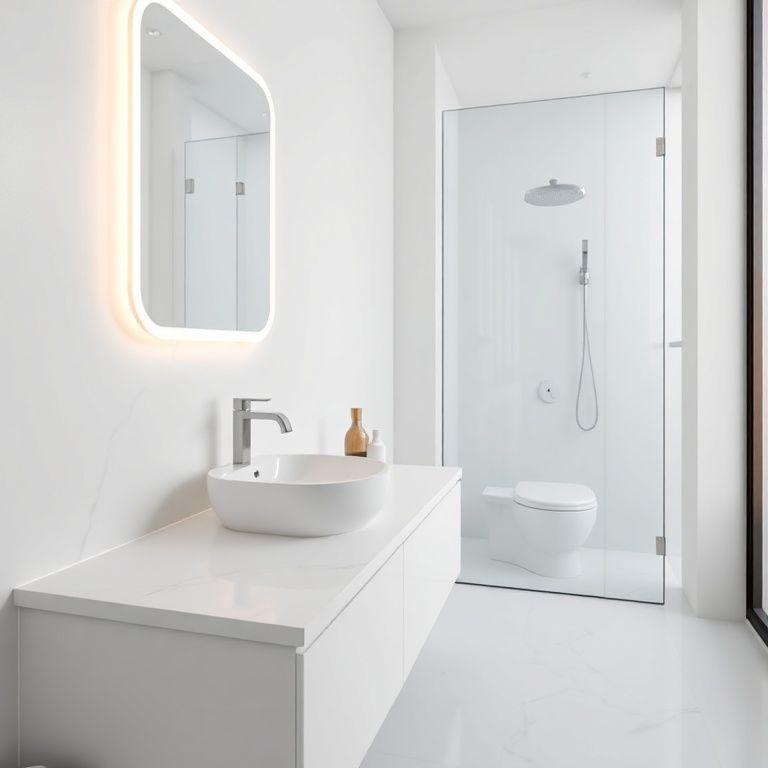
One often overlooked aspect of artificial marble pricing is its maintenance and longevity. Unlike natural stone, artificial marble requires minimal maintenance. This durability means that the long-term cost of ownership is lower, as there is no need for frequent repairs or replacements. When considering the overall cost of artificial marble, it’s important to factor in its low maintenance requirements and long lifespan.
Conclusion
In summary, the cost composition of dry-glued marble materials is multifaceted and influenced by several key factors. From the quality of raw materials and the complexity of the manufacturing process to the intricacies of pigments and additives, each element plays a role in determining the final price. Additionally, labor costs, quality control measures, transportation logistics, market demand, and maintenance requirements all contribute to the overall expense. By understanding these factors, consumers can make informed decisions and appreciate the value of investing in artificial marble for their design and construction needs.
The Exquisite World of Artificial Marble: Understanding the Cost Composition of Dry-Glued Marble Materials
Customization and Design Flexibility
One of the major advantages of artificial marble is the flexibility it offers in terms of customization and design. Unlike natural marble, which comes in a limited range of colors and patterns, artificial marble can be engineered to replicate virtually any design. This flexibility allows for the creation of bespoke pieces that can perfectly match specific design requirements.
The customization process involves intricate design planning and the use of advanced technology to achieve the desired look. Skilled designers and artisans work closely to bring unique and personalized designs to life. This level of customization adds to the cost, as it requires specialized expertise and sophisticated techniques. However, the ability to create one-of-a-kind pieces that meet specific aesthetic and functional needs is a significant value addition that justifies the higher price.
Environmental Impact and Sustainability
The environmental impact and sustainability of artificial marble are important considerations in today’s eco-conscious market. Unlike natural stone, which involves the extraction of raw materials from quarries, artificial marble is a manufactured product. This means that the production process can be designed to minimize environmental impact and maximize sustainability.
The use of recycled materials and the reduction of waste during the manufacturing process are key elements in making artificial marble a more sustainable option. While these practices may add to the cost due to the need for advanced recycling technologies and stringent waste management protocols, they also contribute to a lower environmental footprint. This sustainability aspect is increasingly important to consumers who prioritize eco-friendly materials in their design and construction projects.
Innovations and Technological Advancements
Innovation and technological advancements play a pivotal role in the evolution of artificial marble materials. The continuous development of new formulations, manufacturing techniques, and design technologies has led to significant improvements in the quality, durability, and aesthetic appeal of artificial marble.
Investments in research and development (R&D) by manufacturers drive the creation of new materials with enhanced properties such as greater strength, better resistance to wear and stains, and improved aesthetic fidelity. These innovations not only increase the cost of production but also result in superior products that offer more value to consumers. The use of cutting-edge technology in the production process ensures that artificial marble can meet and often exceed the performance expectations of natural stone.
Market Trends and Economic Factors
Market trends and economic factors also play a role in the pricing of artificial marble. The global market for artificial marble is influenced by various economic indicators such as raw material prices, labor costs, and overall economic stability.
For instance, fluctuations in the price of raw materials like stone powder and resins can directly impact the cost of artificial marble. Similarly, changes in labor costs, particularly in regions where manufacturing is concentrated, can influence pricing. Economic factors such as inflation, currency exchange rates, and trade policies also affect the overall cost structure of artificial marble materials.
Global Supply Chain and Economic Stability
The global supply chain and economic stability are significant considerations in the cost composition of artificial marble. The production and distribution of artificial marble involve multiple stages, from raw material sourcing to final product delivery. Disruptions in the supply chain, such as delays in the transportation of raw materials or geopolitical issues, can lead to temporary increases in costs.
Economic stability in the regions where manufacturing facilities are located also impacts pricing. Political and economic stability ensures a predictable cost structure, while instability can lead to unpredictable fluctuations in prices due to factors like labor unrest, regulatory changes, or infrastructure issues.
Consumer Preferences and Trends
Consumer preferences and trends significantly influence the pricing of artificial marble. As consumer tastes evolve, so do the demands for specific styles, colors, and designs. Trends such as the popularity of certain materials or finishes can drive up demand and subsequently affect pricing.
For example, if a particular color or design becomes highly sought after, manufacturers may need to adjust production to meet the demand, which can lead to temporary price increases. Understanding consumer preferences and staying ahead of trends are crucial for manufacturers to maintain competitive pricing and meet market demands.
Long-term Value and Cost Savings
While the initial cost of artificial marble might be higher compared to some other materials, it’s important to consider the long-term value and cost savings. Artificial marble is known for its durability and low maintenance requirements, which translate to lower long-term costs.
The longevity of artificial marble products means that they require fewer repairs and replacements over time. This durability not only enhances the aesthetic appeal but also reduces the need for frequent maintenance, whichlong-term Value and Cost Savings
While the initial cost of artificial marble might be higher compared to some other materials, it’s important to consider the long-term value and cost savings. Artificial marble is known for its durability and low maintenance requirements, which translate to lower long-term costs.
The longevity of artificial marble products means that they require fewer repairs and replacements over time. This durability not only enhances the aesthetic appeal but also reduces the need for frequent maintenance, which can be a significant cost factor in materials that are more prone to wear and damage. For instance, countertops made from artificial marble can withstand heavy use without showing signs of wear, while natural stone or other materials might require more frequent repairs or replacements.
Economic and Environmental Considerations
In addition to its practical benefits, artificial marble also offers economic and environmental advantages that can influence its overall cost-effectiveness. The production of artificial marble can be optimized to use fewer natural resources and generate less waste compared to the extraction and processing required for natural stone. This efficiency can lead to lower environmental impact and contribute to sustainable building practices.
Moreover, the manufacturing processes of artificial marble can be designed to be more energy-efficient, reducing the carbon footprint associated with production. By leveraging advanced technologies and sustainable practices, manufacturers can produce high-quality artificial marble that meets the rigorous demands of modern construction and design while being more environmentally friendly.
Conclusion
In conclusion, the cost composition of dry-glued marble materials encompasses a wide range of factors, from material quality and manufacturing processes to design flexibility and market trends. While the initial investment in artificial marble might be higher, its long-term benefits, including durability, low maintenance, and potential cost savings, make it a compelling choice for many applications.
Understanding these factors can help consumers and industry professionals make informed decisions, ensuring that they achieve the best balance between quality, performance, and value in their projects. Whether for commercial or residential applications, artificial marble offers a versatile and sustainable solution that continues to evolve with advancements in technology and design.
By appreciating the intricate details behind the cost composition of artificial marble, stakeholders can better navigate the market and leverage the unique advantages that this innovative material provides.