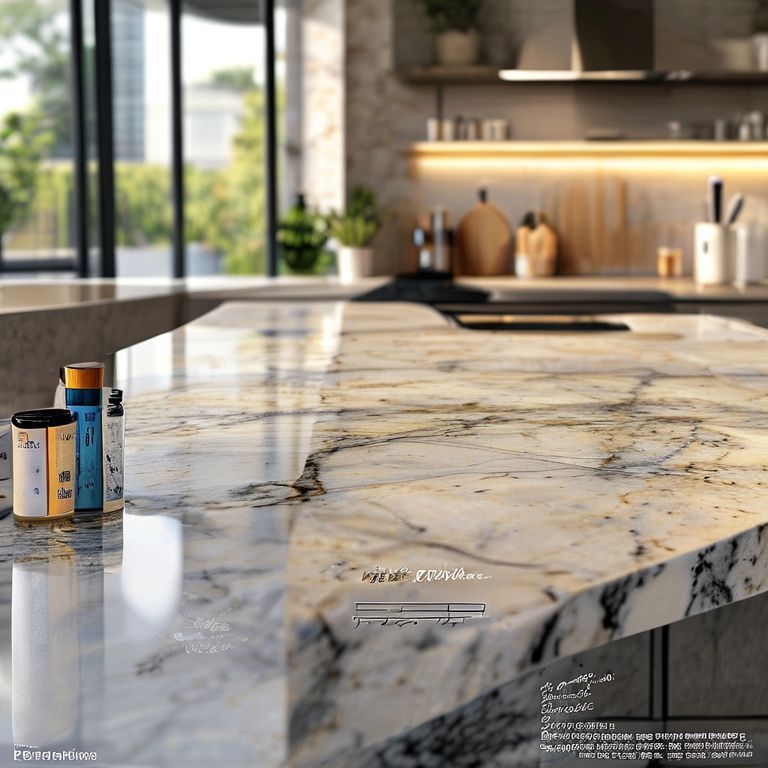
The Aesthetic and Functional Marvel of Artificial Marble
In today’s world of design and aesthetics, artificial marble stands out as a remarkable material for both residential and commercial spaces. Its beauty, durability, and versatility make it a preferred choice for many. But how much does this stunning material cost per meter? Let’s delve into the fascinating details of artificial marble and explore its myriad benefits.

The Beauty of Artificial Marble
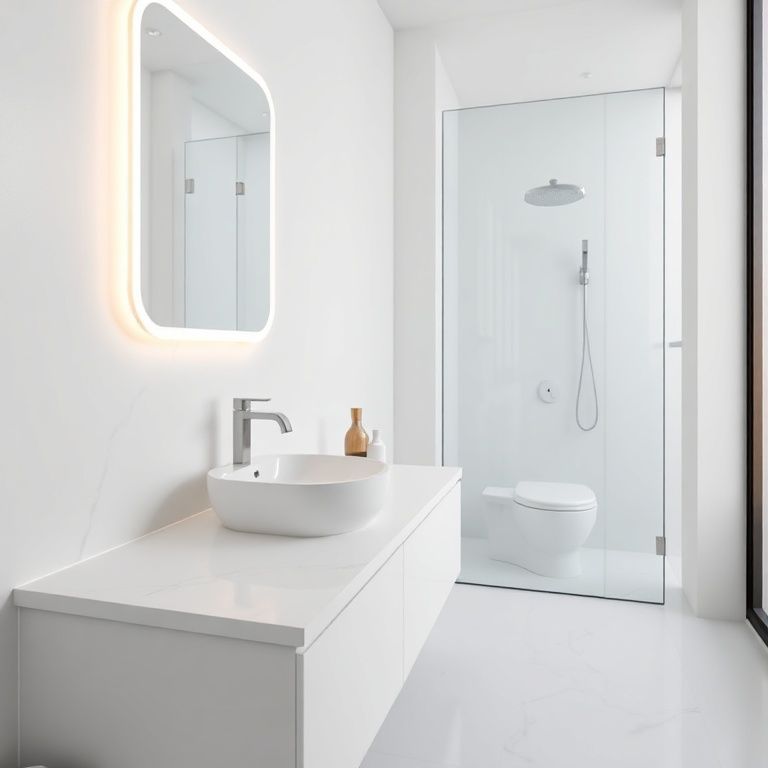
Artificial marble, also known as engineered marble or cultured stone, is a composite material made from a mixture of natural stone powders, such as calcite and marble, combined with resin. This combination results in a product that closely mimics the appearance of natural marble while offering numerous advantages.
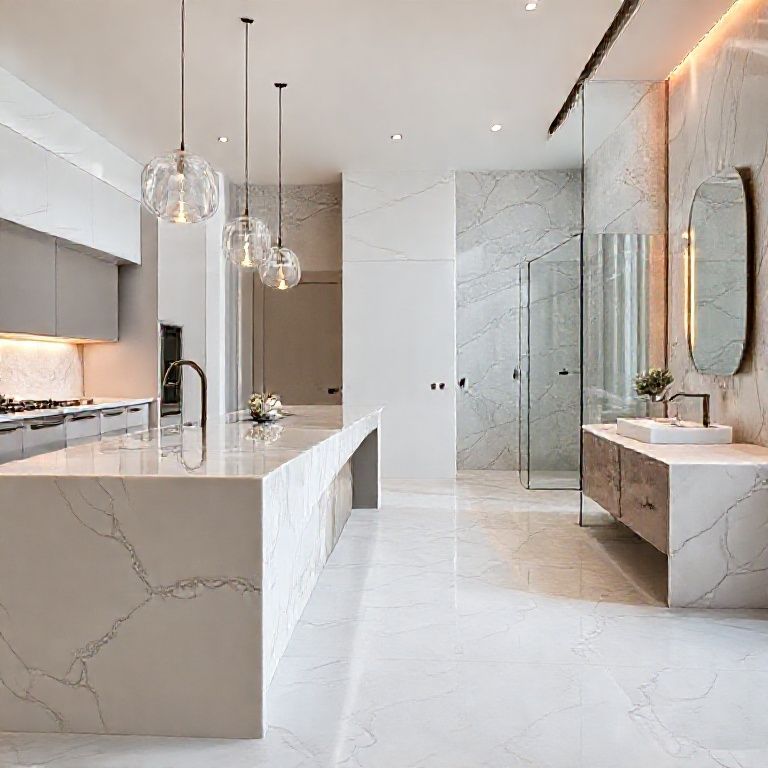
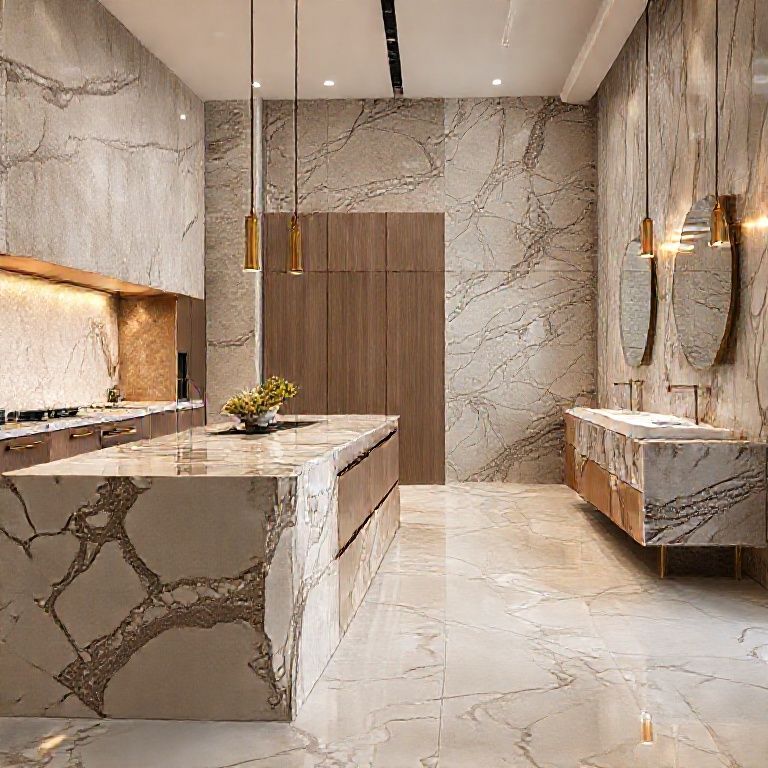
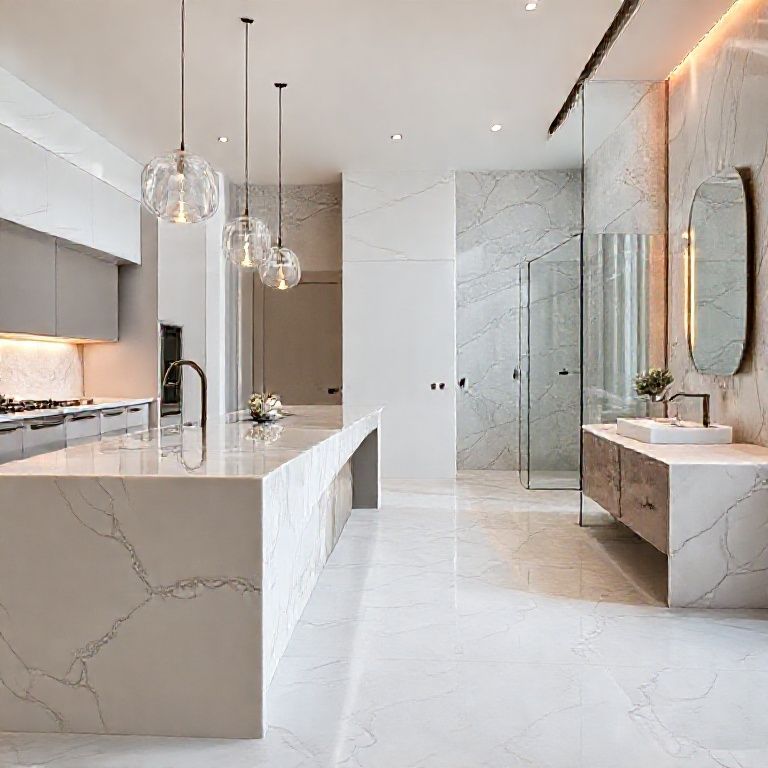
The beauty of artificial marble lies in its incredible visual appeal. It comes in an array of colors and patterns, allowing designers and homeowners to choose exactly what they want. Unlike natural marble, artificial marble can be crafted to include unique designs and intricate patterns, providing a level of customization that is nearly impossible to achieve with natural stone.
Durability and Maintenance
One of the most significant advantages of artificial marble is its durability. While natural marble can be prone to scratches, chips, and staining, artificial marble is remarkably resistant to these issues. It does not react to acidic foods or beverages, making it a perfect choice for kitchen countertops and dining tables.
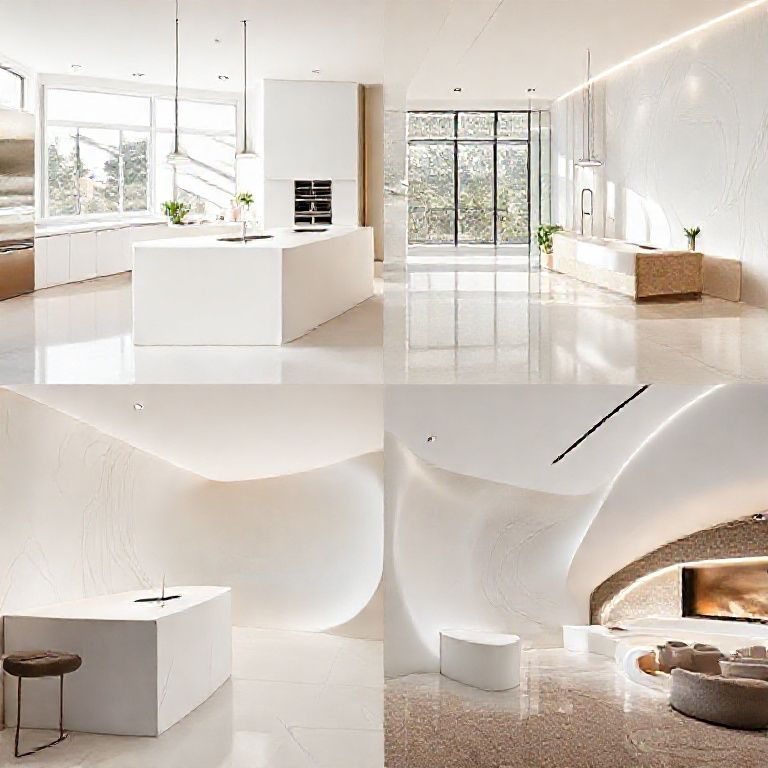
Maintenance is another area where artificial marble shines. Unlike natural stone, which often requires sealing and regular maintenance to protect its surface, artificial marble is relatively low-maintenance. A simple wipe with a damp cloth and mild cleaner is usually sufficient to keep it looking pristine.
Versatility in Design
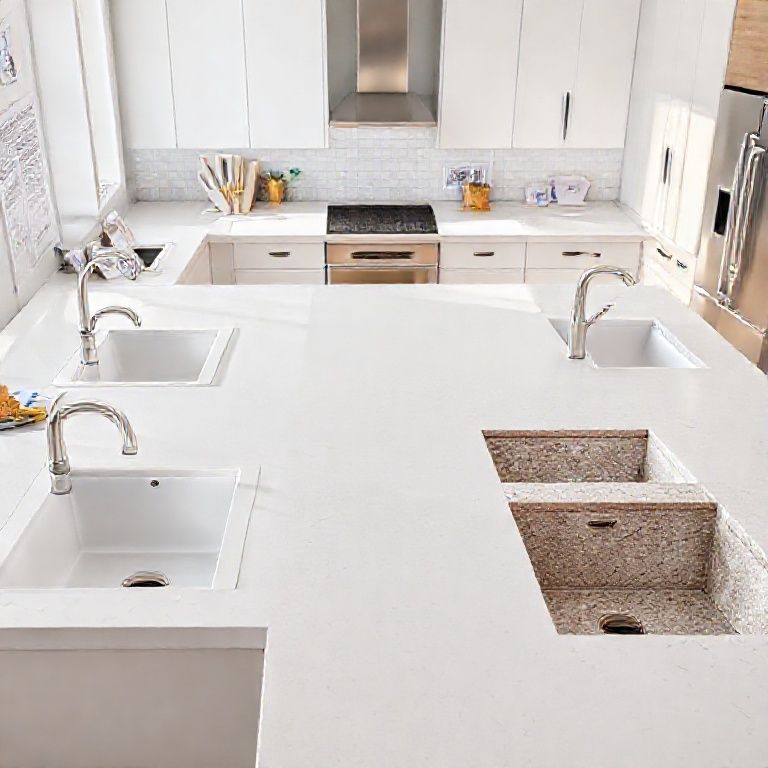
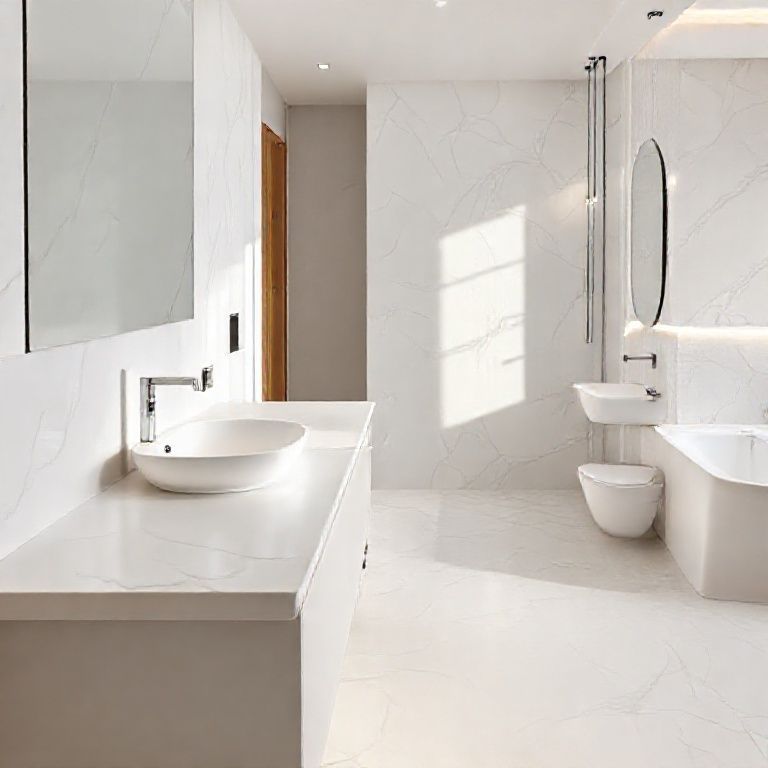
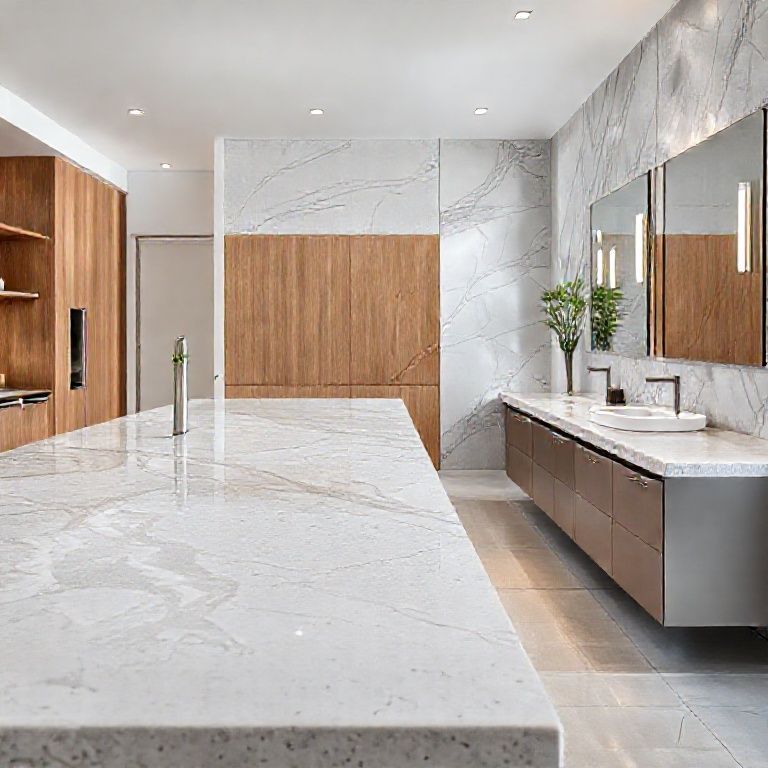
The versatility of artificial marble extends beyond its aesthetic and practical benefits. It can be used in various applications, from countertops and sinks to bathtubs, flooring, and even wall cladding. This flexibility makes it an excellent choice for both modern and traditional design styles.
Artificial marble’s ability to replicate the look of natural marble without the high cost and maintenance requirements makes it a highly desirable material. Whether you are renovating a kitchen, bathroom, or living space, artificial marble can provide a luxurious and elegant touch.
Factors Influencing the Cost per Meter
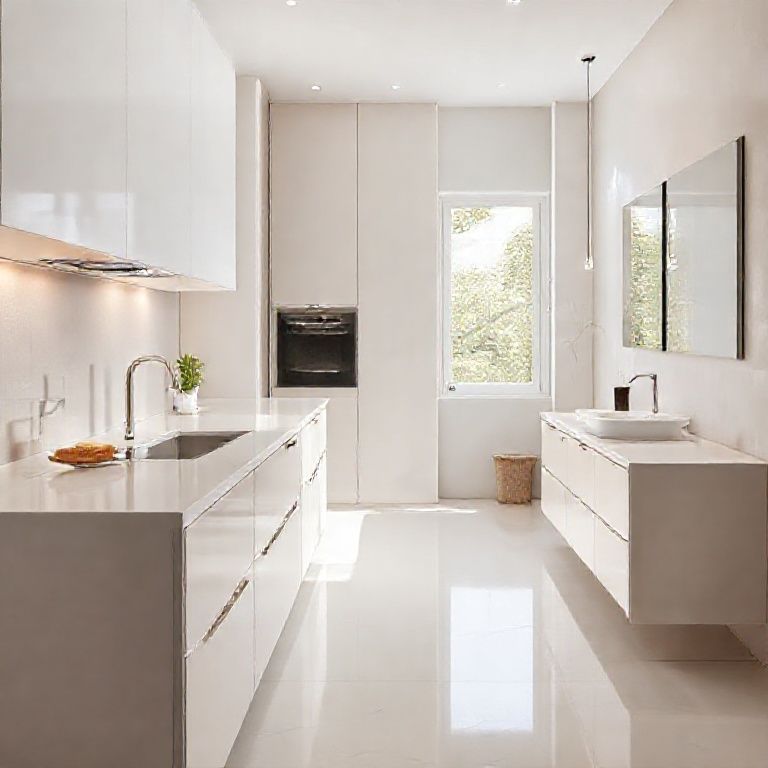
When it comes to the cost of artificial marble per meter, several factors come into play. Understanding these factors can help you make an informed decision when budgeting for your next project.
1. Quality of Material
The quality of the raw materials used in creating artificial marble significantly impacts its cost. Higher-quality materials, such as pure marble powder and advanced resins, will naturally increase the price. The level of purity and the brand of the materials used can vary widely, leading to differences in pricing.
2. Design and Customization
The complexity of the design and the level of customization can affect the cost. Custom designs, intricate patterns, and unique finishes can add to the overall price. If you require a specific design or pattern that is not readily available, the cost per meter may increase accordingly.
3. Manufacturer and Brand
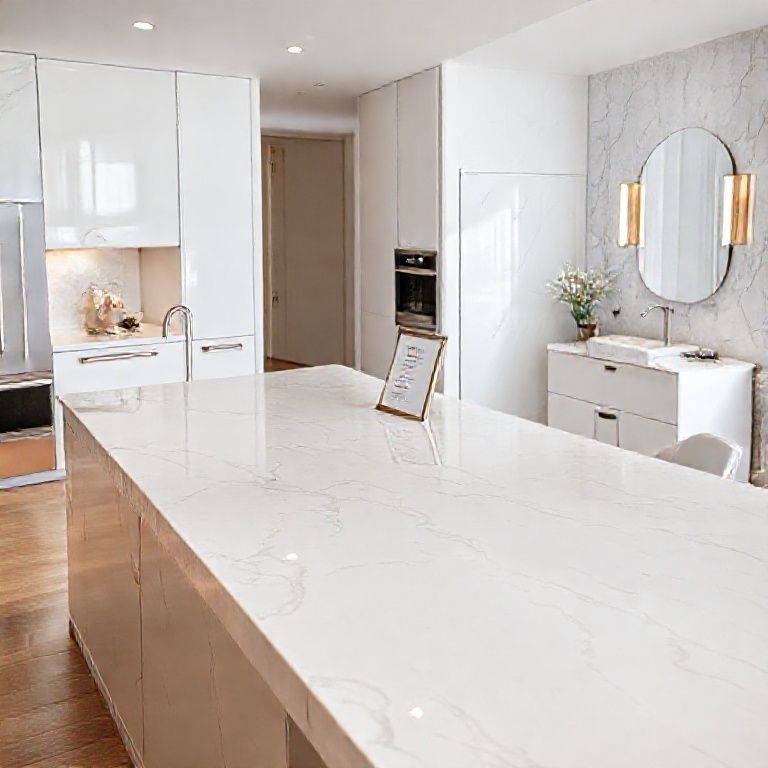
The reputation and expertise of the manufacturer play a crucial role in the pricing of artificial marble. Established brands with a proven track record of quality and reliability often charge more due to their superior craftsmanship and materials. However, this often translates to a more durable and aesthetically pleasing product.
4. Local Market and Supply Chain
Geographical location and local supply chain logistics can also influence the cost per meter. Areas with higher demand for artificial marble may see higher prices due to increased demand and potential supply chain challenges. Additionally, import taxes and shipping costs can impact the final price.
5. Installation and Labor Costs
The cost of professional installation and labor is another factor to consider. While artificial marble is relatively easy to install compared to natural stone, professional installation can add to the overall expense. The complexity of the installation process and the skill level of the installer will affect the labor costs.
The Economic Advantage of Artificial Marble
One of the most compelling reasons to choose artificial marble is its economic advantage. Despite the higher upfront cost of some premium artificial marbles, the long-term savings in maintenance, durability, and potential resale value make it a wise investment.
Artificial marble is not only a cost-effective solution in the short term but also offers substantial savings over time. The reduced need for sealing and the lower likelihood of damage mean fewer expenses for repairs and maintenance. This makes artificial marble an excellent choice for those looking to maximize their investment while enjoying the luxury of natural marble aesthetics.
Conclusion to Part 1
Artificial marble is more than just a material; it’s a statement of elegance, durability, and versatility. Its ability to replicate the beauty of natural marble while offering superior functionality makes it a standout choice for many design projects. Understanding the factors that influence its cost per meter helps in making an informed decision that aligns with your budget and design goals.
In the next part of our series, we will delve deeper into the installation process, explore the various types of artificial marble available, and provide tips on how to choose the perfect artificial marble for your space. Stay tuned for more insights into this exquisite material.
Installation, Types, and Selection of Artificial Marble
Installation Process: Ensuring Longevity and Beauty
Artificial marble is renowned for its stunning appearance and durability, but to truly appreciate these qualities, proper installation is essential. Here’s a comprehensive guide to help you understand the installation process and ensure your artificial marble lasts for years to come.
Preparation Before Installation
Before installation, thorough preparation is crucial. The surface where the artificial marble will be installed must be clean, dry, and free of any debris. This includes removing old tiles, grout, or any other material that may interfere with the new installation.
It’s also important to measure the area accurately to determine the correct amount of material needed. Artificial marble slabs come in various sizes, so choosing the right size for your space is essential. Additionally, consider the type of backing or substrate that will support the artificial marble. For countertops, a sturdy plywood or MDF board is often used.
Cutting the Marble
Artificial marble slabs can be cut using a wet saw, similar to natural stone. It’s important to wear safety goggles and gloves while cutting to protect against debris and sharp edges. For intricate designs or custom shapes, professional assistance may be required to ensure precision.
Installation Techniques
The installation process for artificial marble involves several steps:
Apply Adhesive: Use a high-quality adhesive suitable for artificial marble. Apply the adhesive evenly to the backing surface using a notched trowel.
Position the Slab: Carefully place the artificial marble slab onto the adhesive. Use spacers to ensure even spacing and alignment with surrounding fixtures.
Press and Smooth: Gently press the slab into place and smooth out any air bubbles with a rubber scraper or a wet sponge.
Clamp: Use clamps to hold the slab in place for several hours to ensure the adhesive sets properly.
Grouting: Once the adhesive has set, apply grout to the joints using a grout float. Wipe away excess grout with a damp sponge and let it cure according to the manufacturer’s instructions.
Finishing Touches
After installation, it’s important to seal the artificial marble to protect its surface from stains and scratches. Follow the manufacturer’s instructions for sealing, which typically involves applying a high-quality, UV-resistant sealer.
Regular maintenance, such as wiping the surface with a mild cleaner and reapplying sealer periodically, will help maintain the beauty and longevity of your artificial marble installation.
Types of Artificial Marble
Artificial marble comes in various types, each offering unique benefits and design possibilities. Here’s a look at some of the most popular varieties:
1. Cultured Stone
Cultured stone is a type of artificial marble that is made by combining natural stone powders with resin. This creates a material that closely mimics the appearance of natural marble while offering enhanced durability. Cultured stone is available in a wide range of colors and patterns, making it a versatile option for various design applications.
2. Acrylic Marble
Acrylic marble is made from a combination of acrylic resin and stone powders. It is known for its durability and resistance to stains and scratches. Acrylic marble is often used for countertops and tabletops due to its high strength and aesthetic appeal.
3. Polyester Marble
Polyester marble is another popular type, made from polyester resin and stone powders. It is known for its versatility and ease of installation. Polyester marble can be used for countertops, bathtubs, and even flooring, offering a luxurious继续介绍一些常见的人造大理石类型及其特点,可以帮助您更好地理解这种材料在不同应用场合的优势。
4. Epoxy Marble
Epoxy marble is made using epoxy resin and stone powders. It is known for its strength and resistance to scratches and stains. Epoxy marble is often used for countertops and other surfaces that require high durability and a long-lasting finish.
5. Vinyl Marble
Vinyl marble combines vinyl resin and stone powders. It offers a unique blend of durability and flexibility, making it suitable for countertops and other applications where flexibility is beneficial. Vinyl marble is also known for its resistance to stains and scratches.
Choosing the Right Type of Artificial Marble
When choosing the right type of artificial marble for your project, consider the following factors:
1. Durability and Maintenance
Consider the level of durability and ease of maintenance that the type of artificial marble offers. If the application is in a high-traffic area, choose a type with higher resistance to scratches and stains.
2. Aesthetic Appeal
Artificial marble comes in a wide range of colors and patterns. Choose a type that best matches your design vision. Whether you prefer a traditional marble look or a more modern, custom design, there is an artificial marble option available.
3. Application Requirements
Different types of artificial marble are suited for different applications. For example, epoxy marble is ideal for high-durability surfaces, while vinyl marble offers flexibility and is suitable for countertops and flooring.
Professional Installation
While artificial marble is relatively easy to install, professional installation is recommended for best results. Professionals have the expertise to ensure proper preparation, cutting, installation, and sealing, which helps to maximize the longevity and beauty of the artificial marble.
DIY Installation Tips
If you are considering a DIY installation, here are some tips to ensure a successful project:
1. Follow Manufacturer’s Instructions
Always follow the manufacturer’s instructions for cutting, installation, and sealing. This ensures that the artificial marble is installed correctly and lasts for years to come.
2. Use Quality Tools and Materials
Use high-quality tools and materials for cutting, adhesive, and grout. This will help achieve a professional finish and prevent issues during installation.
3. Allow Adequate Curing Time
Ensure that you allow adequate curing time for the adhesive and grout. Rushing this process can lead to issues with the bond and the longevity of the installation.
4. Regular Maintenance
Regular maintenance, such as wiping the surface with a mild cleaner and reapplying sealer periodically, will help maintain the beauty and durability of the artificial marble.
Conclusion
Artificial marble is a versatile, durable, and aesthetically pleasing material that offers a range of benefits for both residential and commercial applications. By understanding the different types and installation processes, you can make an informed decision that meets your design goals and budget. Whether you choose a traditional marble look or a custom design, artificial marble is a fantastic choice for adding elegance and functionality to any space.
In summary, artificial marble is a remarkable material that combines the beauty of natural marble with superior functionality and durability. With the right type, proper installation, and regular maintenance, artificial marble can transform your space into a luxurious and long-lasting design masterpiece.