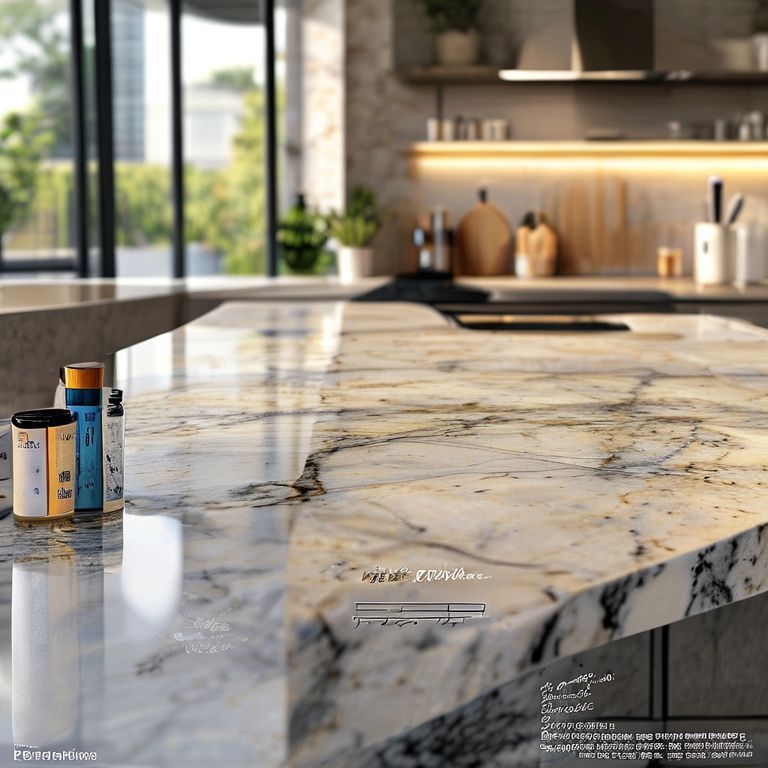
Unveiling the Material Composition of Artificial Marble
Artificial marble, also known as engineered stone, is a revolutionary material that has made a significant impact in the world of interior design. Its creation involves a sophisticated blend of natural stones, resins, and pigments that result in a luxurious material that rivals the beauty and durability of natural marble. This part of the article will explore the intricate composition of artificial marble and the science behind its creation.

The Science of Artificial Marble
Artificial marble is crafted through a meticulous process that combines natural stone dust, typically from marble, quartz, or limestone, with polymer resins. This composite material is then infused with high-grade pigments to achieve a stunning array of colors and finishes. The entire mixture is subjected to intense pressure and heat in a mold, which allows it to set into a dense, solid block. This process not only enhances its strength but also gives it the unique look and feel of natural marble.
Ingredients and Processes
The primary component of artificial marble is the stone dust, which provides the material with its characteristic texture and appearance. The type of stone used can vary, but marble dust is most common due to its striking appearance and durability. The polymer resin acts as a binding agent, holding the stone particles together to create a solid, monolithic surface. This resin is typically made from polyurethane or polyester, chosen for their ability to enhance the material’s hardness and resistance to wear.
Pigments are added to the mixture to create a wide range of colors. These pigments are carefully selected to ensure that the final product is not only visually appealing but also stable and long-lasting. The entire mixture is then poured into a mold and subjected to high pressure and temperature, which allows it to cure fully and achieve its final form.
Quality and Durability
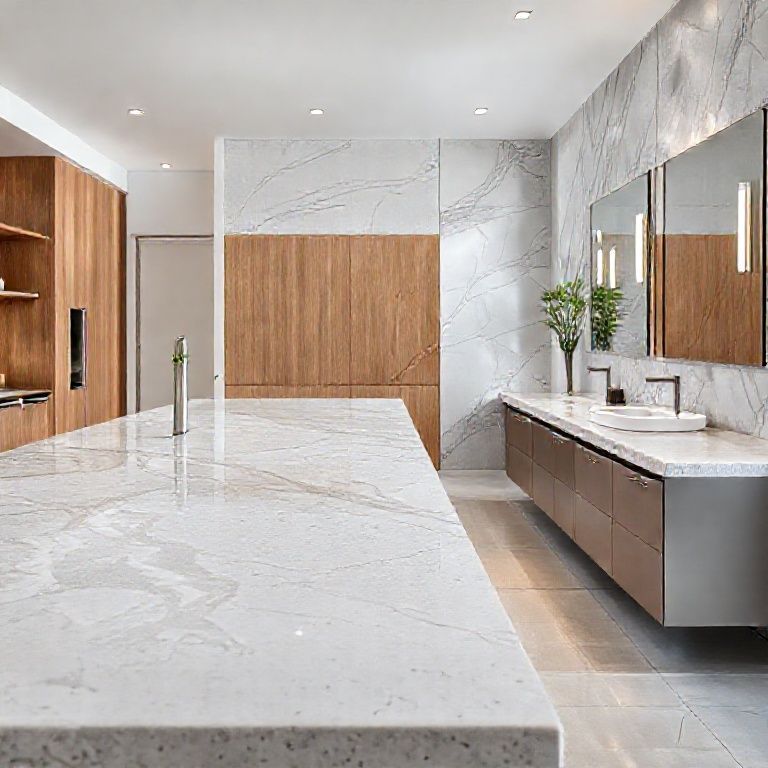
One of the most significant advantages of artificial marble is its superior durability compared to natural stone. The high-pressure and high-temperature curing process creates a dense, solid block that is resistant to scratches, stains, and chipping. This makes it an excellent choice for high-traffic areas where durability is paramount. Additionally, artificial marble is impervious to moisture, making it a practical choice for kitchens and bathrooms where water exposure is common.
Environmental Benefits
Artificial marble is also a more sustainable option compared to natural marble. The production of natural marble involves quarrying, which can have a significant environmental impact due to the destruction of natural habitats and the release of carbon dioxide. In contrast, artificial marble can be manufactured in a controlled environment, reducing the ecological footprint and making it a more sustainable choice for environmentally conscious consumers.
Market Pricing and Affordability of Artificial Marble
While the material composition of artificial marble is fascinating, many people are also interested in the cost aspect. Understanding the pricing of artificial marble can help consumers make informed decisions about their design and renovation projects. This part of the article will delve into the factors that influence the price of artificial marble and provide insights into its value for money.
Factors Influencing Pricing
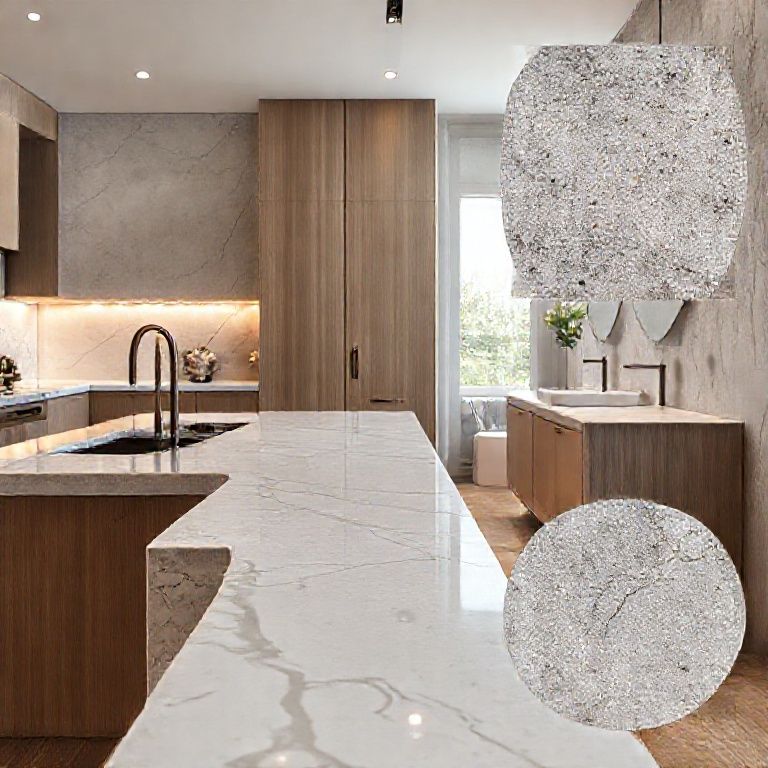
The price of artificial marble can vary widely based on several factors. The primary determinant is the quality and complexity of the design. Custom-made pieces or those with intricate patterns can be significantly more expensive than standard blocks. The type of stone dust used also plays a role; marble dust typically increases the cost compared to quartz or limestone dust. Additionally, the quality of the resin and pigments used can affect the overall price.
Price per Ton
The cost of artificial marble is often quoted per ton, with prices ranging from $800 to $1,500 per ton, depending on the quality and type of material. High-end designs with luxurious finishes can push the price closer to the upper end of this range. For instance, a premium artificial marble block with intricate veining and a high-grade resin might cost around $1,500 per ton.
Comparative Pricing with Natural Marble
When comparing artificial marble to natural marble, it’s important to consider both the initial cost and the long-term benefits. Natural marble can be significantly more expensive per ton, often ranging from $1,000 to $3,000 or more, depending on the type and quality. While natural marble offers a timeless elegance, artificial marble provides a cost-effective alternative that still boasts impressive aesthetic qualities and durability.
Installation Costs
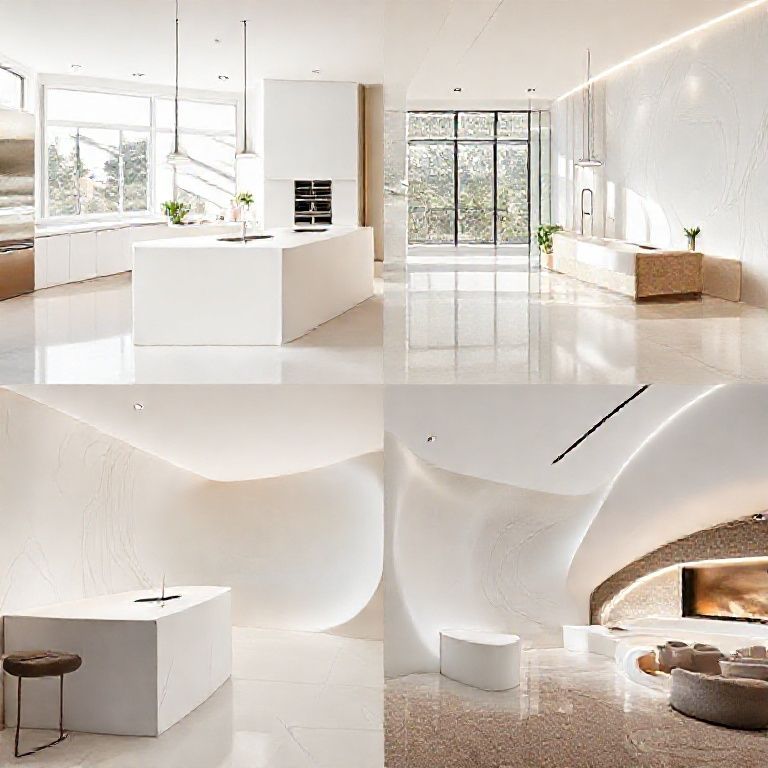
In addition to the material cost, installation of artificial marble is another important factor to consider. Professional installation ensures that the material is set up correctly, maximizing its lifespan and aesthetic appeal. The cost of installation can vary based on the complexity of the project, the size of the area being covered, and the expertise of the installer. Typically, installation costs can range from $1.50 to $2.50 per square foot, depending on the intricacy of the design and the location of the project.
Value for Money
Despite the higher upfront cost, artificial marble often provides better value for money when you consider its durability and low maintenance requirements. Unlike natural marble, which requires regular sealing and maintenance to prevent staining and damage, artificial marble is virtually maintenance-free. This reduces long-term costs and makes it an excellent choice for those looking for a low-maintenance yet luxurious flooring or countertop option.
Conclusion
Artificial marble represents a perfect blend of beauty, durability, and sustainability, making it a highly sought-after material in modern design. Its sophisticated composition, involving natural stone dust, polymer resins, and high-grade pigments, ensures that it delivers the look and feel of natural marble without the associated high costs and maintenance. With prices ranging from $800 to $1,500 per ton, artificial marble offers a compelling alternative that provides luxury and practicality in equal measure. As more consumers seek sustainable and durable materials, artificial marble is poised to remain a popular choice for interior design and renovation projects.