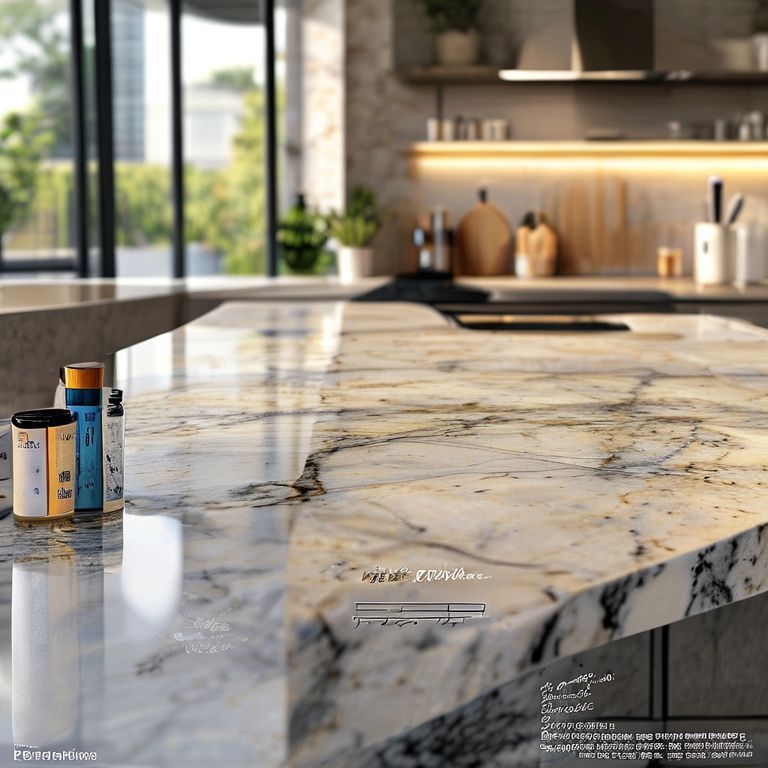
The Exquisite World of Artificial Marble: What You Need to Know About Its Price
Artificial marble, often referred to as engineered stone or synthetic marble, has revolutionized the world of interior design and construction. Its durability, aesthetic appeal, and versatility make it a popular choice for countertops, sinks, and even flooring. However, one crucial aspect that potential buyers often ponder is the cost of artificial marble. Understanding the factors that influence its price can help you make an informed decision whether you’re looking to upgrade your kitchen or design a luxurious bathroom.

Types of Artificial Marble
There are several types of artificial marble, each with distinct characteristics and price points. The most common types include:
Quartz: Known for its exceptional durability and resistance to heat, scratches, and stains, quartz is a top choice for countertops. It’s also available in a wide range of colors and finishes, making it versatile for various design preferences.
Granite: Often used as a substitute for natural granite, artificial granite offers a similar appearance and is easier to maintain. It’s less expensive than natural granite but still provides a luxurious look.
Cobalt: This type of artificial marble is known for its vibrant colors and unique patterns. It’s ideal for those looking to add a pop of color and creativity to their space.
Factors Influencing Artificial Marble Prices
The cost of artificial marble can vary significantly based on several factors:
Material Composition: The primary ingredients in artificial marble include resin, marble chips, and pigments. Higher-quality materials generally result in a higher price. Premium brands may use more refined resins and purer pigments, contributing to a more luxurious finish.
Color and Finish: The color and finish of artificial marble play a significant role in its cost. Unique, custom colors or intricate finishes can increase the price due to the additional labor and materials required.
Thickness and Size: The thickness and size of the artificial marble slab can impact the overall cost. Thicker slabs tend to be more durable and provide a more substantial look, while larger slabs may require more material and time for processing, thus affecting the price.
Brand and Reputation: Established brands with a reputation for quality and craftsmanship will generally charge more for their products. However, this often translates to a higher level of satisfaction and durability.
Applications of Artificial Marble
Artificial marble is incredibly versatile and can be used in various applications:
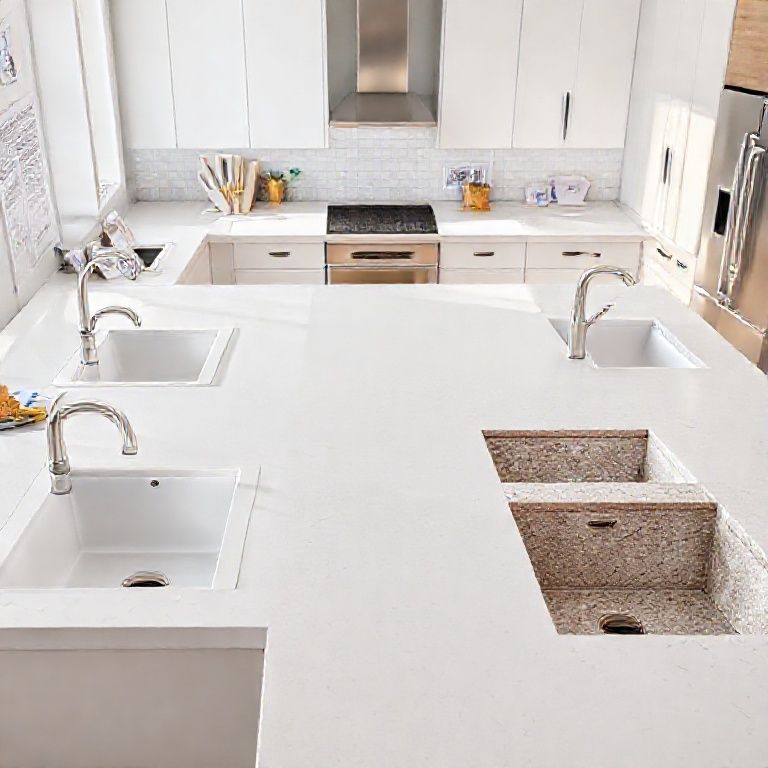
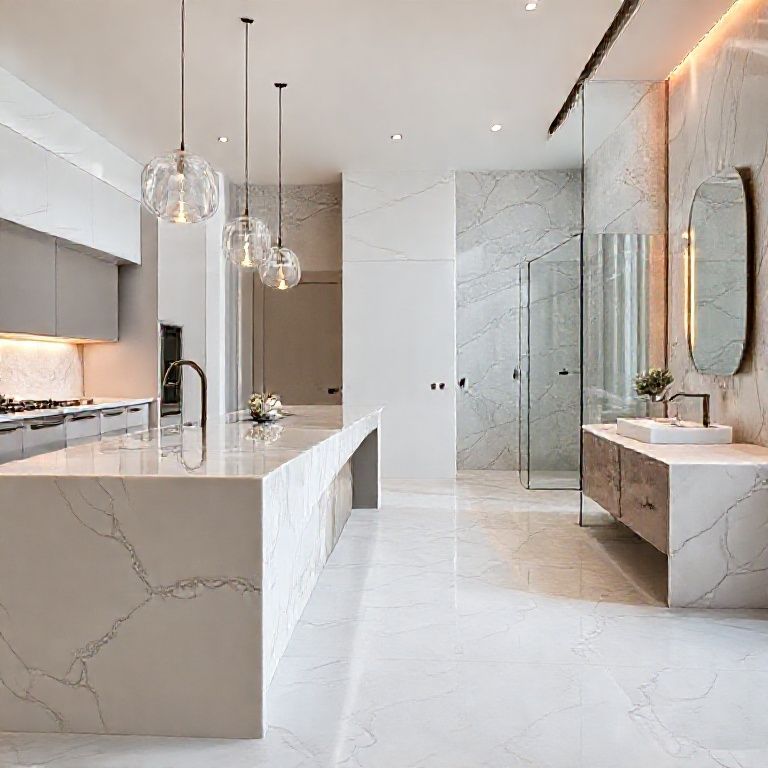
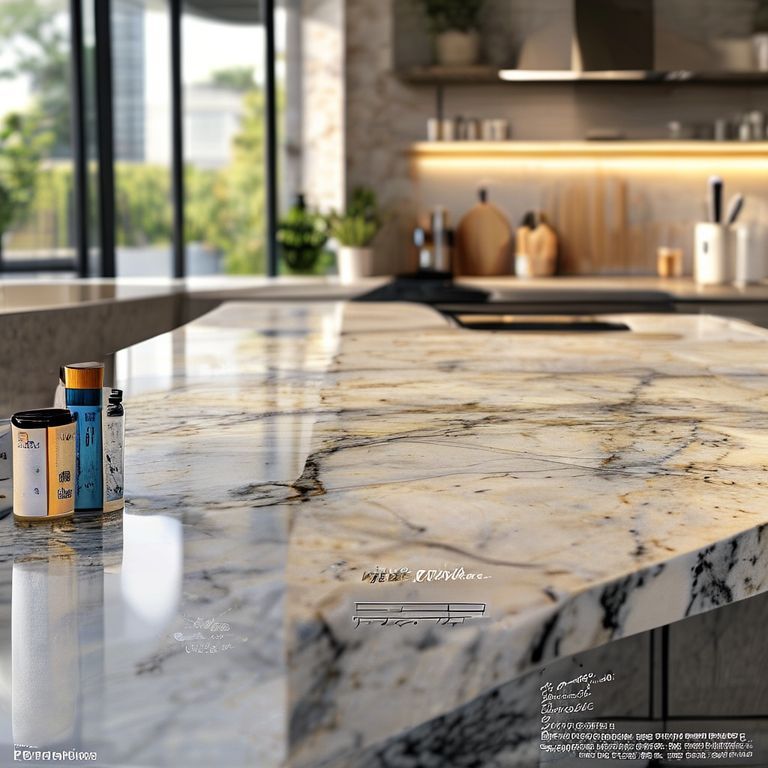
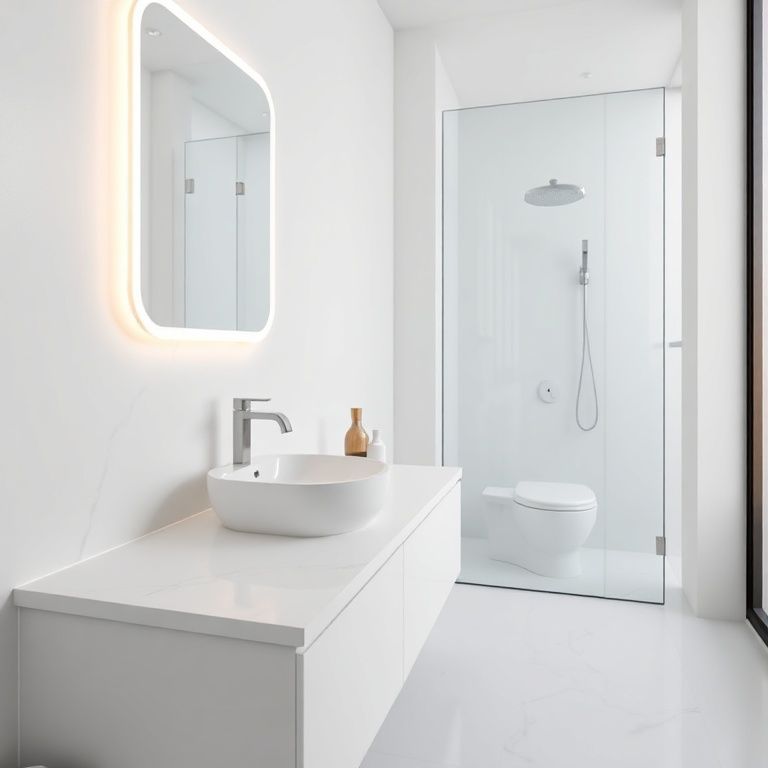
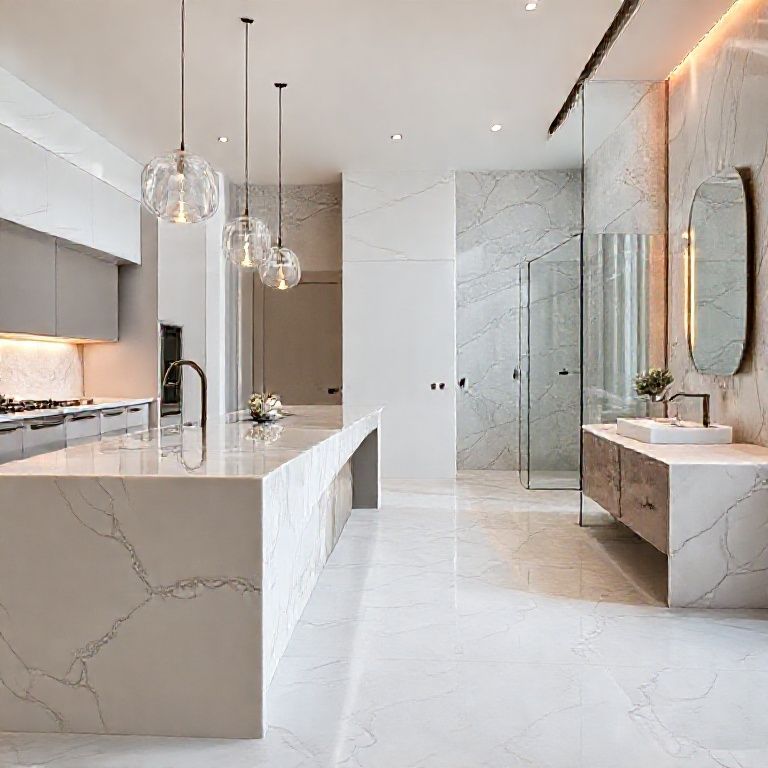
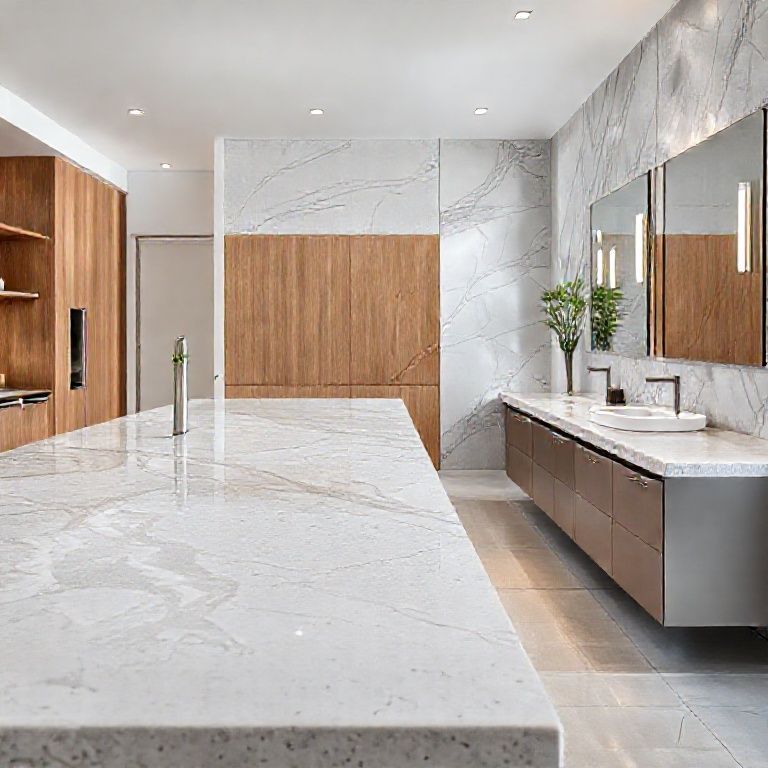
Countertops: Perhaps the most popular use for artificial marble is in kitchen and bathroom countertops. Its resistance to stains, heat, and scratches makes it an excellent choice for high-traffic areas.
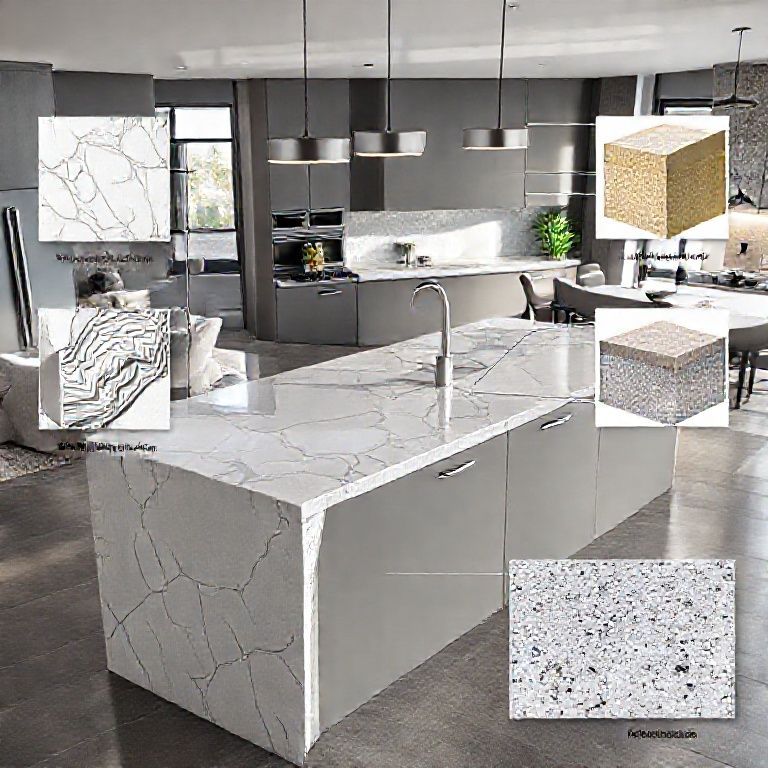
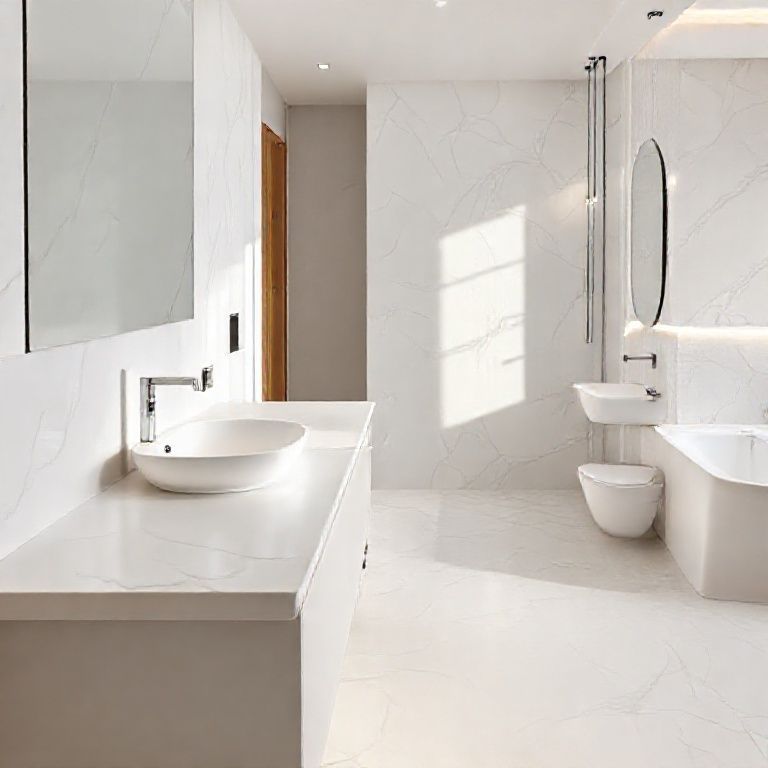
Sinks: Many modern kitchens and bathrooms feature artificial marble sinks, which offer a sleek, modern look and are easy to clean.
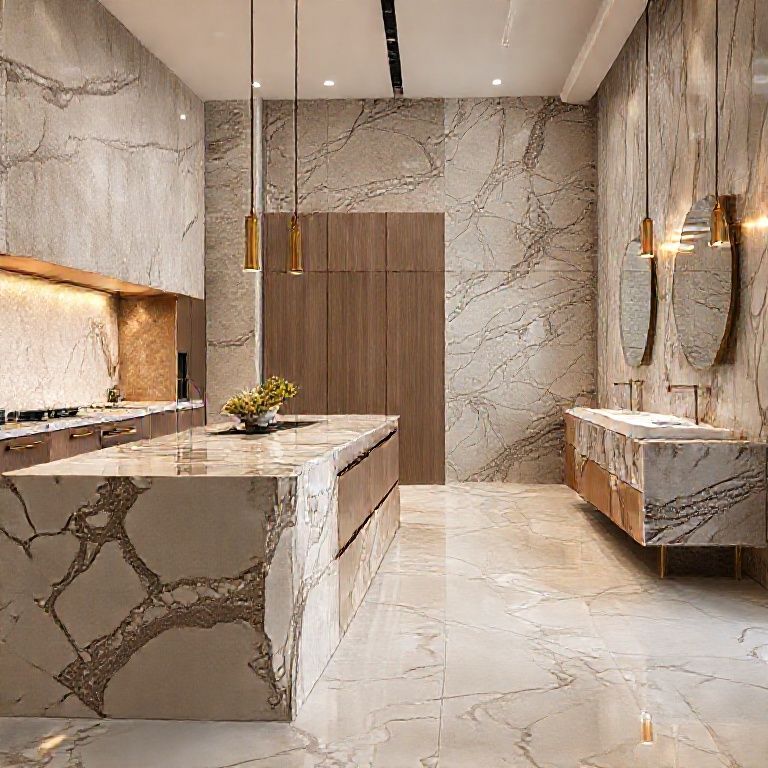
Flooring: While less common, artificial marble can also be used for flooring. It’s durable, easy to maintain, and comes in a variety of colors to match any interior design.
Wall Cladding: Artificial marble is sometimes used for wall cladding, adding a touch of luxury and elegance to any space.
Maintenance and Longevity
One of the significant advantages of artificial marble is its low maintenance requirements. Unlike natural stone, artificial marble does not require sealing or regular maintenance to maintain its appearance. It is also highly resistant to stains, scratches, and heat, which makes it ideal for busy households and commercial spaces. This durability translates to a longer lifespan, reducing the need for frequent replacements or repairs.
Sustainability and Environmental Impact
Artificial marble is often touted as a more sustainable alternative to natural stone. The manufacturing process for artificial marble typically consumes fewer natural resources and generates less waste compared to the extraction and processing of natural stone. Additionally, artificial marble does not rely on the finite natural resources that are often depleted when mining natural stone.
Conclusion
In summary, the cost of artificial marble is influenced by a variety of factors including the type of material, color, finish, and brand. Its versatility, durability, and low maintenance make it an attractive option for both residential and commercial projects. Understanding these aspects can help you make a well-informed decision that balances beauty, functionality, and budget.
Stay tuned for the second part of this article, where we will delve deeper into specific pricing ranges, compare artificial marble with other materials, and explore tips for maximizing the value of your investment.
The Exquisite World of Artificial Marble: What You Need to Know About Its Price
Continuing our exploration into the captivating world of artificial marble, this second part will provide a deeper dive into specific pricing ranges, compare artificial marble with other materials, and offer tips for maximizing the value of your investment. Whether you’re a homeowner or a business owner, these insights will help you understand how to make the best choice for your space.
Pricing Ranges for Artificial Marble
Understanding the pricing of artificial marble can be complex due to the wide variety of options available. Here’s a breakdown of typical price ranges for different types of artificial marble:
Quartz Countertops: Quartz is one of the most popular choices for countertops due to its durability and aesthetic appeal. The price for quartz countertops generally ranges from $30 to $60 per square foot. High-end custom colors and finishes can increase this price significantly.
Artificial Granite: Artificial granite is a popular alternative to natural granite. The cost for artificial granite countertops typically ranges from $25 to $50 per square foot. Custom colors and intricate finishes can push this price higher.
Cobalt Marble: Known for its vibrant colors and unique patterns, cobalt marble is a favorite for those looking to add a creative touch to their space. Prices for cobalt marble countertops range from $30 to $70 per square foot, depending on the complexity of the design.
Comparing Artificial Marble to Other Materials
To help you make a well-informed decision, let’s compare artificial marble with other popular materials used in countertops and flooring:
Natural Stone (Granite, Marble, Quartzite): Natural stone is renowned for its beauty and durability but comes with a higher price tag. Granite countertops, for example, can cost between $40 and $100 per square foot, while marble can range from $70 to $200 per square foot. Quartzite typically ranges from $30 to $60 per square foot. Natural stone requires regular sealing and maintenance, which adds to the overall cost.
Stainless Steel: Stainless steel is another popular choice for countertops, valued for its durability and ease of cleaning. However, it can be prone to fingerprints and scratches. Stainless steel countertops typically cost between $20 and $50 per square foot.
Laminate and Composite: These materials are more affordable alternatives, ranging from $10 to $25 per square foot. While they offer a variety of colors and patterns, they are not as durable as artificial marble and may not withstand heavy use as well.
Tips for Maximizing the Value of Your Investment
Here are some tips to help you get the most out of your investment in artificial marble:
Consider Custom Colors and Finishes: While custom colors and finishes can increase the initial cost, they can also add significant value and uniqueness to your space. Work with a reputable supplier to achieve the perfect look.
Choose High-Quality Materials: Invest in high-quality artificial marble from a reputable manufacturer. The durability and longevity of the material can save you money in the long run by reducing the need for frequent replacements.
Plan for Installation: The cost of installation can vary depending on the complexity of the project. Get multiple quotes from qualified installers to ensure you get a fair price and a professional finish.
Look for Warranties: Many manufacturers offer warranties for their artificial marble products. A warranty can provide peace of mind and ensure that any issues are covered, saving you from unexpected repair costs.
Consider the Long-Term Benefits: While artificial marble may have a higher upfront cost compared to some alternatives, its low maintenance requirements and durability often translate to significant long-term savings.
Environmental Considerations
When choosing artificial marble, it’s important to consider its environmental impact. Unlike natural stone, which requires extensive mining and processing, artificial marble is produced using synthetic materials. This process typically results in fewer emissions and less waste. Additionally, artificial marble is recyclable, which means it can be repurposed or reused, further reducing its environmental footprint.
Conclusion
In conclusion, artificial marble offers a compelling combination of beauty, durability, and low maintenance, making it an attractive choice for a wide range of applications. By understanding the various factors that influence its price, comparing it to other materials, and following tips for maximizing value, you can make a well-informed decision that suits your needs and budget. Whether you’re looking to upgrade your kitchen or design a luxurious bathroom, artificial marble provides a versatile and sustainable option that stands the test of time.
For more information on artificial marble and its numerous benefits, stay tuned for our upcoming articles where we will continue to explore the world of artificial stone当然,继续探讨关于人造大理石(人工石、合成石)的各个方面,可以从其市场趋势、设计应用、安装和维护以及与其他材料的对比等多个角度进行分析。
市场趋势和需求
1. 市场增长 近年来,人造大理石市场迅速增长。随着现代建筑和室内设计的趋势越来越偏向于现代化和功能性,人造大理石因其多样的颜色、纹理和耐用性,成为了市场上的热门选择。
2. 设计趋势 人造大理石因其可以模拟天然大理石的外观,同时具备更好的耐用性和低维护特性,越来越多地被用于高端住宅、商业空间和公共建筑。设计师们利用其灵活的色彩和纹理,创造出富有创意和现代感的空间。
设计应用
1. 厨房和浴室 人造大理石通常用于厨房和浴室的台面、洗手池和背板。它不仅美观,而且耐污渍、耐热,并且不需要定期的密封处理,这使得它成为这些高使用频率区域的理想选择。
2. 地板和墙面 尽管不如天然石材常用于地板和墙面,但一些高端设计中,人造大理石也被用于这些应用。特别是在需要高耐久性和美观效果的区域,人造大理石地板和墙面板逐渐受到青睐。
3. 室外应用 虽然人造大理石主要用于室内,但在一些特定设计中,它也被用于室外,如花园雕塑、园路和步道。这些应用中的人造大理石通常具有特殊的耐候性处理。
安装和维护
1. 安装 安装人造大理石相对简单,通常需要基本的切割和固定工具。由于其密度较高,铺设时需要注意使用适当的粘合剂和防水措施。专业的安装公司可以确保产品的最佳效果。
2. 维护 人造大理石的低维护特性是其最受欢迎的方面之一。日常清洁只需普通的中性清洁剂和水,不需要像天然大理石那样进行复杂的密封处理。但仍需注意避免使用腐蚀性化学品。
与其他材料的对比
1. 与天然大理石 虽然人造大理石能够模仿天然大理石的外观,但其成本通常低于天然大理石,且更耐用、不易发生裂缝和磨损。天然大理石因其独特的纹理和色彩,仍然在一些高端和经典设计中占据一席之地。
2. 与石英石 石英石(Quartz)也是一种受欢迎的人造石材,它的耐用性和多样化的外观使其成为厨房和浴室台面的热门选择。与人造大理石相比,石英石通常更耐高温和化学腐蚀,但其价格可能更高。
3. 与花岗岩 花岗岩是另一种常见的人造石材,具有耐用和美观的特性。相比人造大理石,花岗岩通常更耐刮擦,但其成本可能更高,且在外观上有所不同。
环保和可持续性
人造大理石的生产过程通常比天然石材更环保,因为它不需要大规模的采石活动,从而减少了对自然环境的破坏。人造大理石可以通过回收再利用,进一步减少资源浪费。
人造大理石因其多样的设计可能性、耐用性和低维护特性,在现代建筑和室内设计中扮演着越来越重要的角色。无论是家庭装修还是商业建筑,人造大理石都提供了一种既美观又实用的选择。