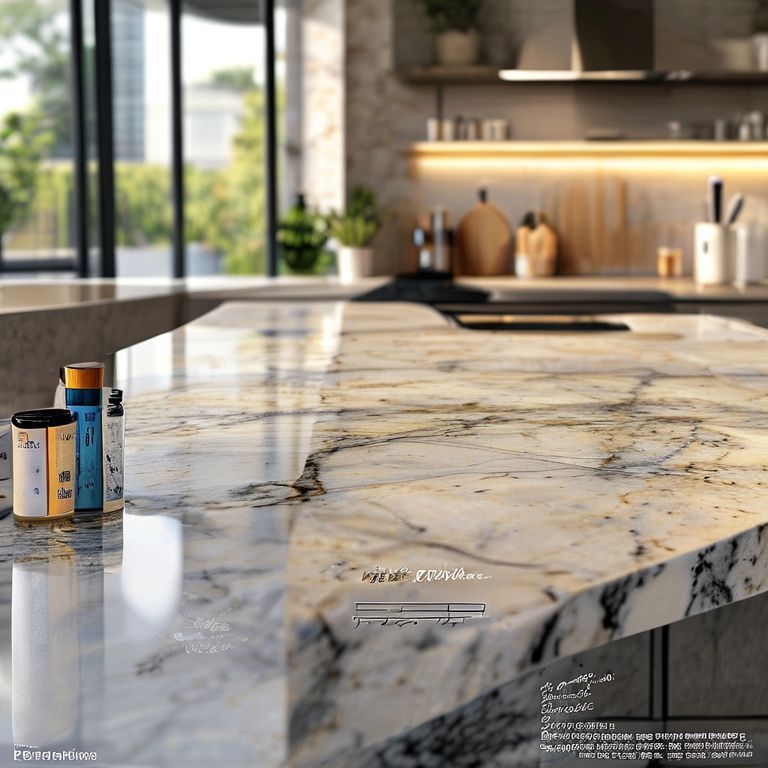
The Composition and Creation of Engineered Marble
Engineered marble, often referred to as synthetic granite, is a marvel of modern material science. This luxurious material combines the natural beauty of stone with the advanced technology of manufacturing to create a product that is both aesthetically pleasing and highly functional. But what exactly is engineered marble made of, and how is it created?

The Material Composition
At its core, engineered marble is composed of natural marble or granite, combined with a polymer resin. This combination creates a composite material that retains the visual appeal of natural stone while offering enhanced durability and flexibility. The process starts with finely crushed marble or granite, which is then mixed with a polymer resin. This mixture is carefully crafted under high pressure and temperature, resulting in a solid, uniform slab that mimics the appearance of natural stone.
The polymer resin acts as a binding agent, holding the marble particles together in a manner that creates a seamless and cohesive structure. This binding process ensures that the engineered marble is less prone to cracking, chipping, or staining compared to traditional stone.
The Creation Process
Creating engineered marble involves several meticulous steps, each contributing to the final product’s quality and durability. Here’s a closer look at the process:
Material Sourcing: High-quality marble or granite is sourced from reputable quarries. The raw materials undergo rigorous testing to ensure they meet the necessary standards for use in engineered marble production.
Crushing and Mixing: The marble or granite is crushed into a fine powder and mixed with a specially formulated polymer resin. This mixture is then spread onto a flat surface and subjected to high pressure and temperature.
Curing: The slab is placed in a curing chamber where it is subjected to controlled heat and pressure. This process ensures that the polymer resin fully bonds with the marble particles, creating a strong and durable composite.
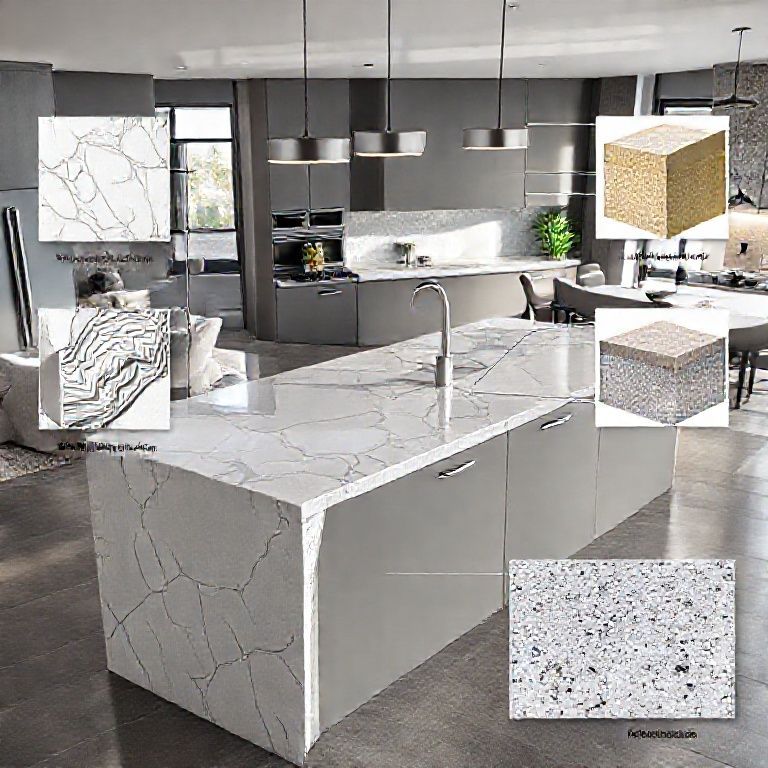
Cutting and Finishing: Once cured, the slab is cut into individual pieces tailored to specific design requirements. The edges are then polished and finished to achieve the desired aesthetic.
Benefits of Engineered Marble
Engineered marble offers several advantages over traditional natural stone:
Durability: The binding properties of the polymer resin make engineered marble more resistant to scratches, chips, and stains, resulting in a longer-lasting product. Water Resistance: Unlike natural stone, engineered marble is virtually impervious to water, making it an excellent choice for high-moisture areas such as kitchens and bathrooms. Design Flexibility: The material can be engineered to mimic the appearance of various types of natural stone, allowing for a wide range of design options and color variations. Cost-Effectiveness: Due to its enhanced durability and reduced need for maintenance, engineered marble can be more cost-effective in the long run compared to natural stone.
Versatility in Design
Engineered marble’s versatility extends beyond its durability. Its ability to be molded, cut, and finished in various ways makes it an incredibly adaptable material for different design applications. From sleek countertops to elegant flooring, engineered marble offers endless possibilities for interior designers and homeowners alike.
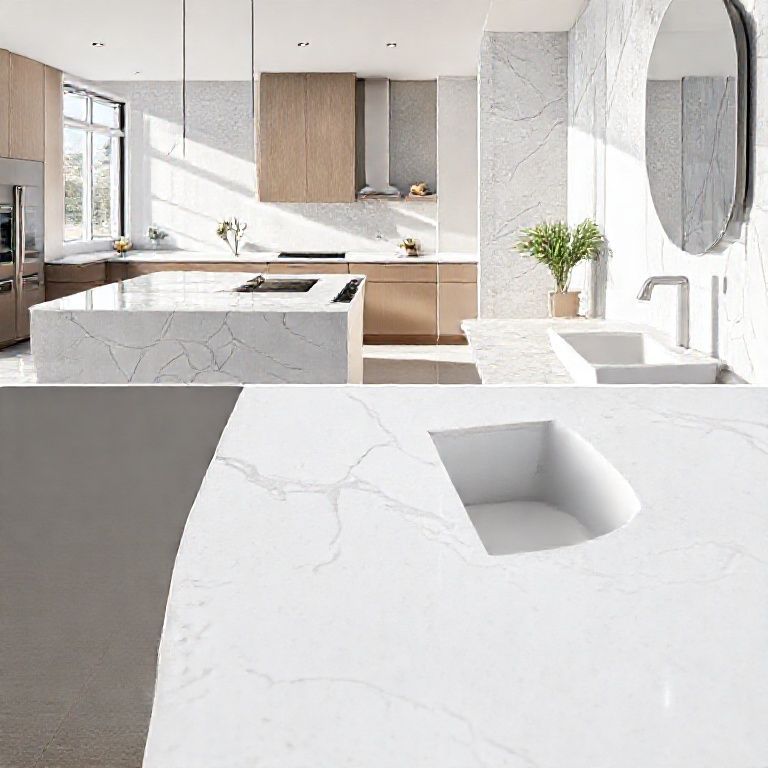
Transformative Uses and Applications of Engineered Marble
Engineered marble, or synthetic granite, is revolutionizing the way we think about interior design. Its combination of beauty, durability, and versatility makes it an ideal choice for a wide range of applications. Let’s explore the transformative uses of engineered marble in modern interior design.
Kitchen Design
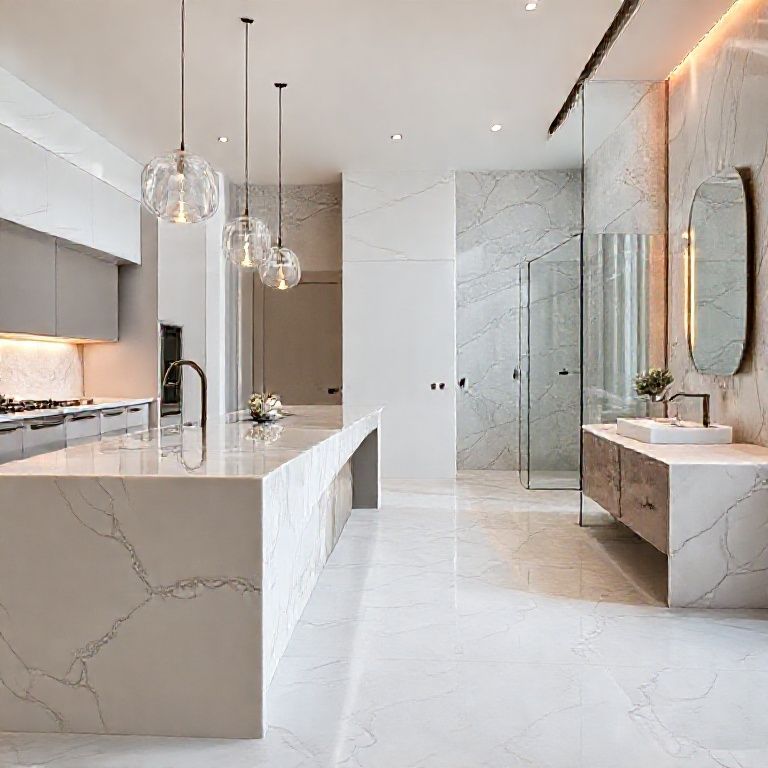
The kitchen is often the heart of the home, and engineered marble is making a significant impact in this space. Here are some ways engineered marble enhances kitchen design:
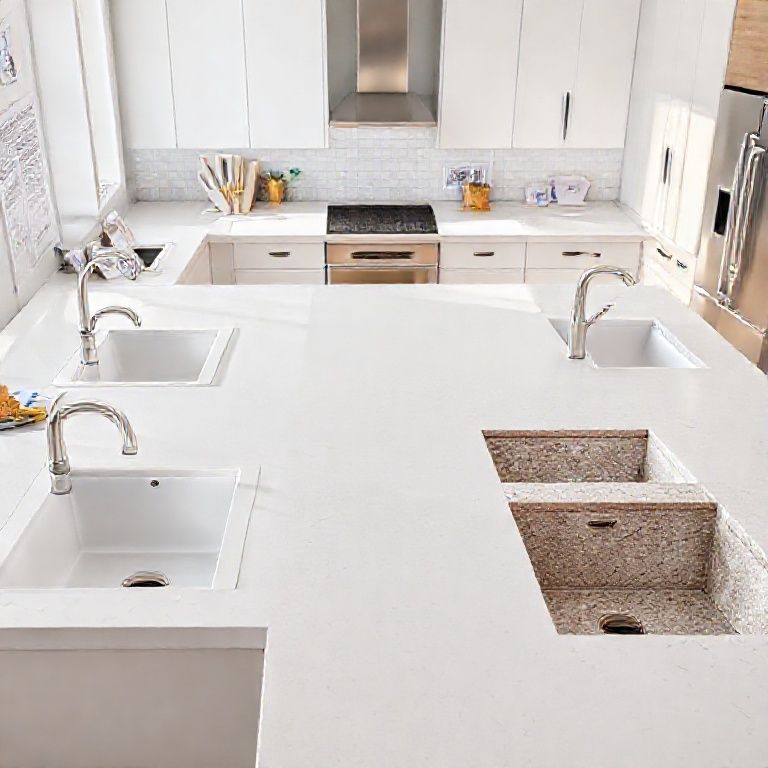
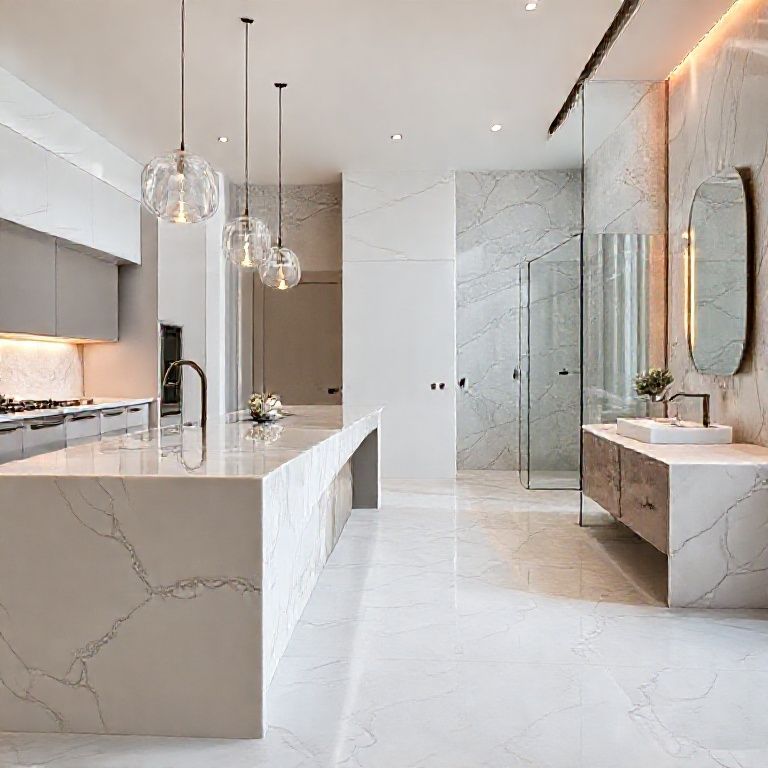
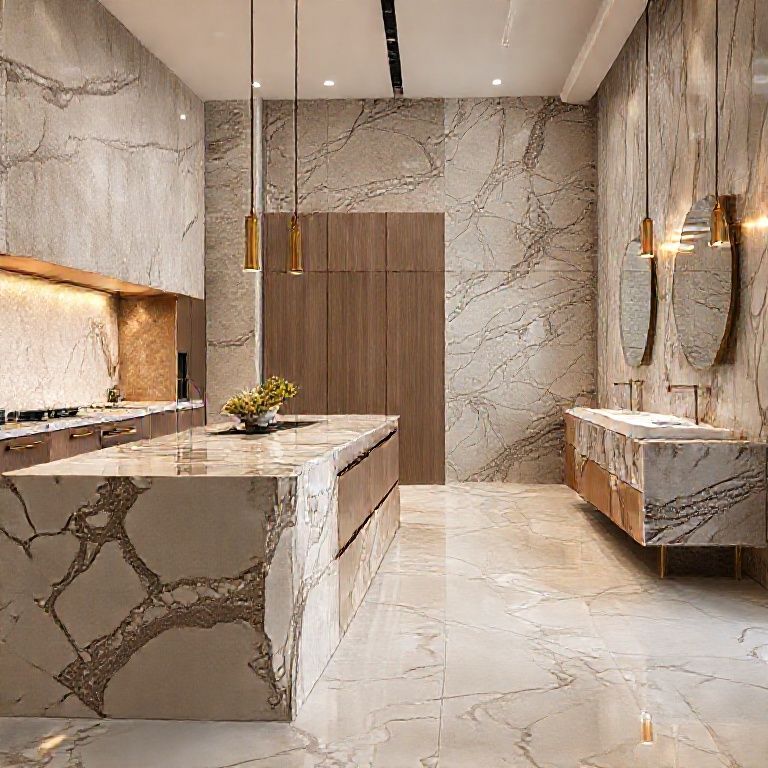
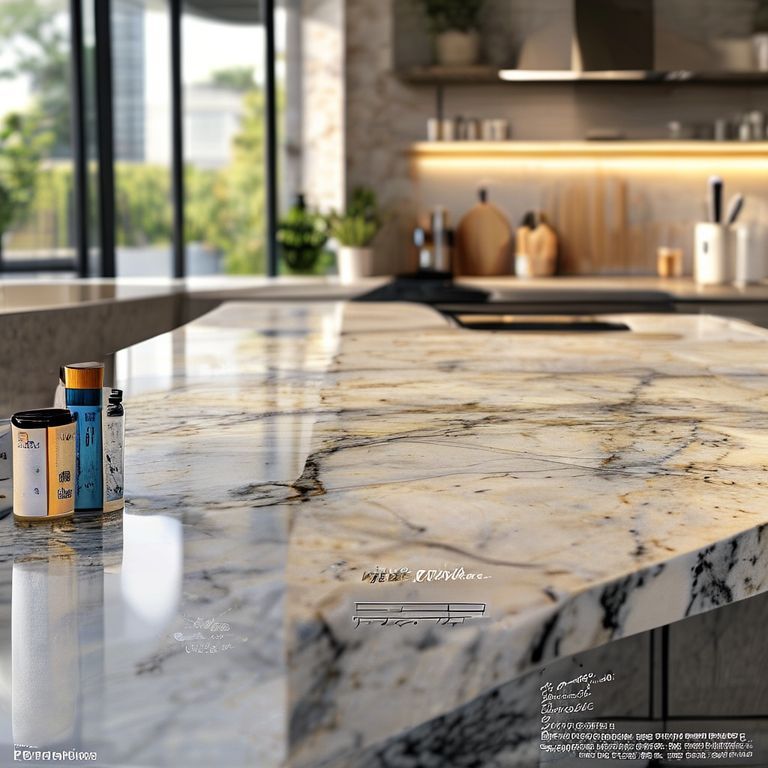
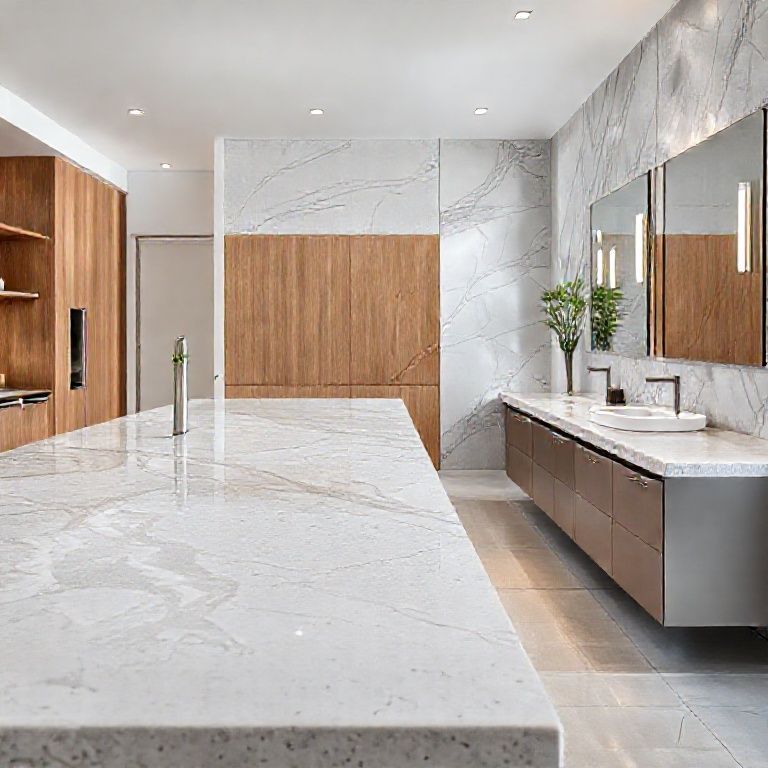
Countertops: Engineered marble countertops offer a stunning visual appeal that can elevate the overall aesthetic of a kitchen. Available in various colors and patterns, these countertops provide a luxurious touch while being highly durable and easy to clean. Backsplashes: The sleek, modern look of engineered marble backsplashes adds a touch of elegance to any kitchen. Its resistance to stains and water makes it an ideal choice for areas that see frequent use and exposure to liquids. Cabinetry: Some designers are incorporating engineered marble into cabinetry by using it as a veneer or inlay. This adds a unique, high-end element to kitchen cabinets, creating a cohesive and sophisticated look.
Bathroom Design
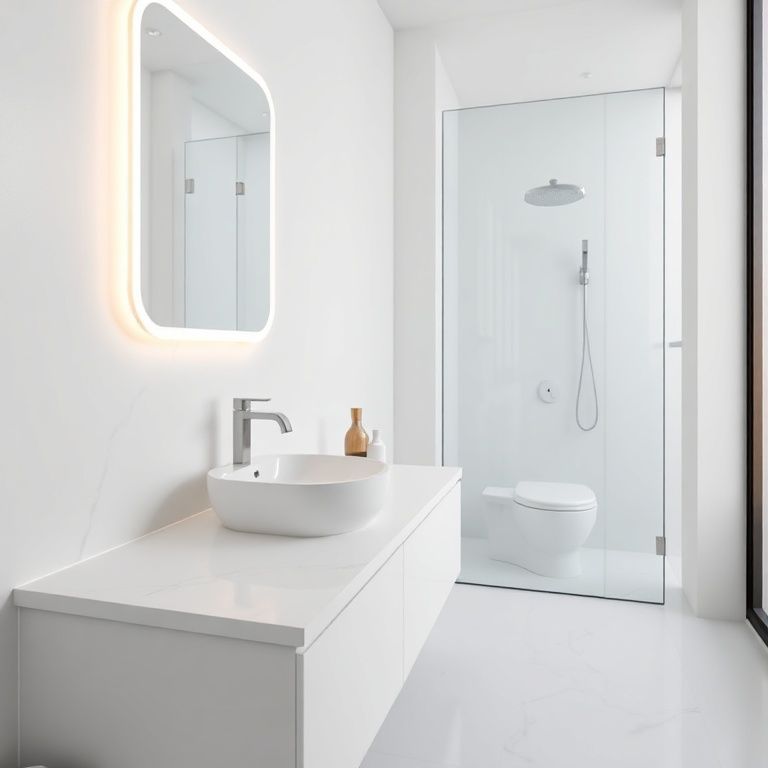
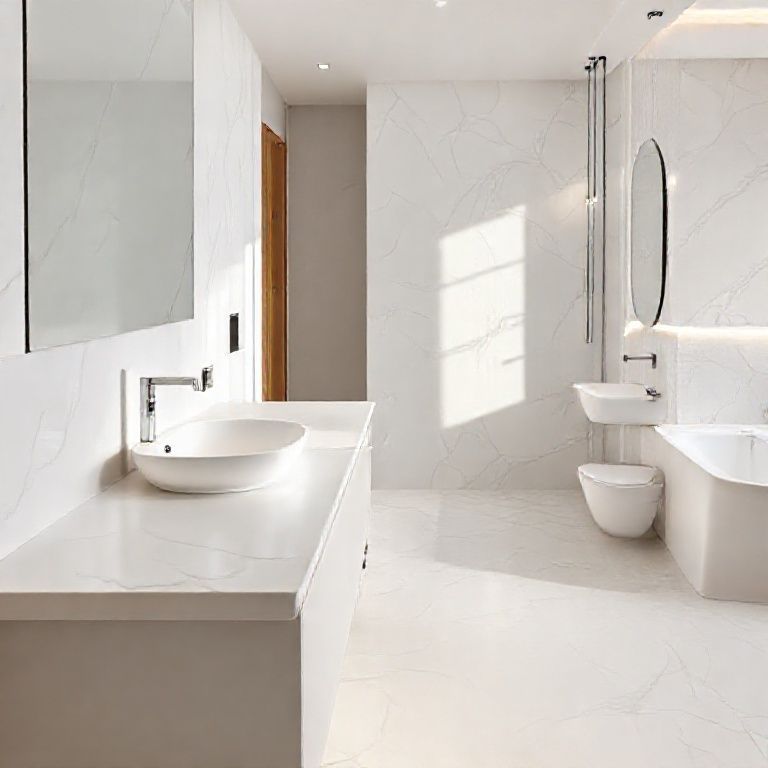
Bathrooms are another area where engineered marble shines. Its water-resistant properties make it perfect for areas that require frequent cleaning and exposure to moisture.
Vanity Tops: Engineered marble vanity tops provide a luxurious and durable surface for bathroom sinks. The material’s natural beauty and resistance to water make it an excellent choice for creating a high-end bathroom space. Flooring: Using engineered marble for bathroom flooring can add a touch of elegance and sophistication. Its durable nature ensures that it can withstand the wear and tear of daily use, while its aesthetic appeal enhances the overall design of the bathroom. Walls and Showers: Engineered marble can be used to clad shower walls and create stunning shower surrounds. Its ability to mimic the appearance of natural stone without the associated maintenance makes it a practical and beautiful choice for bathroom design.
Living Spaces
Engineered marble is not just limited to kitchens and bathrooms; it also finds its place in living spaces, adding a touch of luxury and elegance.
Flooring: High-quality engineered marble flooring can transform a living space with its sophisticated look and durability. Its versatility allows for seamless transitions between different areas, creating a cohesive and elegant design. Wall Cladding: Engineered marble can be used as wall cladding to add an element of luxury and sophistication to living rooms and other spaces. Its ability to mimic various stone types provides endless design possibilities. Furniture: Engineered marble is also used in the creation of high-end furniture, including coffee tables, side tables, and even entire furniture lines. Its durability ensures that these pieces can withstand daily use while maintaining their aesthetic appeal.
Commercial Spaces
Engineered marble’s durability and aesthetic appeal make it an excellent choice for commercial spaces such as offices, restaurants, and retail environments.
Reception Areas: The luxurious look of engineered marble can create an impressive first impression in reception areas. Its resistance to wear and tear makes it ideal for high-traffic areas where durability is crucial. Restaurants: In the restaurant industry, engineered marble countertops and backsplashes add a touch of elegance and professionalism. Its water and stain resistance ensure that these areas can be easily cleaned and maintained, providing a clean and inviting atmosphere for customers. Retail Stores: Retail stores can use engineered marble to create eye-catching displays and counters. Its versatility allows for the creation of unique and visually appealing displays that can attract customers and enhance the shopping experience.
Environmental and Sustainability Aspects
As the world becomes increasingly aware of environmental issues, engineered marble offers a sustainable alternative to traditional natural stone. The manufacturing process for engineered marble uses less water and generates less waste compared to quarrying and processing natural stone. Additionally, the durability of engineered marble reduces the need for frequent replacements, contributing to a more sustainable design practice.
Innovations and Future Trends
The field of material science is constantly evolving, and engineered marble is no exception. Innovations in the production process and new design possibilities are continually emerging. Future trends in engineered marble may include:
Enhanced Color Options: Designers will likely explore new color combinations and patterns, offering even more design possibilities. Advanced Durability: Ongoing research aims to improve the material’s durability, making it even more resistant to wear, stains, and water damage. Eco-Friendly Materials: Efforts to incorporate more eco-friendly materials into the manufacturing process will likely continue, making engineered marble an even more sustainable choice.
Conclusion
Engineered marble, or synthetic granite, is more than just a luxurious material; it’s a transformative force in modern interior design. Its combination of beauty, durability, and versatility makes it an ideal choice for a wide range of applications, from kitchens and bathrooms to living spaces and commercial environments. As innovation continues to advance, the possibilities for engineered marble in design are boundless, promising a future where this remarkable material sets new standards of beauty and performance.
By embracing engineered marble, designers and homeowners alike can create spaces that are not only aesthetically pleasing but also highly functional and sustainable. The exquisite world of engineered marble is one that continues to evolve, offering endless possibilities for those who dare to dream and design.
人造大理石的市场与应用
全球市场趋势
人造大理石在全球范围内的应用越来越广泛,其市场需求持续增长。随着现代建筑和家居装饰对高品质、耐用和美观材料的需求不断增加,人造大理石在各个领域都展现出巨大的潜力。
建筑与室内设计
在建筑和室内设计领域,人造大理石因其卓越的外观和耐用性成为一种流行选择。它广泛应用于以下几个方面:
地板与墙面:由于其耐水、耐污性和美观的外观,人造大理石在地板和墙面装饰中受到广泛欢迎。特别是在商业空间和公共设施中,其耐用性和易维护性使其成为首选。
台面与柜台:在厨房和浴室台面、办公桌面以及各类展示柜台中,人造大理石因其抗污、抗刮擦和易清洁的特性,备受青睐。
楼梯与台阶:虽然人造大理石通常用于平面装饰,但在一些高端项目中,它也被用作楼梯和台阶的材料,提供优雅的外观和高度的耐用性。
除了实用性,人造大理石在文化和艺术领域也有重要应用。例如:
雕塑与艺术品:艺术家们利用人造大理石的可塑性和色彩多样性创作出各种雕塑和艺术品,展现其在艺术创作中的独特价值。 纪念碑与墓碑:由于其耐久性和外观上的美感,人造大理石常被用作纪念碑和墓碑的材料,提供一种永久且经济的解决方案。
未来发展与创新
新材料与技术
未来,人造大理石的发展将受到新材料和新技术的推动。例如:
纳米技术:通过纳米技术,可以进一步提高人造大理石的耐磨性、抗菌性和耐化学腐蚀性能。 3D打印技术:3D打印技术的发展使得人造大理石可以制作出更加复杂和个性化的设计,这将为建筑和室内设计带来更多创意和可能性。
环保与可持续发展
随着环保意识的增强,人造大理石的生产和应用也在朝着更加环保和可持续的方向发展。例如:
低VOC排放:新一代的人造大理石材料在生产过程中减少了有害气体的排放,使其更加环保。 回收利用:一些企业已经开始尝试回收和再利用旧的人造大理石,以减少废弃物和资源浪费。
定制与个性化
随着市场需求的多样化,定制化和个性化将成为人造大理石发展的一个重要趋势。例如:
定制设计:为满足客户的特定需求,一些高端制造商提供定制设计服务,创造独一无二的人造大理石作品。 个性化选择:消费者可以根据自己的喜好选择不同颜色和纹理的人造大理石,以创造独特的装饰效果。
人造大理石作为一种现代化的建筑和装饰材料,凭借其美观、耐用、易维护的特点,在全球范围内得到了广泛的应用。随着技术的进步和市场需求的不断变化,人造大理石的未来将更加光明,并在更多领域展现其独特的价值和潜力。无论是在建筑设计、室内装饰还是艺术创作中,人造大理石都将继续引领一种新的美学潮流。