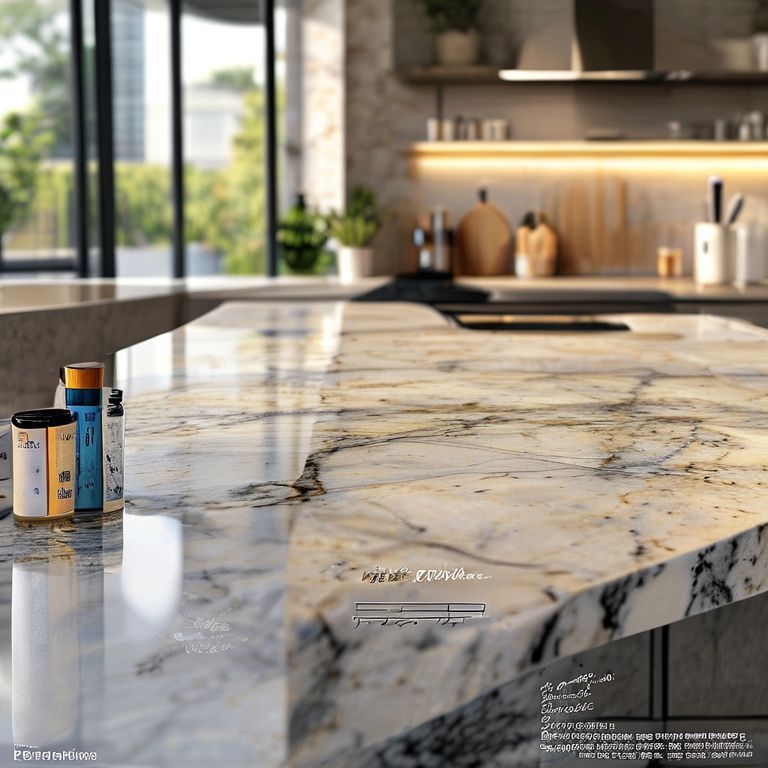
The Timeless Appeal and Versatility of Marble
Marble, a metamorphic rock formed from the transformation of limestone due to high pressure and temperature, has been cherished for centuries for its unparalleled beauty and durability. This timeless stone has adorned palaces, churches, and homes across the globe, symbolizing elegance and luxury. Its unique veining and color variations make each piece distinct, adding a touch of nature’s artistry to any space.

Understanding Marble Varieties
The world of marble is vast and diverse, with each variety offering its unique charm and price point. Here are some of the most popular types:
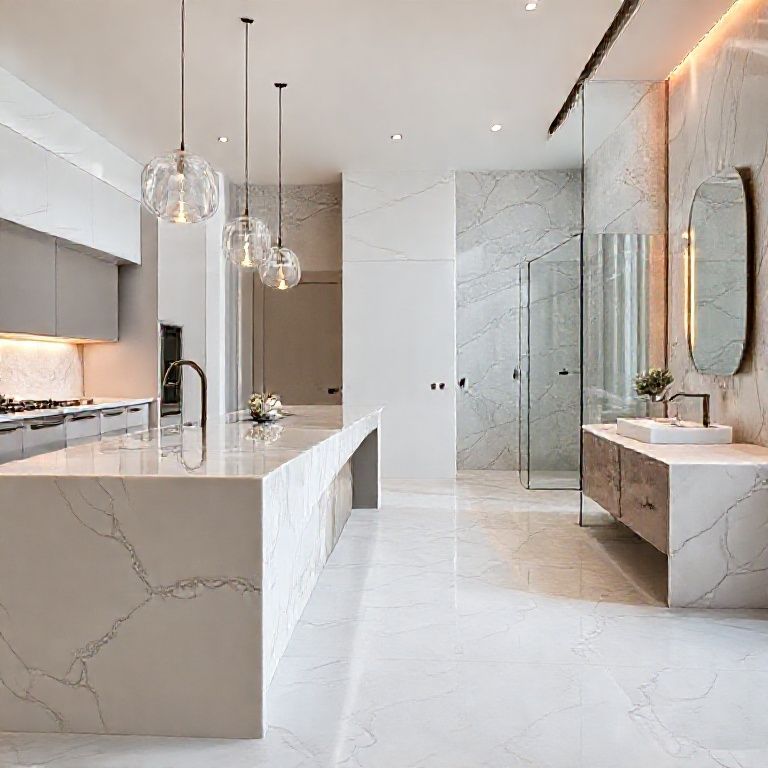
Carrara Marble: Known for its pure white color and fine grain, Carrara marble is a favorite among high-end designers and architects. Its pristine appearance makes it ideal for both interior and exterior applications.
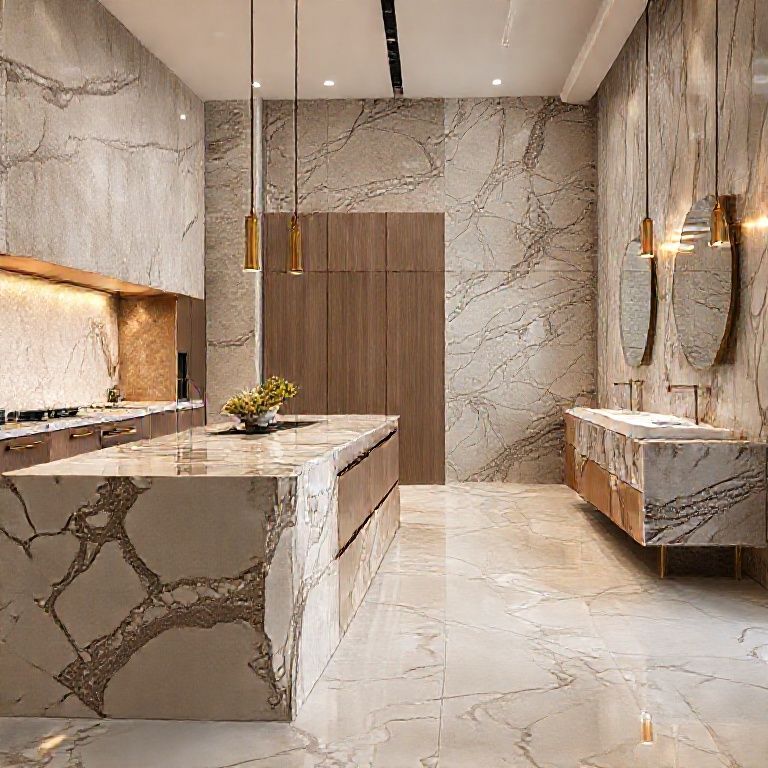
Travertine Marble: This type features a natural, honeycombed texture with a range of colors from creamy white to rich brown. Travertine marble is both beautiful and practical, often used in outdoor settings due to its superior water resistance.
Egyptian Marble: Revered for its historical significance, Egyptian marble ranges from creamy white to deep, rich hues. Its historical legacy adds a sense of grandeur to any space.
Italian Marble: Italy is synonymous with marble excellence. Varieties such as Botticino and Statuario offer intricate veining and a striking appearance, making them perfect for high-end projects.
Factors Influencing Marble Prices
The general price of marble can vary widely based on several factors:
Quality: The aesthetic appeal and structural integrity of marble are paramount. Higher quality marble, with fewer inclusions and a more uniform color, will naturally command a higher price.
Rarity: Some marble types are rarer than others. For instance, marble from ancient quarries or exclusive mines will often be more expensive due to its scarcity.
Color and Veining: Marble with unique and striking colors and veining patterns is more valuable. Designers and homeowners often pay a premium for these distinctive features.
Cutting and Polishing: The way marble is cut and polished affects its final price. Precision cutting and high-quality polishing can significantly enhance the marble’s beauty and value.
Geographical Location: Marble from well-known, reputable sources often has a higher price due to its established quality and demand.
Marble’s Applications and Benefits
Marble’s versatility makes it an excellent choice for various applications:
Architectural Elements: Marble is a cornerstone in architecture, used in flooring, walls, and facades. Its timeless appeal adds a touch of classic elegance to any structure.
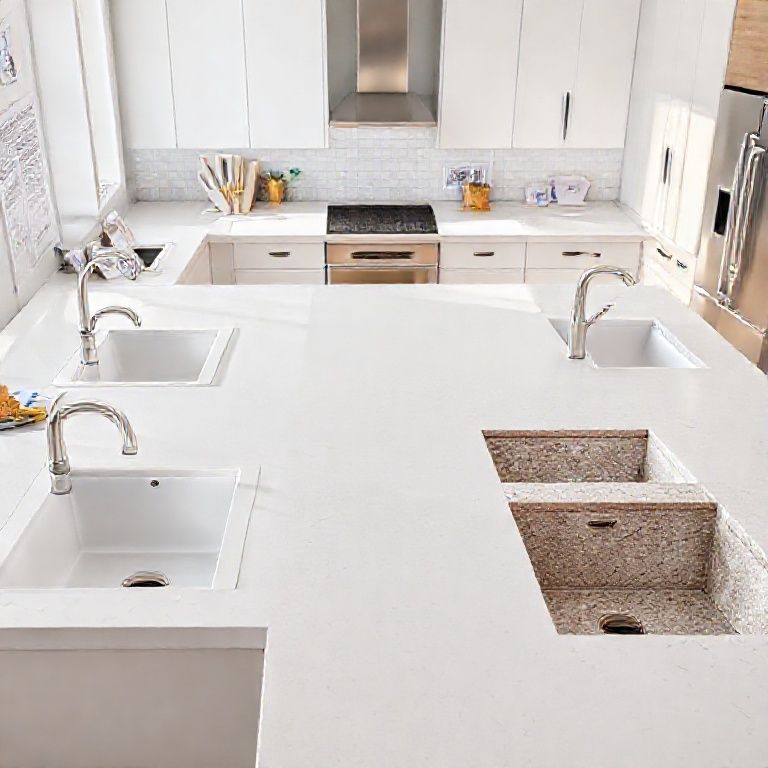
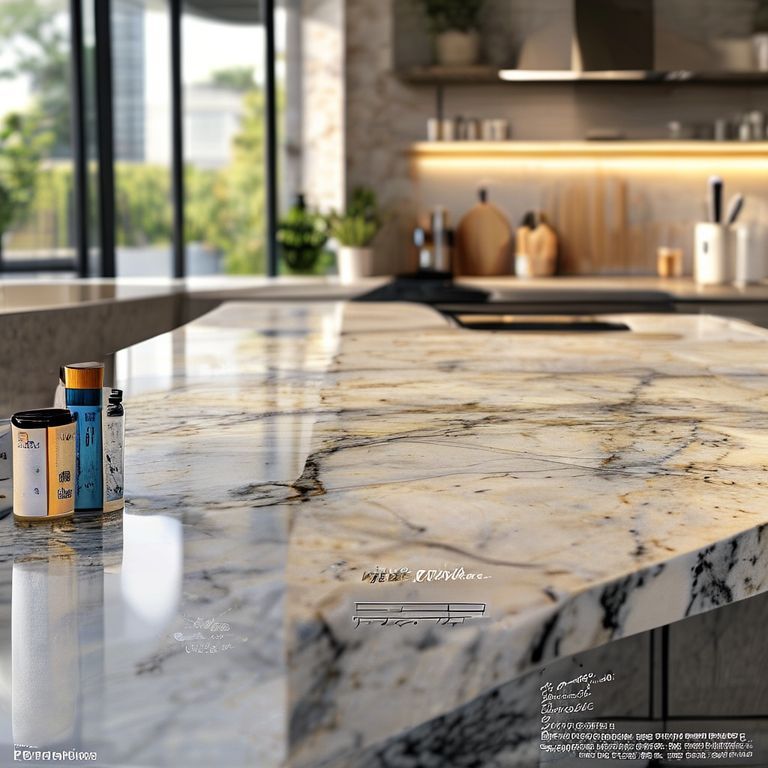
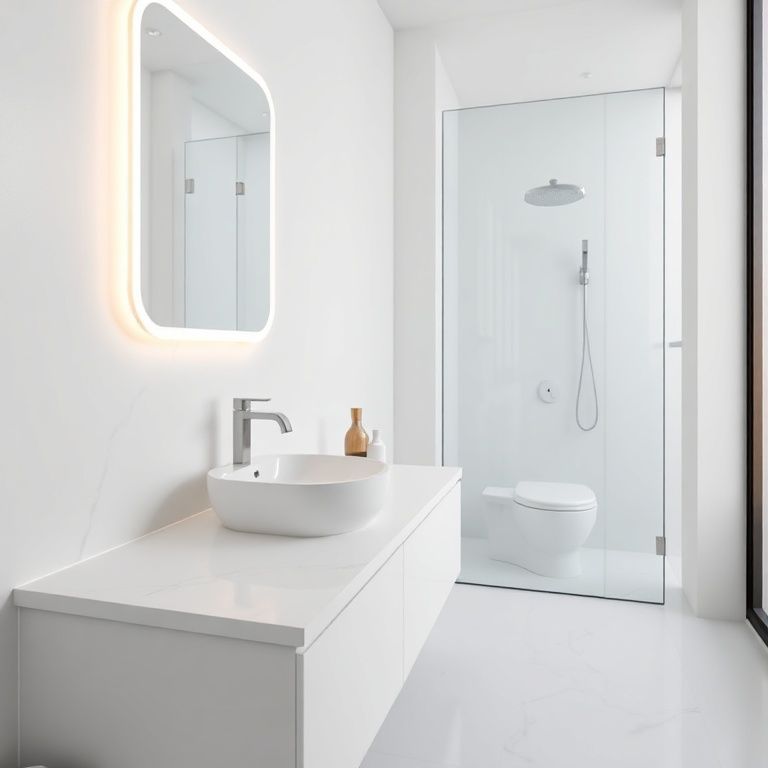
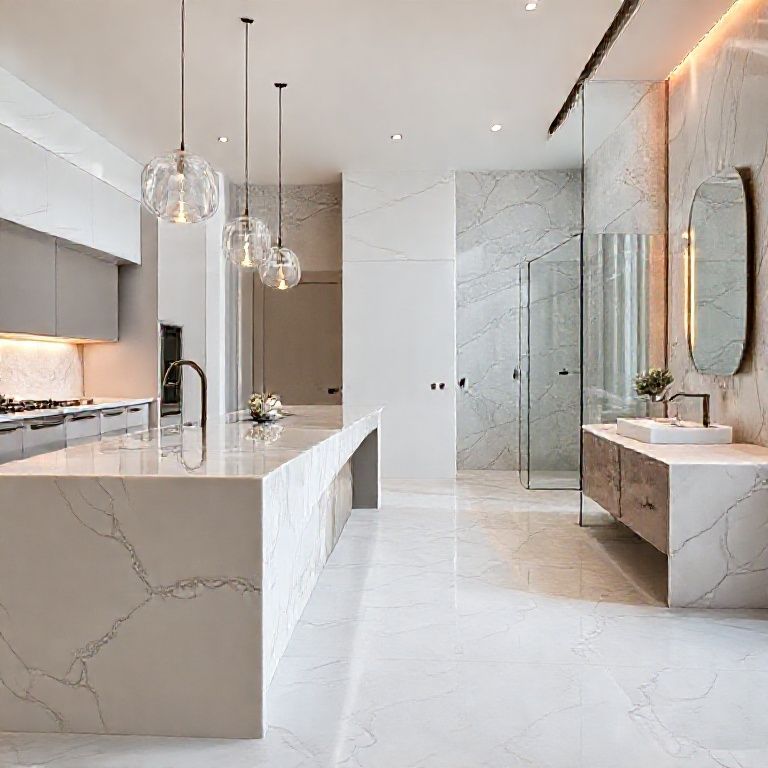
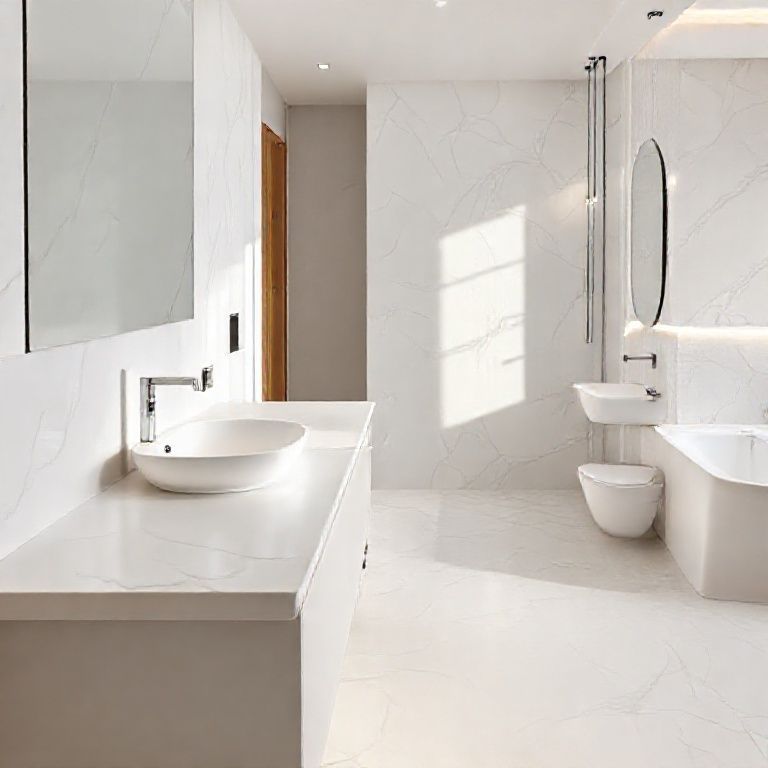
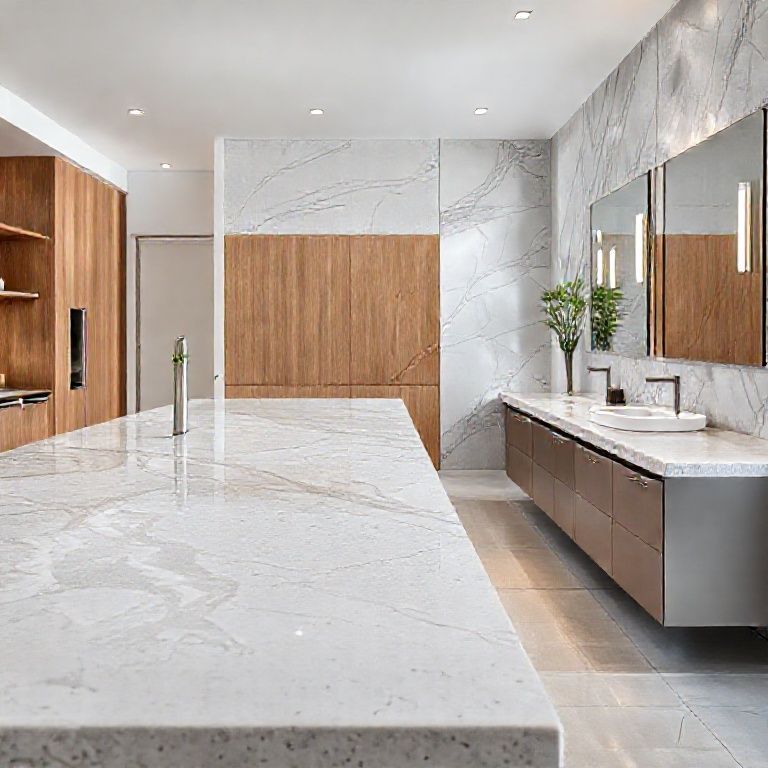
Interior Design: From countertops to tabletops, marble’s luxurious look enhances the aesthetic of modern and traditional interiors alike. Its durability ensures it remains a stylish choice for decades.
Furniture: Marble is often used in the creation of furniture, such as dining tables and bar counters, providing a blend of beauty and functionality.
Outdoor Spaces: Marble’s resilience to weather makes it ideal for outdoor applications, including patios, fountains, and garden sculptures.
Maintenance and Care
Proper care is essential to maintain marble’s beauty and longevity. Here are some tips:
Avoid Abrasive Cleaners: Using harsh chemicals or abrasive pads can scratch and damage marble. Opt for gentle, pH-neutral cleaners instead.
Seal Regularly: Regular sealing helps protect marble from stains and spills, preserving its pristine appearance.
Immediate Cleaning: Prompt cleaning of spills, especially acidic ones like wine or juice, prevents stains from setting in.
Proper Furniture Placement: Place furniture with hard edges on protective pads to avoid scratching the marble surface.
Conclusion
Marble continues to be a beloved choice for those seeking timeless beauty and durability in their design projects. Understanding its varieties, factors affecting its price, and proper care ensures you can fully appreciate and enjoy this exquisite material. In the next part, we will delve deeper into the market trends, installation techniques, and future outlook for marble.
Market Trends and Future Outlook for Marble
Current Market Trends
The marble market is dynamic, influenced by global economic trends, architectural innovations, and changing consumer preferences. Here’s a closer look at the current trends:
Sustainability: With growing environmental awareness, the demand for sustainable materials is on the rise. Marble, being a natural stone, aligns well with sustainability goals. However, sourcing practices and transportation impacts need to be considered.
Customization: Modern consumers desire unique, personalized designs. Marble’s natural variations offer endless possibilities for bespoke creations, from custom countertops to one-of-a-kind sculptures.
Technology Integration: Advanced techniques in cutting, polishing, and installation are enhancing marble’s functionality and aesthetic appeal. Technologies like laser cutting allow for intricate designs that were previously impossible.
Global Demand: Marble’s global appeal means demand spans continents. Asia, particularly China, is a significant producer and consumer, while Europe remains a key market for high-end, luxury marble.
Installation Techniques
Proper installation is crucial to maximizing marble’s beauty and longevity. Here are some key techniques:
Professional Installation: Hiring experienced professionals ensures precise cutting, fitting, and sealing, which is vital for maintaining the marble’s integrity and appearance.
Proper Adhesives: Using high-quality, acid-resistant adhesives is essential for securing marble in place, whether on floors, walls, or countertops.
Seamless Installation: For a flawless look, techniques like lapping and grouting are used to join marble pieces seamlessly, creating a continuous surface.
Regular Maintenance: Post-installation, regular maintenance is key to prolonging the life of marble installations. This includes routine cleaning, sealing, and inspection for any wear or damage.
Economic Considerations
When considering the general price of marble, economic factors play a significant role:
Market Fluctuations: Marble prices can fluctuate based on supply and demand dynamics. Economic downturns can lead to price reductions, while boom periods can see price hikes.
Transportation Costs: The cost of transporting marble, especially from distant locations, can significantly impact its overall price. Bulk purchases can sometimes mitigate these costs.
Customization and Design Complexity: Custom designs and intricate installations often come with higher costs. The complexity of the project can influence the final price.
Local Availability: Availability of local marble sources can affect the price. Regions with abundant local supplies may see lower costs compared to areas reliant on imported marble.
Future Outlook
The future of marble looks promising, with several trends shaping its trajectory:
Innovation in Materials: Advances in material science are leading to new marble composites that combine the aesthetic appeal of natural marble with enhanced durability and ease of maintenance.
Growing Eco-Consciousness: As sustainability becomes more central to design, eco-friendly marble options and practices will likely gain traction, driving demand for responsible sourcing and production methods.
Technological Advancements: Continued technological advancements in cutting, polishing, and installation techniques will further refine marble’s use in various applications, opening new possibilities for design and functionality.
Global Expansion: As more regions recognize marble’s beauty and durability, global demand is expected to grow. This expansion will likely lead to increased competition, potentially driving down prices while maintaining high quality.
Conclusion
Marble remains a timeless choice for those who value beauty, durability, and elegance in their design projects. Understanding its varieties, market trends, and proper care ensures you can fully appreciate and enjoy this exquisite material. As we look to the future, technological advancements and growing eco-consciousness promise to shape the marble industry in exciting ways. Whether you’re considering marble for a new project or looking to maintain your existing installation, this comprehensive guide provides all the knowledge you need to make informed decisions.
In this two-part article, we’ve delved into the world of marble, exploring its varieties, factors influencing its price, applications, and market trends. From its timeless appeal to its future outlook, marble continues to be a cherished material in both historical and contemporary settings.