Unveiling the Timeless Beauty and Cost of Marble
Marble has long been revered for its timeless beauty, elegance, and versatility. This exquisite natural stone has been used in some of the world’s most iconic architectural and decorative works, from ancient temples to modern homes. But what exactly is the cost of bringing such a luxurious material into your home or commercial space? Let’s delve into the world of marble to understand its pricing, types, and applications.

The Allure of Marble
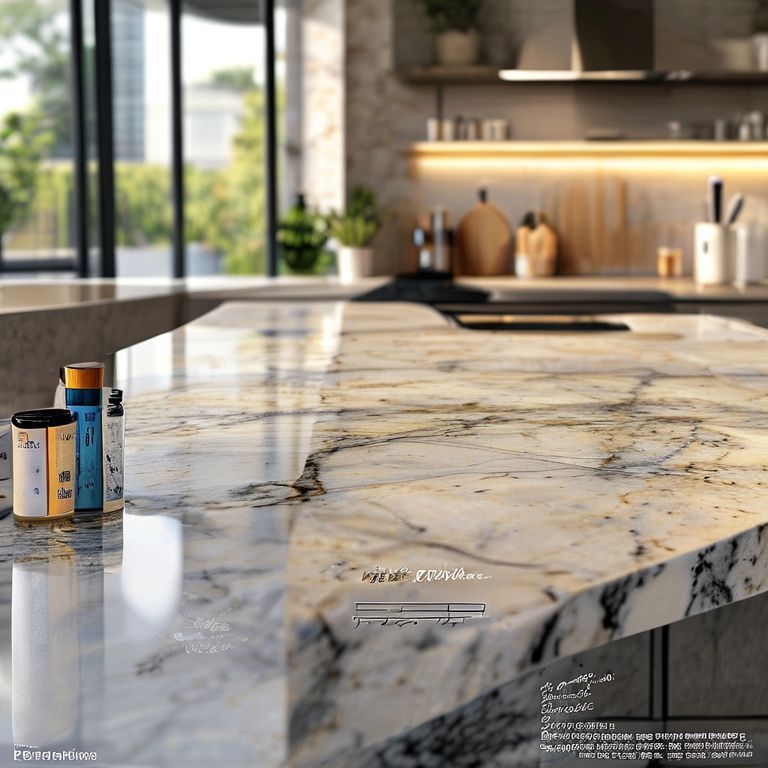
Marble is a metamorphic rock formed when limestone is subjected to intense heat and pressure. This process causes the original calcite crystals to recrystallize, creating a stunning and intricate pattern. Marble’s unique veining and color variations make each piece virtually one-of-a-kind, offering an unparalleled sense of luxury and sophistication.
Varieties of Marble
The beauty of marble lies in its diversity. Here are some of the most popular types:
Carrara Marble: Known for its pure white appearance with subtle veining, Carrara marble is a favorite for high-end projects. Egyptian Marble: Famous for its striking dark veins, this type is often used in sculptures and monumental works. Indian Marble: With its warm hues and intricate patterns, Indian marble is popular in both residential and commercial settings. Black Marble: Recognized for its deep, rich color and bold patterns, black marble is perfect for dramatic, statement pieces.
Marble’s Versatility
Marble’s versatility is one of its greatest attributes. It can be used for:
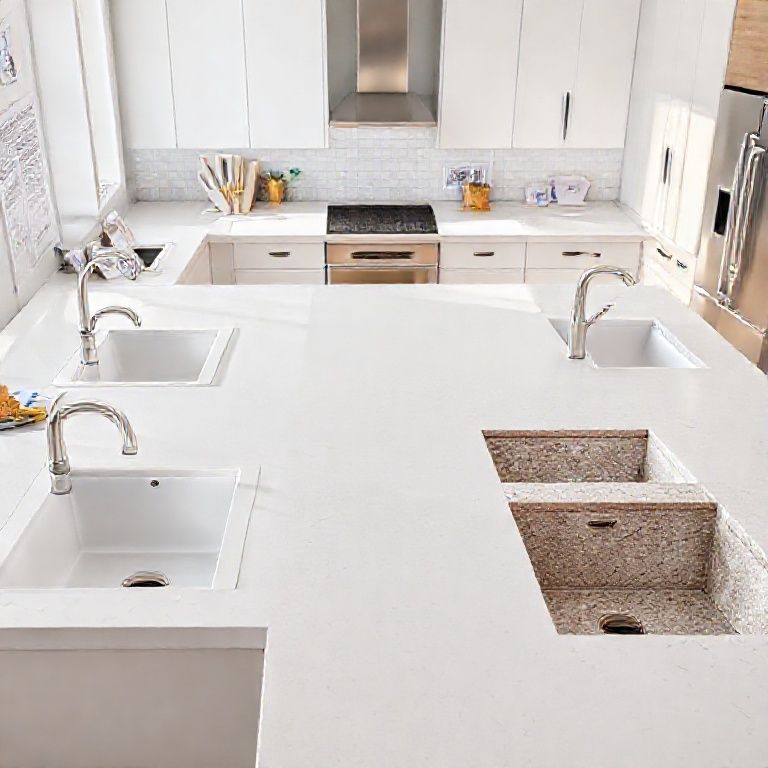
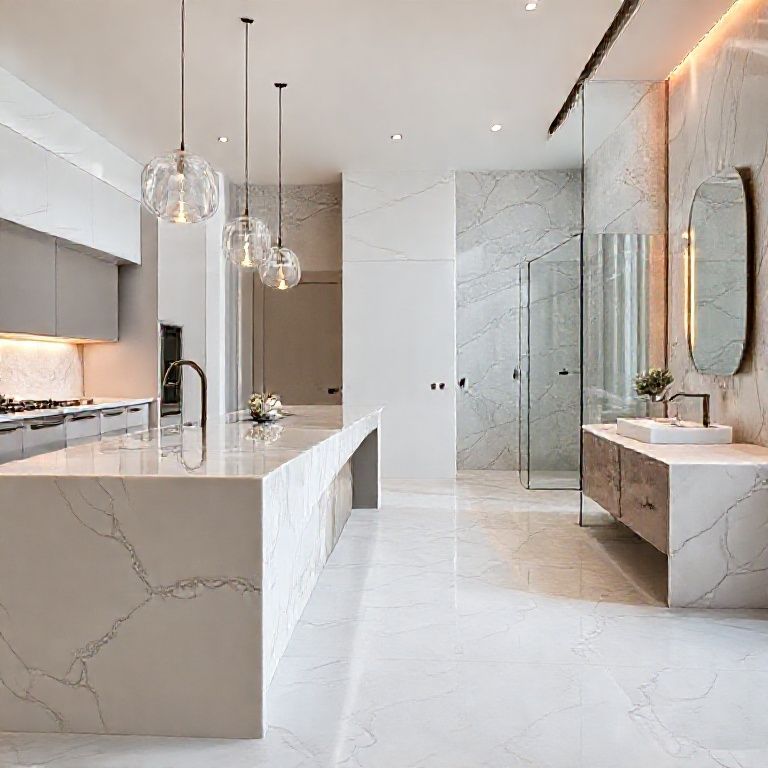
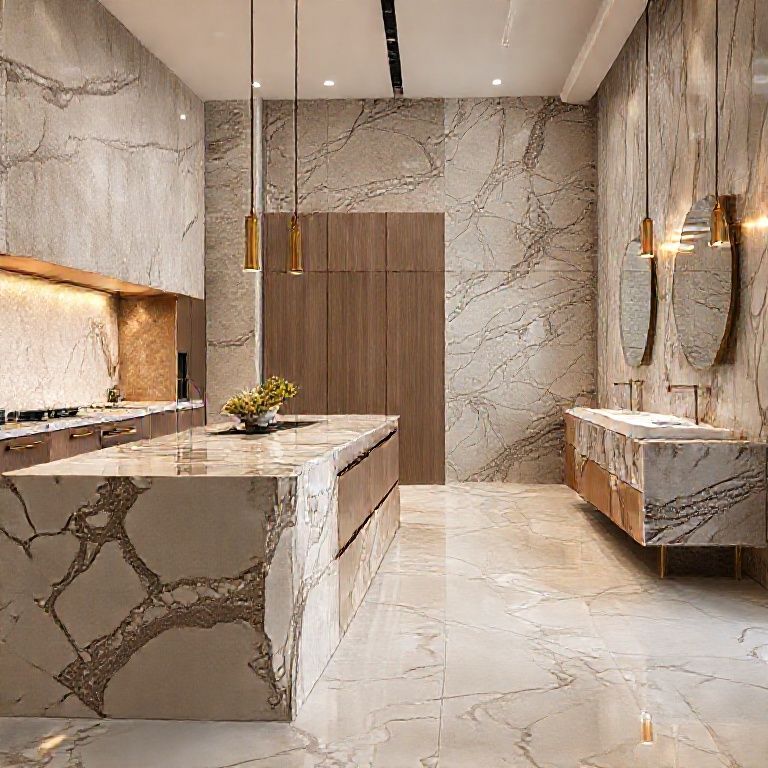
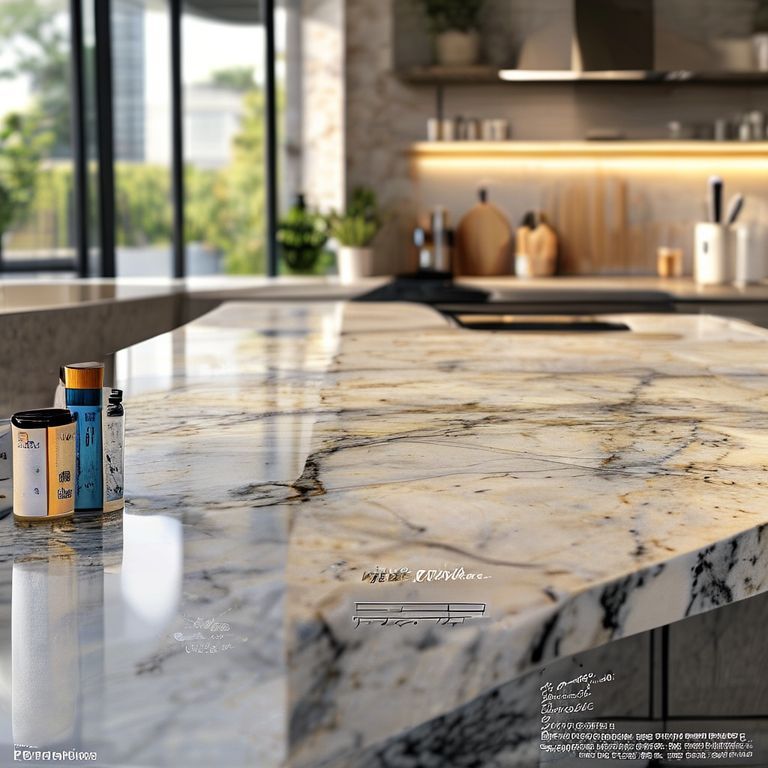
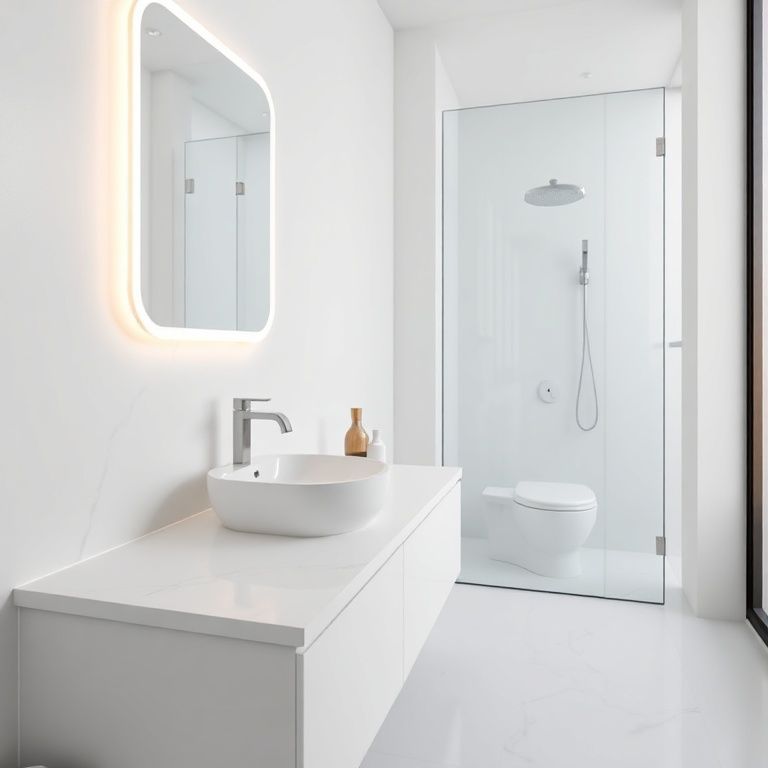
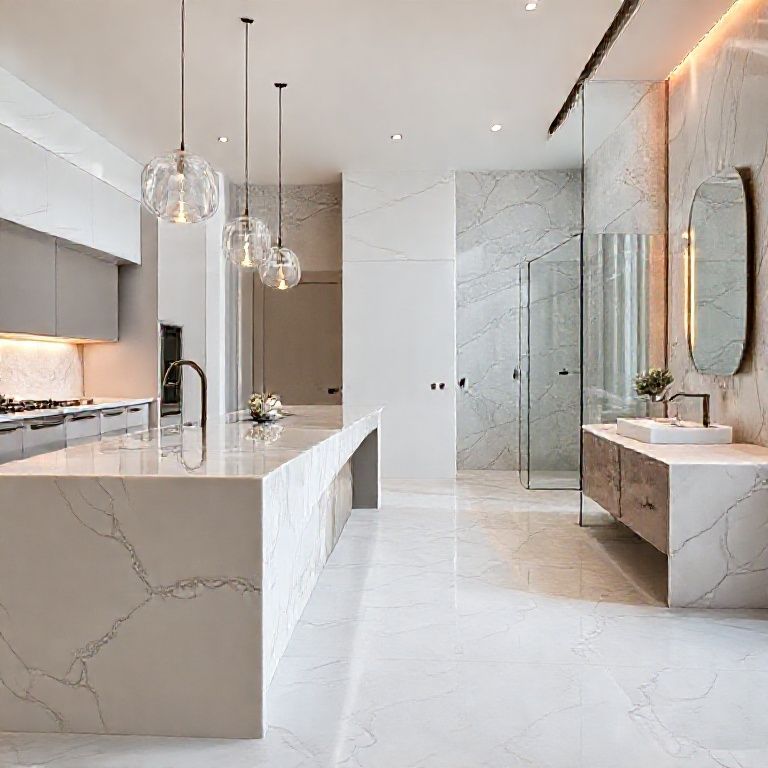
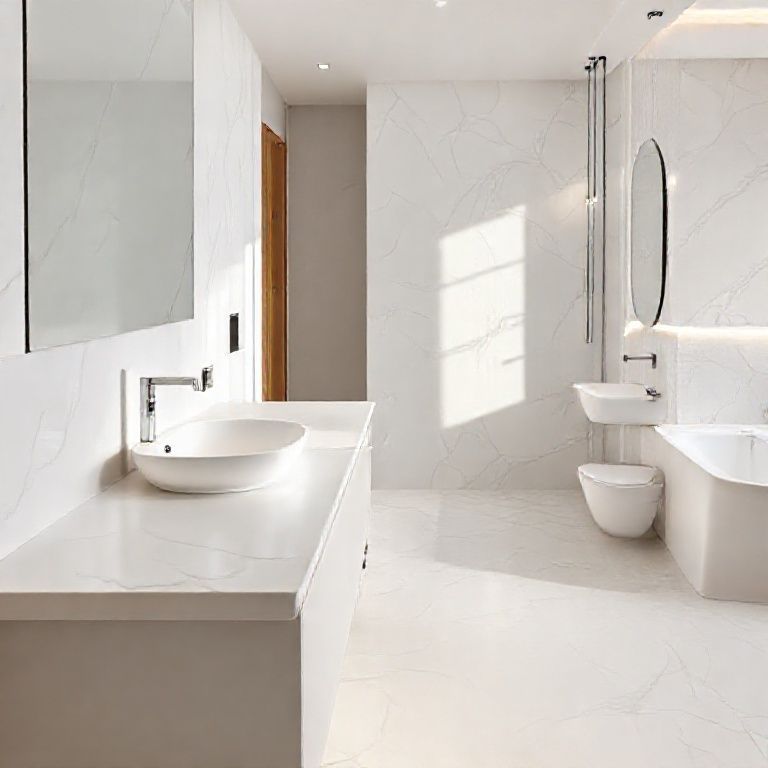
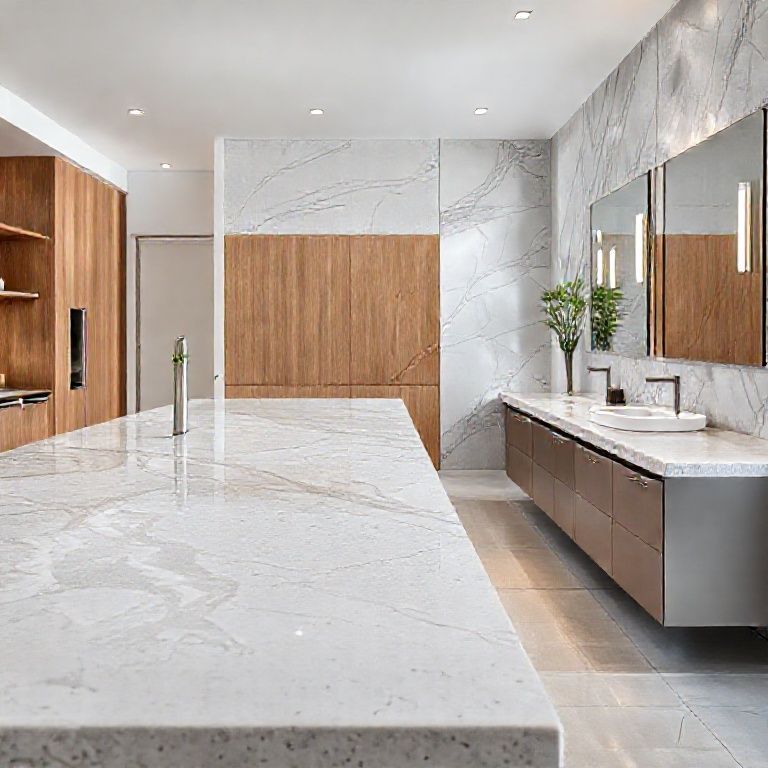
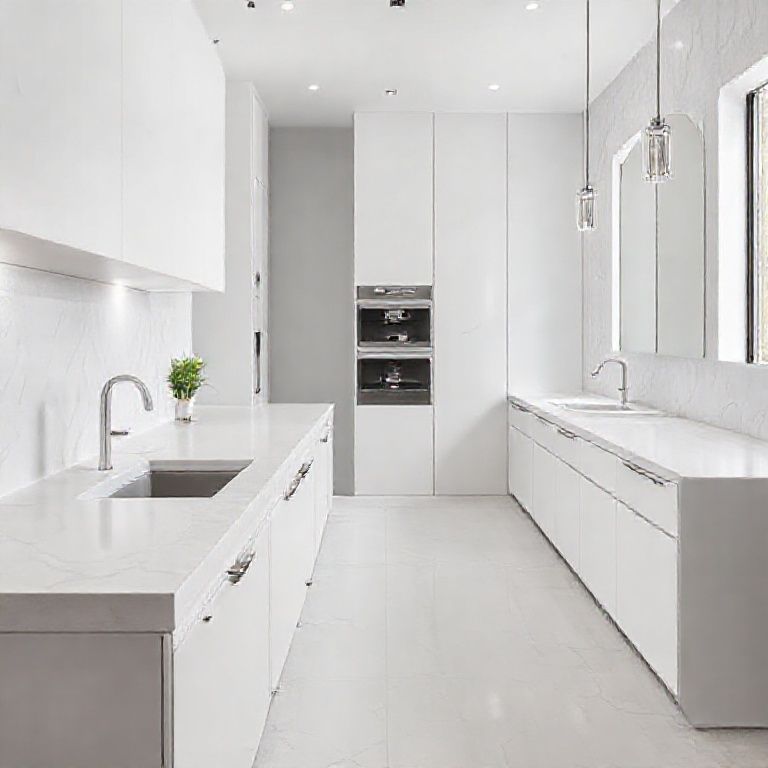
Flooring: Marble flooring offers timeless elegance and durability. It withstands heavy foot traffic and can be polished to a high sheen. Countertops: Marble countertops are a staple in kitchens and bathrooms, providing a luxurious yet practical surface. Wall Cladding: Used in both interior and exterior walls, marble cladding adds a touch of sophistication and natural beauty. Furniture: From dining tables to bar stools, marble can be used to create stunning and functional pieces of furniture.
The Cost of Marble
The cost of marble varies widely depending on several factors:
Type of Marble: As mentioned, different types of marble come with different price tags. For instance, Carrara marble tends to be more expensive than Indian marble. Quality: Higher quality marble with fewer blemishes and more uniform coloring will cost more. Labor Costs: If you opt for custom installations or intricate designs, labor costs can significantly impact the overall price. Surface Treatment: Polished, honed, or brushed marble will have different price points based on the level of finish required.
Average Pricing
To give you a rough idea, here’s a general breakdown of the cost per square meter for marble:
Entry-Level Marble (e.g., Indian Marble): $20 to $50 per square meter. Mid-Range Marble (e.g., Carrara Marble): $50 to $150 per square meter. High-End Marble: $150 and above per square meter.
Labor costs can range from $5 to $20 per square meter, depending on the complexity of the installation and the level of expertise required.
Why Choose Marble?
Aesthetic Appeal: Marble’s natural beauty and unique patterns make it a standout choice for any space. Durability: When properly maintained, marble can last for decades, providing long-term value. Versatility: Its ability to be used in various applications makes it incredibly versatile. Hygienic: Marble is a non-porous stone, which means it’s easy to clean and hygienic.
Tips for Buying Marble
When considering marble for your project, here are some tips to keep in mind:
Choose a Reputable Supplier: Ensure that you’re buying from a reputable supplier who can provide high-quality marble with a warranty. Check for Certification: Look for marble that is certified to ensure it meets quality standards. Request Samples: Always request samples to see the color and pattern variations before making a purchase. Consider Maintenance: Understand the maintenance requirements of marble to ensure it remains in pristine condition.
In the next part of our guide, we will delve deeper into the maintenance and installation of marble, along with its environmental impact and sustainability considerations.
Installation, Maintenance, and Sustainability of Marble
Now that we have covered the various types, costs, and uses of marble, let’s explore more about its installation, maintenance, and sustainability. This comprehensive overview will help you make informed decisions about incorporating marble into your projects.
Installation of Marble
Proper installation is crucial to ensure the longevity and beauty of marble. Here’s what you need to know:
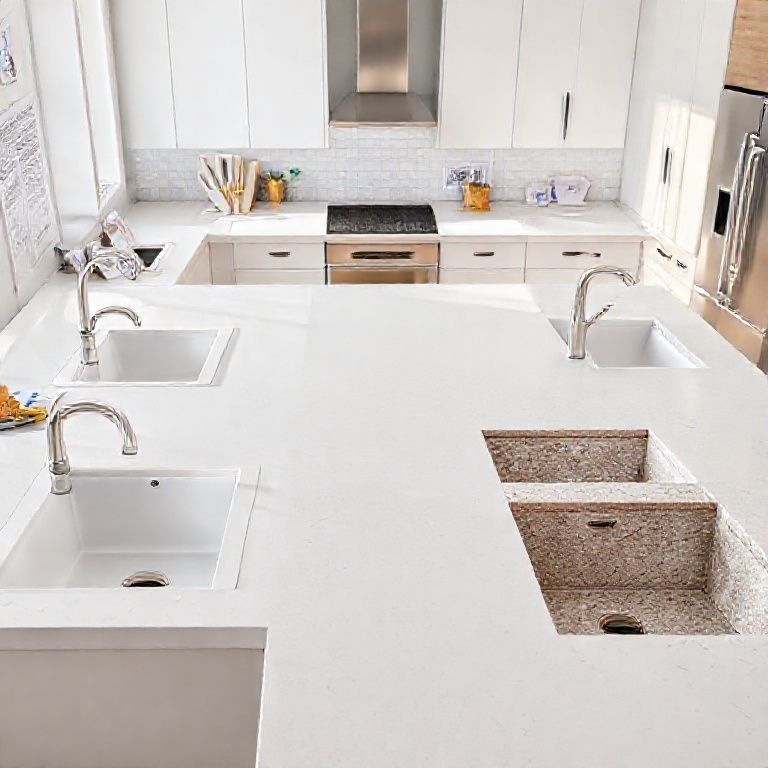
Professional Installation: It’s highly recommended to hire professional installers for marble. They have the expertise to ensure that marble is laid correctly, which is vital for the stone’s durability and aesthetic appeal. Preparation: The surface where marble will be installed must be well-prepared. This includes cleaning, leveling, and ensuring that any adhesives used are suitable for marble. Seaming: Proper seaming techniques are essential to prevent cracks and ensure a seamless appearance. Professionals use specialized tools and techniques to achieve this. Sealing: While marble does not require sealing, it’s a good practice to apply a high-quality sealant after installation to protect against stains and maintain its shine.
Maintenance of Marble
Marble is a durable material, but it does require some maintenance to keep it looking its best. Here are some key tips:
Regular Cleaning: Use a soft cloth and a mild pH-neutral cleaner to wipe down marble surfaces. Avoid using acidic or abrasive cleaners as they can damage the stone. Polishing: Depending on the type and finish of marble, regular polishing may be required to maintain its shine. This can usually be done with a commercial marble polish. Sealing: While not necessary, sealing marble can protect it from stains and spills. Use a high-quality, non-toxic marble sealant and follow the manufacturer’s instructions. Immediate Cleaning: Any spills or stains should be cleaned immediately to prevent them from setting into the stone. Use a damp cloth to wipe up spills and treat stains promptly.
Sustainability and Environmental Impact
As with any material, it’s important to consider the environmental impact of using marble:
Extraction: Marble is a natural resource, and its extraction can have environmental consequences. Responsible quarrying practices are essential to minimize the impact. Transportation: The cost and environmental impact of transporting marble can vary depending on its origin. Opt for local or regional sources to reduce carbon footprint. Recycling and Reuse: In some cases, marble can be recycled or reused. For example, old marble countertops can sometimes be resurfaced or repurposed. Sustainable Alternatives: While traditional marble has a significant environmental footprint, there are sustainable alternatives available. Some manufacturers produce eco-friendly marble alternatives using recycled materials.
The Future of Marble
The future of marble lies in innovation and sustainability. Here are some emerging trends:
Eco-Friendly Marble: New technologies are being developed to create marble using recycled materials, reducing the environmental impact. Advanced Sealing Techniques: Innovations in sealing technology are making marble more durable and easier to maintain. Smart Marble: Smart materials are being developed that incorporate technology, such as self-cleaning surfaces and sensors.
Final Thoughts
Marble remains a timeless and elegant choice for both residential and commercial projects. Its beauty, durability, and versatility make it a popular choice among designers and homeowners. While the cost of marble can vary significantly, understanding its types, applications, and maintenance requirements can help you make informed decisions. Additionally, considering the environmental impact and exploring sustainable alternatives can help ensure that your choice of marble is both beautiful and responsible.
In conclusion, marble continues to be a symbol of luxury and sophistication. Whether you’re considering it for flooring, countertops, or wall cladding, its enduring appeal and unique beauty make it a material worth investing in. By understanding its cost, maintenance, and sustainability, you can ensure that your marble project is both aesthetically pleasing and environmentally responsible.