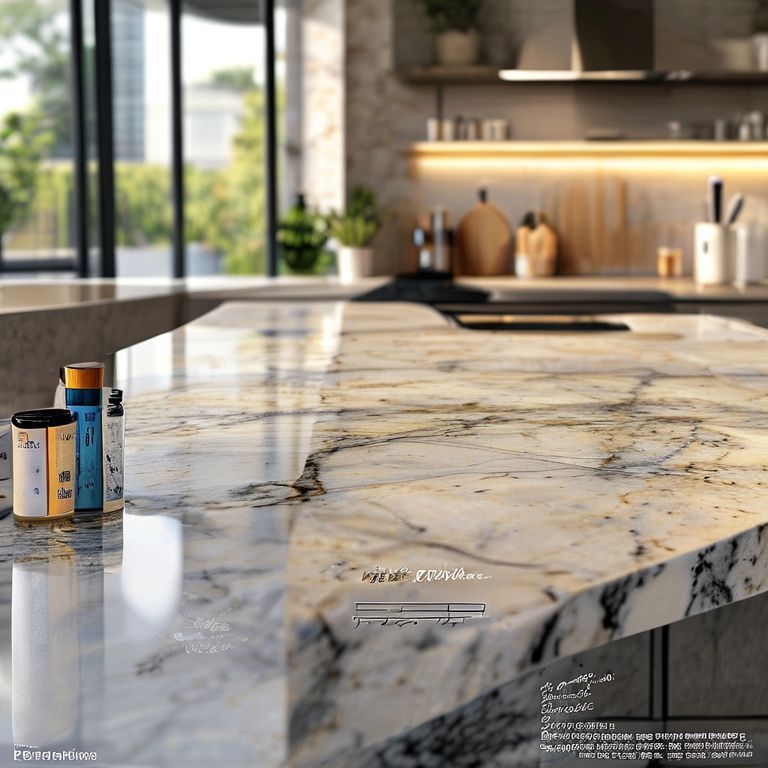
The Elegance and Durability of Marble: An In-Depth Look at Its Unit Price
In the realm of luxury and timeless elegance, few materials stand as tall as marble. Its natural beauty, combined with unparalleled durability, has made it a cornerstone in the world of interior design and architectural marvels. However, when it comes to marble, understanding its “unit price” or “price per square foot” is essential for anyone considering its use in their projects.

The Natural Beauty and Versatility of Marble
Marble is a metamorphic rock formed when limestone undergoes intense heat and pressure, resulting in a stunning array of colors and patterns. This natural process not only enhances its aesthetic appeal but also contributes to its durability. Marble’s unique veining and color variations offer endless possibilities for design, from sleek countertops to intricate flooring and grand architectural elements.
The beauty of marble lies in its natural, organic patterns, which can range from creamy whites to deep, rich hues. This inherent variability means that no two pieces of marble are exactly alike, making each piece a one-of-a-kind masterpiece. This uniqueness, combined with its timeless elegance, is why marble continues to be a preferred choice for high-end interiors and public spaces alike.
Factors Influencing Marble’s Unit Price
Several factors influence the unit price of marble, each contributing to its overall cost and value. Understanding these elements is crucial for anyone looking to incorporate marble into their project.
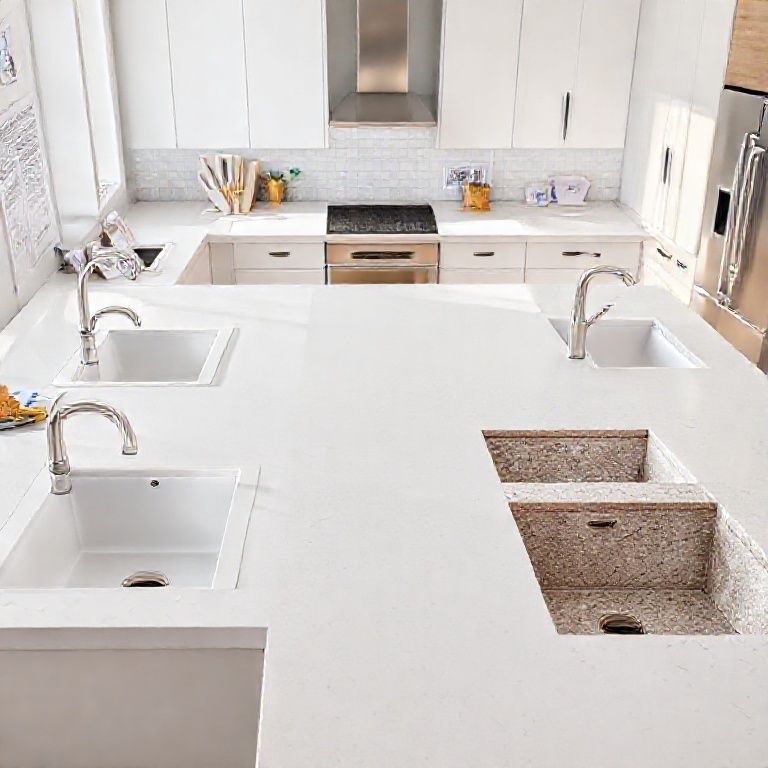
Type of Marble: Different types of marble, such as Carrara, Bianco Carrara, and Italian Marble, offer varying levels of beauty and durability. Each type comes with its unique color palette and veining, affecting its overall appeal and cost. High-quality marbles like those from the Carrara region in Italy are often more expensive due to their superior beauty and consistency.
Color and Pattern: The color and pattern of marble play a significant role in its unit price. Marbles with striking, vibrant colors and intricate veining tend to be more expensive. Designers often choose marbles that complement the existing aesthetic of a space, which can also impact the final cost.
Grade and Quality: Marble is graded based on its quality, with higher grades indicating better color consistency, fewer veins, and superior durability. Higher-grade marbles are naturally more expensive due to their superior quality and the labor-intensive process required to select and cut them.
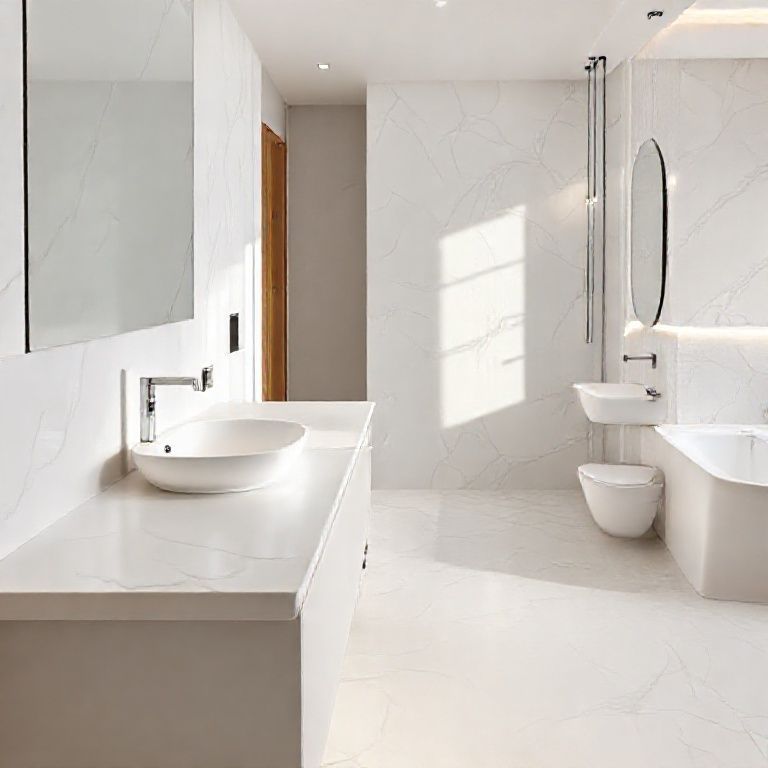
Thickness and Size: The thickness and size of marble slabs or tiles also affect the unit price. Thicker slabs are generally more durable and require less cutting, but they can be more expensive due to the raw material costs. Larger slabs may offer a more seamless look but can also drive up costs due to transportation and installation complexities.
Labor Costs: The labor involved in cutting, polishing, and installing marble adds to its overall cost. Skilled artisans are required to handle the delicate process of working with marble, ensuring it is cut to precise dimensions and polished to a flawless finish. The expertise and time involved in these processes contribute significantly to the unit price.
Transportation and Shipping: Marble is a heavy and delicate material, making transportation and shipping crucial factors in its overall cost. The distance from the marble quarry to the final destination can impact the unit price, especially for international projects.
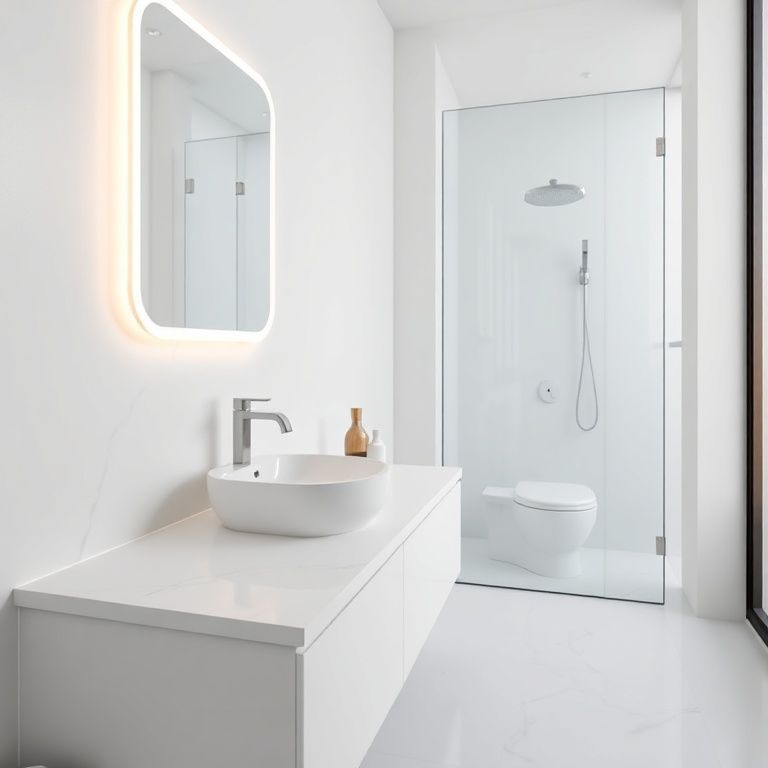
The Value of Marble in Interior Design
Despite its cost, marble offers significant value in interior design. Its natural beauty and durability make it a timeless choice that can elevate the aesthetic of any space. Here are some ways marble enhances interior design:
Timeless Elegance: Marble’s natural beauty and classical elegance make it a timeless choice for interior design. Its sophisticated look is perfect for high-end homes, luxury hotels, and grand public spaces.
Durability and Maintenance: Marble is known for its durability, which makes it an excellent choice for high-traffic areas. While it requires regular maintenance to prevent staining and etching, its long-lasting nature more than compensates for this effort. Properly cared for, marble can last for decades, maintaining its beauty and value.
Versatility: Marble’s versatility allows it to be used in various applications, from countertops and backsplashes to flooring, bathroom vanities, and even decorative elements like columns and wall cladding. Its ability to complement different styles and materials makes it a versatile choice for any design project.
Enhanced Aesthetics: The unique veining and color variations of marble add a touch of elegance and sophistication to any space. Its natural beauty can transform a room, creating a focal point that draws the eye and adds character.
Investment in Value: Investing in high-quality marble can significantly increase the value of a property. Homes and buildings featuring marble are often more desirable and can command higher prices in the market, making it a worthwhile investment.
Conclusion
Understanding the unit price of marble is essential for anyone considering its use in their projects. From its natural beauty and durability to the various factors influencing its cost, marble offers unparalleled value in interior design. Its timeless elegance, versatility, and enduring appeal make it a choice that not only enhances the aesthetic of a space but also adds significant value to any property. As we delve deeper into the world of marble in the next part, we will explore its trends, applications, and the future of this exquisite material.
Trends, Applications, and the Future of Marble in Interior Design
In the previous part, we explored the beauty, durability, and factors influencing the unit price of marble. Now, let’s delve deeper into the trends, applications, and future of marble in interior design. Marble continues to be a popular choice for both residential and commercial projects, and its appeal is only growing with time.
Current Trends in Marble Usage
Sustainable and Eco-Friendly Marble: As sustainability becomes a more significant concern, marble suppliers are exploring ways to make the production and use of marble more eco-friendly. This includes sourcing marble from quarries that implement sustainable practices and developing methods for recycling and reusing marble waste. Eco-conscious designers and homeowners are increasingly choosing marble that aligns with their environmental values.
Custom and Unique Designs: Marble’s unique veining and color variations make it ideal for custom designs that reflect individual tastes and preferences. Designers are pushing the boundaries of traditional marble usage by creating custom patterns, colors, and shapes. This trend emphasizes the individuality and uniqueness of each piece of marble, allowing for bespoke solutions that stand out.
Marble in Modern Architecture: Marble continues to be a favorite in modern architecture, where its clean lines and elegant appearance complement sleek, minimalist designs. In contemporary buildings, marble is often used in combination with glass and steel to create spaces that are both functional and aesthetically pleasing.
Marble in Small Spaces: Marble’s elegance and durability make it a popular choice for small spaces, such as kitchens and bathrooms. Its ability to add a touch of luxury and sophistication to compact areas is why many designers recommend marble for small spaces. Innovations in marble cutting and installation have made it easier to use marble in smaller projects without compromising on quality.
Applications of Marble in Interior Design
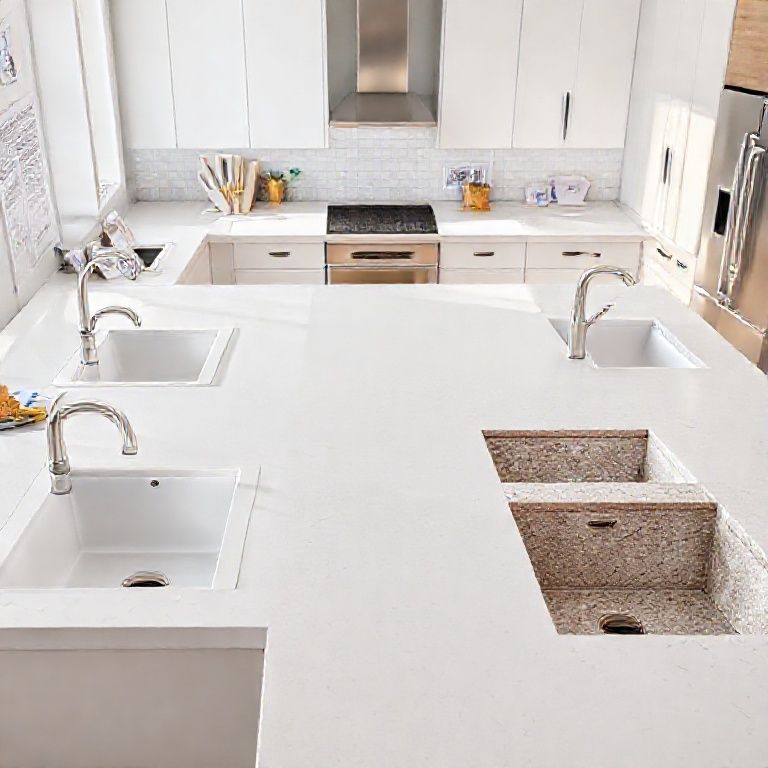
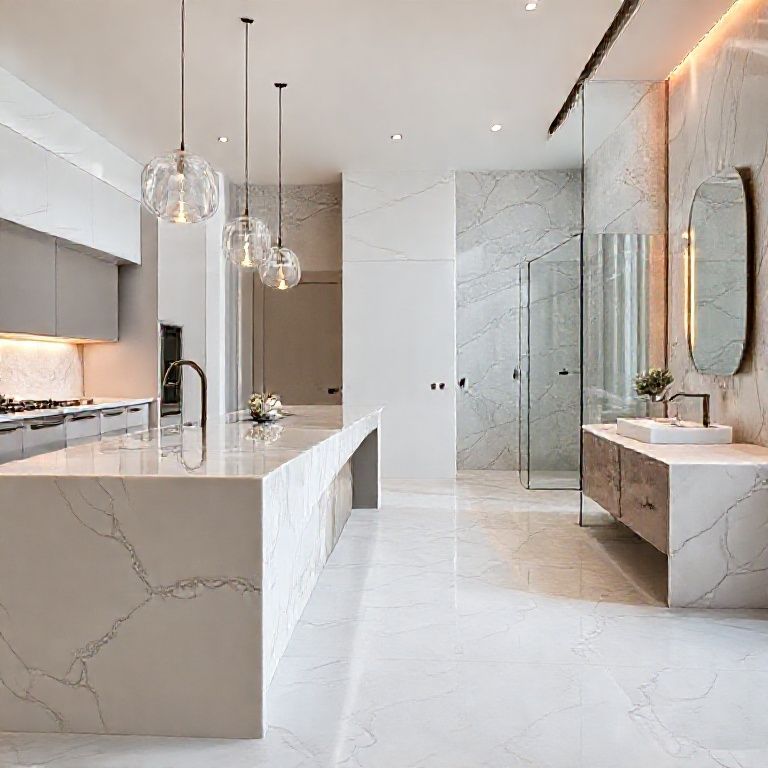
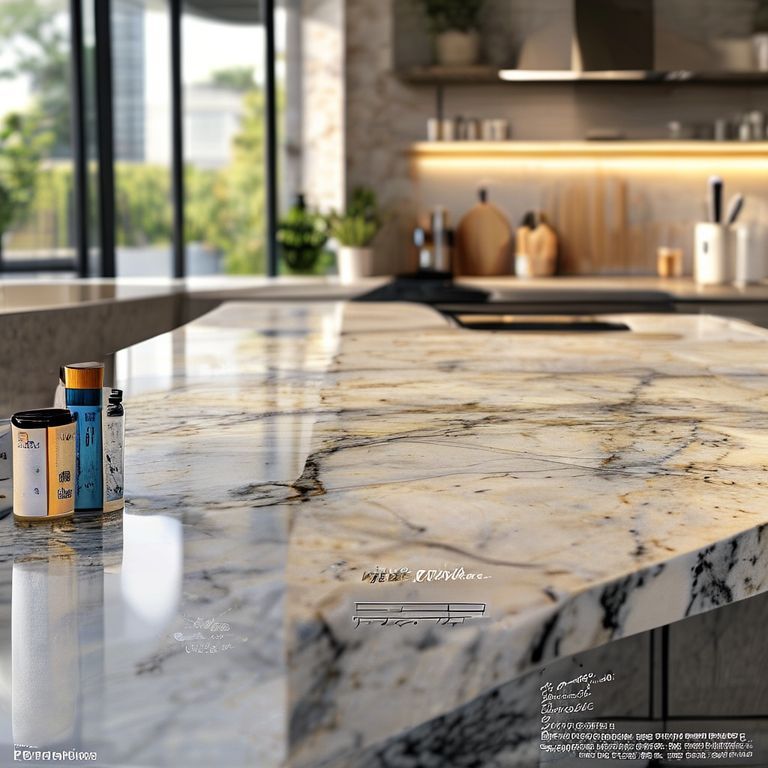
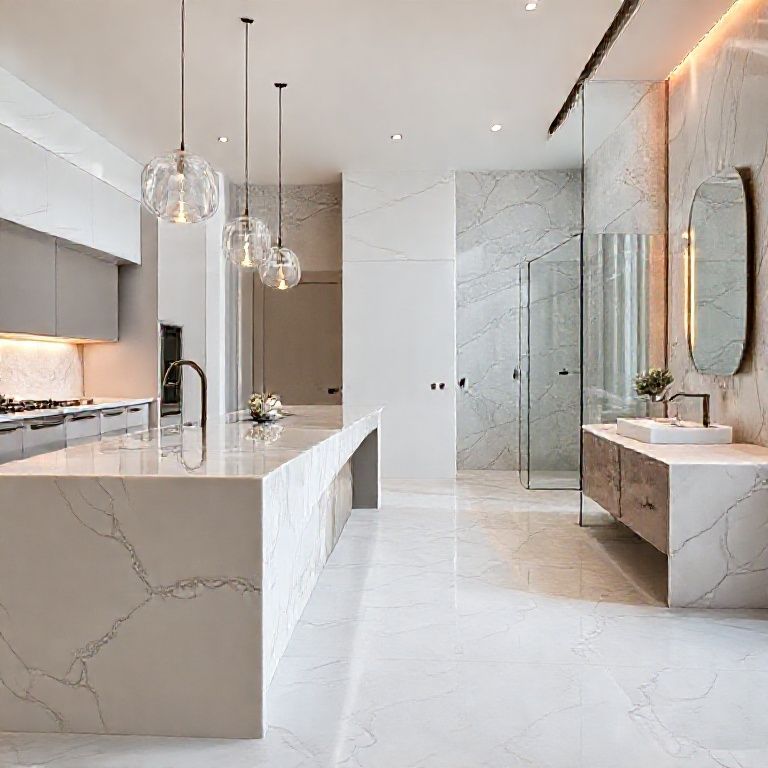
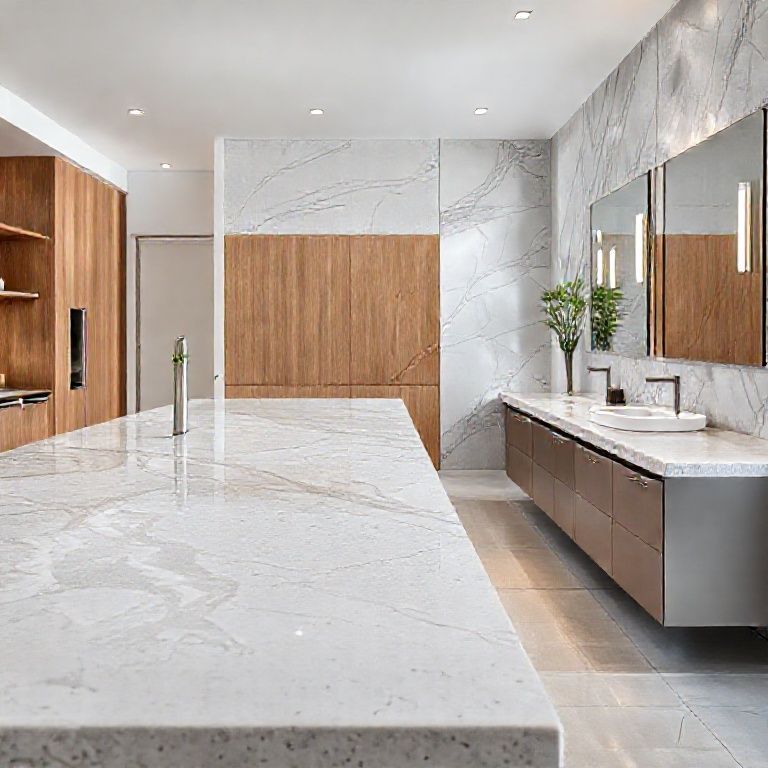
Countertops and Backsplashes: One of the most common uses of marble in interior design is for countertops and backsplashes. Marble’s natural beauty and durability make it an excellent choice for kitchen and bathroom countertops. Its sleek, timeless look adds elegance and enhances the functionality of these spaces.
Flooring: Marble flooring is a popular choice for both residential and commercial spaces. Its durability and beauty make it a durable option for high-traffic areas. Marble flooring can add a touch of luxury and sophistication to any room, from grand foyers to intimate dining areas.
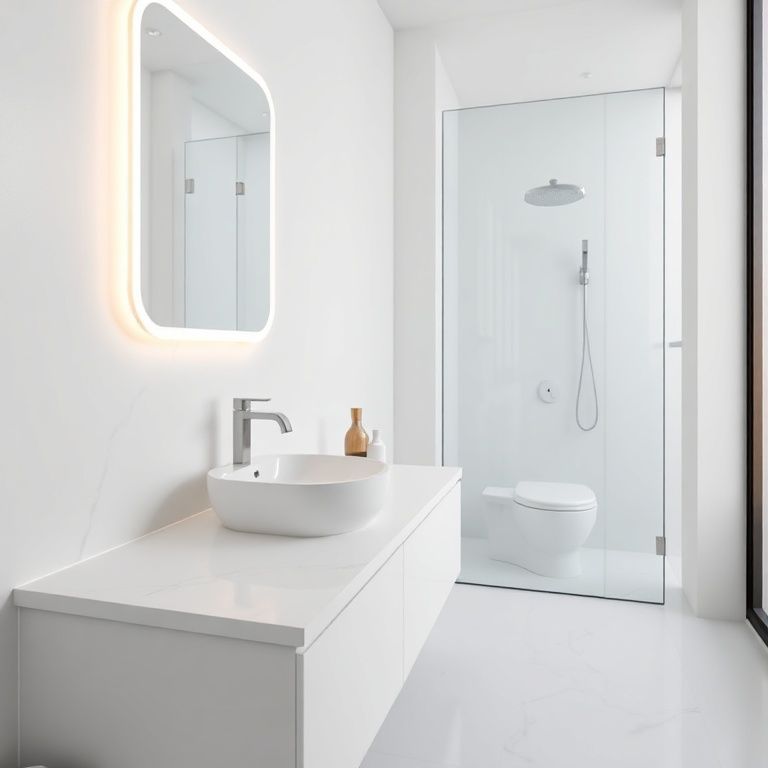
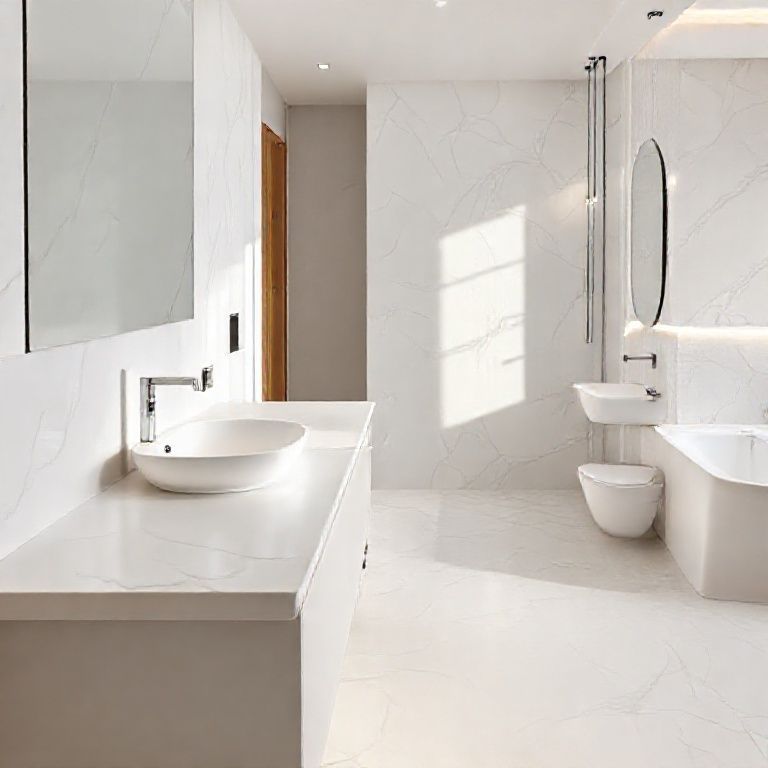
Bathroom Vanities and Showers: Marble is a favorite in bathroom design due to its natural beauty and durability. Marble vanities and shower bases offer a luxurious touch that complements the functionality of bathrooms. Their elegant appearance enhances the overall aesthetic of the space.
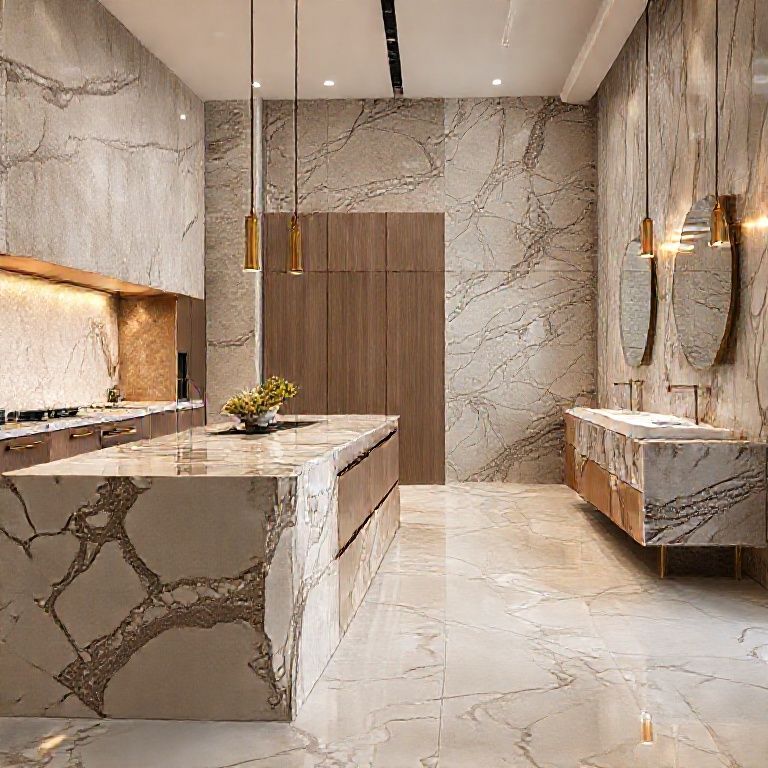
Wall Cladding and Columns: Marble is often used for wall cladding and columns to add a dramatic and elegant touch to interior spaces. Its unique veining and color variations can create striking visual interest. Marble columns and wall cladding are commonly used in grand public spaces, such as museums and government buildings, to create a sense of grandeur and importance.
Furniture: Marble is not just limited to flooring and countertops; it is also used in furniture design. Marble tabletops, side tables, and even bar stools are popular choices for those looking to add a touch of luxury to their home. Its natural beauty and durability make it a perfect material for high-end furniture pieces.
The Future of Marble in Interior Design
As we look to the future, the use of marble in interior design is poised to grow even further. Several trends and innovations are shaping the way marble is used and perceived in the design world.
Technological Advancements: Advances in technology are making it easier to work with marble, from cutting and polishing to installation. Innovations such as更高效的机械设备和软件使得设计师和建筑师能够更加精确地处理和安装大块的大理石,从而在更大规模的项目中使用大理石,这将进一步扩大其应用范围和市场需求。
智能家居集成: 未来,大理石可能会与智能家居技术相结合,创造出更具功能性和互动性的空间。例如,大理石地板可能会集成传感器,用于健康监测或能量管理,这将为其增加新的应用场景。
个性化定制: 随着3D打印技术的发展,定制化大理石制品将变得更加普及。这意味着设计师和客户可以获得独特、完全符合个人需求的大理石制品,从而进一步提升大理石在高端市场的地位。
文化和艺术的融合: 在未来,大理石可能会在更多的文化和艺术项目中扮演重要角色。从现代艺术到传统雕塑,大理石的自然美感和持久性将继续吸引艺术家和文化创作者。
环保和可持续性: 随着环保意识的增强,未来的大理石开采和加工可能会更加注重可持续性。这包括使用更环保的切割和抛光技术,以及开发再生和回收大理石材料的方法。这将使大理石在环保市场中拥有更多的机会。
多功能性: 通过创新的设计和技术,大理石将在更多的多功能空间中得到应用。例如,智能大理石桌面可以根据用户需求调整形态和功能,满足现代办公和家庭生活的多样化需求。
大理石的未来充满了机会。无论是在建筑、室内设计、艺术创作,还是在科技和环保领域,大理石都将继续展示其独特的魅力和无限的可能性。了解和掌握这些趋势和创新,将使设计师、建筑师和消费者能够更好地利用大理石的美学和功能,创造出更加美丽和智能的生活环境。