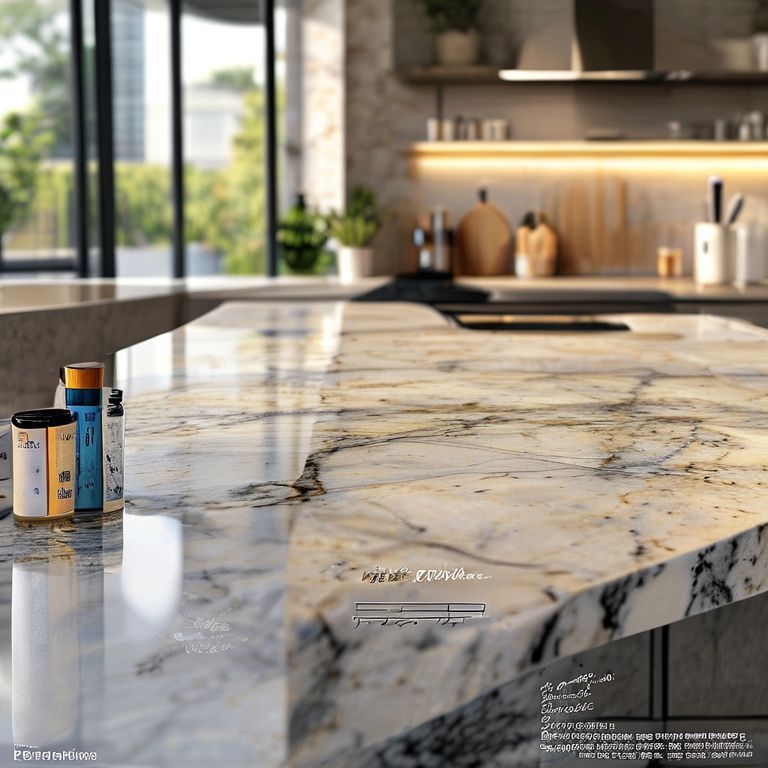
The Timeless Allure of Marble – An In-Depth Look
Marble, an iconic and luxurious material, has adorned the world’s most exquisite structures for centuries. Known for its unparalleled beauty, durability, and versatility, marble continues to be a favorite for both residential and commercial spaces. But how much does this majestic stone cost, particularly when considering “How Much is Marble Per Square Meter Per Ton”? Let’s delve into the fascinating details of this timeless material.

Historical Significance and Varieties
Marble has been used in some of history’s most remarkable edifices, from the ancient temples of Greece to the grand palaces of Renaissance Europe. This enduring appeal is due to its unique combination of aesthetic beauty and strength. Marble is a metamorphic rock formed when limestone undergoes intense heat and pressure, resulting in a rich array of colors and veining that captivates the eye.
Different varieties of marble, such as Carrara, Travertine, and Onyx, each bring their distinct characteristics. Carrara marble, hailing from Italy, is renowned for its pure white color and fine grain, making it a favorite for sculptures and fine details. In contrast, Travertine marble offers a more rustic, natural look with its unique patterns and textures, perfect for contemporary designs.
The Cost Factor: Understanding Marble Pricing
When it comes to marble pricing, several factors come into play, including the type of marble, its quality, and the geographical location of the quarry. Marble’s cost can vary significantly based on these factors, which in turn affect the “How Much is Marble Per Square Meter Per Ton” calculation.
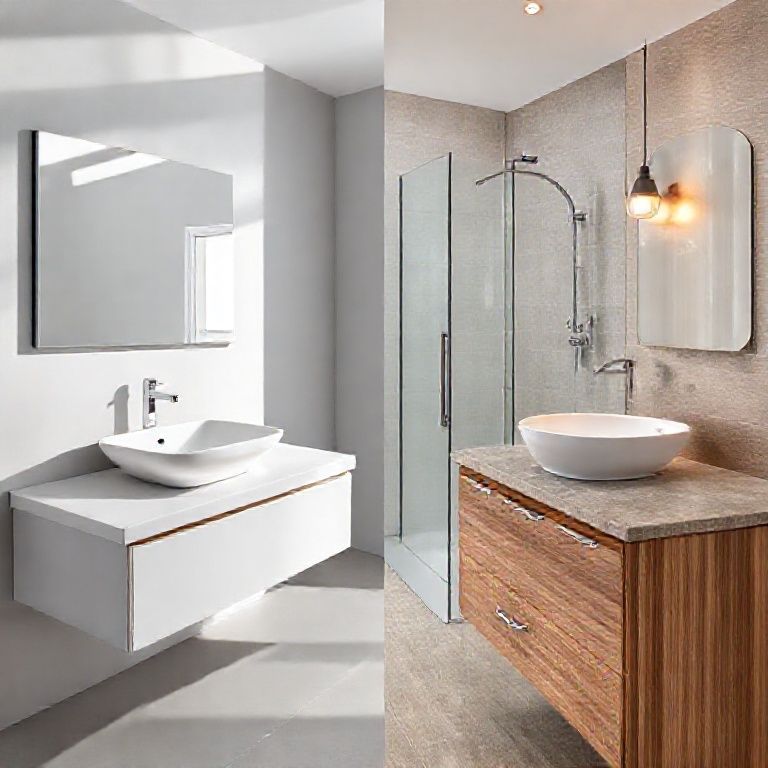
Type and Quality: Higher-grade marble with superior color uniformity and fewer imperfections will naturally cost more. For instance, Carrara marble often commands a higher price than other types due to its classic appeal and fine texture. Labor Costs: The craftsmanship involved in cutting, shaping, and installing marble adds to its cost. Skilled artisans ensure that each piece is perfect, and their labor is a significant component of the overall price. Transport and Import Fees: Marble sourced from distant locations, especially luxury varieties, incurs higher transportation and import fees, impacting the final cost.
Calculating Marble Per Square Meter and Per Ton
Understanding how much marble is used per square meter per ton is crucial for both buyers and contractors. Here’s a closer look at the calculations:
Per Square Meter: Generally, marble tiles are available in various sizes, but a standard 30×30 cm tile covers approximately 0.09 square meters. For slabs or larger pieces, the coverage can vary significantly. It’s essential to know the exact dimensions and weight of the marble being used to get an accurate cost per square meter. Per Ton: A ton of marble typically covers a significant area depending on the thickness and density of the material. On average, one ton of marble can cover around 15-20 square meters, though this can vary widely based on the specific type and thickness of the marble.
To calculate the exact cost per square meter per ton, you need to factor in the weight of the marble used for a specific area. This calculation is vital for budgeting and ensuring that the desired aesthetic is achieved without exceeding the budget.
Benefits and Applications of Marble
Marble’s allure extends beyond its cost; it offers numerous benefits that make it a preferred choice for many:
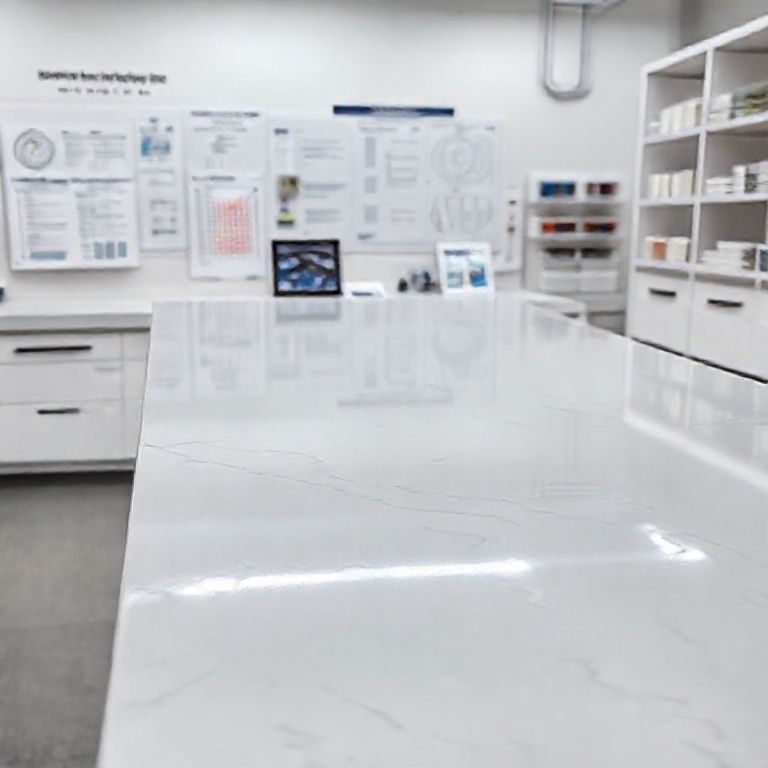
Durability: Marble is known for its longevity and resilience. With proper maintenance, it can last for decades, providing a permanent solution for flooring, countertops, and walls. Aesthetic Versatility: The natural patterns and colors of marble add a unique touch to any space. Whether used in high-end commercial buildings or elegant homes, marble’s versatility ensures it complements various design styles. Hygienic and Easy to Maintain: Marble surfaces are relatively easy to clean and maintain. Despite its beauty, marble is also hygienic, as it does not harbor bacteria and is easy to disinfect.
Applications in Modern Design
In modern design, marble is a cornerstone material for various applications:
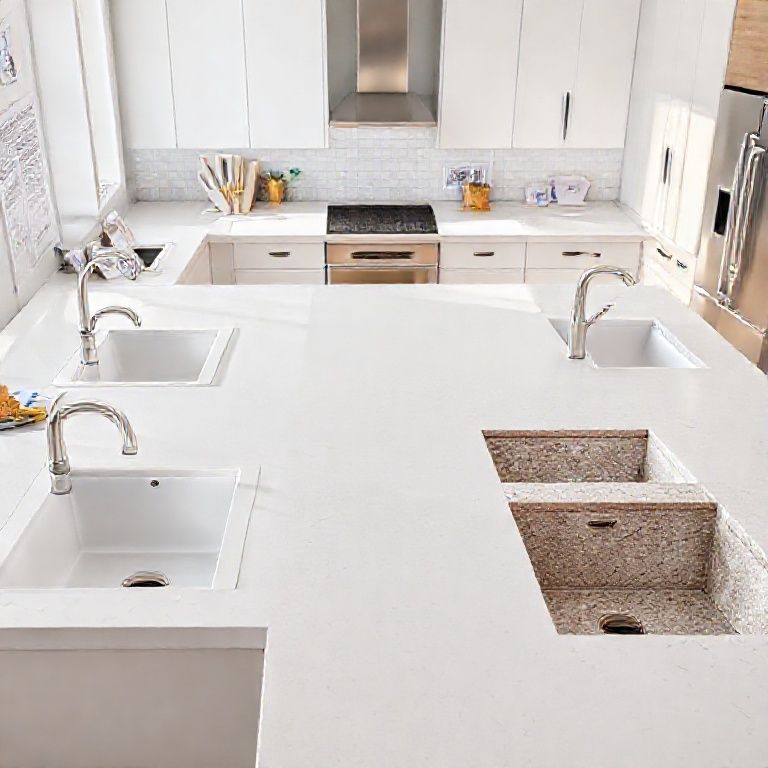
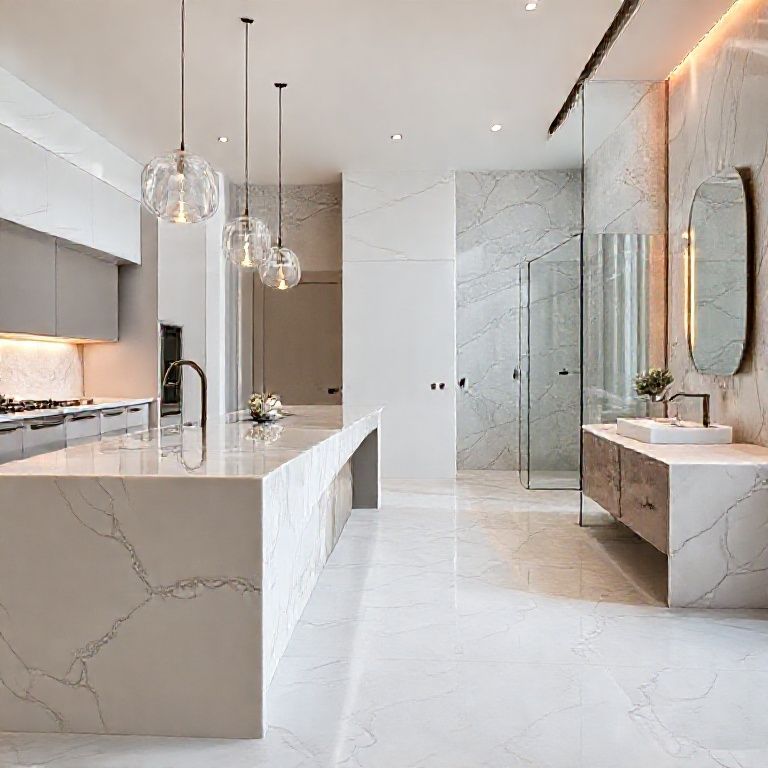
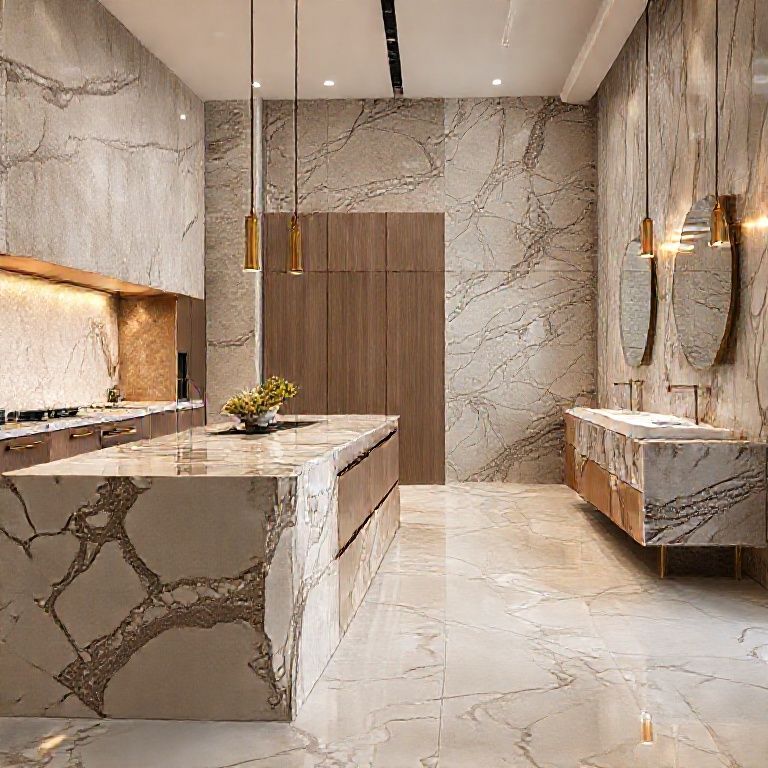
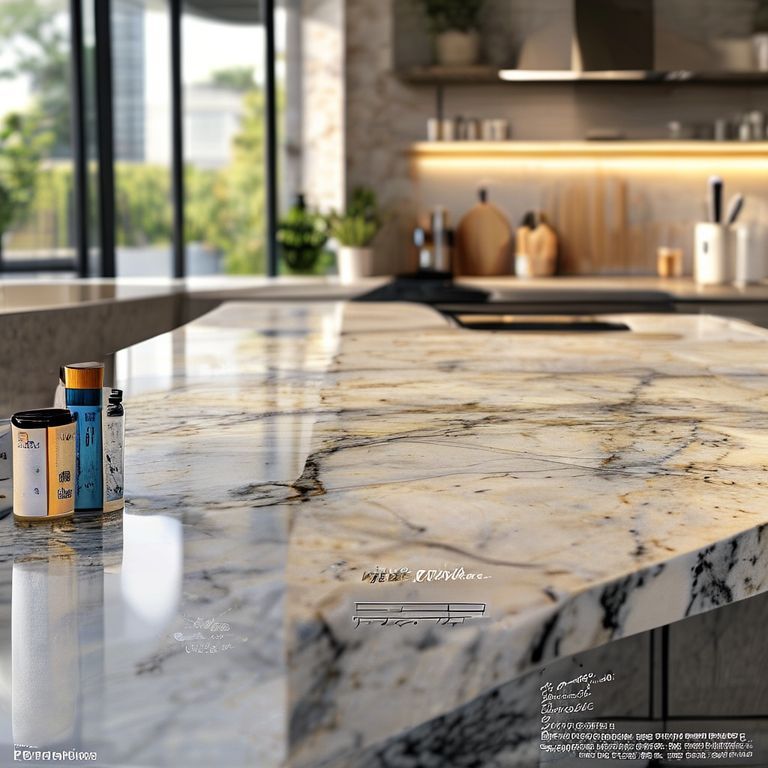
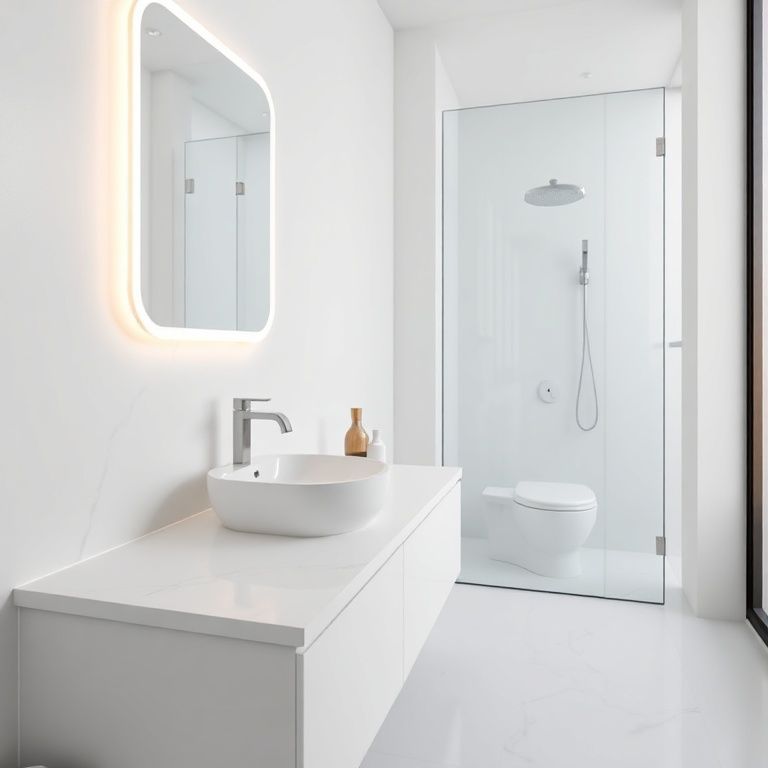
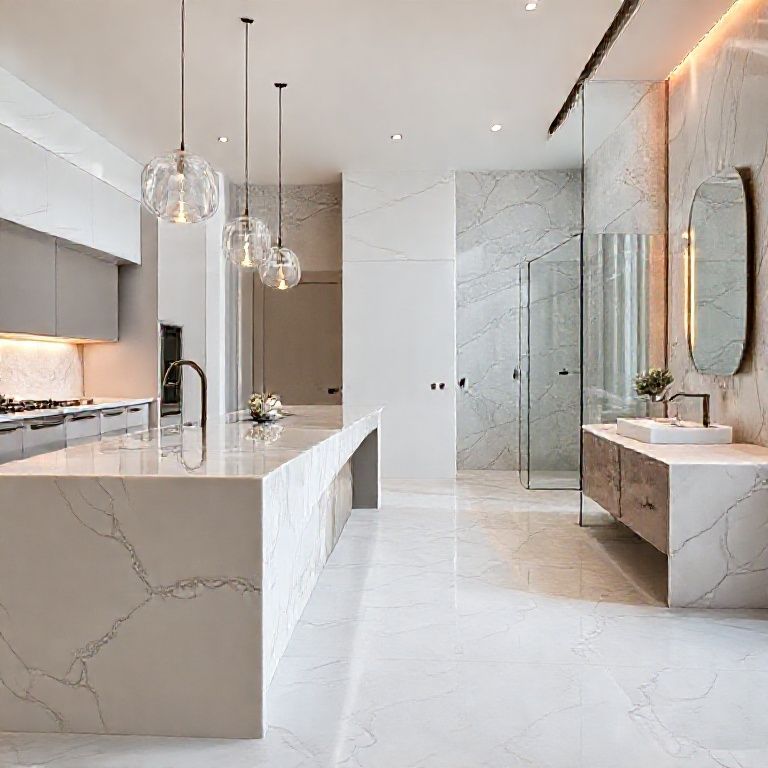
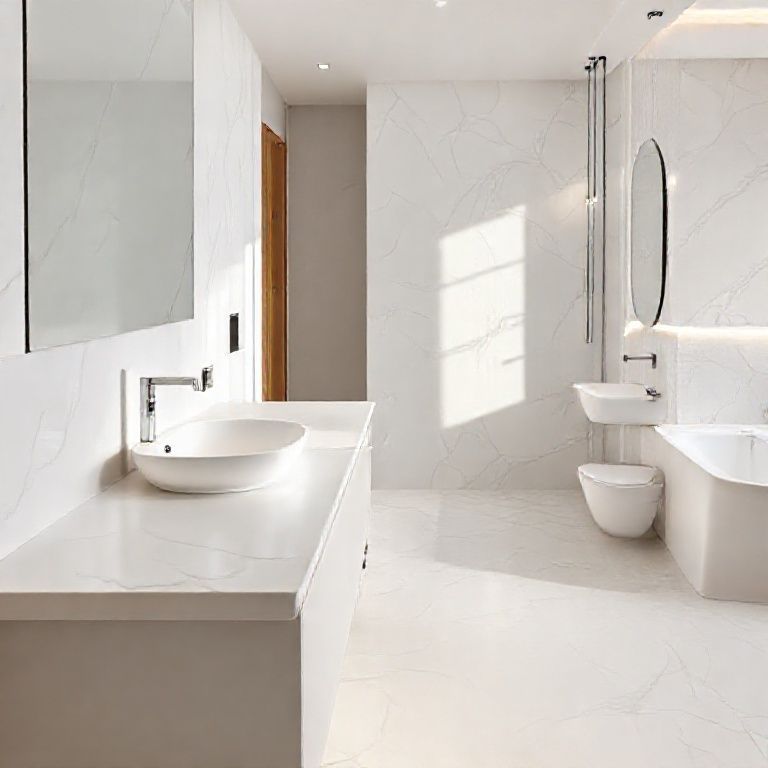
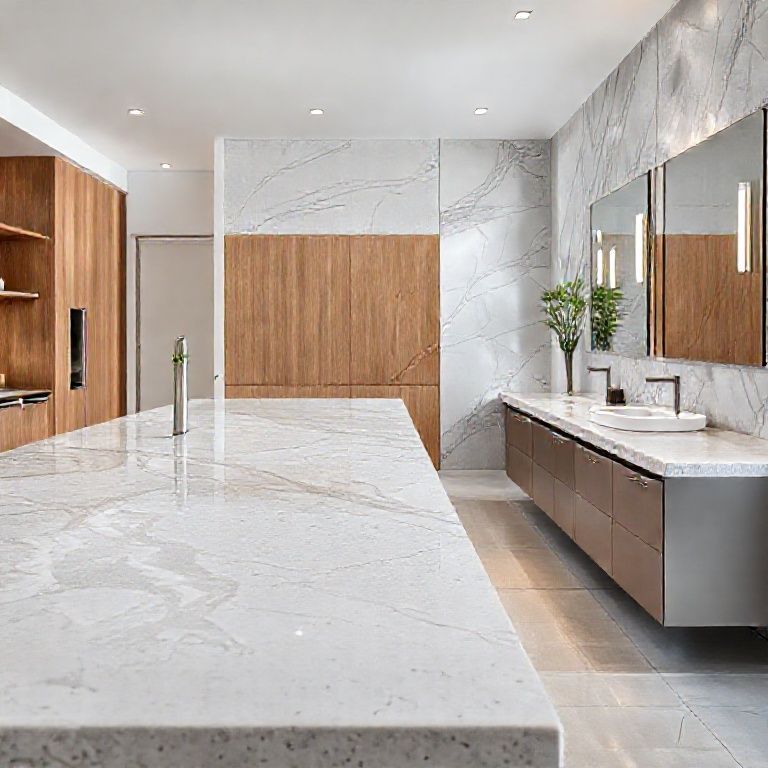
Flooring: Marble flooring offers a luxurious and timeless appeal. Its natural beauty and durability make it an excellent choice for both residential and commercial spaces. Countertops: Marble countertops are a popular choice for kitchens and bathrooms due to their elegance and resistance to scratches and stains. Walls and Features: Marble is often used for walls and architectural features, adding a touch of opulence and sophistication to any space.
Conclusion to Part 1
Marble remains a symbol of luxury and timeless elegance. Understanding the nuances of its cost, especially regarding “How Much is Marble Per Square Meter Per Ton,” is essential for anyone planning to incorporate this exquisite material into their projects. From its rich history to its modern-day applications, marble continues to captivate and inspire. In the next part, we will explore more about the installation process, maintenance, and the latest trends in marble usage.
Mastering Marble Installation and Maintenance – Trends and Tips
In the previous segment, we explored the intrinsic beauty and cost considerations of marble, focusing on “How Much is Marble Per Square Meter Per Ton”. Now, let’s delve deeper into the installation process, maintenance, and trends in marble usage, ensuring that you make the most of this luxurious material in your projects.
Installation Techniques: Ensuring Perfection
The installation of marble is a meticulous process that requires precision and expertise. Here’s a detailed look at the techniques and tips to ensure a flawless finish:
Preparation: Proper preparation is crucial for a successful marble installation. This includes cleaning the surface thoroughly and ensuring it is free of any grease, dirt, or moisture. Additionally, the subfloor should be well-prepared, leveled, and stabilized to support the marble. Adhesive Selection: Choosing the right adhesive is vital. High-quality, flexible adhesives are preferred to accommodate the natural expansion and contraction of marble. The adhesive should also provide sufficient bonding strength to ensure longevity. Laying Marble: Laying marble tiles or slabs requires careful alignment and spacing. Use spacers to maintain consistent gaps between the pieces. It’s advisable to start from one corner and work towards the center to ensure accurate alignment. Grouting: After laying the marble, the joints between the pieces need to be filled with grout. The grout should be applied using a grout float, and excess grout should be cleaned off immediately. Proper curing of the grout is essential to ensure a durable and clean finish.
Maintenance: Keeping Marble in Pristine Condition
Marble, despite its durability, requires proper care to maintain its beauty and longevity. Here are some essential tips for marble maintenance:
Cleaning: Regular cleaning is essential to keep marble looking its best. Use a soft cloth and a mild, pH-neutral cleaner to avoid damaging the surface. Avoid using abrasive cleaners or sponges, as they can scratch the marble. Sealing: Regular sealing of the marble surface is crucial, especially in high-traffic areas. A quality marble sealant helps protect against stains and spills, maintaining the stone’s natural beauty. Handling Spills: Prompt action is necessary when spills occur. Blot the spill with a clean cloth and use a pH-neutral cleaner to avoid etching the marble. For tougher stains, a specialized marble cleaner may be required. Avoiding Acidic Substances: Marble should be kept away from acidic substances like vinegar, lemon juice, and other acidic cleaners. These can cause etching and discoloration over time.
Trends in Marble Usage: Staying Ahead of the Curve
Marble continues to evolve and adapt to contemporary design trends. Here’s a look at some of the latest trends in marble usage:
Sustainable Marble: With growing environmental concerns, sustainable marble options are gaining popularity. These include reclaimed marble and marble from responsible quarries that use eco-friendly practices. Color and Pattern Innovations: Designers are increasingly experimenting with unique color variations and patterns in marble. This includes using different marble types in combination to create striking designs and intricate patterns. Customization: Custom marble solutions, such as personalized tiles and slabs, are becoming more common. These allow for unique designs tailored to specific project needs, adding a personal touch to any space. Integration with Technology: Marble is increasingly being integrated with modern technology. For example, smart marble countertops that can perform various functions, from displaying information to controlling home devices, are emerging.
Future of Marble in Design
The future of marble in design looks promising, with ongoing innovations and new applications. Here are some forward-looking trends:
Advanced Sealing Techniques: New sealing technologies are being developed to provide even better protection against stains and spills, ensuring marble remains pristine for longer periods. Eco-Friendly Innovations: Advances in eco-friendly marble production and recycling will likely continue to shape the industry, making it more sustainable and environmentally friendly. Smart Home Integration: The integration of marble with smart home technology will likely expand我明白了,你希望继续探讨关于大理石在现代设计中的未来发展方向。
1. 智能化与互联技术
随着物联网(IoT)和智能家居的发展,大理石材料也在探索与这些技术的结合。例如,智能大理石厨房台面可以实现触控操作,显示厨房信息,甚至连接到智能冰箱,提供食材管理和食谱建议。
2. 高性能材料
未来的大理石可能会采用更先进的材料科学技术。通过添加纳米颗粒或其他功能性添加剂,可以大大提升大理石的耐污性、抗菌性和耐用性。这些改进将使大理石在更多领域内得到应用,如医疗设施、公共交通系统等。
3. 可持续发展
在环保和可持续发展的推动下,大理石行业也在朝着更环保的方向发展。例如,采用再生材料制造大理石,或者开发低碳排放的生产工艺。回收利用和再生利用大理石废料也是一个重要的方向。
4. 多功能设计
现代建筑设计对材料的要求越来越多样化,未来的大理石将更多地具备多功能性。例如,大理石地板可能会设计成能够调节温度的材料,或者在墙面设计中融入LED灯光系统,提供美观和实用的双重功能。
5. 个性化定制
随着消费者对个性化和定制化需求的增加,未来大理石将更多地迎合这一趋势。定制化设计将不仅限于图案和颜色,还可以包括独特的结构和形态,以满足特定的设计需求和美学追求。
6. 文化与历史的融合
大理石作为一种历史悠久的建筑材料,其文化和历史价值也将在未来的设计中得到更多的体现。通过现代技术和设计手法,可以将传统的大理石元素与现代建筑风格完美结合,创造出具有文化底蕴的建筑作品。
7. 新型表面处理
未来,大理石表面处理技术将更加先进。例如,通过激光加工和3D打印技术,可以实现更加精细和复杂的图案和纹理,同时提高其耐磨和防污性能。
8. 全球化市场
随着全球化进程的推进,大理石市场也在不断扩展。不同地区的独特矿石资源和文化背景将为大理石带来更多样化的风格和应用。国际贸易和技术交流将进一步推动大理石行业的发展。
总结
未来,大理石将在现代建筑和设计中继续发挥重要作用,同时也会通过技术创新和设计多样化迎合不同市场的需求。在智能化、可持续发展和个性化定制等方面,大理石将展现出更加广阔的前景。无论是在家庭装修、商业空间还是公共建筑中,大理石都将以其独特的美学价值和实用功能继续受到广泛欢迎。