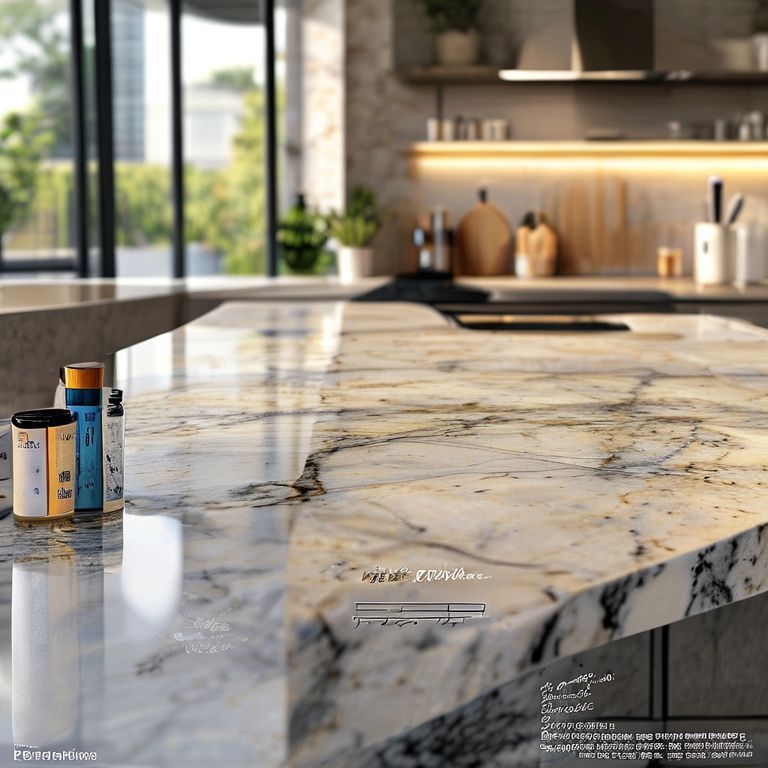
The Exquisite World of Marble: Unveiling the Cost and Beauty of Marble Per Square Meter
In the realm of luxury materials, marble stands as a beacon of timeless elegance and sophistication. Its captivating beauty and enduring appeal have made it a favorite choice for high-end interior design and construction projects. However, as with many luxury materials, understanding the cost of marble per square meter is essential for making informed decisions. In this first part of our two-part article, we will explore the allure of marble, its various types, and provide a detailed breakdown of its cost per square meter.

The Timeless Appeal of Marble
Marble, a metamorphic rock formed from the transformation of limestone due to heat and pressure, has been revered for centuries. Its unique patterns, colors, and textures make it a sought-after material for both flooring and decorative elements. Marble’s timeless appeal is evident in its widespread use in iconic architectural landmarks, from the ancient Parthenon to modern-day luxury homes and office spaces.
Varieties of Marble and Their Unique Characteristics
Marble comes in a diverse array of types, each with its own distinctive characteristics that influence its cost per square meter. Here are some of the most popular varieties:
Italian Marble: Types: Carrara, Botticino, and Statuario Characteristics: Renowned for its fine, uniform grains and striking veining, Italian marble is a hallmark of luxury. Carrara, in particular, is prized for its pure white color and classic veining, making it a favorite for sculptures and high-end flooring. Indian Marble: Types: Kandhar, Makrana, and Rajasthali Characteristics: Known for its rich colors and intricate patterns, Indian marble offers a vibrant and exotic aesthetic. Kandhar is famous for its deep red hues, while Makrana marble features unique black and white veining. Egyptian Marble: Types: Thebes and Imperial Characteristics: Egyptian marble is celebrated for its stunning shades of pink, red, and white. Thebes marble is particularly prized for its large, uniform crystals and creamy hues. Turkish Marble: Types: Dikilitaş and Beypazarı Characteristics: Turkish marble is renowned for its rich, earthy tones and unique veining patterns. Dikilitaş marble, with its beautiful combination of white, pink, and gray, is a popular choice for both flooring and countertops.
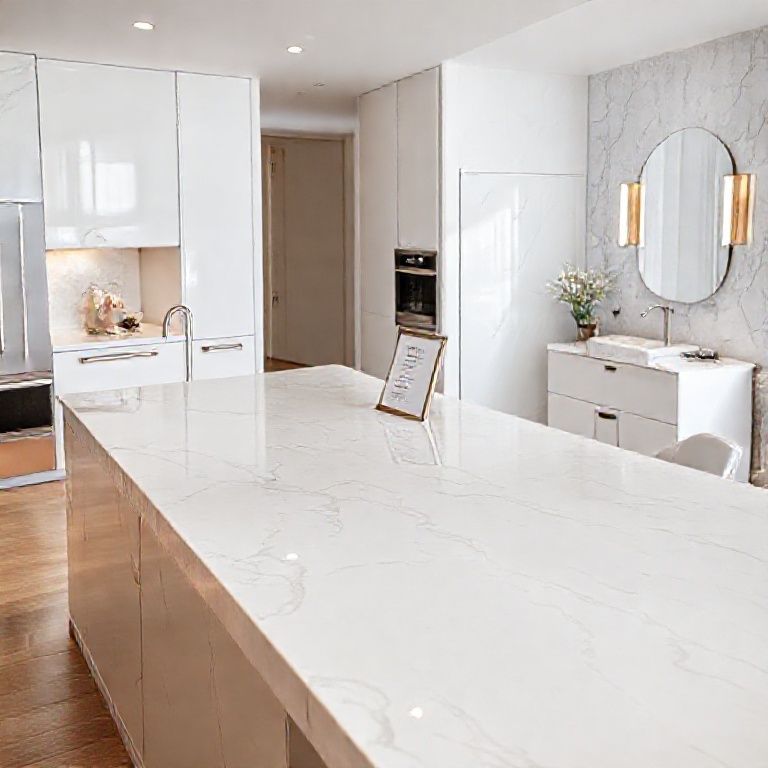
Factors Influencing Marble Cost Per Square Meter
The cost of marble per square meter is influenced by several factors, including:
Type of Marble: The origin and type of marble play a significant role in determining its cost. Exotic marbles from countries like Italy, India, and Egypt generally command higher prices due to their rarity and unique characteristics. Quality: The quality of the marble, including its veining, color uniformity, and overall aesthetic, directly impacts its price. Higher quality marble with less imperfections and more vibrant colors will cost more. Processing and Polishing: The level of processing and polishing required also affects the cost. Marble that undergoes extensive polishing to achieve a flawless finish will be more expensive. Supplier and Location: The reputation and location of the supplier can influence the price. Marble sourced from renowned suppliers and regions with a long-standing marble industry, such as Italy, often have higher costs due to the premium associated with their craftsmanship and heritage.
Average Cost of Marble Per Square Meter
The cost of marble per square meter can vary widely depending on the factors mentioned above. On average, marble prices range from $20 to $200 per square meter. Here’s a more detailed breakdown:
Low-Cost Marble: Prices: $20 – $50 per square meter Examples: Makrana, Rajasthali, and certain types of Turkish marble. Use: Budget-friendly flooring and backsplashes. Mid-Range Marble: Prices: $50 – $100 per square meter Examples: Indian Kandhar, certain types of Italian marble. Use: Residential flooring, kitchen countertops, and bathroom tiles. High-End Marble: Prices: $100 – $200 per square meter Examples: Carrara, Botticino, Dikilitaş. Use: High-end flooring, luxury bathrooms, and lavish dining areas.
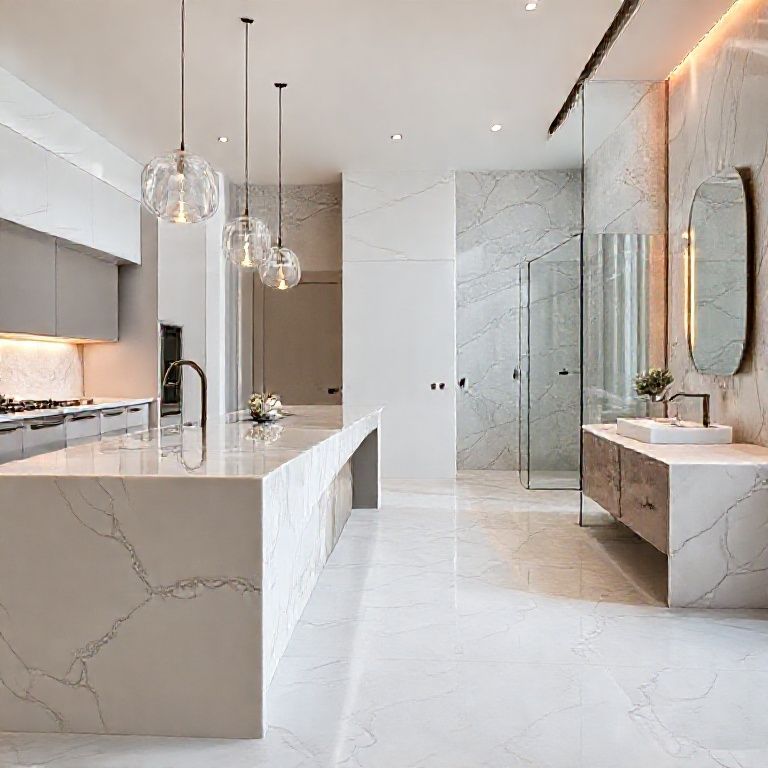
Conclusion
Marble remains a timeless and luxurious choice for those seeking to elevate their interior spaces. Its exquisite beauty, durability, and versatility make it an enduring favorite in the world of high-end design. Understanding the cost of marble per square meter is crucial for anyone considering this elegant material for their project. In the next part of our article, we will delve deeper into the installation process, maintenance tips, and additional insights to help you make the most of your marble investment.
Stay tuned for the second part of our exploration into the world of marble!
The Exquisite World of Marble: Installation, Maintenance, and Additional Insights
Building on the foundation laid in the first part of our article, we now turn our attention to the practical aspects of working with marble. From installation to maintenance, understanding the nuances of this luxurious material will ensure you make the most of your marble investment. In this second part, we will explore the installation process, maintenance tips, and additional insights that will help you appreciate and preserve the beauty of marble for years to come.
Installation of Marble Flooring
The installation of marble flooring is a meticulous process that requires expertise to achieve the best results. Here are some essential steps and tips for installing marble flooring:
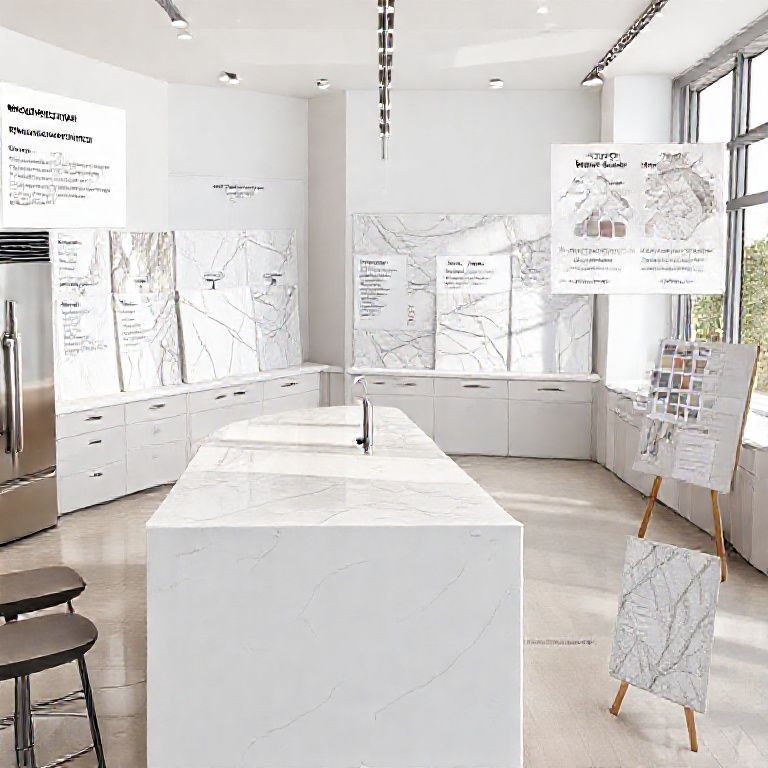
Preparation: Subfloor Preparation: Ensure the subfloor is level, clean, and dry. Any imperfections or moisture can lead to issues with the marble flooring. Materials Needed: Gather all necessary tools and materials, including adhesive, spacers, marble tiles, and grout. Laying the Tiles: Starting Point: Begin laying the tiles from one corner of the room, using spacers to maintain even gaps between tiles. Alignment: Use a straight edge and a level to ensure tiles are properly aligned and even. Cutting Tiles: Measure and cut tiles to fit around doorways, corners, and other obstacles. Grouting: Mixing Grout: Prepare the grout according to the manufacturer’s instructions. Applying Grout: Apply grout to the spaces between tiles using a grout float. Cleaning: Wipe away excess grout with a damp sponge, then let it cure as per the manufacturer’s recommendations. Sealing: Sealant Application: Once the grout has cured, apply a high-quality sealant to protect the marble from stains and moisture.
Maintenance of Marble
Proper maintenance is crucial to preserving the beauty and durability of marble. Here are some essential tips for maintaining marble surfaces:
Regular Cleaning: Daily Cleaning: Use a soft, damp cloth to wipe marble surfaces daily. Avoid using soap or detergents, as they can damage the marble. Deep Cleaning: For a thorough clean, use a marble-specific cleaner and a soft cloth. Follow up with a dry cloth to avoid streaks. Avoiding Damage: Protect from Heat: Avoid placing hot pots, pans, or other heat sources directly on marble surfaces, as they can cause discoloration. Use Coasters: Always use coasters under drinks to prevent acidic liquids from etching the marble. Repairing Chips and Scratches: Minor Repairs: For small chips or scratches, use a marble repair kit that includes a filler that matches the marble’s color. Professional Help: For larger repairs, it’s best to consult a professional marble restorer.
Additional Insights
Understanding the long-term value and benefits of marble can help you make informed decisions about its use in your home or business.
Durability: Marble is an exceptionally durable material that can withstand heavy foot traffic and everyday wear and tear. Its ability to resist scratches and stains makes it a long-lasting choice for flooring and countertops. Aesthetic Appeal: The natural beauty of marble继续探讨大理石的魅力和其在建筑和装饰中的应用,我们可以进一步了解其独特的美学价值和实际使用的细节。
大理石的独特美学价值
自然纹理:大理石的独特之处在于其天然的纹理和颜色。每块大理石都有独特的图案和色彩,使得它在视觉上具有无可比拟的吸引力。这种自然的美感使得大理石成为高端装修和建筑中的首选材料。
多样性:不同地区和矿山产出的大理石有着截然不同的外观。例如,意大利的卡拉拉大理石以其纯白色和细腻的纹理著称,而中国的马蹄大理石则以其红色和白色条纹而闻名。
大理石在建筑中的应用
建筑外墙和内饰:大理石常被用于建筑的外墙和内饰。其坚固耐用的特性使其成为建筑外墙装饰和高档内饰的绝佳选择。例如,古代的罗马建筑和现代的豪华酒店都广泛使用大理石。
地板和墙面:大理石地板和墙面不仅美观,还非常耐用。在现代建筑中,大理石地板常用于高端住宅、豪华商业空间和历史建筑的修复。
雕塑和艺术品:大理石自古以来就是雕塑和艺术品的主要材料。其质地细腻,雕刻效果出色,使得许多著名的雕塑和艺术品都是用大理石雕刻而成。
大理石的实际使用细节
切割和加工:大理石的加工需要专业的设备和技术。现代大理石加工通常包括切割、雕刻、打磨和抛光。高端大理石加工需要精细的工艺,以保持其美观和耐用性。
安装:大理石的安装需要遵循严格的技术要求,以确保其美观和耐用。专业的安装团队会使用高质量的胶黏剂和其他固定材料,以确保大理石牢固稳定。
维护和保养:虽然大理石耐用,但仍需定期保养。每日清洁时应使用专门的大理石清洁剂,避免使用酸性或碱性清洁剂。定期进行抛光和封闭处理,可以延长大理石的使用寿命并保持其光泽。
环境和可持续性
可持续采石:大理石的采石需要遵循环保和可持续发展的原则。许多大理石矿山实施了环保措施,以减少对环境的影响。可持续采石不仅保护了自然环境,还确保了大理石资源的长期利用。
循环利用:随着环保意识的提高,越来越多的建筑和装饰项目开始考虑材料的循环利用。大理石的再利用和回收技术正在不断发展,以减少建筑废料和资源浪费。
大理石以其独特的自然美、耐用性和多样性成为建筑和装饰中的重要材料。了解其成本、安装、维护和环保方面的细节,有助于我们更好地利用这一珍贵材料,打造高端、美观且可持续的空间。