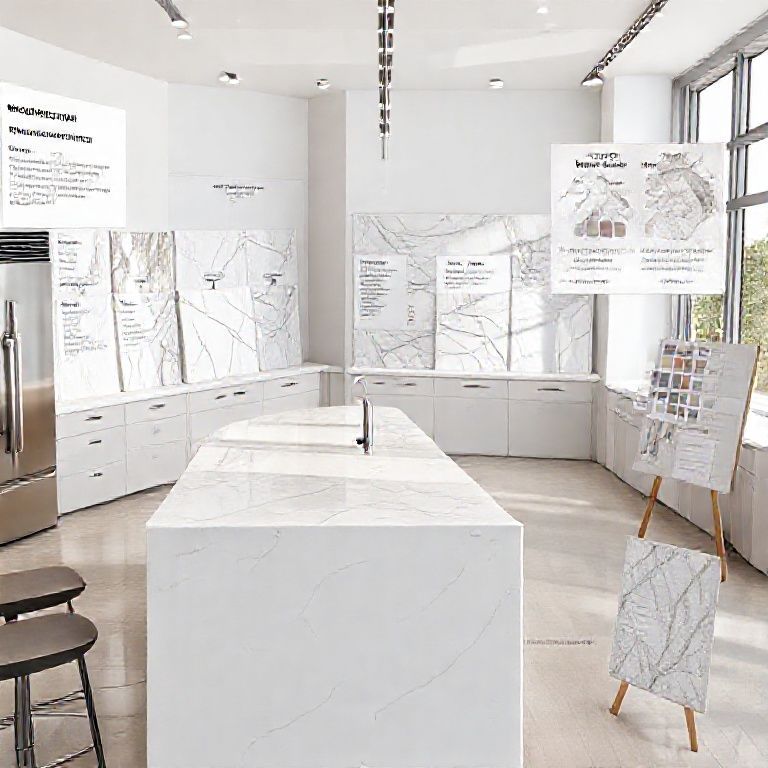
The Fascinating World of Artificial Marble Production: Part 1
Artificial marble, also known as cultured marble, is a stunning and versatile material that has become increasingly popular in both commercial and residential spaces. This material’s appeal lies not only in its aesthetic appeal but also in its durability and low maintenance. In this first part of our exploration into artificial marble production, we will dive into the innovative technology, the materials used, and the craftsmanship that goes into making this remarkable product.

The Origins and Evolution of Artificial Marble
The concept of artificial marble dates back to the early 20th century when the first attempts were made to mimic natural marble’s luxurious appearance using synthetic materials. Over the years, advancements in manufacturing technology have revolutionized the production process, leading to a material that closely rivals and often exceeds natural marble in terms of durability and aesthetic versatility.
Raw Materials: The Building Blocks of Artificial Marble
The production of artificial marble begins with the selection of high-quality raw materials. The primary components include:
Calcium Carbonate: This is the main ingredient, derived from natural sources such as limestone or marble. It provides the bulk of the material and imparts a realistic marble-like appearance.
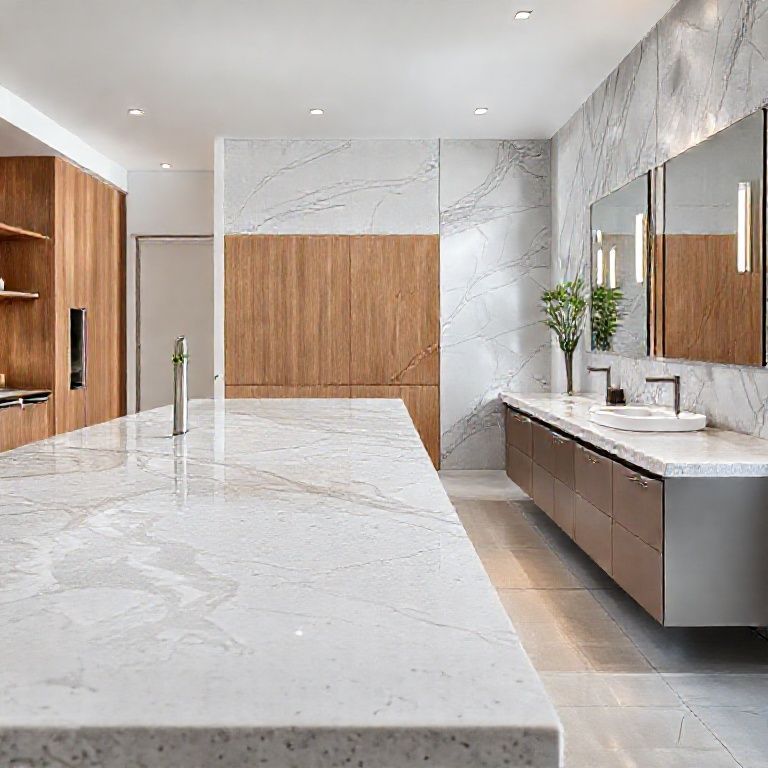
Resins: Epoxy and polyester resins are essential for binding the calcium carbonate particles together. These resins also contribute to the material’s strength and durability.
Pigments and Dyes: To achieve the wide array of colors and patterns found in natural marble, synthetic pigments and dyes are meticulously blended into the mixture. This step is crucial for creating the intricate veining and swirling patterns that mimic natural stone.
Fillers and Additives: Additional substances like silica, alumina, and other fillers are incorporated to enhance the material’s texture, reduce weight, and improve its overall properties.
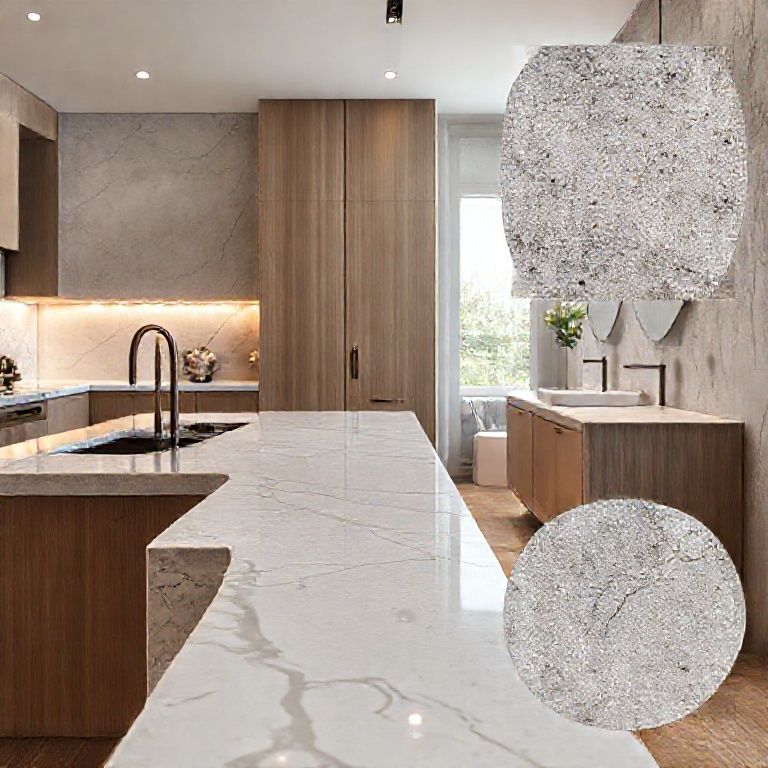
The Manufacturing Process: From Mixing to Finishing
The production of artificial marble is a multi-step process that combines science and artistry. Here’s an overview of the primary stages:
Mixing: The raw materials are thoroughly mixed in a controlled environment to ensure uniformity. This step requires precision to achieve the desired consistency and color distribution.
Molding: The mixed material is then poured into molds that replicate the desired shape and design. Molds are often made from stainless steel or another durable material to withstand the high pressures involved in the process.
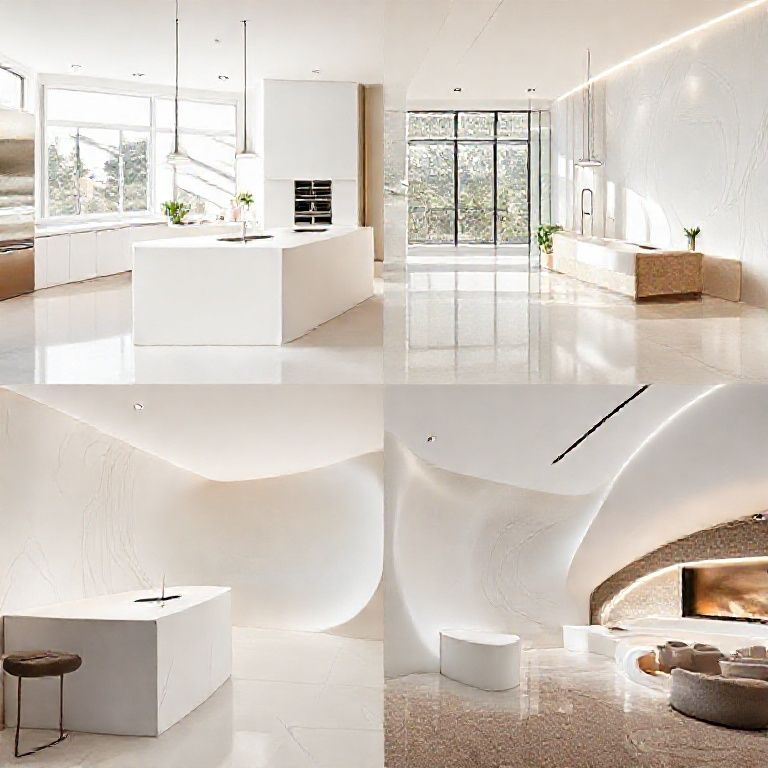
Curing: Once the material is in the mold, it undergoes a curing process where it hardens under heat and pressure. This step is critical for developing the material’s strength and achieving its characteristic hardness.
Cutting and Shaping: After curing, the artificial marble blocks are cut and shaped using advanced machinery. This stage requires precision to ensure that each piece meets the required specifications.
Finishing: The final touches are added to create a polished, high-gloss surface. This may involve sanding, buffing, and applying protective coatings to enhance durability and resistance to wear and stains.
Innovations in Artificial Marble Production
Modern advancements have significantly enhanced the quality and versatility of artificial marble. Some noteworthy innovations include:
Nanotechnology: The incorporation of nanomaterials has led to the development of ultra-resistant artificial marble that can withstand extreme conditions, including high temperatures and chemical exposure.
Customization: With advancements in digital technology, manufacturers can now offer highly customized designs. Using computer-aided design (CAD) software, artisans can create unique patterns and colors tailored to specific projects.
Sustainability: Efforts to make the production process more environmentally friendly have led to the development of eco-friendly resins and pigments that reduce the material’s overall environmental impact.
Durability Enhancements: Techniques such as layering and the use of multiple resin types have improved the material’s resistance to scratches, chips, and stains.
Applications and Benefits
Artificial marble’s versatility makes it suitable for a wide range of applications:
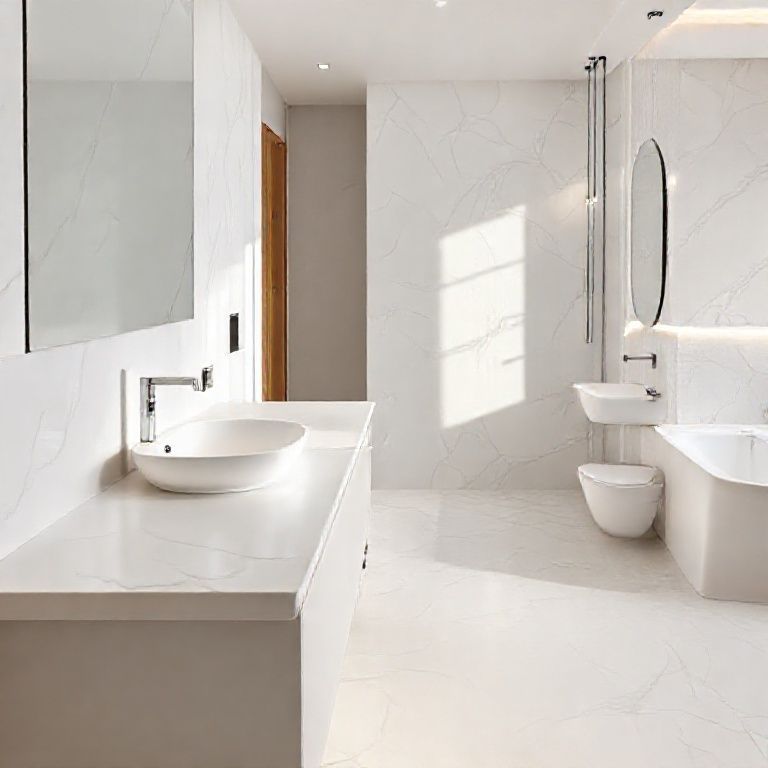
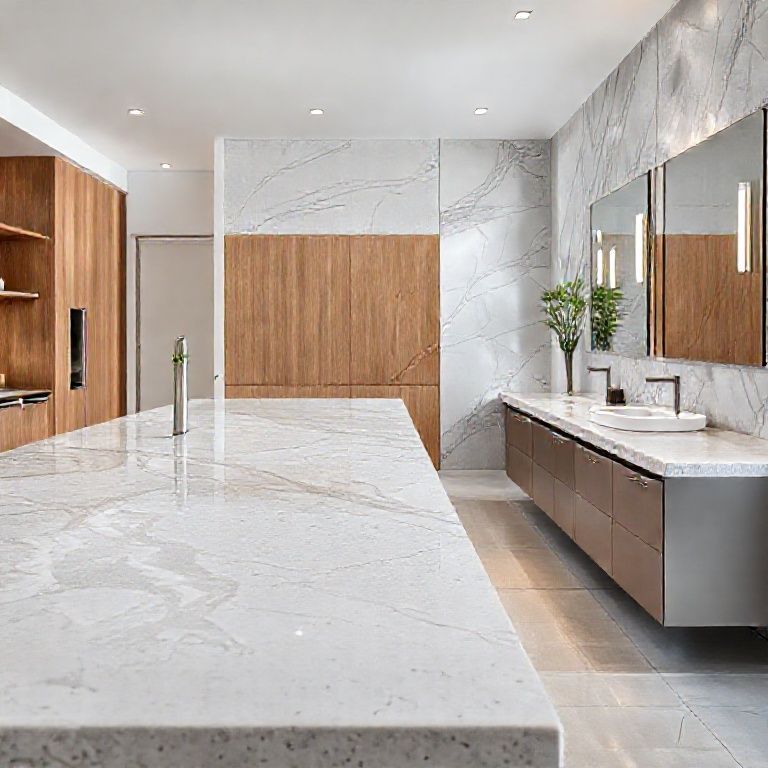
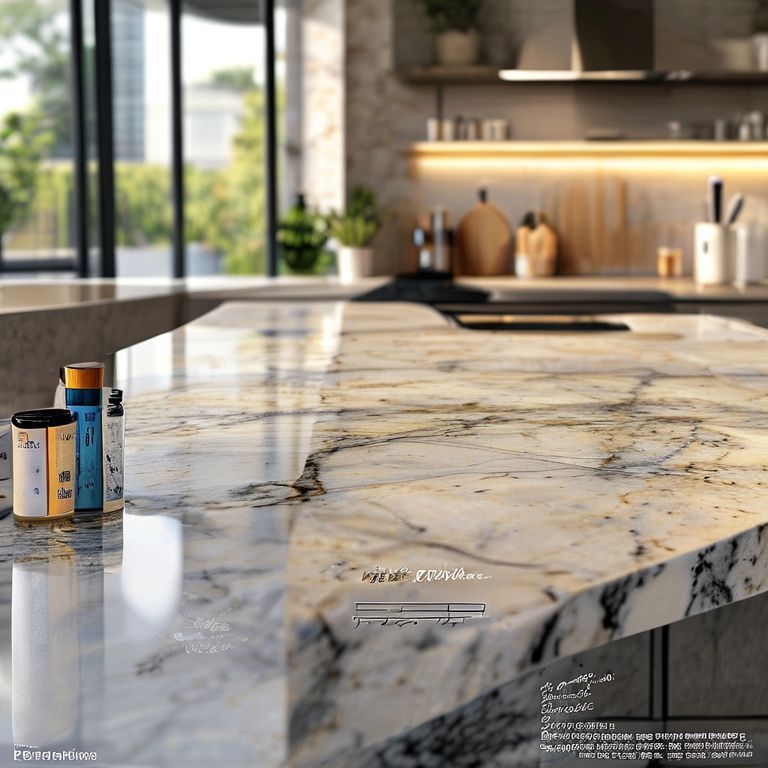
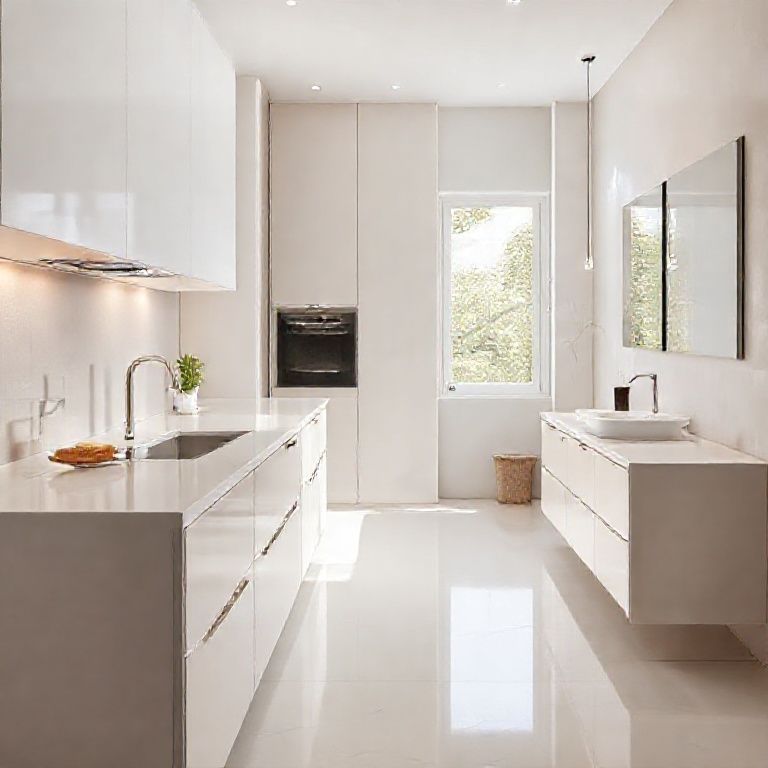
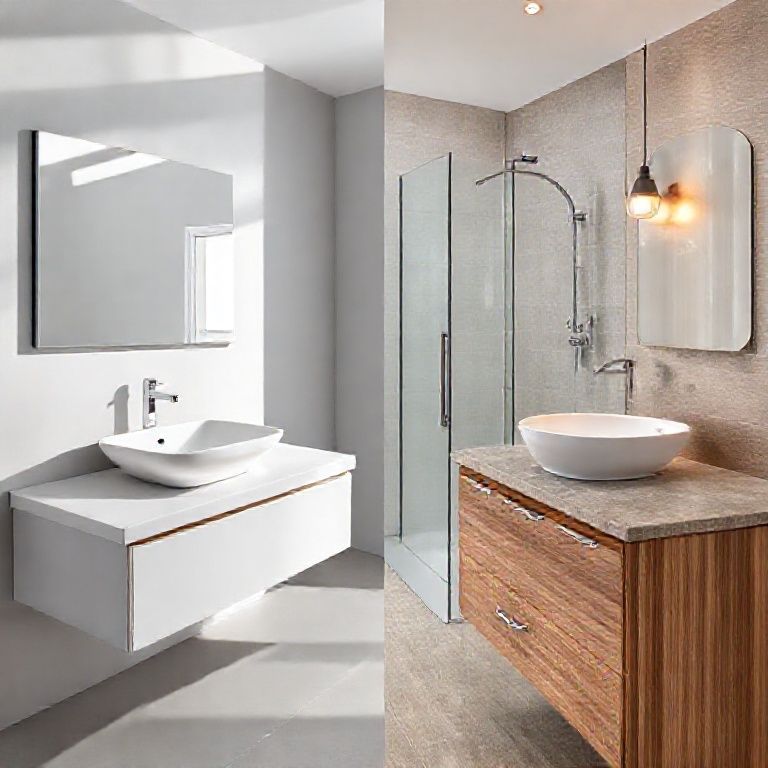
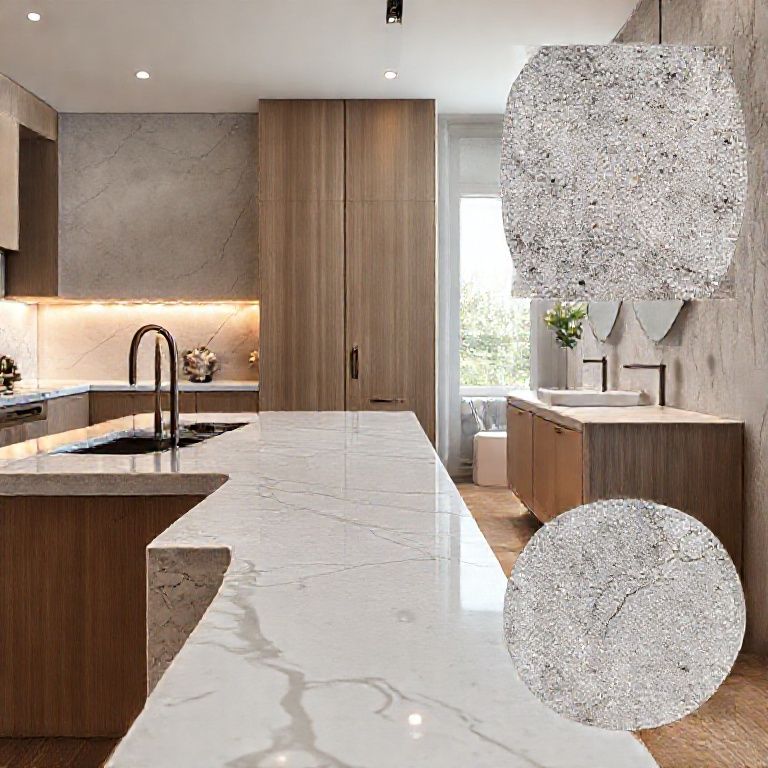
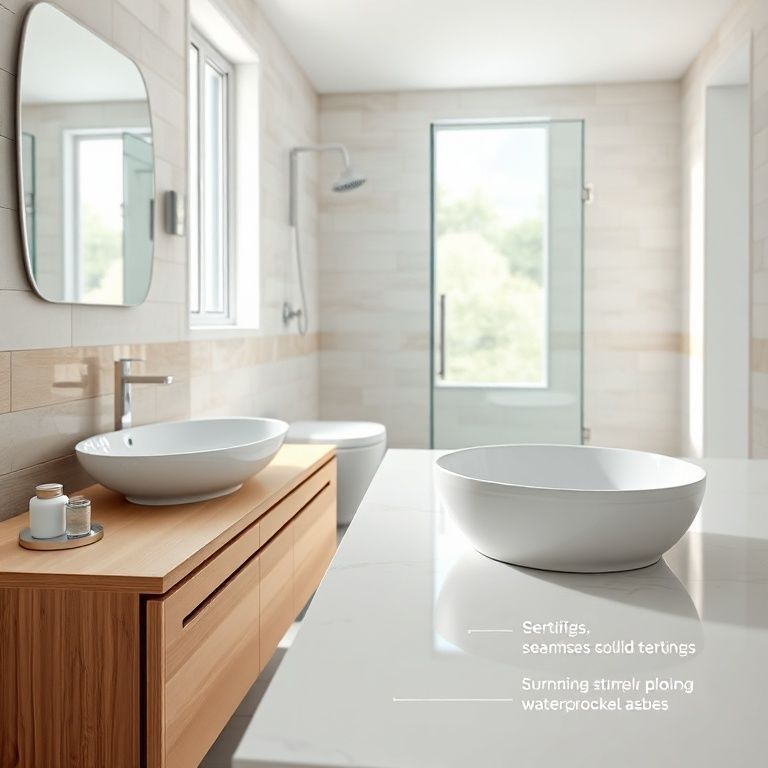
Countertops: One of the most popular uses of artificial marble is for kitchen and bathroom countertops. Its beauty and durability make it an excellent choice for high-traffic areas.
Interior Design: Artificial marble is used in various interior design elements, including wall panels, tabletops, and decorative features, adding a touch of elegance and sophistication.
Commercial Spaces: In commercial settings, artificial marble is used for reception areas, showrooms, and office interiors to create an impressive and professional appearance.
Outdoor Applications: With advancements in weather-resistant formulations, artificial marble is also finding its place in outdoor applications, such as garden features and outdoor kitchens.
The Craftsmanship Behind Artificial Marble
The creation of artificial marble is as much an art as it is a science. Skilled artisans play a crucial role in ensuring that each piece meets the highest standards of quality and beauty. The craftsmanship involved includes:
Design: Artists and designers use their expertise to create intricate patterns and color combinations that replicate the natural beauty of marble.
Precision Cutting: Expert cutters use precision tools to shape and cut the material into the desired forms with minimal waste.
Finishing Techniques: Skilled finishers employ various techniques to achieve the perfect surface finish, from matte to high-gloss, depending on the application and aesthetic preference.
Conclusion
The production of artificial marble is a fascinating blend of science, technology, and artistry. From the selection of high-quality raw materials to the intricate manufacturing process, each step is designed to create a material that rivals natural marble in beauty and durability. As we continue to explore artificial marble production in the upcoming parts, we will delve deeper into specific technologies, applications, and the future trends shaping this innovative industry.
Stay tuned for Part 2, where we will uncover more about the advanced techniques, environmental considerations, and future innovations in artificial marble production.
The Fascinating World of Artificial Marble Production: Part 2
In the second part of our exploration into artificial marble production, we will delve deeper into the advanced manufacturing techniques that make this material so versatile and durable. We will also examine the environmental considerations associated with its production and look ahead to the future trends that are shaping the industry.
Advanced Manufacturing Techniques
The production of artificial marble has benefited immensely from advancements in manufacturing technology. These innovations have not only enhanced the quality and aesthetic appeal of the material but also made it more versatile and durable. Here are some of the key advanced techniques used in modern artificial marble production:
3D Printing Technology: This cutting-edge technology allows for the creation of complex shapes and intricate designs that would be challenging to achieve with traditional methods. 3D printing can also reduce waste and improve the efficiency of the production process.
Laser Cutting and Engraving: Laser technology is used to achieve precise cuts and detailed engravings, allowing for the creation of intricate patterns and custom designs. This technique ensures a high level of accuracy and consistency.
Computer Numerical Control (CNC) Machining: CNC machines are used to shape and cut artificial marble with exceptional precision. These machines can produce complex geometries and fine details with minimal human intervention, ensuring uniformity across multiple pieces.
Advanced Curing Methods: Innovations in curing technology, such as vacuum-assisted resin transfer molding (VARTM) and autoclave curing, have significantly improved the material’s strength and durability. These methods ensure that the resins cure uniformly and completely, resulting in a more robust final product.
Surface Finishing Techniques: Advanced finishing techniques, including high-speed polishing and diamond wheel cutting, ensure a smooth, high-gloss finish. These methods also help to achieve a variety of surface textures, from matte to ultra-gloss, catering to different aesthetic preferences.
Environmental Considerations
The production of artificial marble, like many industrial processes, has environmental implications. However, advancements in technology and a growing emphasis on sustainability are leading to more eco-friendly practices.
Eco-Friendly Resins: Manufacturers are increasingly using resins that are less harmful to the environment. These eco-friendly resins are designed to reduce emissions and have a lower environmental footprint.
Waste Reduction: Modern manufacturing techniques focus on minimizing waste. For example, 3D printing and CNC machining reduce material waste compared to traditional cutting methods.
Energy Efficiency: Advances in manufacturing technology are making the production process more energy-efficient. For instance, automated systems and precision equipment reduce the amount of energy required to produce each piece.
Recycling and Reuse: Efforts are being made to recycle and reuse materials from the production process. This includes recycling excess resins and reclaimed marble waste, which can be repurposed in new products.
Sustainable Sourcing: The use of sustainable raw materials is becoming more prevalent. This includes sourcing calcium carbonate and other materials from responsibly managed sources to minimize environmental impact.
Future Trends in Artificial Marble Production
智能制造与物联网(IoT):随着工业4.0的推进,智能制造和物联网技术在生产线上的应用将变得越来越普遍。通过传感器和数据分析,生产过程可以实现更高的自动化和精准化,从而提高效率和质量。
可持续发展:环保意识的提升使得可持续发展成为未来发展的重要方向。未来的生产工艺将更加注重减少废弃物、节能减排和使用可再生资源,这将对材料选择和生产工艺提出新的要求。
3D打印技术:3D打印技术在建材和装饰材料方面的应用潜力巨大。它不仅可以实现复杂形状和设计的制造,还可以大大减少材料浪费,从而实现更高的环保效益。
绿色化学:未来的材料生产将更多地依赖于绿色化学,通过开发和使用环境友好的化学品和工艺,减少对环境的负面影响。
个性化定制:消费者对个性化和定制化产品的需求不断增加,未来的生产将更加注重定制化服务,利用大数据和人工智能技术,根据客户需求提供量身定制的产品。
高性能复合材料:随着科技的进步,高性能复合材料将在建筑、家具、装饰等领域得到更广泛的应用。这些材料具有更高的强度、耐久性和美观性,能够满足现代建筑和设计的多样化需求。
数字化和大数据分析:通过大数据分析和数字化技术,企业可以更好地了解市场需求和消费者行为,从而优化生产和供应链管理,提高整体运营效率。
区块链技术:区块链技术在供应链管理中的应用可以提高透明度和信任度,确保材料和产品的来源可追溯,从而满足更严格的环保和质量标准。
这些趋势不仅将推动技术的进步,还将对行业的发展方向和企业的运营模式产生深远影响。企业需要不断创新,以应对这些变化,并在竞争中保持领先地位。