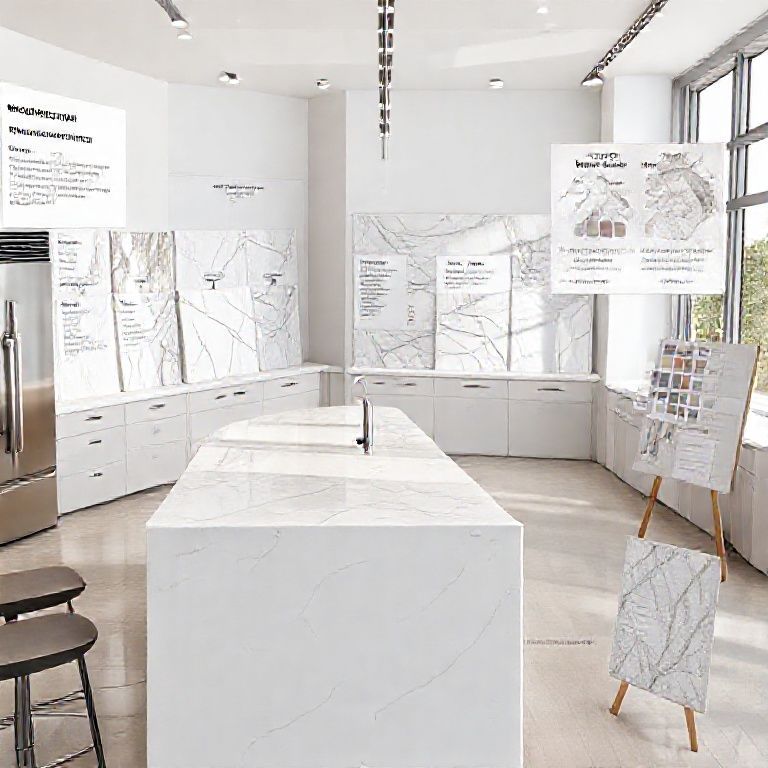
In the world of contemporary interior design, the term “artificial marble” has become synonymous with luxury, durability, and sophistication. But what exactly is artificial marble made of, and how does it manage to capture the essence of natural marble while offering a host of advantages?

The Composition of Artificial Marble
Artificial marble, also known as engineered marble or cultured stone, is a composite material that brings together the best qualities of natural stone with innovative design. Unlike traditional marble, which is a natural stone formed from sedimentary, metamorphic, or igneous processes, artificial marble is crafted in a factory setting using a blend of materials that mimic the appearance and texture of natural marble.
Key Ingredients
Resin: The primary component of artificial marble is resin, typically a melamine or polyester resin. These resins are chosen for their ability to harden and set into a solid form, providing the structural integrity of the material. The resin acts as a binding agent, holding together the other components to create a cohesive, durable surface.
Colorants: To achieve the stunning hues and intricate patterns reminiscent of natural marble, colorants are mixed into the resin. These colorants can be natural pigments or synthetic dyes, carefully selected to replicate the rich, varied tones found in authentic marble.
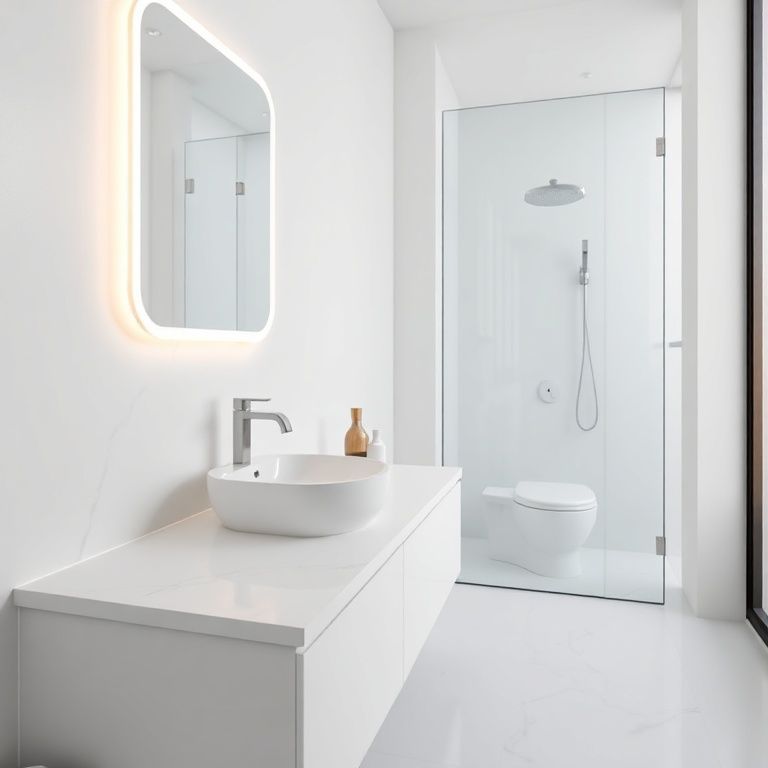
Fillers: Fillers such as marble dust, limestone, or other mineral aggregates are added to the resin mixture. These fillers not only enhance the aesthetic appeal but also contribute to the overall strength and texture of the artificial marble.
Catalysts: Catalysts are used to initiate the curing process of the resin. This step is crucial in transforming the liquid mixture into a solid, durable material. The choice of catalyst can affect the final properties of the artificial marble, including its hardness, color consistency, and resistance to wear.
Benefits of Artificial Marble
Artificial marble offers several compelling benefits that make it an attractive choice for modern interiors. These advantages not only cater to design aesthetics but also address practical concerns.
Durability and Maintenance
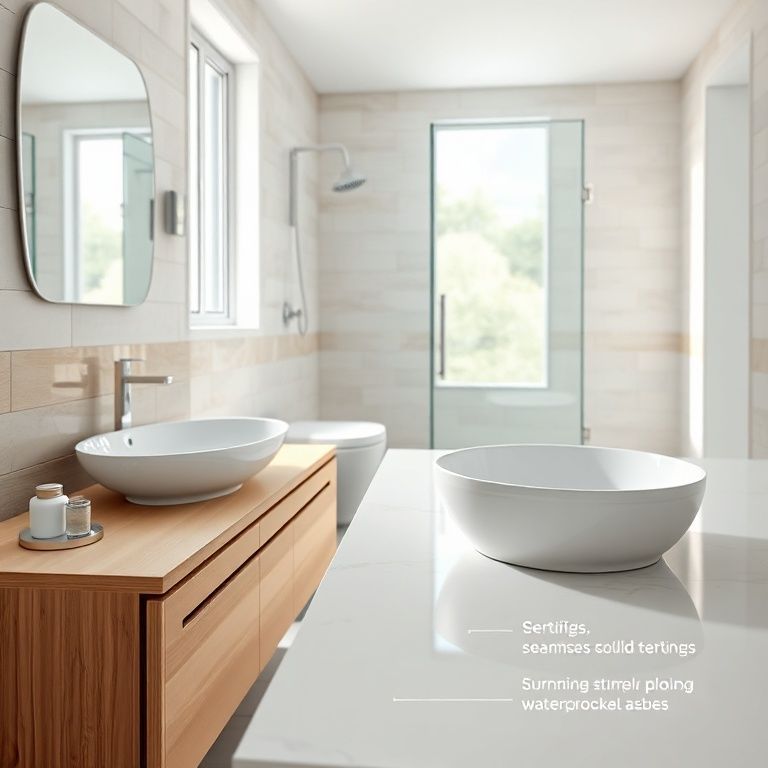
One of the standout features of artificial marble is its exceptional durability. Unlike natural stone, which can be prone to chips, cracks, and staining, artificial marble is resistant to most household cleaning agents and spills. This makes it ideal for high-traffic areas such as kitchens and bathrooms where durability is paramount.
Customization and Design Flexibility
Artificial marble offers unparalleled design flexibility. Designers and homeowners can choose from a wide range of colors, patterns, and textures to create bespoke designs that perfectly match their vision. Unlike natural stone, which is limited by the natural variations found in marble quarries, artificial marble can be precisely engineered to achieve any desired look.
Cost-Effectiveness
Another significant advantage is the cost-effectiveness of artificial marble. Because it is manufactured rather than quarried, artificial marble can be produced at a lower cost than natural marble. This affordability makes it accessible to a broader range of consumers without compromising on quality or appearance.
Sustainability
From an environmental perspective, artificial marble is a sustainable choice. It reduces the need for quarrying natural stone, thereby conserving natural resources and minimizing the ecological impact associated with mining. Additionally, the production process for artificial marble typically generates less waste compared to the extraction and processing of natural stone.
Applications of Artificial Marble
The versatility of artificial marble allows it to be used in a wide range of applications, both residential and commercial.
Countertops
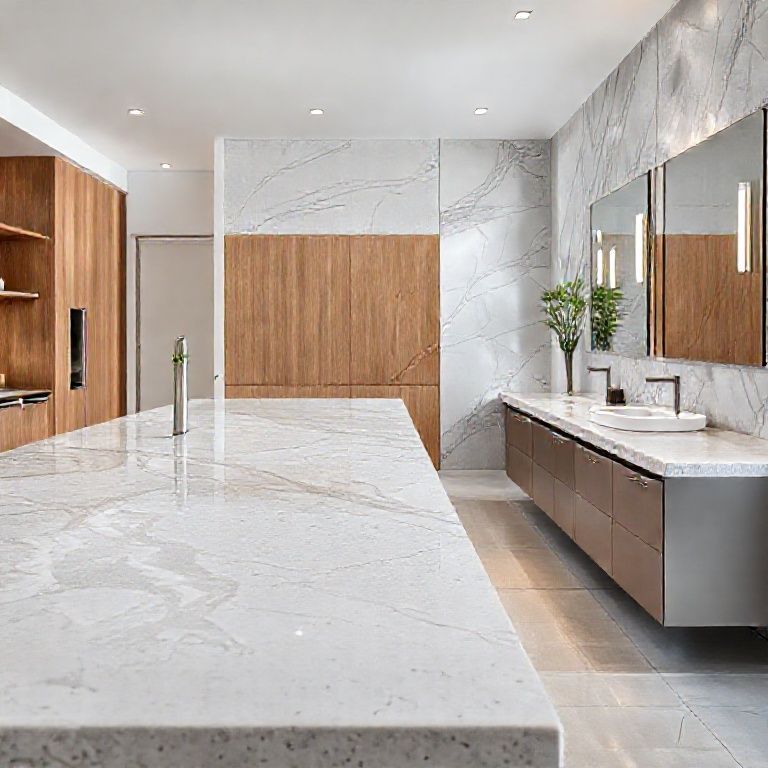
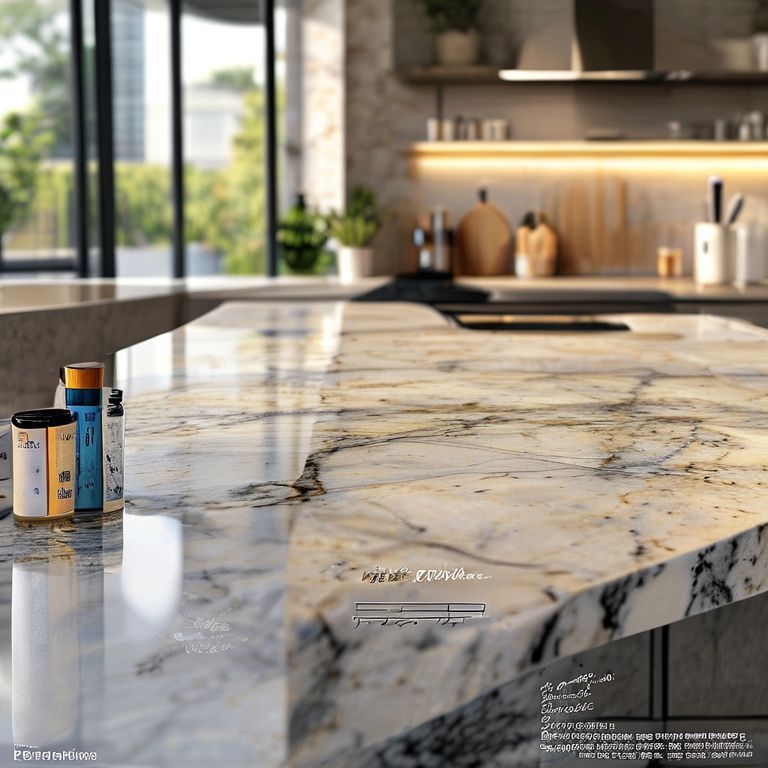
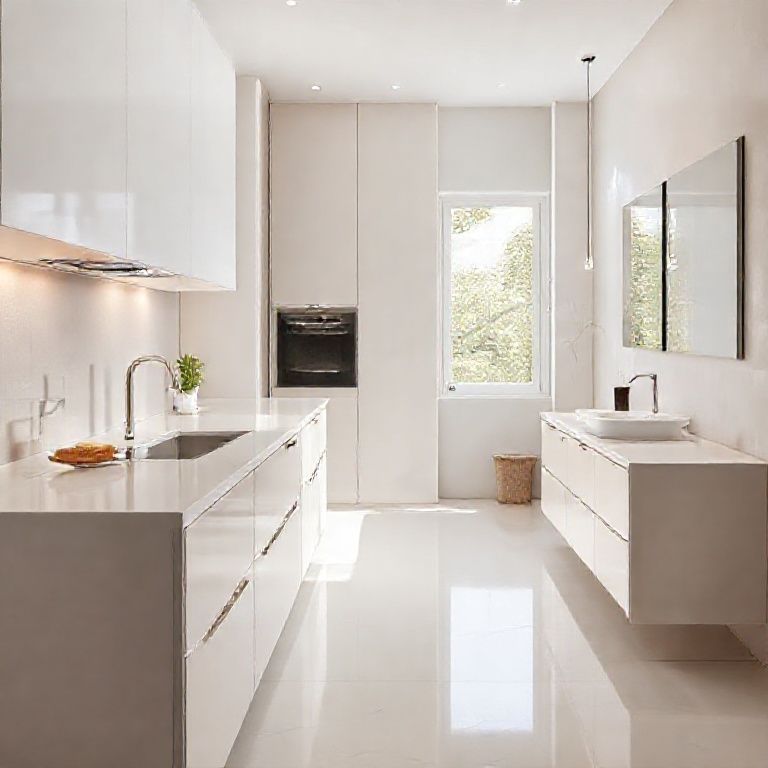
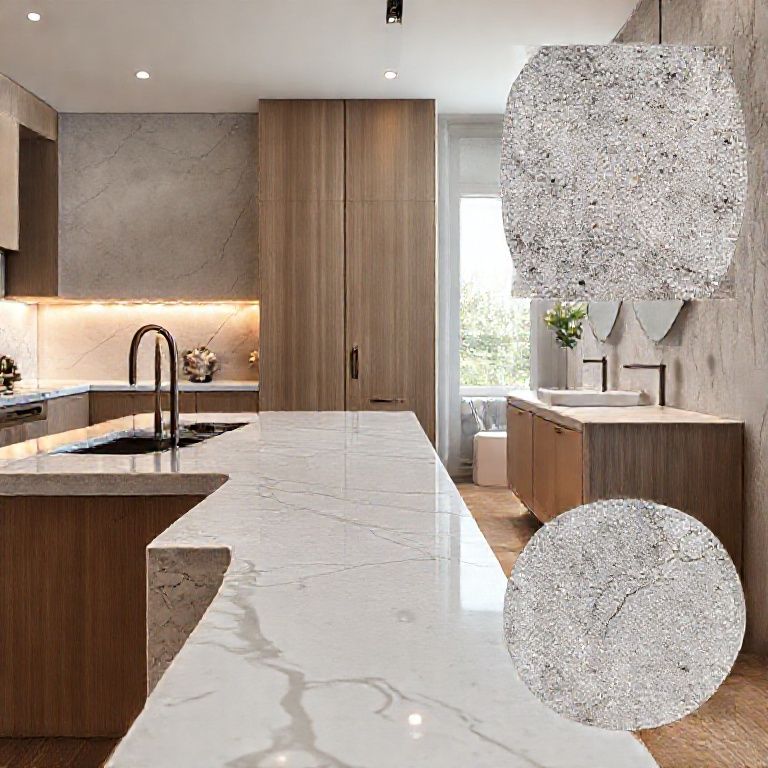
One of the most popular uses of artificial marble is in countertops. Its ability to mimic the luxurious appearance of natural marble while offering superior durability and ease of maintenance makes it an excellent choice for kitchen and bathroom countertops. Whether you prefer a classic marble vein or an avant-garde pattern, artificial marble can be customized to suit any design.
Vanity Tops
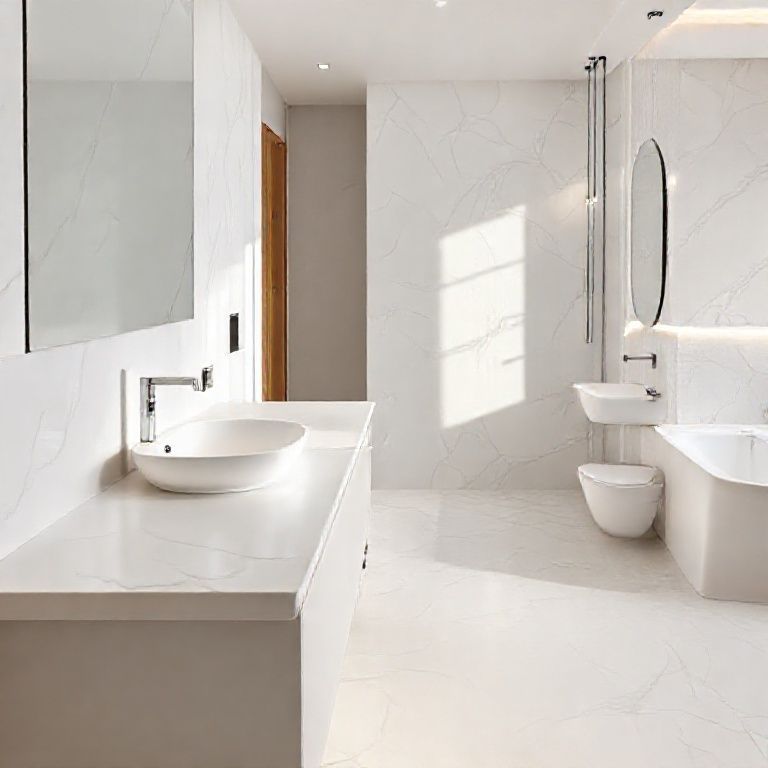
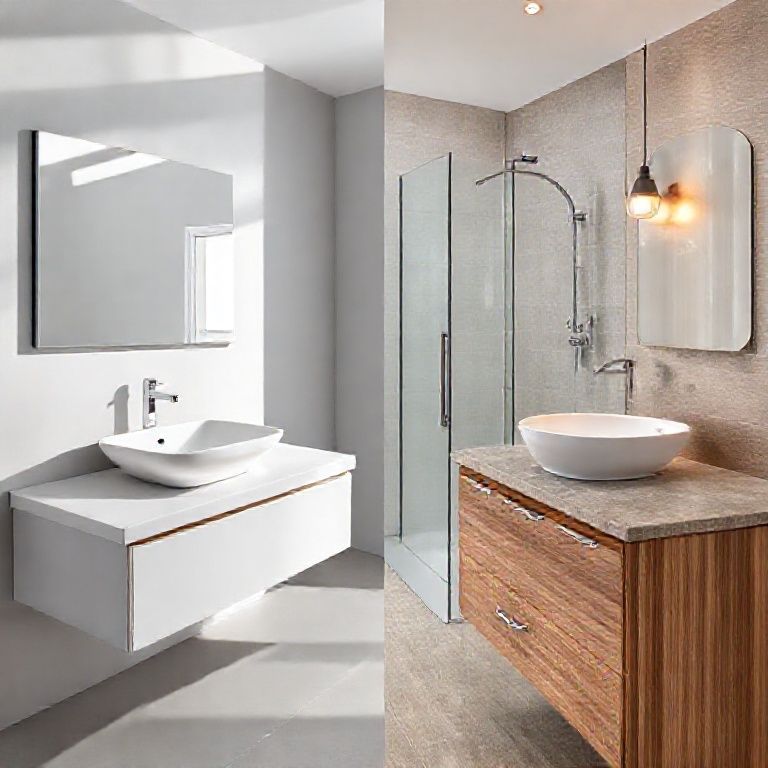
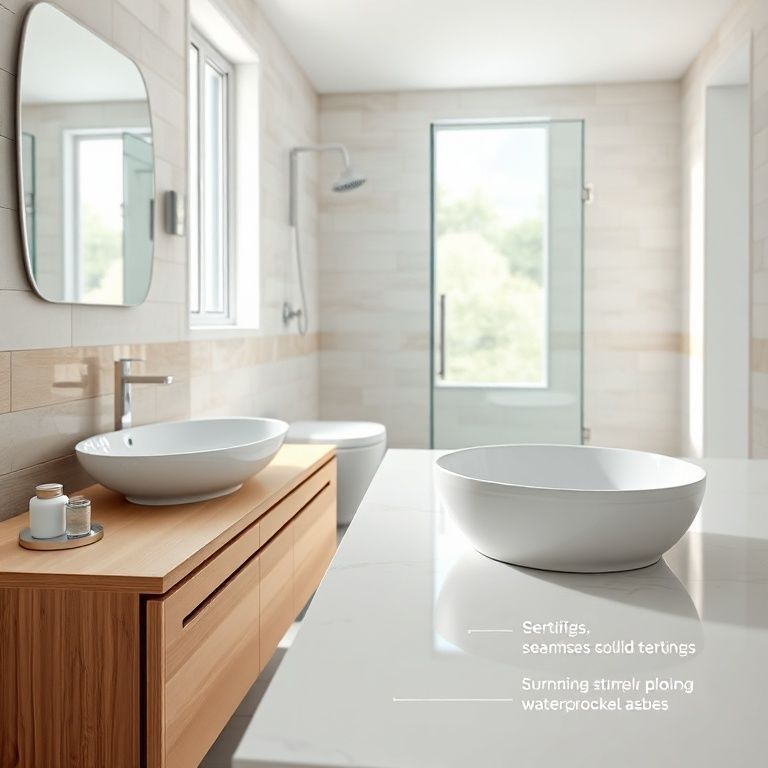
Vanity tops in bathrooms often benefit from the sleek, elegant look of artificial marble. Its stain-resistant properties ensure that it remains pristine over time, even with regular use. The customizable nature of artificial marble also allows for unique designs that can complement any bathroom decor.
Backsplashes
Artificial marble is increasingly being used for backsplashes in kitchens. Its durability and resistance to staining make it a practical choice for high-traffic areas. Additionally, the ability to create custom designs adds a touch of luxury and sophistication to any kitchen space.
Furniture
Beyond countertops and vanities, artificial marble can be used to create stunning furniture pieces. From dining tables to sideboards and even outdoor furniture, artificial marble’s versatility allows for endless creative possibilities. Its durability ensures that these pieces will maintain their beauty and functionality for years to come.
Architectural Elements
In the realm of architecture, artificial marble is used to create impressive architectural elements such as columns, walls, and even entire facades. Its ability to replicate the intricate patterns of natural marble while offering structural strength makes it an ideal choice for both modern and classical designs.
Conclusion
Artificial marble is a remarkable material that bridges the gap between the luxury of natural marble and the practicality of modern manufacturing. Its composition, comprising resin, colorants, fillers, and catalysts, allows it to replicate the exquisite appearance of natural marble while offering unmatched durability, customization, cost-effectiveness, and sustainability.
In the next part of this series, we will delve deeper into the manufacturing process of artificial marble, explore its applications in more detail, and discuss how it compares to other countertop materials. Stay tuned for more insights into the fascinating world of engineered marble!
The Manufacturing Process of Artificial Marble
Understanding the manufacturing process of artificial marble provides valuable insight into its creation and the meticulous care involved in producing this high-quality material. Unlike natural marble, which is formed over millions of years through geological processes, artificial marble is crafted in a controlled environment, allowing for precision and consistency.
Step-by-Step Creation
Mixing: The manufacturing process begins with the careful mixing of resin, colorants, and fillers. High-quality resin forms the backbone of the material, providing the necessary strength and durability. Colorants are added to achieve the desired color and pattern, while fillers such as marble dust and limestone contribute to the texture and overall composition.
Molding: The mixed materials are then poured into molds that are specifically designed to create the desired shape and form. These molds can range from simple rectangular shapes for countertops to intricate designs for architectural elements. The molds ensure that the artificial marble takes on the exact dimensions and patterns required by the design.
Curing: After pouring the mixture into the molds, the material is left to cure. This process involves the resin hardening and setting, which is facilitated by the use of catalysts. The curing process can take several hours to a few days, depending on the specific formulation and environmental conditions.
Finishing: Once the artificial marble has fully cured, it undergoes a finishing process to achieve the final surface quality. This may involve sanding, polishing, or applying a protective coating to enhance its appearance and durability. The finishing process ensures that the material has a smooth, seamless surface that is ready for installation.
Detailed Applications of Artificial Marble
Artificial marble’s versatility extends to numerous applications, making it a preferred choice in both residential and commercial settings. Let’s explore some of these applications in more detail.
Countertops
As mentioned earlier, artificial marble is a popular choice for countertops due to its luxurious appearance and practical benefits. The ability to create custom designs allows for a wide range of options, from classic marble vein to modern geometric patterns. Its durability ensures that countertops remain beautiful and functional for years to come.
Vanity Tops
Bathroom Fixtures
除了浴室台面,人造大理石还广泛应用于浴室固定装置,如洗脸盆、浴缸和淋浴区。人造大理石的耐水性和耐污性使其成为这些高湿度环境的理想选择。它的美观性和易于清洁的特点为家庭和酒店提供了高端且持久的浴室装饰。
Furniture
在家具领域,人造大理石也有广泛应用。高档的餐桌、咖啡桌和书桌常常使用人造大理石作为桌面材料。它的高强度和耐用性确保了家具的长期使用,同时其美观性增加了家具的整体价值。人造大理石还被用于制作高端的办公家具,如会议桌和接待台。
Architectural Elements
在建筑设计中,人造大理石被用于制作各种建筑元素,如柱子、墙面装饰和地板。这些元素不仅能够提升建筑的美观性,还能提供持久的耐用性。由于其可定制性,人造大理石还可以被设计成任何想象中的形状和图案,以满足不同建筑设计的需求。
Comparison with Other Materials
人造大理石与其他常见的台面和装饰材料相比,有许多独特的优势:
vs. Natural Marble
Cost: 人造大理石通常比天然大理石便宜得多,因为它不需要开采和加工。 Durability: 尽管人造大理石不是天然材料,但它的耐用性和耐污性通常与天然大理石相当,甚至在某些方面更优。 Customization: 人造大理石可以定制任何颜色和图案,而天然大理石的颜色和纹理是天然的,无法完全预测。
vs. Granite
Acid Resistance: 人造大理石在耐酸性方面通常比花岗岩更好,因为它的成分可以精确控制。 Cost: 花岗岩通常比人造大理石便宜,但其耐用性和维护需求也相对较高。 Maintenance: 人造大理石的维护相对简单,不需要像花岗岩那样经常性的密封处理。
vs. Quartz
Heat Resistance: 人造大理石在耐热性方面通常不如石英,因为石英的耐热性能更好。 Acid Resistance: 石英和人造大理石在酸性方面的表现相近,但石英在某些酸性环境中可能更具优势。 Cost: 石英台面通常比人造大理石更贵,但其耐热性和耐用性使其在某些高端应用中更受青睐。
Environmental Impact
人造大理石的制造过程对环境的影响相对较小,因为它不需要开采天然矿石。但是,在生产过程中使用的某些化学品和材料可能对环境有一定影响。因此,选择环保型的人造大理石材料,或者选择那些承诺减少环境影响的生产商,是一个值得考虑的方面。
Conclusion
人造大理石是一种功能性和美观性兼具的材料,其应用范围广泛,从家庭和商业家具到建筑元素。与其他材料相比,人造大理石在成本、耐用性和定制化方面提供了许多独特的优势。尽管它不是天然材料,但通过精心设计和制造,人造大理石可以在许多方面超越其竞争对手,为现代建筑和设计提供高质量、高性能的解决方案。