The Fragility of Artificial Stone Countertops: Understanding Cracks and Potential Breaks
In today’s modern kitchens and bathrooms, artificial stone countertops have become increasingly popular due to their durability, aesthetic appeal, and cost-effectiveness. However, one concern that often arises is the potential for these countertops to crack or even break over time. This article delves into the reasons behind such occurrences, examines the material’s resilience, and offers valuable insights to help you maintain and extend the life of your artificial stone surfaces.

Understanding Artificial Stone Countertops
Artificial stone, also known as engineered stone or synthetic stone, is a composite material made from natural stone powders, such as quartz, marble, or granite, combined with resins and other binders. This amalgamation creates a material that mirrors the appearance of natural stone but is significantly more durable and resistant to stains and scratches. Despite its advantages, artificial stone is not indestructible, and understanding its potential vulnerabilities is crucial for its longevity.
Common Causes of Cracks in Artificial Stone Countertops
While artificial stone is remarkably resilient, it is not impervious to damage. Several factors can lead to cracks in these countertops, including:
Physical Impact: One of the primary reasons for cracks in artificial stone countertops is physical impact. Dropping heavy objects or using sharp utensils can cause immediate damage, resulting in visible cracks. While the material is tough, it can still splinter under significant force.
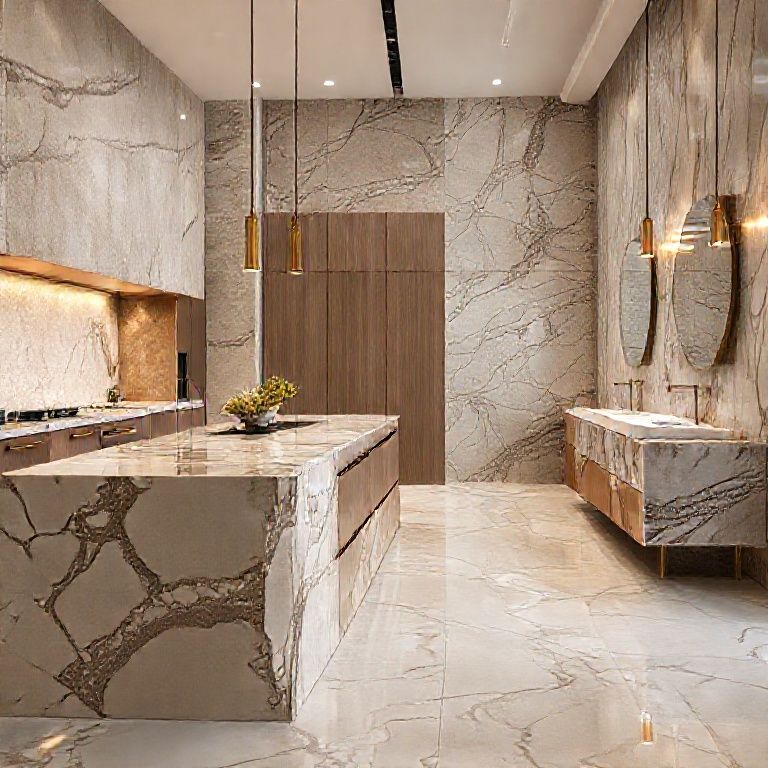
Thermal Stress: Rapid temperature changes can also lead to cracks. For example, placing a hot pot or pan directly on a cold artificial stone surface can create a thermal shock, causing the material to crack. This is less common but can happen in specific scenarios.
Water Damage: Although artificial stone is water-resistant, excessive exposure to water, especially under pressure, can weaken the structure over time. This is less likely with regular use but can happen in areas prone to water exposure, such as near sinks or during cleaning.
Improper Installation: Poor installation techniques can compromise the integrity of the artificial stone countertop. Inadequate bonding to the substrate or incorrect cutting can lead to stress points that may manifest as cracks over time.
Signs of Cracks and When to Worry
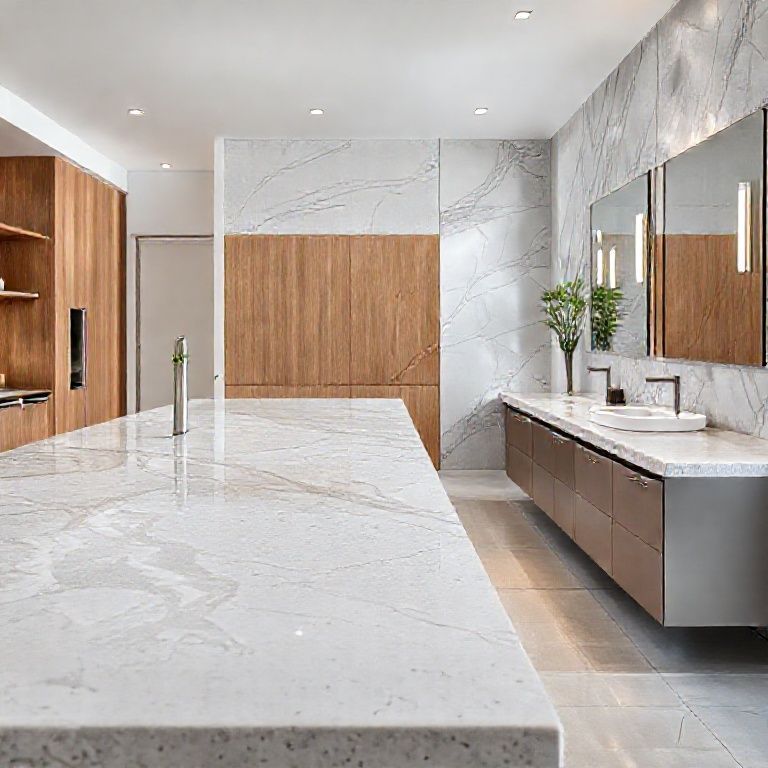
Cracks in artificial stone countertops can vary in appearance and severity. Here’s how to identify potential issues and determine when it’s time for professional intervention:
Surface Cracks: Small, superficial cracks on the surface are usually not a significant concern and can often be repaired with specialized stone repair kits. These kits typically contain resins and pigments that match the countertop’s color, allowing for seamless repairs.
Deep Cracks: Deeper cracks that extend through the thickness of the stone may indicate more severe damage. While these cracks can often be repaired, it’s essential to address them promptly to prevent further deterioration.
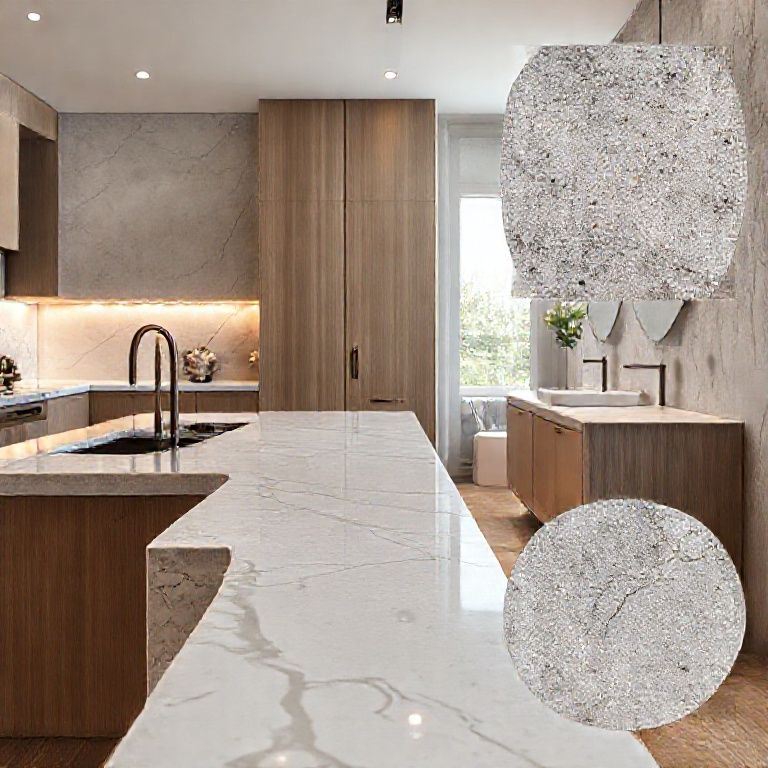
Widening Cracks: If cracks are widening over time, it’s a clear sign that the structural integrity is compromised. This scenario requires immediate attention from a professional to assess the extent of the damage and determine the best course of action.
Preventive Measures and Maintenance Tips
To extend the lifespan of your artificial stone countertops and minimize the risk of cracks, consider the following preventive measures:
Use Protective Pads: Always use protective pads or trivets when placing hot pots, pans, or other heavy objects on the countertop. This simple step can prevent thermal shock and reduce the risk of cracks.
Avoid Sharp Objects: Refrain from using sharp utensils to cut or scratch the surface. Instead, use a cutting board or a specialized stone cutting board to prevent damage.
Regular Cleaning: Clean the countertop regularly using appropriate stone cleaners. Avoid abrasive cleaners that can scratch the surface. A soft cloth and a mild soap solution are generally sufficient for routine cleaning.
Prompt Repair: Address any cracks or chips immediately. Delaying repairs can lead to more extensive damage. Use a stone repair kit for minor repairs or consult a professional for larger issues.
Proper Installation: Ensure that your artificial stone countertop is installed by a qualified professional. Proper installation techniques, including correct substrate preparation and bonding, are crucial for the longevity of the countertop.
Long-Term Durability Considerations
While artificial stone countertops are designed to be durable and low-maintenance, understanding their long-term durability is essential. Here are some key considerations:
Resistance to Stains and Scratches: One of the primary benefits of artificial stone is its resistance to stains and scratches. Unlike natural stone, it does not absorb liquids, making it easier to clean and maintain.
Water Resistance: Although artificial stone is water-resistant, prolonged exposure to water can weaken the material over time. It’s important to avoid soaking the countertop and to clean spills promptly.
Temperature Resistance: Artificial stone is generally resistant to high temperatures. However, extreme temperature changes can still cause thermal shock. Always use protective measures to prevent this.
Aging and Appearance: Over time, artificial stone may show signs of aging, such as discoloration or fading. However, these changes are usually superficial and can often be repaired or polished to restore the countertop’s appearance.
Conclusion
Artificial stone countertops offer a blend of beauty, durability, and practicality that makes them an excellent choice for modern kitchens and bathrooms. While they are resilient, understanding the factors that can lead to cracks and knowing how to prevent and repair them is crucial for maintaining their appearance and longevity. By following proper maintenance practices and addressing issues promptly, you can enjoy the benefits of artificial stone for years to come.
The Fragility of Artificial Stone Countertops: Understanding Cracks and Potential Breaks
Exploring the Long-Term Impact of Cracks and Breaks
In the previous part, we discussed the causes and preventive measures for cracks in artificial stone countertops. Now, we will delve deeper into the long-term impact of cracks and whether they can lead to complete breaks. Understanding this aspect will help you make informed decisions about the maintenance and care of your artificial stone surfaces.
Understanding the Nature of Artificial Stone
Artificial stone, or engineered stone, is a composite material that combines natural stone powders with resins and other binding agents. This mixture creates a product that is both strong and aesthetically pleasing. Despite its robust nature, artificial stone is not entirely invulnerable to damage. When cracks do occur, understanding their implications and how they can affect the overall integrity of the countertop is crucial.
Cracks: An Early Warning System
Cracks in artificial stone countertops often serve as an early warning sign of underlying issues. While a single crack may seem minor, it can indicate more extensive structural problems if left unaddressed. Here’s how to interpret the signs:
Isolated Cracks: An isolated crack is typically a localized issue that can often be repaired with a stone repair kit. These kits usually contain resins and pigments that match the countertop’s color, allowing for seamless repairs. However, it’s essential to determine the cause of the crack to prevent recurrence.
Multiple Cracks: When multiple cracks appear, it indicates a more significant structural issue. This scenario often requires professional intervention to assess the extent of the damage and determine the best course of action.
Crack Patterns: The pattern of the cracks can provide clues about the underlying cause. For instance, cracks that spread in a spider-web pattern are often the result of physical impact, while those that follow a straight line may indicate thermal stress.
Potential for Complete Breaks
While cracks in artificial stone countertops are common, the likelihood of a complete break is relatively low. Here’s how to understand the potential for complete breaks:
Material Composition: Artificial stone is designed to be strong and durable. Its composite nature, which combines stone powders with resins, provides significant structural integrity. This composition makes it less likely to break completely compared to natural stone.
Stress Distribution: Artificial stone distributes stress more evenly across its surface. This characteristic helps prevent localized weaknesses that could lead to complete breaks. Even if a crack occurs, the material’s ability to distribute stress can often prevent further deterioration.
Professional Repairs: If cracks do occur, professional repairs can often restore the countertop’s integrity. Repair techniques, such as filling the cracks with resin and polishing the surface, can effectively address minor damage and prevent it from worsening.
Long-Term Effects of Cracks
Even if cracks do not lead to complete breaks, they can still have long-term effects on the appearance and functionality of the countertop:
Aesthetic Impact: Cracks can mar the countertop’s appearance, making it look less appealing. While some cracks can be repaired, others may require more extensive restoration work to restore the surface to its original state.
Functional Impact: While cracks typically do not compromise the functionality of the countertop, they can create stress points that may lead to further damage if not addressed promptly. Regular maintenance and timely repairs are crucial to prevent this.
人造石台面在现代家居设计中非常受欢迎,其主要原因包括其美观、耐用、易于清洁等优点。为了确保其长期的美观和功能性,了解其潜在的问题和如何应对是非常重要的。
维护和保养建议
避免使用钢制或钢化玻璃切割板:在切割人造石台面时,建议使用水晶刀或其他专用切割工具,而不是钢制或钢化玻璃切割板,因为这些工具可能会在切割过程中对人造石造成微小的划痕,从而影响其美观。
避免放置热源:不要在人造石台面上直接放置热锅或热饮,应使用锅垫或者其他隔热材料。这是因为温度的骤变可能会导致人造石表面产生裂缝。
使用适当的清洁剂:清洁人造石台面时,应使用中性清洁剂,而不是酸性或碱性清洁剂。这些强碱性或强酸性清洁剂可能会对人造石的表面造成腐蚀。
避免使用钢丝球:人造石表面不建议用钢丝球或其他钢制清洁工具进行擦洗,以免造成划痕。
处理已有裂缝的方法
小裂缝修复:对于小裂缝,可以使用专门的人造石修复胶或填充剂,将其填补并涂抹成色,以恢复台面的平整和美观。
专业修复服务:对于较大或复杂的裂缝,建议寻求专业的人造石修复服务。专业人士可以使用高级修复材料和技术来恢复台面的完整性和外观。
预防措施
保护边缘:在安装人造石台面时,应注意保护其边缘,特别是在台面与墙壁、橱柜等其他家具之间的接缝处,可以使用保护垫或者其他防护措施,以避免物品直接接触台面边缘。
定期检查:定期检查人造石台面是否有裂缝或其他损伤,及时进行维护和修复,可以有效延长其使用寿命。
选择高质量材料:在选购人造石台面时,尽量选择知名品牌和高质量的产品,这样可以确保其在制造工艺和材料上的优越性,从而减少出现裂缝和其他问题的概率。
总结
人造石台面因其美观、耐用、易于清洁等优点广受欢迎,但也需要一定的维护和保养。通过正确的使用和保养方法,可以有效延长其使用寿命,保持其原有的美观和功能。如果遇到裂缝或其他问题,及时采取修复措施,并且在日常使用中注意防护,可以确保人造石台面在家居环境中的长久美观和实用性。