${part1}
In the world of interior and exterior design, the choice of materials plays a pivotal role in shaping the aesthetic and functionality of any space. Among the most popular choices are artificial stone, marble, and quartzite. Each of these materials brings its own unique set of properties and advantages, making them suitable for different applications. This first part will delve into the origins, characteristics, and applications of these three remarkable materials.

Artificial Stone: The Revolution in Modern Design
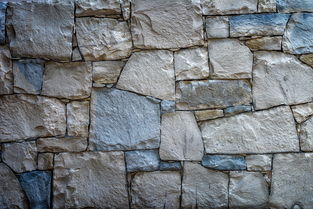
Artificial stone, also known as cultured stone, is a composite material crafted from a mixture of natural stone powders and polymers. This innovative material was developed to mimic the appearance of natural stone while offering superior durability and ease of maintenance. Unlike natural stone, which can be susceptible to stains, chips, and water damage, artificial stone boasts a level of resilience that makes it ideal for high-traffic areas such as kitchens, bathrooms, and commercial spaces.
The production process of artificial stone involves the meticulous layering of stone powders and a polymer binder, creating a material that closely resembles the texture and appearance of natural stone. The versatility of artificial stone allows designers to create custom shapes and sizes, catering to the unique needs of various architectural projects. Additionally, artificial stone can be colored and finished in countless ways, offering an unparalleled degree of customization.
Marble: Timeless Elegance and Luxury
Marble is one of the most revered natural stones, renowned for its striking beauty and timeless elegance. Derived from the metamorphic transformation of limestone, marble is celebrated for its veined patterns and luxurious luster. The natural beauty of marble has made it a favorite among architects and designers for centuries, often used in prestigious buildings, monuments, and high-end interior spaces.
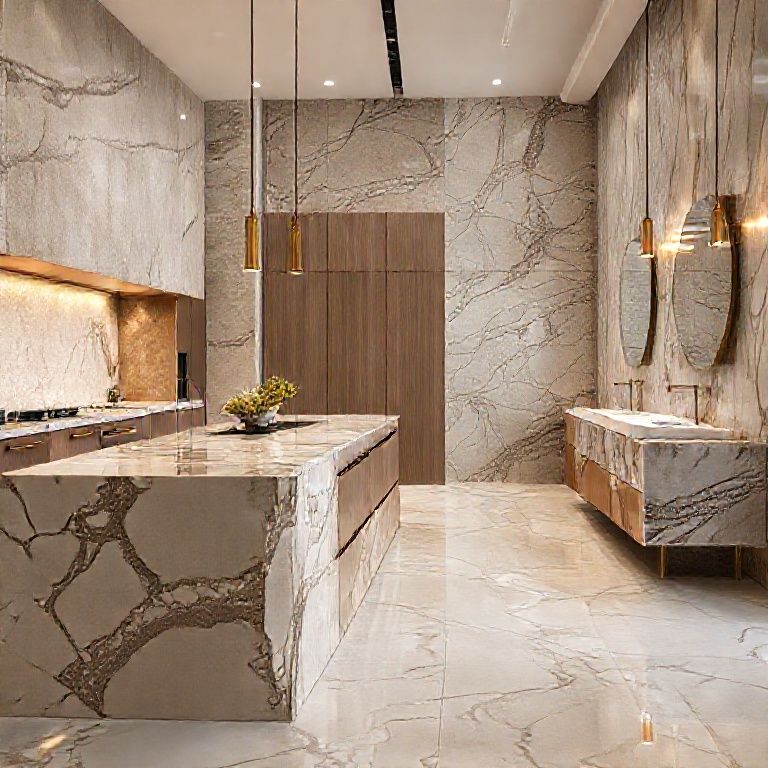
One of the defining features of marble is its unique veining, which can vary widely depending on its source. This natural variation creates a sense of individuality and uniqueness in each piece of marble, making it a highly sought-after material for those who desire a touch of exclusivity in their designs. However, marble also comes with certain drawbacks. It is relatively soft compared to other natural stones, which makes it prone to scratching, staining, and chipping. To counteract these issues, marble surfaces are typically sealed with protective coatings, which can add to the overall maintenance requirements.
Despite its maintenance needs, marble’s aesthetic appeal remains unmatched. Its ability to reflect light and its rich, tactile quality make it an ideal choice for areas where a sense of grandeur and sophistication is desired. From classical sculptures to contemporary architectural features, marble continues to be a cornerstone of luxury design.
Quartzite: Strength and Durability
Quartzite, another metamorphic rock, is formed from the transformation of sandstone under high pressure and temperature. This process significantly enhances the strength and durability of quartzite, making it an excellent choice for various applications where robust performance is required.
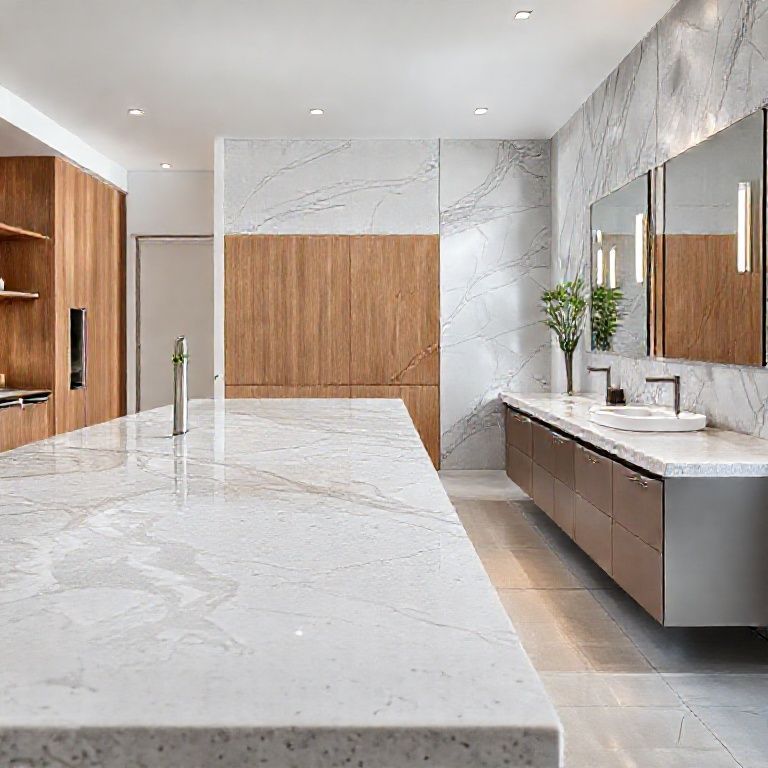
Quartzite is composed primarily of quartz, giving it a high resistance to scratching, staining, and chemical damage. This durability makes quartzite a popular choice for countertops, flooring, and other high-use surfaces. Its natural look, combined with its impressive resilience, offers a practical yet aesthetically pleasing alternative to traditional materials.
One of the key advantages of quartzite is its ability to maintain its natural beauty over time. Unlike some other materials, quartzite does not darken or degrade with exposure to sunlight, ensuring that its appearance remains vibrant and attractive for years to come. Additionally, quartzite is impervious to moisture, which makes it an ideal choice for kitchens and bathrooms where water exposure is frequent.
Applications and Uses
The unique properties of artificial stone, marble, and quartzite lend themselves to a wide range of applications. Artificial stone’s versatility allows it to be used in various forms, including countertops, sinks, tabletops, and decorative elements. Its durability and low maintenance make it a practical choice for both residential and commercial spaces.
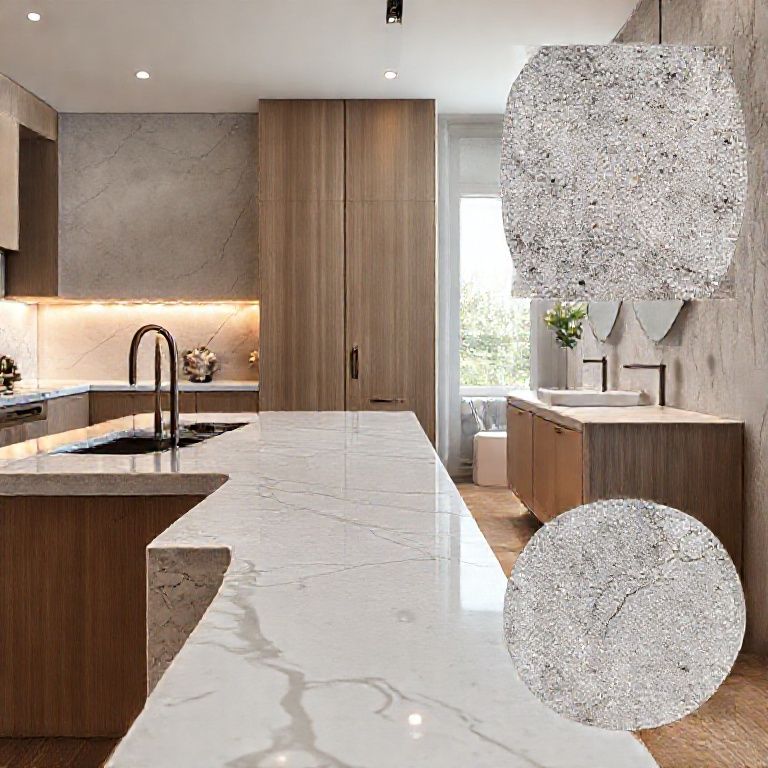
Marble, with its timeless elegance, is often used in flooring, wall cladding, and decorative elements in both interior and exterior settings. Its rich patterns and colors make it a standout choice for areas where a sense of luxury and sophistication is desired. Marble is also commonly used in sculptures, fountains, and other artistic creations.
Quartzite’s strength and durability make it an excellent choice for countertops, flooring, and other surfaces that require high resistance to wear and tear. Its natural look combined with its robust nature makes it a popular choice for modern kitchens, bathrooms, and commercial spaces where durability is paramount.
${part2}
The Environmental Impact and Sustainability
In recent years, the environmental impact of construction and design materials has become a significant concern for many professionals in the industry. When considering artificial stone, marble, and quartzite, it’s essential to explore their respective environmental footprints and sustainability.
Artificial Stone: A Sustainable Alternative
Artificial stone is often lauded for its sustainability compared to natural stone alternatives. The production process of artificial stone involves the use of recycled natural stone powders, which helps reduce the demand for quarrying and mining of natural resources. Additionally, the manufacturing process of artificial stone typically generates less waste than that of natural stone, contributing to a more sustainable production cycle.
Furthermore, artificial stone’s durability and low maintenance requirements translate into long-term cost savings and reduced environmental impact. Because artificial stone does not require frequent sealing or repairs, it offers a more sustainable long-term solution for many design projects.
Marble: Environmental Considerations
Marble, being a natural stone, has a more significant environmental footprint compared to artificial stone. The quarrying and extraction of marble involve substantial environmental impacts, including habitat destruction, water usage, and emissions of greenhouse gases. The transportation of marble from its source to the construction site also contributes to its overall carbon footprint.
However, advancements in sustainable quarrying practices and the use of less-invasive methods have helped mitigate some of these environmental impacts. Additionally, efforts to recycle and repurpose marble waste can contribute to more sustainable practices in the industry.
Quartzite: A Sustainable Choice
Like marble, quartzite is a natural stone, which means it has a more pronounced environmental footprint compared to artificial stone. The extraction and transportation of quartzite also contribute to its environmental impact. However, similar to marble, the use of sustainable quarrying practices and recycling initiatives can help reduce the overall environmental impact of quartzite.
Innovative Uses and Trends
The world of design and architecture is ever-evolving, and the use of artificial stone, marble, and quartzite continues to expand with innovative applications and trends.
Artificial Stone: Pushing Boundaries
Artificial stone’s versatility and customizability have opened up new possibilities in the design world. Innovations in artificial stone technology have led to the creation of more realistic and intricate designs that closely mimic natural stone. This has allowed designers to push the boundaries of creativity, creating unique and bespoke designs that were once thought impossible.
Moreover, advancements in color technology and finishes have allowed artificial stone to be used in ways that were previously reserved for natural stone. From intricate mosaics to detailed sculptures, artificial stone continues to find new and exciting applications.
Marble: Enduring Popularity
Marble remains a popular choice for its timeless elegance and versatility. In recent years, there has been a resurgence in the use of marble in contemporary design, blending traditional and modern aesthetics. Marble is often used in innovative ways, such as in multi-functional furniture pieces and interactive installations.
Additionally, the use of recycled marble and the development of sustainable quarrying practices have contributed to the continued popularity of marble in eco-conscious design.
Quartzite: Modern Applications
Quartzite’s durability and aesthetic appeal have made it a favored material in modern design. Its natural look and robust nature make it ideal for contemporary spaces that prioritize both style and functionality. Quartzite countertops, in particular, have become increasingly popular in modern kitchens and bathrooms, offering a blend of beauty and practicality.
Moreover, the use of quartzite in outdoor applications, such as patios and outdoor kitchens, has gained traction due to its resistance to moisture and weathering. This has expanded its versatility and appeal across various design projects.
Conclusion: Making an Informed Choice
When choosing between artificial stone, marble, and quartzite, it’s essential to consider the unique properties, applications, and sustainability of each material. Artificial stone offers unparalleled versatility and durability, making it an ideal choice for a wide range of applications. Marble’s timeless elegance and luxury make it a standout option for areas where a sense of sophistication is desired, despite its higher maintenance requirements. Quartzite’s strength and durability make it a practical choice for high-use surfaces and outdoor applications.
By understanding the distinct characteristics and benefits of each material, designers and homeowners can make informed choices that align with their aesthetic goals, functional needs, and sustainability priorities. Whether you’re looking to create a luxurious, timeless space or a modern, durable environment, these materials offer a wealth of possibilities to inspire and elevate your design projects.