The Hidden Drawbacks of Artificial Stone Countertops
Artificial stone, or quartz, has gained immense popularity in recent years for its aesthetic appeal, durability, and low maintenance requirements. However, beneath the surface of this modern marvel lies a spectrum of potential downsides that merit careful consideration. In this first part of our two-part exploration, we will uncover some of the less discussed disadvantages of artificial stone countertops.

1. Environmental Concerns
One of the often-overlooked aspects of artificial stone countertops is their environmental impact. Though marketed as a sustainable option, the production process of artificial stone involves a significant amount of energy and chemical usage. The manufacturing process often includes the use of various synthetic materials and solvents, which can contribute to environmental pollution.
Moreover, the extraction and transportation of raw materials used in artificial stone production can have detrimental effects on local ecosystems. Unlike natural stone, which comes from quarries with established environmental management practices, the extraction processes for synthetic materials can sometimes lead to unforeseen environmental consequences.
2. Limited Color and Design Options
Artificial stone countertops are celebrated for their wide range of color and design options. However, this very flexibility can turn into a limitation. While it’s possible to mimic natural stone designs closely, there are still fewer genuine design variations compared to natural stone. This means that achieving a unique, one-of-a-kind design might be challenging.
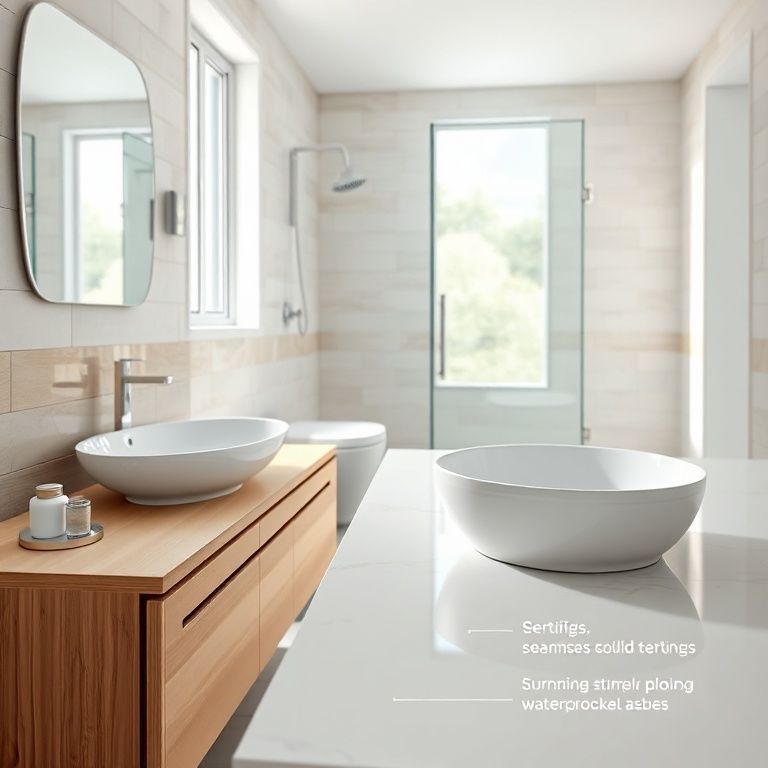
Additionally, the color uniformity can sometimes be an issue. Even though manufacturers strive for consistent color, small variations in shades can occur, especially in larger installations. This can lead to an inconsistent appearance that might not meet the aesthetic expectations of all homeowners.
3. Maintenance Issues
One of the primary selling points of artificial stone is its low maintenance. However, this advantage comes with certain caveats. While artificial stone countertops are generally resistant to stains and scratches, they are not entirely immune. Spills and drops can leave behind marks if not addressed promptly.
Moreover, while they are highly durable, artificial stone can be susceptible to certain types of damage. For instance, they might not withstand the heat from hot pots and pans as well as natural stone surfaces, and prolonged exposure to heat can lead to discoloration or even warping of the material. Regular cleaning and prompt attention to spills are essential to maintaining the pristine look of these countertops.

4. Installation Challenges
Artificial stone countertops, while relatively easy to install, do require professional expertise to ensure a flawless finish. The installation process can be more complex than it initially seems, as precise measurements and alignment are crucial to avoid any gaps or misalignments.
In addition, artificial stone is often heavier than other countertop materials, which can make installation more labor-intensive and require specialized tools and techniques. This might lead to higher installation costs and longer project timelines compared to lighter alternatives.
5. Higher Upfront Costs
While artificial stone countertops are known for their durability and longevity, they do come with higher upfront costs. The premium price tag often includes not only the cost of the material but also the expenses related to professional installation and potential repairs.
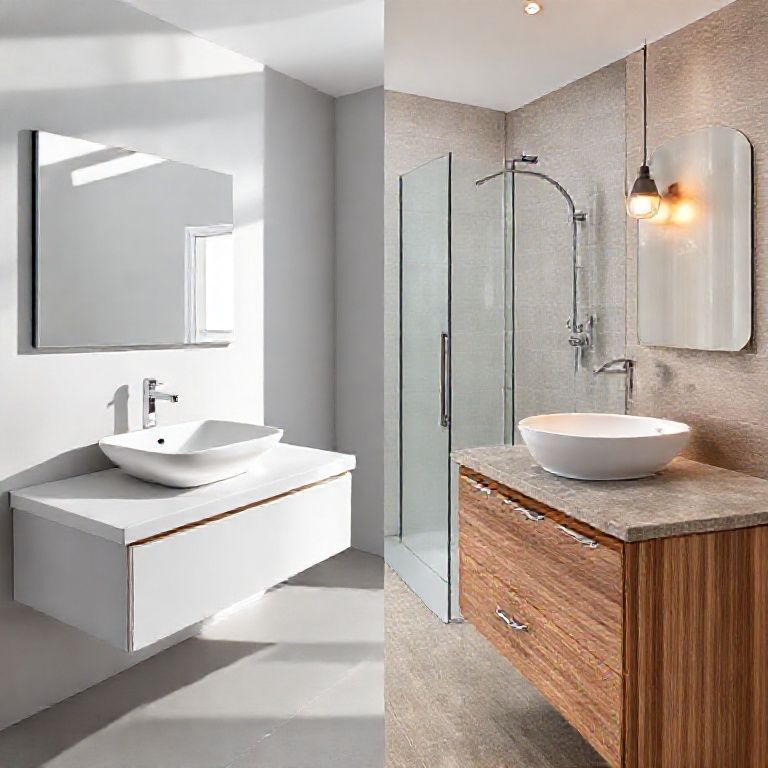
For many homeowners, the initial investment might be a significant deterrent, especially if they are on a tight budget. It’s important to weigh these costs against the long-term savings on maintenance and replacement to make a well-rounded financial decision.
Conclusion
Artificial stone countertops offer a compelling blend of aesthetics, durability, and low maintenance, but they are not without their drawbacks. From environmental concerns and limited design options to maintenance issues and installation challenges, a comprehensive understanding of these factors can help you make an informed choice. In the next part of our article, we will delve deeper into other potential downsides and provide you with a holistic view of what to consider when deciding on artificial stone for your countertops.
The Hidden Drawbacks of Artificial Stone Countertops
Continuing our detailed examination of the potential downsides of artificial stone countertops, this second part will cover additional aspects that you need to consider before making a decision. This in-depth analysis aims to provide you with a thorough understanding of what lies beneath the surface of this popular kitchen and bathroom material.
1. Durability and Lifespan
While artificial stone is marketed for its impressive durability, it is not invulnerable. The material’s resistance to scratches, stains, and thermal damage is widely recognized. However, it’s not entirely impervious. Prolonged exposure to high heat can cause discoloration or warping, which might necessitate professional repair or replacement.
Moreover, while artificial stone is designed to last for many years, its lifespan can be affected by how well it is maintained. Regular cleaning and prompt attention to spills and scratches are crucial to prolonging the material’s life. Without proper care, the longevity of artificial stone countertops might not match the expectations set by their manufacturers.
2. Weight and Structural Limitations
Artificial stone countertops are generally heavier than other materials like granite or even certain types of laminate. This added weight can pose challenges in terms of installation, especially for those considering DIY projects. The heavier nature of artificial stone means that it requires robust support structures and might not be suitable for certain types of cabinetry or built-in designs.
Additionally, the weight of artificial stone can impact the overall structure of your kitchen or bathroom. It’s important to ensure that your cabinetry and flooring can support the weight to avoid any structural issues over time.
3. Chemical Resistance Limitations
One of the significant advantages of artificial stone is its high resistance to chemicals and stains. However, it’s not completely immune. While it can withstand a wide range of everyday liquids, prolonged exposure to certain chemicals, especially acidic ones like vinegar or citrus juices, can lead to etching or discoloration over time.
This means that while artificial stone is highly durable, it’s not entirely resistant to all chemicals. Homeowners need to be cautious about the types of cleaners and chemicals used on the countertops to maintain their appearance and longevity.
4. Aesthetic Limitations
Though artificial stone offers a wide array of colors and patterns, achieving the exact look of natural stone can be challenging. While manufacturers strive to create realistic designs, there’s always a slight difference in texture and natural variation that can be hard to replicate perfectly.
Additionally, artificial stone’s appearance can sometimes be less “natural” compared to real stone. For those who prefer a more organic, natural look, artificial stone might not fully meet their aesthetic expectations. It’s essential to consider whether the synthetic appearance aligns with your personal taste and design preferences.
5. Cost Implications
The premium cost of artificial stone countertops extends beyond just the material itself. High installation costs, potential for additional professional services, and the necessity of prompt repairs when issues do arise can add to the overall expense.
Furthermore, the initial investment might be a significant factor for some homeowners. While artificial stone is designed to be a long-term investment due to its durability, the upfront cost can be a deterrent. It’s crucial to factor in all associated costs and weigh them against the long-term savings and benefits to ensure a sound financial decision.
6. Environmental and Health Concerns
Beyond the environmental impact of the production process, there are also questions about the potential health effects associated with artificial stone countertops. The manufacturing process involves the use of various chemicals, which can sometimes lead to the release of volatile organic compounds (VOCs) during installation.
Although modern manufacturing practices have significantly reduced these emissions, it’s still a factor worth considering. For those particularly sensitive to chemical exposure or looking for eco-friendly options, it’s important to research the specific VOC levels and take necessary precautions during installation.
Conclusion
Artificial stone countertops are a remarkable choice for those looking for a durable, low-maintenance surface with a wide range of design possibilities. However, they come with a set of disadvantages that need careful consideration. From durability and weight to chemical resistance and environmental impact, each aspect plays a role in determining whether artificial stone is the right choice for your home.
By understanding these hidden drawbacks, you can make a more informed decision and ensure that your choice aligns with your long-term needs and preferences. Whether you’re renovating or building a new space, this comprehensive analysis aims to provide you with the insights needed to weigh the pros and cons of artificial stone countertops effectively.