Understanding Artificial Stone Countertops and Their Thickness
Artificial stone countertops have revolutionized modern kitchen and bathroom design with their blend of beauty, durability, and practicality. Unlike natural stone, these countertops are crafted from a mixture of minerals and resins, giving them the appearance and texture of natural stone while providing unmatched strength and versatility. However, one critical aspect to consider when selecting an artificial stone countertop is its thickness. Let’s explore the ideal thickness for these countertops and why it matters.

What is Artificial Stone?
Artificial stone, also known as stone composite, is a synthetic material designed to mimic the appearance and texture of natural stone. It combines various minerals, such as quartz, limestone, and marble, with resins and polymers to create a product that is both aesthetically pleasing and highly functional. This material is popular for countertops because it offers the look of luxury stone at a fraction of the cost, coupled with greater durability and easier maintenance.
Why Thickness Matters
The thickness of a countertop is a crucial factor in determining its overall performance and longevity. Thicker countertops generally offer more durability and resistance to scratches, chips, and impacts. Conversely, thinner countertops can be more fragile and susceptible to damage. For artificial stone countertops, finding the right balance between aesthetics and durability is key.
Standard Thickness of Artificial Stone Countertops
The standard thickness for artificial stone countertops typically ranges from 1.5 inches to 2 inches (38 to 50 millimeters). This range strikes a good balance between appearance and durability. Here’s a breakdown of how different thicknesses perform:
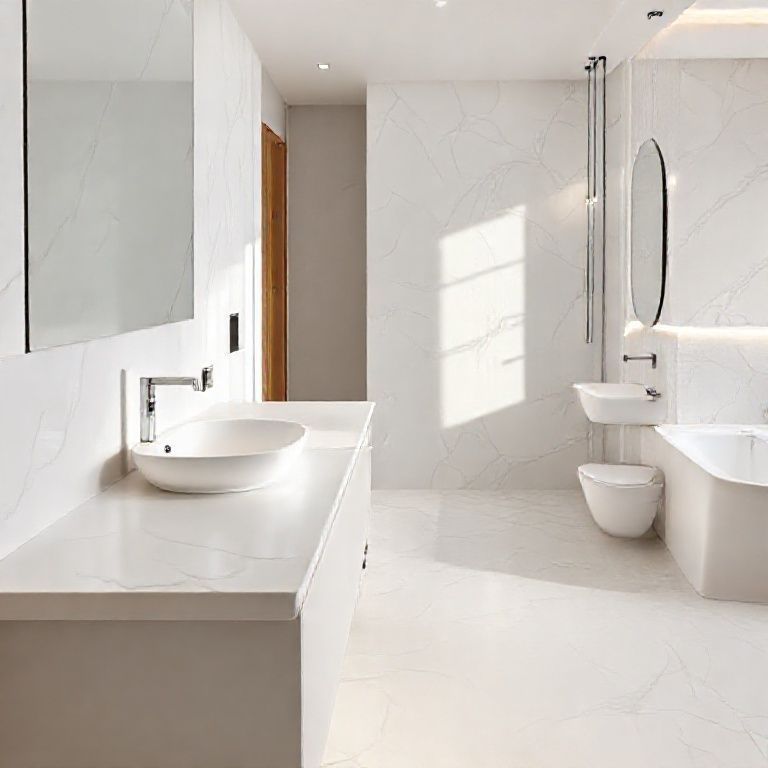
1.5 inches (38 mm): This is a popular choice for many kitchen and bathroom installations. It provides a good blend of aesthetics and durability while also fitting well within most design and structural requirements. 1.75 inches (45 mm): This thickness offers increased durability, making it an excellent choice for high-traffic areas where the countertop will undergo frequent use. 2 inches (50 mm): The thickest option, this provides the highest level of durability and resistance to impact. It’s ideal for areas subjected to heavy use and where a longer lifespan is desired.
Factors Influencing Thickness
Several factors influence the ideal thickness for an artificial stone countertop:
Usage Area: Kitchens: Typically, a 1.5-inch to 2-inch thickness is adequate for kitchen countertops. This range provides sufficient durability while maintaining a sleek, modern look. Bathrooms: Bathroom countertops often see less heavy use compared to kitchens. A 1.5-inch thickness is usually sufficient for bathrooms, balancing aesthetics with practicality. Design Preferences: Modern Designs: Thinner countertops often fit better with contemporary and minimalist design aesthetics. However, this comes at the cost of reduced durability. Traditional Designs: Thicker countertops can complement traditional designs, offering a robust and classic appearance. Structural Requirements: Building codes and structural integrity may dictate specific thickness requirements. It’s essential to consult with a professional to ensure compliance with local regulations and standards.
Advantages of Different Thicknesses
Understanding the advantages of different thicknesses can help you make an informed decision based on your specific needs:
1.5 inches (38 mm):
Pros: Lightweight, easy to install, and aesthetically versatile.
Cons: Less durable compared to thicker options.
1.75 inches (45 mm):
Pros: Enhanced durability, ideal for high-traffic areas.
Cons: Slightly heavier, may require additional support in some cases.
2 inches (50 mm):
Pros: Maximum durability, excellent for heavy use and long-term wear.
Cons: Heavier, may require more structural support.
Installation Considerations
When installing artificial stone countertops, the thickness plays a significant role in the installation process. Here are some important considerations:
Support Structures: Thicker countertops may require additional support structures to ensure stability and prevent sagging. Weight Distribution: Heavier thicknesses will have different weight distribution requirements, affecting the overall stability of the countertop. Cabinet Compatibility: Ensure that the thickness of the countertop aligns with the height of your cabinets to avoid any gaps or uneven surfaces.
Conclusion
Choosing the right thickness for your artificial stone countertop involves balancing aesthetic appeal with practical considerations. While the standard thickness ranges from 1.5 inches to 2 inches, the specific choice depends on factors such as usage area, design preferences, and structural requirements. By understanding these factors and their impact on the countertop’s performance, you can make an informed decision that enhances both the beauty and functionality of your space.
The Long-Term Benefits and Maintenance of Artificial Stone Countertops
Artificial stone countertops are not just about their initial appearance and installation; they offer a myriad of long-term benefits that make them an excellent choice for modern kitchens and bathrooms. In this second part, we’ll delve deeper into the advantages of different thicknesses and explore how proper maintenance can ensure the longevity of your artificial stone countertops.
Long-Term Benefits of Artificial Stone Countertops
Artificial stone countertops are celebrated for their versatility, durability, and ease of maintenance. Here are some of the long-term benefits you can expect from investing in these high-quality surfaces:
Durability and Longevity Impact Resistance: Artificial stone countertops are highly resistant to impact, making them ideal for high-traffic areas where durability is paramount. Scratch and Chip Resistance: Unlike natural stone, artificial stone is less prone to scratches and chips, ensuring a longer-lasting appearance. Water and Stain Resistance: These countertops are highly resistant to water, stains, and everyday spills, reducing the need for frequent cleaning and maintenance. Low Maintenance Easy Cleaning: Artificial stone countertops can be cleaned with simple soap and water. They are also resistant to most household cleaning products, meaning you don’t have to worry about damaging the surface. No Sealing Required: Unlike natural stone, artificial stone does not require sealing. This eliminates the need for periodic reapplication of sealants, which can be both inconvenient and costly. Versatility in Design Variety of Colors and Patterns: Artificial stone offers a wide range of colors and patterns, allowing you to customize your countertop to match any design scheme. Ease of Installation: These countertops are easy to install, often requiring less specialized tools and expertise compared to natural stone.
The Role of Thickness in Long-Term Benefits
While the thickness of an artificial stone countertop primarily affects its durability, it also plays a role in the long-term benefits you can enjoy:
Enhanced Durability 1.5 inches (38 mm): While still durable, this thickness may not offer the same level of resistance to heavy impact and long-term wear as thicker options. 1.75 inches (45 mm): This thickness provides a good balance of durability and aesthetics, making it ideal for areas where moderate use is expected. 2 inches (50 mm): The thickest option offers maximum durability, making it perfect for high-traffic areas and ensuring a longer lifespan. Weight Considerations Thicker countertops will generally be heavier, which may require additional support during installation. However, this added weight contributes to the overall stability and durability of the countertop. Resistance to Environmental Factors Thicker countertops provide better resistance to environmental factors such as temperature fluctuations and humidity, which can affect the integrity of thinner materials.
Maintenance Tips for Artificial Stone Countertops
Proper maintenance is key to ensuring the longevity and beauty of your artificial stone countertops. Here are some tips to help you keep your countertops looking their best:
Regular Cleaning Daily Cleaning: Wipe down your countertops with a soft cloth and mild soap or dish detergent to remove everyday grime and spills. Deep Cleaning: Occasionally, use a specialized stone cleaner to tackle tougher stains or buildup. Avoid using abrasive cleaners or scrubbers that can scratch the surface. Immediate Spill Management Blot Spills: For liquids, blot the spill immediately with a clean, dry cloth to prevent absorption into the material. Acidic Spills: Neutralize acidic spills (like wine or citrus juice) immediately with water to prevent etching. Avoiding Sharp Objects Cutting Boards: Use cutting boards and avoid placing sharp objects directly on the countertop to prevent scratches and chips. Periodic Inspections Check for Damage: Regularly inspect your countertops for any signs of damage, such as cracks or chips, and address them promptly to prevent further issues.
Real-Life Applications and Case Studies
To further illustrate the benefits of artificial stone countertops, let’s look at some real-life applications and case studies:
Real-Life Applications and Case Studies
Case Study 1: High-Traffic Commercial Kitchen
In a bustling urban café, the owner opted for 2-inch thick artificial stone countertops. The kitchen area saw heavy use, with frequent cooking, chopping, and preparation. The choice of thicker countertops ensured that the surfaces could withstand the constant impact and spills without showing signs of wear or damage. Over two years, the countertops maintained their pristine appearance, showcasing the superior durability of the thicker material.
Case Study 2: Residential Kitchen Renovation
A family decided to renovate their kitchen with 1.75-inch artificial stone countertops. The countertop thickness provided an excellent balance between aesthetics and durability, suitable for a home with moderate kitchen usage. The countertops were easy to install and maintained their sleek, modern look with minimal effort. Regular cleaning with mild soap and water kept them looking fresh, and the family enjoyed the low maintenance benefits without worrying about scratches or chips.
Case Study 3: Luxury Bathroom Countertops
For a luxury bathroom, the homeowners chose 1.5-inch thick artificial stone countertops. The choice was driven by design preferences, as the thinner material provided a sleek, minimalist look that complemented the overall aesthetic of the space. Despite the reduced thickness, the countertops were highly durable, resistant to water, and stains, ensuring a long-lasting, beautiful finish.
Customizing Your Space
When selecting artificial stone countertops, it’s essential to consider the specific needs of each area in your home or business. Here are some guidelines to help you make the best choice:
Kitchens: High-Traffic Areas: Opt for 1.75-inch or 2-inch thick countertops to ensure durability. Moderate-Traffic Areas: A 1.5-inch thickness can be sufficient, balancing aesthetics and practicality. Bathrooms: Vanity Tops: 1.5-inch thick countertops provide a stylish, low-maintenance option. Shower Areas: Use a thicker option if the countertop will be subjected to more frequent water exposure. Commercial Spaces: Bars and Restaurants: Given the heavy use, 2-inch thick countertops are ideal for resisting wear and tear. Offices: A 1.5-inch thickness can offer a modern look with low maintenance.
Future Trends in Artificial Stone Countertops
As technology advances, artificial stone countertops continue to evolve. Future trends may include:
Smart Integration: Countertops with integrated technology such as built-in sensors for cleaning and self-healing properties. Eco-Friendly Options: Development of more sustainable materials and manufacturing processes to reduce environmental impact. Advanced Aesthetics: Innovations in color and pattern technology to offer even more customized and unique designs.
Conclusion
Artificial stone countertops offer a versatile, durable, and low-maintenance solution for both residential and commercial spaces. By understanding the ideal thickness for your specific needs and following proper maintenance practices, you can enjoy the long-term benefits of this remarkable material. Whether you’re looking for a sleek modern look or maximum durability, artificial stone countertops provide a practical and stylish choice for any environment.