Understanding the Importance of Thickness in Artificial Stone Countertops
When it comes to selecting the perfect artificial stone countertop for your home, one of the critical factors to consider is its thickness. The thickness of an artificial stone countertop not only influences its durability and functionality but also plays a pivotal role in its aesthetic appeal. This article delves into the importance of thickness in artificial stone countertops, offering a detailed look at how the right thickness can transform your kitchen or bathroom.

The Role of Thickness in Durability
Artificial stone countertops are renowned for their durability and resistance to scratches, chips, and stains. However, the longevity and resilience of these countertops are significantly influenced by their thickness. A thicker artificial stone countertop can withstand more wear and tear, making it a better choice for high-traffic areas like kitchens and dining rooms.
Why Thickness Matters:
Impact Resistance: Thicker countertops are more resistant to impacts from daily use, such as dropping pots or utensils. This is especially crucial in kitchens where heavy items are frequently placed on countertops.
Heat Resistance: Artificial stone is known for its heat resistance, but the thickness plays a role in how well it can manage heat over time. A thicker countertop can distribute heat more evenly, reducing the risk of cracking from sudden temperature changes.
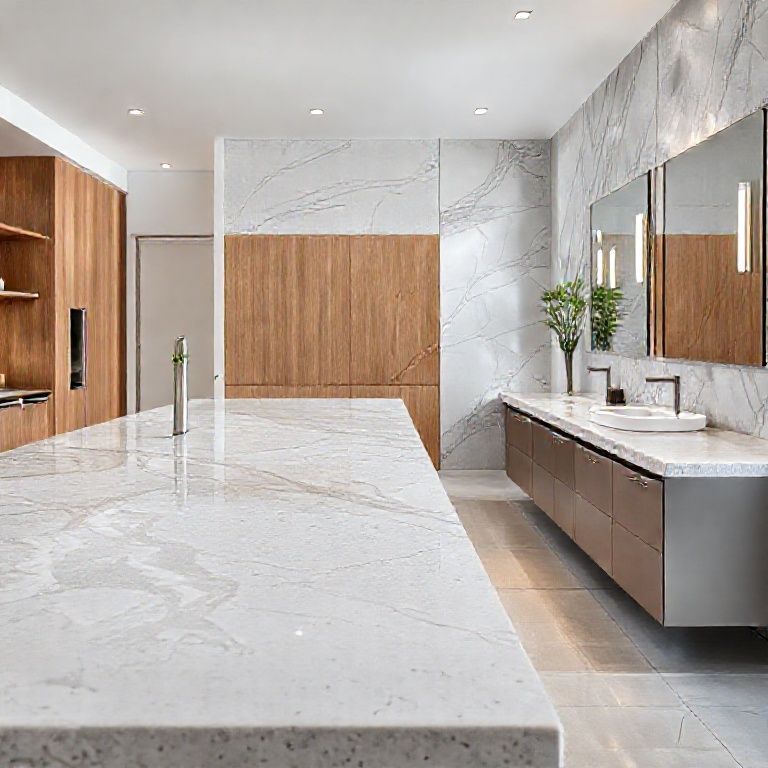
Longevity: The thicker the artificial stone, the longer it will last. Thinner countertops may wear out faster, requiring more frequent replacements and maintenance.
Aesthetic Appeal and Design Flexibility
Beyond durability, the thickness of an artificial stone countertop significantly affects its visual appeal. The right thickness can complement various design styles, from modern and minimalist to traditional and ornate.
How Thickness Enhances Aesthetics:
Surface Finish: A thicker artificial stone countertop can offer a more refined surface finish. The extra material allows for smoother, more polished surfaces, enhancing the overall look of the countertop.
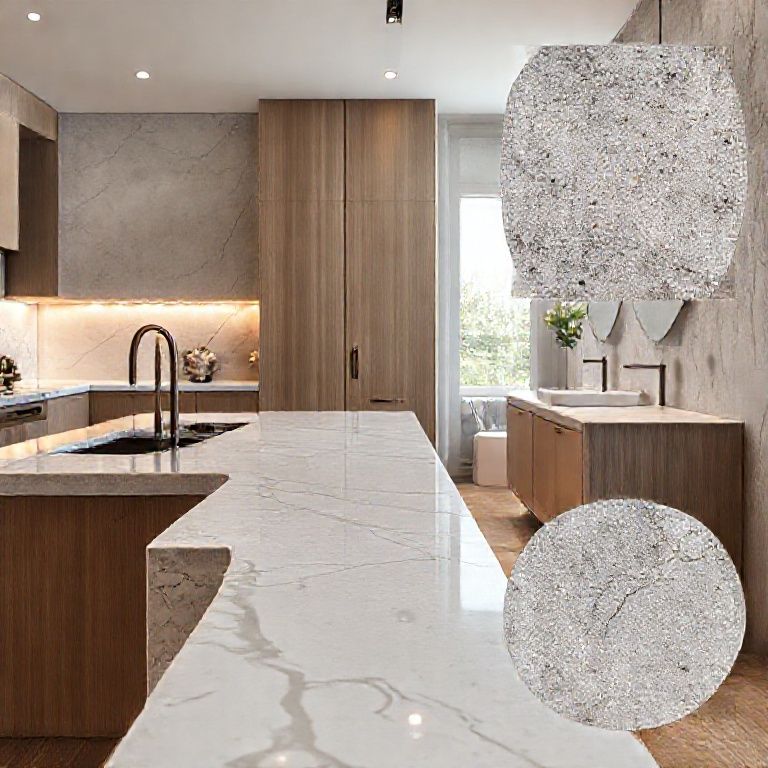
Design Versatility: The thickness of the countertop can influence design flexibility. For instance, thicker countertops can support intricate carvings, detailed patterns, and unique shapes without compromising structural integrity.
Weight Considerations: While thickness adds to the durability and design flexibility, it also affects the weight of the countertop. Heavier countertops may require stronger cabinetry and more robust installation methods to prevent sagging or damage over time.
Choosing the Right Thickness
When selecting the ideal thickness for an artificial stone countertop, several factors must be taken into account:
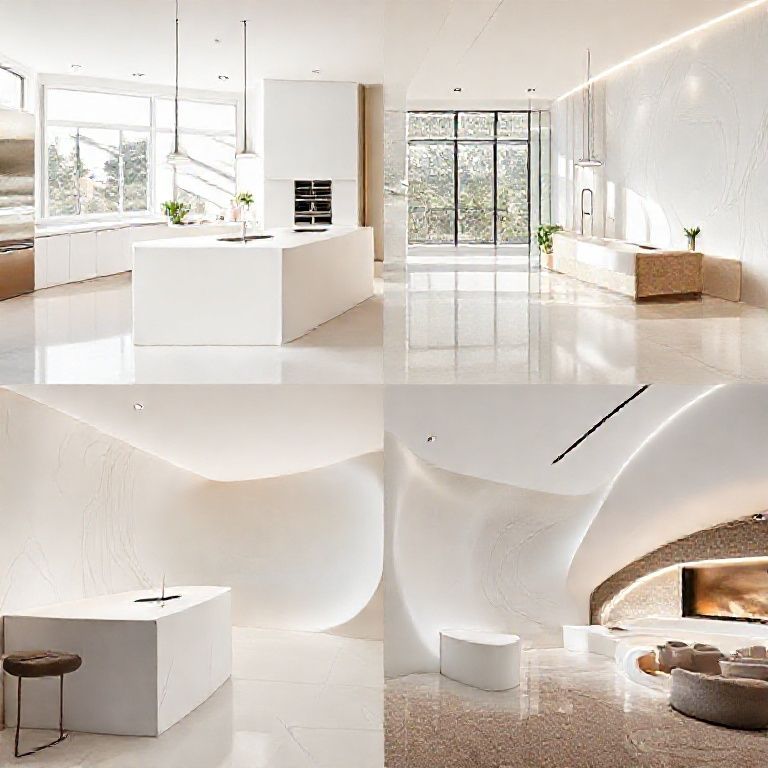
Usage Area: The primary consideration is the intended usage area. Kitchens and dining areas often benefit from thicker countertops due to higher levels of daily activity. Bathrooms and other low-traffic areas may use thinner options.
Installation Method: The installation method also impacts the choice of thickness. For example, floating installations might require different thicknesses compared to traditional fixed installations.
Weight Distribution: Heavier countertops require careful consideration of weight distribution to ensure structural integrity and prevent damage to the underlying cabinetry.
Budget Considerations: While thicker countertops generally offer better durability, they can also be more expensive. It’s essential to balance cost with the benefits of increased thickness.
Conclusion:
In summary, the thickness of an artificial stone countertop is a crucial factor that impacts both its durability and aesthetic appeal. A thicker countertop provides greater resistance to impacts and heat, ensuring a longer-lasting and more resilient surface. Additionally, it allows for a more refined finish and greater design flexibility, catering to a wide range of aesthetic preferences. When choosing the right thickness for your artificial stone countertop, consider the usage area, installation method, weight distribution, and budget to make an informed decision that best suits your needs.
Practical Tips for Installing and Maintaining Artificial Stone Countertops
Once you’ve determined the ideal thickness for your artificial stone countertop, the next steps involve installation and maintenance to ensure it serves you well for years to come. This article provides practical tips for installing and maintaining artificial stone countertops, focusing on best practices to enhance their longevity and appearance.
Installation Best Practices
Proper installation is key to the longevity and performance of artificial stone countertops. Here are some essential tips to ensure a successful installation:
Surface Preparation: Before installing the artificial stone countertop, ensure the surface beneath it is clean, level, and free of any debris. This includes cabinets, walls, and any other surfaces the countertop will contact.
Adhesive Selection: Use a high-quality adhesive specifically designed for artificial stone countertops. The right adhesive ensures strong bonding and durability, especially important for thicker countertops.
Installation Method: The installation method can vary depending on the thickness and design of the countertop. For thicker countertops, consider using a traditional fixed installation to provide better support. For thinner options, a floating installation might be suitable but requires careful consideration of weight distribution.
Cutting and Shaping: Precise cutting and shaping are vital for a seamless installation. Use a high-quality tile cutter and follow the manufacturer’s guidelines for cutting the countertop to fit your space perfectly.
Sealing: After installation, seal the edges and surfaces of the countertop to prevent stains and moisture penetration. This is particularly important for countertops in high-moisture areas like bathrooms.
Maintenance Tips for Longevity
Proper maintenance is essential to keep your artificial stone countertop looking and performing its best. Here are some practical tips to ensure its longevity:
Daily Cleaning: Clean the countertop daily with a mild soap and water solution. Avoid using abrasive cleaners or scrubbers that can scratch the surface. For tougher stains, use a specialized stone cleaner recommended by the manufacturer.
Heat Protection: Protect the countertop from direct heat sources by using trivets or heat-resistant pads when placing hot pots or pans. This helps prevent thermal damage and maintains the appearance of the countertop.
Avoiding Sharp Objects: To prevent scratches and chips, avoid placing sharp objects directly on the countertop. Use cutting boards or other protective surfaces when preparing food.
Regular Inspection: Regularly inspect the countertop for any signs of wear, cracks, or damage. Address any issues promptly to prevent further damage and maintain the integrity of the countertop.
Sealing: Re-seal the countertop periodically, especially if it’s in a high-moisture area like a bathroom. Regular sealing helps protect against stains and moisture, extending the lifespan of the countertop.
Design and Aesthetic Considerations
Artificial stone countertops offer a wide range of design possibilities. The right thickness can enhance the aesthetic appeal, allowing for intricate designs and unique finishes.
Custom Designs: The thickness of the countertop can support custom designs, including intricate carvings, detailed patterns, and unique shapes. Consult with a professional designer to explore the best design options for your space.
Color and Finish: Artificial stone is available in various colors and finishes. The thickness can affect how the color and finish are applied, ensuring a smooth and even surface. Work with a skilled installer to achieve the desired look.
Complementary Fixtures: Ensure that the thickness of the countertop complements the other fixtures in your kitchen or bathroom. For example, taller cabinet doors might require a thicker countertop to maintain a cohesive look.
Conclusion:
In conclusion, the thickness of an artificial stone countertop plays a significant role in its durability, functionality, and aesthetic appeal. Proper installation and maintenance are essential to ensure that your countertop performs optimally and looks great for years to come. By following best practices for installation and maintenance, you can enjoy a beautiful, long-lasting artificial stone countertop that enhances your home’s design and functionality. Whether you choose a thicker countertop for high-traffic areas or a thinner option for low-traffic spaces, careful consideration of thickness will help you make the best choice for your needs.