The Importance of Thickness in Artificial Stone Countertops
The Ideal Thickness for Artificial Stone Countertops: Ensuring Durability and Aesthetic Appeal
Artificial stone countertops have become a popular choice for modern kitchens and bathrooms due to their durability, aesthetic versatility, and low maintenance. One crucial aspect of selecting the perfect artificial stone countertop is understanding the importance of its thickness. The thickness of the countertop plays a pivotal role in determining its durability, design flexibility, and overall functionality.

Durability and Strength
When it comes to the longevity of your countertop, thickness is a critical factor. A thicker artificial stone countertop will generally be more durable than a thinner one. This is because a thicker piece offers greater resistance to impact, scratches, and wear. When considering thickness, it’s essential to strike a balance between weight and durability. Most manufacturers recommend a minimum thickness of 1.5 to 2 inches for artificial stone countertops. This range ensures that the countertop can withstand everyday use without cracking or chipping, providing a long-lasting solution for your space.
Design Flexibility
Another key advantage of thicker artificial stone countertops is the enhanced design flexibility they offer. With a thicker slab, designers have more options for intricate designs and patterns. Whether it’s a seamless one-piece countertop or a multi-piece design with unique shapes and edges, the extra thickness allows for more creative freedom. This flexibility can help you achieve the exact look you desire, whether you prefer a sleek, modern aesthetic or a more traditional, ornate design.
Weight Considerations
While a thicker countertop provides more durability and design options, it also means that the slab will be heavier. This is an important consideration during installation, as a thicker piece may require more robust support structures. It’s essential to plan for adequate support to prevent any issues with stability. Typically, countertops that are 2 inches thick will require additional reinforcement, especially if they span a considerable distance.
Installation and Maintenance
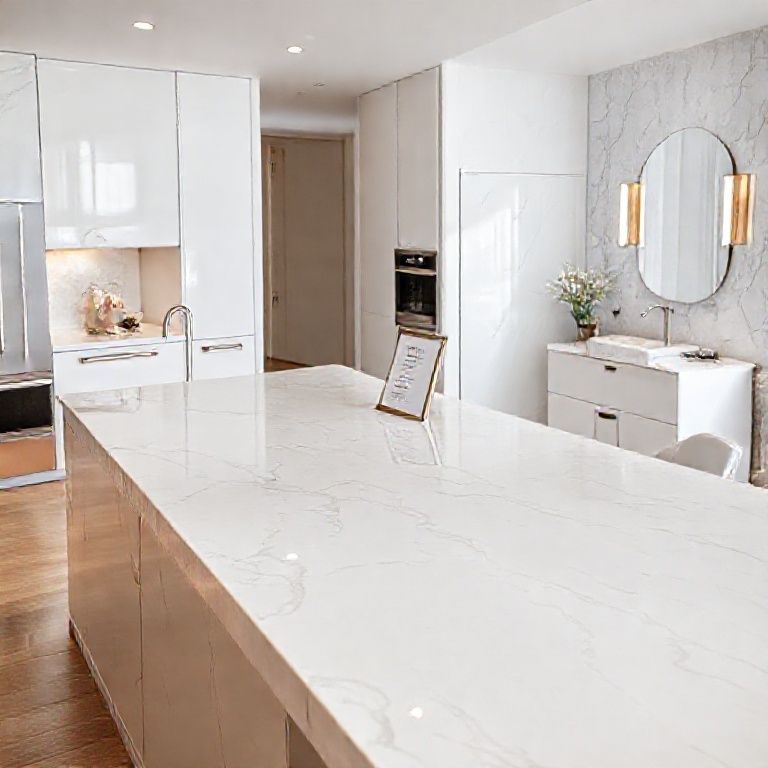
The thickness of the countertop also impacts the installation process. Thicker slabs may require specialized equipment for cutting and fitting, and professional installation is often recommended to ensure a flawless finish. Additionally, thicker countertops may take longer to cure and set, which can affect the overall project timeline.
In terms of maintenance, artificial stone countertops are known for their low-maintenance properties. Regardless of thickness, these countertops are highly resistant to stains, bacteria, and scratches. However, a thicker slab may offer slightly better protection against deep scratches and impacts, ensuring that your countertop remains pristine for years to come.
Cost Factors
Finally, the thickness of the countertop can influence its cost. Generally, thicker artificial stone slabs will be more expensive due to the increased material requirements. However, the enhanced durability and design flexibility often justify the higher cost. It’s important to weigh the long-term benefits against the upfront investment to determine the best option for your budget and needs.
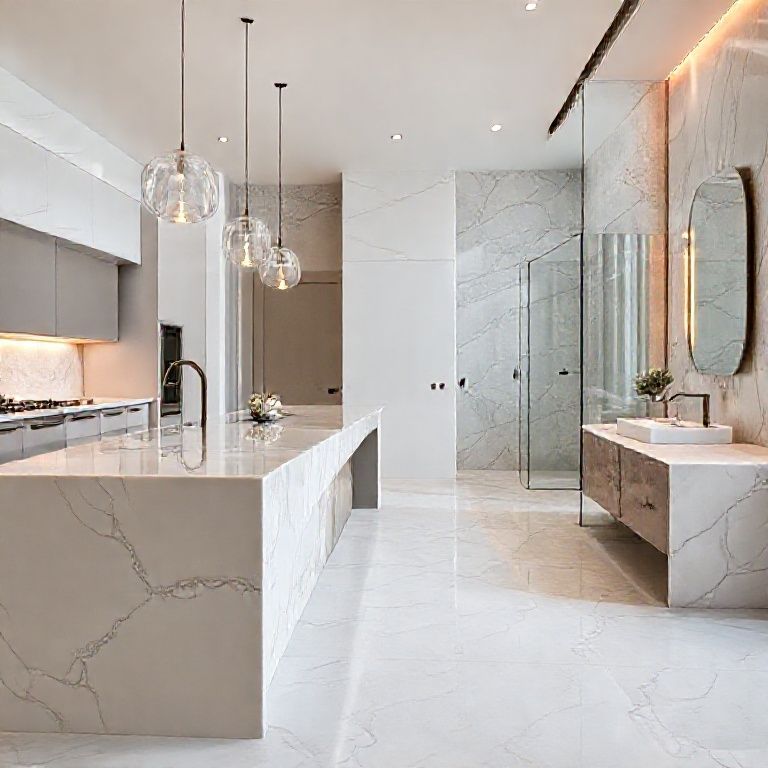
In conclusion, the ideal thickness for artificial stone countertops is a critical consideration that impacts durability, design, installation, and cost. By understanding these factors, you can make an informed decision that will provide a beautiful, functional, and long-lasting countertop for your kitchen or bathroom.
Functional Benefits and Innovations in Artificial Stone Countertop Thickness
Enhancing Functionality and Aesthetic Appeal: The Ideal Thickness for Artificial Stone Countertops
Artificial stone countertops continue to revolutionize the way we design and use our kitchen and bathroom spaces. While the aesthetic appeal and durability are significant factors in selecting these countertops, understanding the functional benefits and innovations in thickness can further enhance their suitability for your needs.
Functional Benefits
Enhanced Load-Bearing Capacity
One of the primary functional benefits of thicker artificial stone countertops is their enhanced load-bearing capacity. A thicker slab can support heavier objects and withstand more frequent use without showing signs of wear or damage. This is particularly beneficial in high-traffic areas like kitchens, where countertops are constantly used for cooking, food preparation, and dining.
Improved Thermal Resistance
Thicker countertops also offer improved thermal resistance. Artificial stone is known for its heat resistance, but a thicker slab can better withstand sudden temperature changes and prolonged heat exposure. This makes it an excellent choice for countertops that will be in constant contact with hot pots, pans, and cooking utensils, ensuring they maintain their structural integrity and appearance.
Better Acoustic Properties
Another functional benefit of thicker artificial stone countertops is their superior acoustic properties. The extra thickness helps to absorb sound, making your kitchen or bathroom quieter and more peaceful. This can be particularly advantageous in open-plan living spaces where sound from the kitchen or bathroom can travel to other areas of the home.
Innovations in Countertop Technology
Advanced Manufacturing Techniques
Advancements in manufacturing technology have made it possible to produce thicker artificial stone countertops with consistent quality and precision. Modern techniques allow for the creation of seamless, one-piece slabs that offer both aesthetic appeal and functional benefits. These innovations ensure that the thickness does not compromise the overall quality or appearance of the countertop.
Eco-Friendly Materials
Innovative materials used in artificial stone countertops are not only functional but also environmentally friendly. Many manufacturers are now using recycled and sustainable materials to create these countertops, reducing the environmental impact. Thicker slabs often use these advanced materials to achieve superior durability without compromising on eco-friendliness.
Customization Options
The latest innovations in countertop technology have also opened up new possibilities for customization. Thicker artificial stone slabs can be designed with a variety of colors, textures, and patterns to match any decor style. This flexibility allows for more personalized and unique designs, giving you the freedom to create a countertop that perfectly reflects your taste and vision.
Environmental Impact
Reduced Waste
Thicker artificial stone countertops can help reduce waste in several ways. First, they are more durable and require less frequent replacement, which means fewer materials need to be disposed of over time. Additionally, the use of advanced manufacturing techniques often results in less waste during the production process. By choosing a thicker, high-quality countertop, you are contributing to a more sustainable and eco-friendly renovation.
Lower Carbon Footprint
The production of artificial stone countertops typically has a lower carbon footprint compared to other materials like granite or marble. Innovations in manufacturing have further reduced the environmental impact, making thicker slabs a more sustainable choice. By opting for thicker artificial stone, you are supporting a material that is not only durable and functional but also kind to the planet.
Aesthetic Appeal
Seamless and Elegant Designs
One of the most significant aesthetic advantages of thicker artificial stone countertops is the ability to create seamless, one-piece designs. These countertops can be crafted to fit seamlessly into any space, offering a clean, elegant look that enhances the overall beauty of your kitchen or bathroom. The thicker slabs can also accommodate intricate designs and patterns, allowing for more creative and personalized designs.
Versatile Color and Texture Options
The aesthetic appeal of artificial stone countertops is further enhanced by the wide range of color and texture options available. Thicker slabs can be designed to mimic various natural stones, woods, and even metals, providing versatility and flexibility in design. This allows you to choose a countertop that matches your existing decor or creates a striking focal point in your space.
Long-Lasting Beauty
Artificial stone countertops are known for their long-lasting beauty. Thicker slabs are particularly resistant to stains, scratches, and bacterial growth, ensuring that your countertop remains beautiful and hygienic for years to come. The durability and resistance of thicker countertops make them an ideal choice for those who want a countertop that looks great now and for years to come.
In conclusion, the ideal thickness for artificial stone countertops offers numerous functional benefits and cutting-edge innovations. From enhanced load-bearing capacity and improved thermal resistance to advanced manufacturing techniques and eco-friendly materials, thicker countertops provide a perfect blend of durability, functionality, and aesthetic appeal. By choosing the right thickness, you can ensure that your kitchen or bathroom countertop is not only beautiful but also highly functional and sustainable.