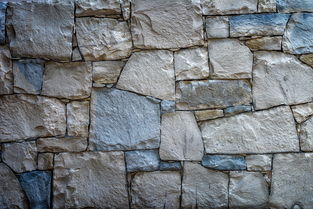
The Ideal Thickness for Kitchen Countertops Made from Stone
When it comes to kitchen design and remodeling, the choice of countertop material plays a pivotal role in both aesthetics and functionality. Among the myriad of options available, stone countertops stand out for their timeless beauty, durability, and natural texture. However, the decision about the thickness of kitchen stone countertops is crucial for achieving an ideal balance between style and practicality. This article delves into the ideal thickness for kitchen stone countertops, providing you with comprehensive insights to make an informed decision.

Understanding Stone Countertop Thickness
The thickness of a kitchen stone countertop is a critical factor that affects its durability, appearance, and ease of installation. Stone countertops typically come in various thicknesses, ranging from 1 inch to 3 inches, with 2 inches being the most common. Understanding these variations can help you choose the right thickness for your kitchen.
1 Inch Stone Countertops
While 1-inch stone countertops are available, they are less common due to their relatively lower weight and shorter lifespan compared to thicker options. Here are some considerations for 1-inch stone countertops:
Weight: Thinner countertops are lighter, making them easier to handle during installation but can be less stable on certain surfaces. Durability: While still durable, 1-inch stone countertops may not withstand as much wear and tear as thicker options. Cost: Generally, thinner countertops may be more affordable but could require additional reinforcement for longevity.
2 Inch Stone Countertops
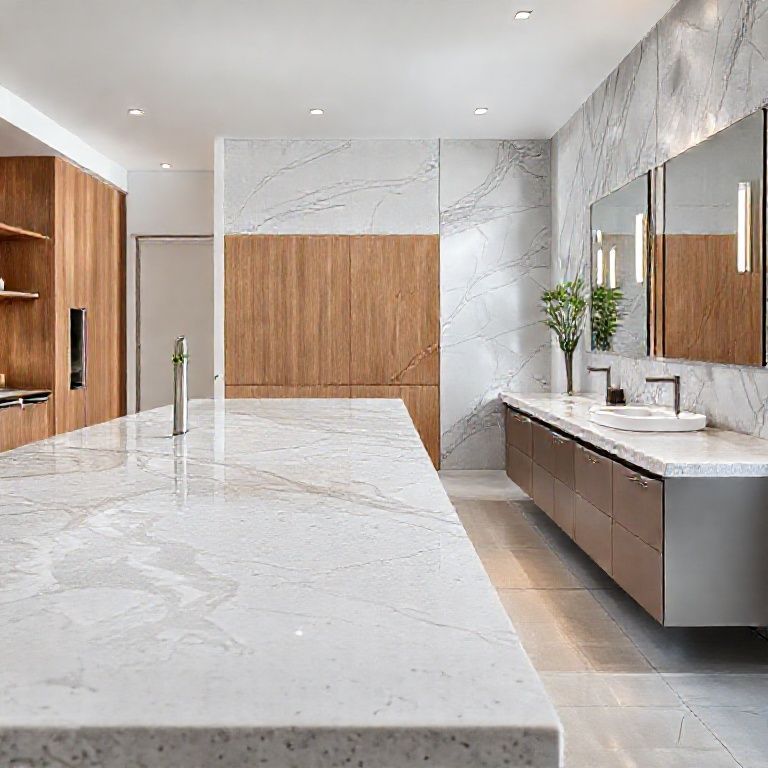
Two-inch stone countertops are the most popular choice for several reasons:
Durability: Two-inch stone countertops offer excellent durability and resistance to scratches, chips, and impacts. This thickness ensures a longer lifespan and maintains a smooth surface over time. Weight: The weight of 2-inch stone countertops is manageable yet provides stability, making them suitable for most kitchen setups. Aesthetic Appeal: This thickness allows for intricate carvings, patterns, and designs, enhancing the visual appeal of the countertop.
3 Inch Stone Countertops
Three-inch stone countertops are thicker and heavier, offering superior durability and an impressive appearance:
Durability: Three-inch stone countertops are extremely durable and resistant to significant wear and tear, making them ideal for high-traffic areas. Weight: The increased weight of 3-inch countertops necessitates careful installation to ensure stability and prevent damage to the underlying structure. Aesthetic Appeal: The thickness allows for elaborate designs and a luxurious, grand appearance, perfect for larger kitchens or those seeking a dramatic statement.
Factors to Consider When Choosing Thickness
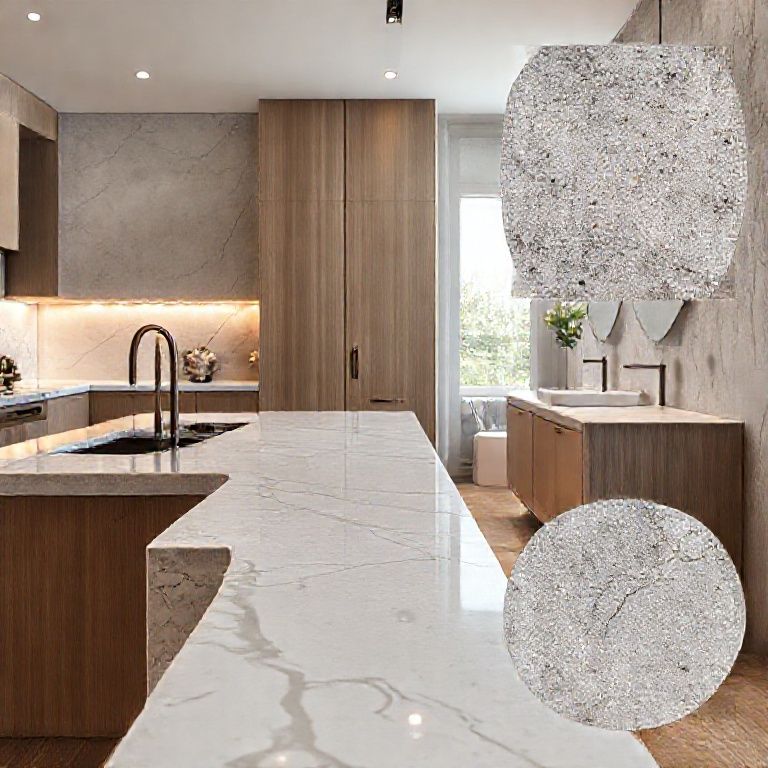
When deciding on the ideal thickness for your kitchen stone countertop, several factors come into play:
1. Kitchen Layout and Design
The layout and design of your kitchen influence the choice of countertop thickness. For open-plan kitchens with ample space, thicker countertops may provide a more substantial and dramatic look. Conversely, smaller kitchens might benefit from thinner, more lightweight options to avoid overwhelming the space.
2. Weight and Installation
Thicker countertops are heavier and require professional installation to ensure stability and prevent damage. Consider your kitchen’s structural integrity and whether you’re comfortable with the installation process. Thinner countertops may be easier to install but could compromise on durability.
3. Daily Usage and Wear
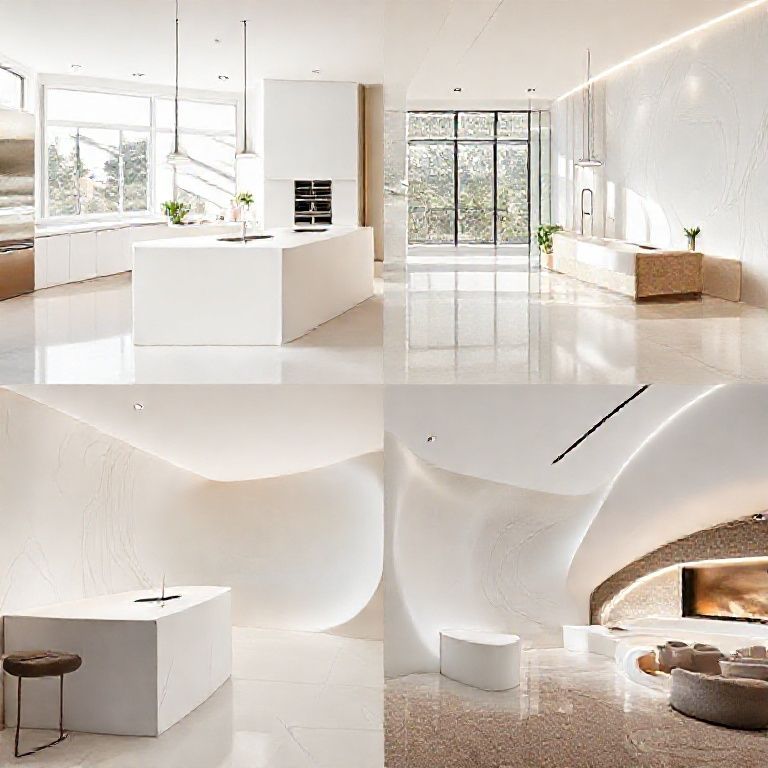
High-traffic areas in your kitchen will benefit from thicker, more durable countertops. If your kitchen sees frequent use for cooking, chopping, and other activities, a 2-inch or 3-inch stone countertop will provide the necessary resilience.
4. Budget
The thickness of a stone countertop often correlates with cost. Thicker countertops, while more expensive, offer superior durability and a more luxurious finish. Balance your budget with your desire for longevity and aesthetics.
Benefits of Optimal Thickness
Choosing the right thickness for your kitchen stone countertop offers numerous benefits:
1. Enhanced Durability
The right thickness ensures that your stone countertop can withstand daily wear and tear, maintaining its appearance and functionality over the years. Thicker stone countertops are less prone to scratches, chips, and impacts, ensuring a longer-lasting finish.
2. Improved Stability
Optimal thickness provides stability, reducing the risk of cracking or breaking. Thicker countertops distribute weight more evenly, preventing stress on the underlying structure and ensuring a smooth, stable surface.
3. Aesthetic Appeal
The ideal thickness allows for intricate designs and carvings, enhancing the visual appeal of your kitchen. Whether you prefer a sleek, minimalist look or an elaborate, ornate design, the right thickness can help you achieve your desired aesthetic.
4. Easy Maintenance
Stone countertops, regardless of thickness, are generally low-maintenance. Their natural, non-porous surfaces resist staining and are easy to clean. Thicker stone countertops offer additional protection against daily spills and accidents.
Conclusion
Choosing the ideal thickness for your kitchen stone countertop is essential for achieving a perfect balance between durability, aesthetics, and functionality. While 1-inch countertops are lightweight and affordable, 2-inch and 3-inch options provide superior durability and a more substantial appearance. Consider your kitchen’s layout, daily usage, and budget to make an informed decision. Ultimately, the right thickness ensures a beautiful, long-lasting, and low-maintenance kitchen countertop that enhances your culinary space.
The Ideal Thickness for Kitchen Countertops Made from Stone
In the second part of this comprehensive guide, we will further explore the ideal thickness for kitchen stone countertops, addressing specific use cases, maintenance tips, and installation considerations. We will also delve into the benefits of different thicknesses in various kitchen environments, ensuring you have all the information needed to make an informed choice for your kitchen renovation or remodeling project.
Specific Use Cases and Ideal Thickness
Different kitchen environments and activities may require different countertop thicknesses to meet specific needs and preferences.
1. Commercial Kitchens
Commercial kitchens experience high levels of traffic and intense use, making durability a top priority. For such environments, a 3-inch stone countertop is often the best choice. Its superior thickness provides the necessary resilience to withstand constant use, spills, and impacts. The added durability ensures minimal maintenance and long-term cost savings.
2. Family Kitchens
For family kitchens, a 2-inch stone countertop strikes an excellent balance between durability and ease of installation. It offers enough strength to handle daily cooking, food preparation, and other activities without compromising on aesthetics. The 2-inch thickness is also more manageable during installation, making it a practical choice for most homeowners.
3. Small Kitchens
Small kitchens benefit from thinner countertops to maintain a light and airy feel. A 1-inch stone countertop can be a good option, provided it is reinforced properly to ensure stability and durability. While lighter, it can still offer a beautiful and functional surface when designed with care.
Maintenance Tips for Different Thicknesses
Regardless of the thickness, stone countertops require proper maintenance to maintain their beauty and functionality.
1. Regular Cleaning
Use a gentle stone countertop cleaner or a mixture of water and vinegar to clean your countertop regularly. Avoid using abrasive cleaners or sponges that can scratch the surface. For thicker countertops, the natural resistance to stains makes maintenance easier, but regular cleaning is still essential to prevent buildup.
2. Sealing
While stone countertops are naturally resistant to stains, sealing them periodically can enhance their durability and protect against spills and scratches. Follow the manufacturer’s instructions for the best results. Thicker countertops may require less frequent sealing due to their inherent durability.
3. Immediate Spill Management
Immediately clean up spills to prevent stains and damage. Thicker countertops are more forgiving, but it’s still crucial to address spills promptly to maintain their pristine appearance.
Installation Considerations
Proper installation is key to ensuring the longevity and stability of your kitchen stone countertop, regardless of its thickness.
1. Professional Installation
Thicker countertops, especially those over 2 inches, require professional installation to ensure stability and prevent damage. Professionals have the expertise to handle the weight and ensure proper adhesion to the underlying structure.
2. Reinforcement
For thinner countertops, consider using reinforcement techniques such as attaching a backer board or a steel plate underneath. This provides additional support and stability, especially in high-traffic areas.
3. Proper Adhesion
Ensure that the countertop is properly adhered to the underlying structure. For thicker countertops, this may involve using specialized adhesives and techniques to prevent movement and ensure a secure fit.
Benefits of Different Thicknesses in Various Kitchen Environments
1. Durability
Thicker countertops, such as 3-inch stone, offer superior durability and resistance to wear and tear, making them ideal for commercial kitchens and high-traffic areas. Their resilience ensures minimal maintenance and long-term cost savings.
2. Aesthetic Appeal
The right thickness allows for intricate designs and carvings, enhancing the visual appeal of your kitchen. Whether you prefer a sleek, minimalist look or an elaborate, ornate design, the ideal thickness can help you achieve your desired aesthetic.
3. Weight Management
Thinner countertops, like 1-inch stone, are lighter and easier to handle during installation. However, they may require additional reinforcement to ensure stability and durability. This makes themsuitable for smaller kitchens or areas where weight and ease of installation are prioritized.
4. Maintenance Ease
Thicker countertops, particularly those over 2 inches, often have a more substantial and even surface that is easier to clean and maintain. Their natural resistance to stains makes them low-maintenance, although regular cleaning and periodic sealing are still recommended.
Conclusion
Choosing the right thickness for your kitchen stone countertop involves considering various factors such as kitchen layout, daily usage, weight, installation, and budget. Each thickness option—1-inch, 2-inch, and 3-inch—offers unique benefits that cater to different needs and preferences.
1-inch stone countertops provide a lightweight, affordable option that can be ideal for smaller kitchens or areas where minimal wear and tear is expected. However, they may require additional reinforcement and careful installation to ensure stability and durability.
2-inch stone countertops are the most popular choice, offering a perfect balance between durability, weight, and aesthetic appeal. They are suitable for most family kitchens, providing sufficient strength to handle daily activities while maintaining a beautiful and functional surface.
3-inch stone countertops are perfect for commercial kitchens and high-traffic areas, offering superior durability and resistance to wear and tear. Their substantial thickness ensures long-lasting performance and minimal maintenance, making them a wise investment for demanding environments.
Regardless of the thickness you choose, proper installation and regular maintenance are key to ensuring your kitchen stone countertop remains beautiful, functional, and durable for years to come. By considering the specific needs of your kitchen and the benefits of different thicknesses, you can make an informed decision that enhances your culinary space and meets your lifestyle requirements.
When embarking on a kitchen renovation or remodeling project, take the time to evaluate your needs, consult with professionals, and explore the various options available. The right thickness for your kitchen stone countertop will not only elevate the aesthetics of your kitchen but also provide a functional and resilient surface that stands the test of time.