The Ideal Thickness for Kitchen Stone Countertops: A Comprehensive Guide
When it comes to kitchen renovations, one of the most important decisions you will make is selecting the right material for your countertops. Stone countertops have gained immense popularity due to their durability, natural beauty, and low maintenance requirements. However, one crucial aspect often overlooked is the thickness of the stone countertop. The thickness of kitchen stone countertops is not merely a matter of aesthetics; it directly impacts the functionality, durability, and overall performance of the countertop. In this guide, we will explore the ideal thickness for kitchen stone countertops, ensuring you make an informed decision for your kitchen renovation.

Understanding Countertop Thickness
The thickness of a countertop is measured in millimeters (mm) and is a critical factor in determining the longevity and performance of the stone surface. Typically, kitchen stone countertops range from 20mm to 30mm in thickness. Here’s a detailed breakdown to help you understand the importance of countertop thickness:
Durability and Strength The thickness of a countertop significantly affects its durability and strength. Thicker countertops tend to be more resilient and can withstand heavy use and impact better than thinner ones. For instance, a 30mm stone countertop will generally be more resistant to scratches, dents, and wear compared to a 20mm one. This makes it an excellent choice for high-traffic areas where durability is paramount.
Weight Considerations One of the challenges of thicker countertops is their weight. While a thicker stone countertop offers superior durability, it is also heavier, which can impact the structural integrity of your kitchen. It’s essential to consider the weight when selecting a countertop thickness, especially if you are planning to install it over a budget-friendly base like plywood or MDF.
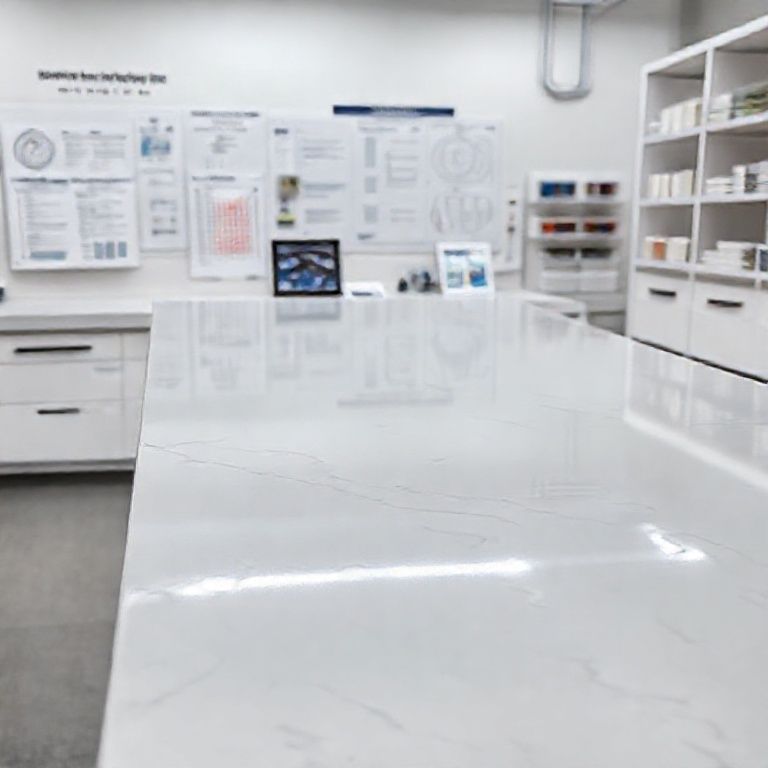
Aesthetic Appeal The thickness of a stone countertop also plays a role in its aesthetic appeal. Thicker countertops provide a more robust and substantial look, which can add a touch of luxury to your kitchen. However, thinner countertops can offer a sleek and modern appearance, which may complement contemporary kitchen designs.
Installation and Compatibility The thickness of your countertop must be compatible with the installation method and the existing cabinetry. Thicker countertops may require special installation techniques and may not fit seamlessly into traditional cabinetry designs. It’s crucial to consult with your contractor to ensure that the chosen thickness will work well with your kitchen layout and design.
Standard Thickness Ranges
In the industry, stone countertops typically come in standard thickness ranges:
20mm: This thickness is suitable for countertops that require a balance between aesthetics and durability. It’s lightweight enough to be manageable during installation but still offers decent resistance to everyday wear and tear.
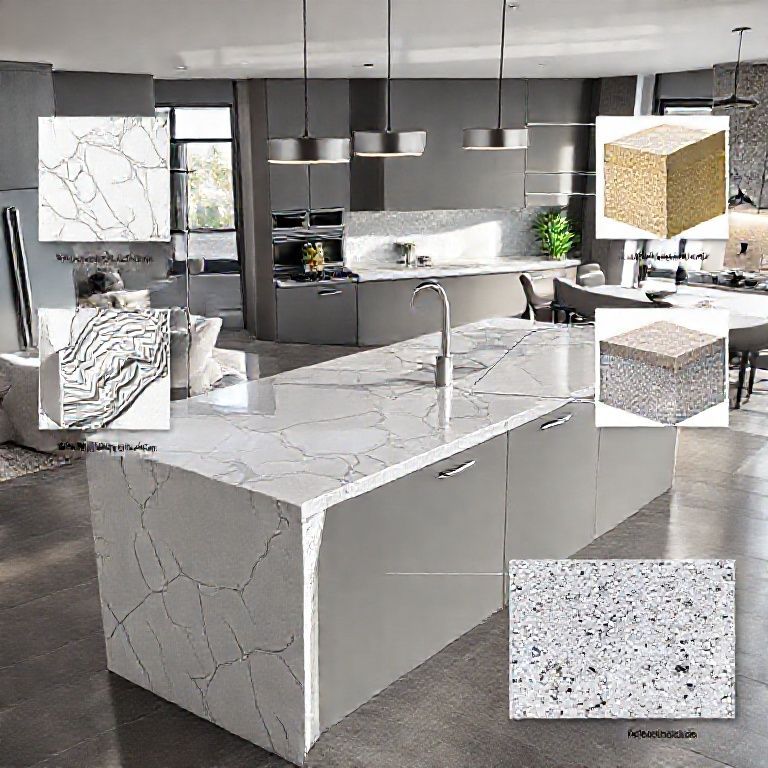
25mm: A popular choice among homeowners, this thickness provides a good balance of strength and weight. It’s versatile and can be used in various kitchen designs, from traditional to modern.
30mm: Ideal for high-traffic areas and kitchens where durability is a top priority. This thickness ensures maximum resilience against scratches, dents, and impacts, making it perfect for families with children or frequent cooks.
Factors Influencing Countertop Thickness
Several factors can influence the thickness of your kitchen stone countertop:
Type of Stone Different types of stone have varying densities and strengths. For instance, granite typically requires a thicker thickness to maintain its integrity, while marble may need a thinner layer due to its softer nature. Understanding the specific requirements of the stone type you choose is crucial in determining the appropriate thickness.
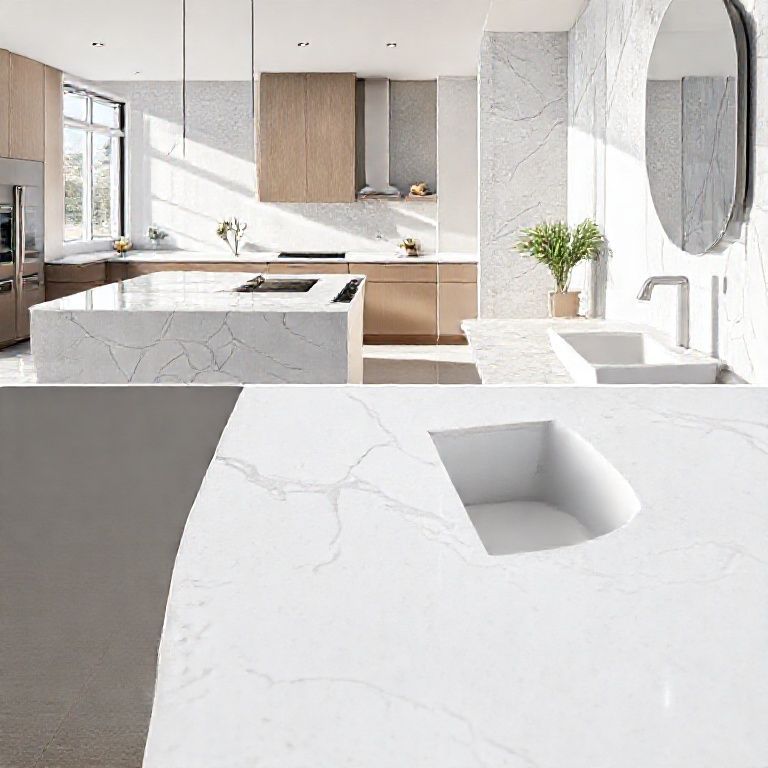
Installation Method The method of installation can also impact the required thickness. For example, if you plan to install the countertop over a solid surface, a thicker stone may be necessary to ensure stability and prevent warping or damage.
Budget Constraints While thicker countertops offer superior durability, they can also be more expensive. Your budget will play a significant role in deciding the thickness of your stone countertop. It’s essential to find a balance between cost and desired durability.
Personal Preference Ultimately, your personal preference will guide the thickness of your kitchen stone countertop. Whether you prioritize aesthetics, durability, or a combination of both, it’s crucial to choose a thickness that aligns with your vision for your kitchen.
Benefits of Optimal Thickness
Selecting the right thickness for your kitchen stone countertop offers numerous benefits:
Enhanced Durability An appropriately thick countertop will provide enhanced durability, protecting your kitchen from everyday wear and tear. This longevity translates to fewer replacements and a more sustainable kitchen design.
Improved Functionality The right thickness ensures that the countertop functions optimally, offering a stable and smooth surface for cooking and other activities. It also allows for proper fitting within your cabinetry and kitchen layout.
Aesthetic Cohesion A well-chosen thickness will complement your kitchen’s overall aesthetic. Whether you prefer a modern, sleek look or a robust, traditional style, the right thickness will enhance the visual appeal of your kitchen.
Reduced Maintenance Thicker stone countertops generally require less maintenance compared to thinner ones. Their durability means fewer repairs and replacements, leading to lower long-term maintenance costs.
Conclusion
Selecting the ideal thickness for your kitchen stone countertop is a crucial decision that impacts durability, functionality, and aesthetics. By understanding the factors influencing countertop thickness and considering your specific needs and preferences, you can make an informed choice that enhances your kitchen renovation project. Whether you opt for a 20mm, 25mm, or 30mm stone countertop, ensuring the right thickness will provide you with a beautiful, durable, and functional kitchen space for years to come.
The Ideal Thickness for Kitchen Stone Countertops: A Comprehensive Guide (Continued)
Advanced Considerations for Kitchen Stone Countertop Thickness
When it comes to kitchen stone countertops, the thickness is not just a matter of preference but also a critical factor in ensuring the long-term success and performance of your kitchen renovation. In this second part of our comprehensive guide, we will delve deeper into advanced considerations for kitchen stone countertop thickness. We’ll explore specific scenarios, expert recommendations, and additional factors to help you make the best choice for your kitchen.
Specific Scenarios and Recommendations
High-Traffic Kitchens For kitchens that see a lot of daily use, such as family kitchens or commercial kitchens, a thicker countertop is often recommended. A 30mm stone countertop would be ideal for these areas, providing maximum durability and resistance to wear and tear. This thickness ensures that the countertop can handle heavy use without showing signs of damage or wear.
Luxury Kitchens If you’re aiming for a high-end, luxurious kitchen, a thicker stone countertop can add a touch of elegance and sophistication. The extra thickness not only enhances durability but also provides a more substantial and refined look. A 30mm countertop is often preferred in luxury kitchens for its premium appearance and resilience.
Modern Kitchens For contemporary and minimalist kitchen designs, a thinner countertop might be more suitable. A 20mm or 25mm stone countertop can provide a sleek and modern aesthetic that complements modern designs without compromising on durability. These thinner options can still offer sufficient strength while maintaining a clean and uncluttered look.
Expert Recommendations
Consult with Professionals Before finalizing the thickness of your kitchen stone countertop, it’s always best to consult with professionals in the field. Experienced stone countertop installers and designers can provide valuable insights based on your specific kitchen layout, design preferences, and usage patterns.
Consider Long-Term Costs While it might be tempting to opt for the thinnest option to save on initial costs, it’s essential to consider the long-term costs associated with maintenance and replacements. A thicker, more durable countertop might have a higher upfront cost but can save you money in the long run by reducing the need for frequent repairs and replacements.
Evaluate the Type of Stone Different types of stone have different thickness requirements. For instance, granite is a dense stone that benefits from a thicker countertop to maintain its structural integrity. On the other hand, marble, being softer, might require a thinner layer to prevent cracking or damage during installation.
Additional Factors Influencing Countertop Thickness
Water Resistance For countertops that are exposed to water frequently, such as those in kitchen islands or sinks, a thicker stone countertop can offer better water resistance. Thicker layers can help prevent water from penetrating deeper into the stone, reducing the risk of staining and damage.
Heat Resistance Stone countertops that are used for cooking or frequently touched by hot pots and pans benefit from a thicker layer. Thicker countertops can better withstand high temperatures, preventing warping and ensuring a smooth, heat-resistant surface.
Installation Techniques The installation technique used can also influence the required thickness of the stone countertop. For example, if you plan to install the countertop over a plywood base, a thicker layer might be necessary to ensure proper fitting and stability.
实际应用中的石材台面厚度选择
家庭厨房 常见厚度:在家庭厨房中,20mm到25mm的石材台面是最常见的选择。这种厚度既能保证耐用性,又不会过于增加重量,便于日常安装和使用。 设计风格:20mm到25mm的厚度适用于各种设计风格,从现代简约到传统经典,都能找到合适的石材台面。
商业厨房 常见厚度:在商业厨房中,30mm的石材台面更为常见。这种厚度能够承受更高的使用频率和更大的厨房流量,提供更长久的耐用性。 专业要求:商业厨房通常有更高的专业要求,对于台面的耐用性和易清洁性要求更高,因此30mm的厚度更能满足这些需求。
特殊用途 岛台和工作台:在厨房岛台和工作台上,通常会选择更厚的石材台面(25mm到30mm)。这种厚度能够提供更好的结构强度,防止弯曲和损坏。 浴室和洗手台:在浴室和洗手台中,较薄的20mm到25mm的石材台面也很常见,这种厚度能够提供足够的耐用性,同时保持轻量化,便于安装和搬运。
安装和维护建议
安装技术 固定方式:无论选择哪种厚度的石材台面,都需要采用正确的固定方式。对于厚度较大的台面,建议使用焊接或螺栓固定,以确保台面的稳定性和安全性。 基底处理:台面底部的处理非常重要,确保基底平整、干燥,并使用适当的密封剂防止水分侵入。 日常维护 清洁方法:使用中性清洁剂清洁石材台面,避免使用强酸强碱的清洁剂,以防止石材表面损坏。
定期用软布擦拭,保持干燥,以防止水渗透和污渍。 护理产品:可以使用专门的石材保养产品,定期涂抹保护层,增强石材的耐用性和光泽度。
环境和美观因素
环境适应性 湿度和温度:石材台面对湿度和温度变化有一定的适应性,但过高的湿度和温度会对石材造成损害。因此,在高湿度环境中,需要更加注意清洁和保养。 光线反射:不同厚度的石材会有不同的光线反射效果。较厚的石材台面通常具有更好的光泽和质感,能够增强空间的美感。
美观搭配 颜色和纹理:石材的颜色和纹理各异,选择厚度时也应考虑与整体装修风格的搭配。例如,深色石材适合现代简约风格,而浅色石材则适合传统或田园风格。 搭配其他材料:石材台面与不同材料的搭配能够创造出多样的视觉效果。例如,与不锈钢、玻璃或者木质橱柜搭配,能够创造出时尚和高端的厨房空间。
总结
石材厨房台面的厚度选择直接影响其耐用性、美观性和使用便捷性。家庭厨房一般选择20mm到25mm的厚度,商业厨房则更偏向于30mm的厚度。无论选择哪种厚度,正确的安装和维护都是确保其长久使用和美观的关键。希望这些信息能够帮助您在选择石材台面时做出更明智的决策。