The Ideal Thickness for Your Synthetic Stone Countertop: Ensuring Durability and Aesthetics
When it comes to selecting a countertop material for your kitchen, bathroom, or any other space, synthetic stone countertops are gaining popularity due to their impressive durability, aesthetic appeal, and cost-effectiveness. One of the crucial factors to consider when choosing synthetic stone is its thickness. The thickness of a synthetic stone countertop plays a pivotal role in determining its strength, appearance, and overall performance. This guide delves into everything you need to know about the ideal thickness for synthetic stone countertops.

Understanding Synthetic Stone Countertops
Synthetic stone, also known as composite stone or quartz, is a blend of minerals, quartz, and resins that mimic the look and feel of natural stone but without the drawbacks. It is known for its resistance to heat, stains, and scratches, making it an excellent choice for high-traffic areas like kitchens and bathrooms. However, the material’s thickness can significantly impact its functionality and durability.
Why Thickness Matters
The thickness of a synthetic stone countertop is essential for several reasons:
Durability: A thicker countertop generally offers greater resistance to impact and scratches. This is especially important in high-traffic areas where the countertop will endure daily use. Aesthetics: The thickness can affect the countertop’s appearance. A thicker piece may look more substantial and robust, while a thinner piece might offer a sleeker, more modern look. Weight: Thicker countertops are heavier, which might require more robust installation methods to ensure stability. Installation: The thickness can influence how the countertop is installed, including the need for additional support structures.
Optimal Thickness for Synthetic Stone Countertops
When determining the ideal thickness for your synthetic stone countertop, several factors come into play:

Usage Area: Different areas of your home or business will have varying requirements. For instance, kitchen countertops often benefit from a thickness of around 1.5 to 2 inches (38 to 50 mm) to handle heavy use and hot pots and pans. Bathroom countertops, which might not see as much heavy use, could be comfortably installed at 1 inch (25 mm) thick.
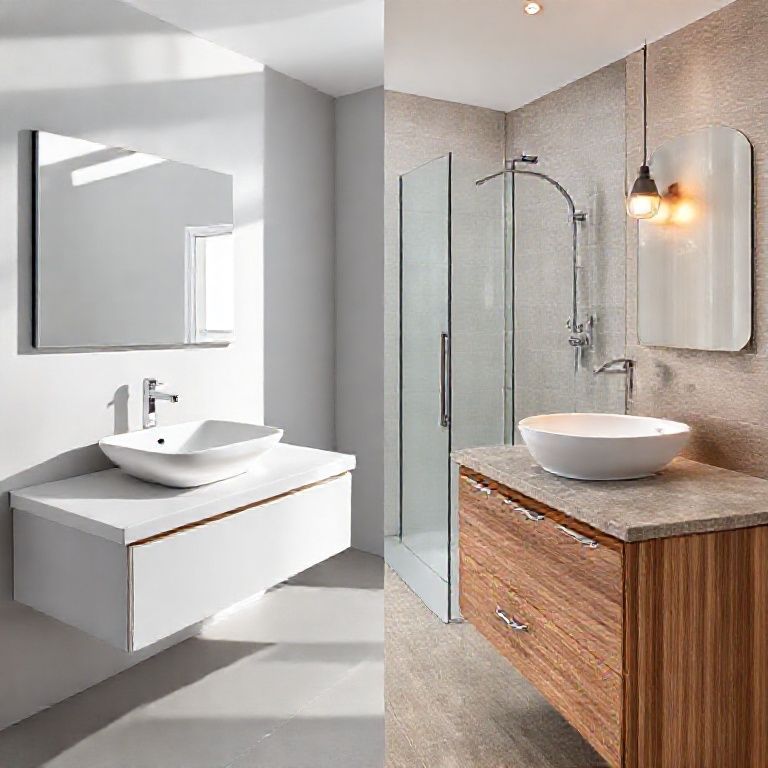
Design Preferences: Your personal taste and the design of your space also play a crucial role. Thinner countertops (1 inch or 25 mm) offer a minimalist, modern look, while thicker ones (1.5 to 2 inches or 38 to 50 mm) provide a more traditional, substantial appearance.
Weight Distribution: Heavier countertops require more consideration for weight distribution and stability during installation. Ensure that the supporting structure can handle the weight of the countertop to avoid any potential issues.
Standard Thickness Options
Most manufacturers offer synthetic stone countertops in standard thicknesses ranging from 1 inch (25 mm) to 2 inches (50 mm). Here’s a breakdown of what you might find:
1 inch (25 mm): Ideal for sleek, modern designs and spaces where weight is a concern. 1.5 inches (38 mm): A versatile option that balances durability and appearance, suitable for both kitchens and bathrooms. 2 inches (50 mm): Provides maximum durability and a substantial look, perfect for high-traffic areas.
Installation Considerations
Proper installation is crucial to ensure the longevity and functionality of your synthetic stone countertop. Here are some key considerations:
Support Structures: Thicker countertops require more substantial support. Ensure that your installation plan includes adequate support structures to hold the weight. Edge Profiles: Consider the edge profile of your countertop. Butt joints, cove edges, or bullnose edges can all influence the appearance and installation process. Adhesives and Fasteners: Use high-quality adhesives and fasteners designed for synthetic stone to ensure a secure installation.
Conclusion
Choosing the right thickness for your synthetic stone countertop is a decision that balances aesthetics, durability, and functionality. By understanding the factors that influence thickness and considering your specific needs and design preferences, you can make an informed choice that enhances both the appearance and performance of your space. Whether you opt for a sleek, minimalist look with a thinner countertop or a robust, traditional appearance with a thicker one, synthetic stone offers a versatile solution that meets a wide range of requirements.
In the next part, we will delve deeper into the benefits of different thicknesses, maintenance tips, and how to choose the right synthetic stone countertop for your specific needs.
The Ideal Thickness for Your Synthetic Stone Countertop: Ensuring Durability and Aesthetics
In the previous section, we explored the importance of thickness in synthetic stone countertops, including factors like durability, aesthetics, and installation considerations. Now, let’s dive deeper into the benefits of different thicknesses, maintenance tips, and how to choose the right synthetic stone countertop for your specific needs.
Benefits of Different Thicknesses
When selecting the thickness for your synthetic stone countertop, it’s important to weigh the benefits that each option offers:
1-Inch (25 mm) Synthetic Stone Countertops Sleek and Modern Look: Thinner countertops offer a sleek, contemporary appearance that fits well with modern and minimalist design aesthetics. Weight Considerations: Lighter weight makes installation easier and may require less robust support structures. Cost-Effective: Generally, thinner countertops are less expensive than their thicker counterparts, making them a cost-effective option for budget-conscious projects. 1.5-Inch (38 mm) Synthetic Stone Countertops Balanced Durability and Aesthetics: This thickness strikes a balance between durability and a substantial look. It’s suitable for areas with moderate to heavy use. Versatility: Ideal for both kitchens and bathrooms, providing a versatile option for various design preferences. Enhanced Stability: Offers better stability compared to thinner options, making it a reliable choice for high-traffic areas. 2-Inch (50 mm) Synthetic Stone Countertops Maximum Durability: Thicker countertops provide the highest level of durability and resistance to impact and scratches. Substantial Appearance: Offers a robust, traditional look that can add a sense of elegance and permanence to your space. Heavy-Duty Use: Perfect for high-traffic areas where durability is paramount, such as commercial kitchens or high-use home kitchens.
Maintenance Tips for Synthetic Stone Countertops
Maintaining your synthetic stone countertop is essential to ensure its longevity and appearance. Here are some key tips:
Regular Cleaning: Use a gentle, pH-neutral cleaner to avoid damaging the surface. Avoid abrasive cleaners and scrubbing pads that can scratch the stone. Immediate Stain Treatment: Address spills and stains immediately to prevent them from setting into the surface. Blot up liquids and use a cleaner to treat any spills. Avoiding Heat Sources: While synthetic stone is heat-resistant, prolonged exposure to high heat can cause discoloration. Use trivets or pot holders to protect the surface from direct heat sources. Sealing: While synthetic stone doesn’t require sealing like natural stone, it’s a good practice to apply a protective coating periodically to enhance its resistance to stains and scratches.
Choosing the Right Synthetic Stone Countertop
Selecting the right synthetic stone countertop involves considering several factors to ensure it meets your specific needs and preferences. Here’s a step-by-step guide to help you make an informed choice:
Determine Usage Area: Identify where the countertop will be installed and how much it will be used. High-traffic areas like kitchens typically require thicker, more durable countertops. Consider Aesthetic Preferences: Think about the design style you want to achieve. Thinner countertops offer a modern, minimalist look, while thicker ones provide a traditional, substantial appearance. Evaluate Budget: Synthetic stone countertops come in various price ranges. Determine your budget and choose a thickness that offers the best balance of cost and quality. Check Manufacturer Specifications: Review the specifications provided by the manufacturer. They will offer insights into the recommended thickness for different applications and usage areas. Consult with Professionals: If you’re unsure about the best choice, consult with a professional installer or a knowledgeable salesperson. They can provide tailored advice based on your specific requirements.
Installation Tips for Optimal Performance
Proper installation is crucial for the longevity and functionality of your synthetic stone countertop. Here are some tips to ensure optimal performance:
选择合适的人工石台面厚度
1. 材料的特性和耐用性
人工石(synthetic stone)的耐用性和美观性使其成为家庭和商业空间的热门选择。人工石的主要成分是石英、树脂和其他天然矿物,经过高温高压熔融和加工而成。这种材料不仅耐用,还具有出色的抗污性、抗撞击性和抗霉性。但为了充分发挥这些优点,选择合适的厚度非常重要。
2. 不同使用场景的厚度建议
厨房台面:厨房台面承受着最大的物理和化学压力,尤其是在烹饪过程中。建议选择1.5至2英寸(38至50毫米)厚的人工石台面,这样的厚度不仅提供了更好的耐用性和稳定性,还能减少日常使用中的损坏风险。
浴室台面:浴室台面主要承受水和化学清洁剂的压力。1至1.5英寸(25至38毫米)厚的人工石台面通常足够。这个厚度既能满足美观需求,又能提供足够的耐用性。
办公室和商业空间:这些空间需要经得起高频率的使用和冲击。同样,建议选择1.5至2英寸(38至50毫米)厚的人工石台面,以确保其耐用性和美观性。
3. 设计与美观
人工石台面的厚度还与其美观性有关。较厚的人工石台面通常会显得更加坚固和高端,适合传统或经典设计风格。而较薄的台面则提供了现代和简约设计的选择,适合小空间和追求简约风格的设计。
4. 安装和结构支持
安装人工石台面时,厚度也直接影响到结构支持。较厚的台面由于其重量更大,需要更稳固的安装和支撑结构。因此,在选择台面厚度时,必须考虑到支撑和固定的可行性。
5. 成本与预算
不同厚度的人工石台面价格也会有所不同。较厚的台面通常需要更多的材料和更复杂的加工工艺,因此价格可能会更高。在制定预算时,需要综合考虑台面的耐用性、美观性和成本。
6. 环境和耐候性
在选择人工石台面厚度时,还需要考虑其环境和耐候性。例如,在户外使用的人工石台面,可能需要更厚的材料以应对更大的环境压力和自然元素的影响。在这种情况下,2英寸(50毫米)厚的人工石台面是一个不错的选择。
7. 安装和维护
较厚的人工石台面在安装过程中需要更多的技术和时间,但它们在日常维护中的需求相对较低。因为它们具有天然石材的耐用性和抗污性,不需要频繁的清洁和维护。相比之下,较薄的台面可能需要更多的维护,以确保其外观和功能的持久性。
总结
选择人工石台面的厚度应综合考虑使用场景、美观需求、结构支持、成本和预算等多方面因素。1.5至2英寸(38至50毫米)厚的人工石台面通常是一个平衡点,提供了出色的耐用性和美观性,同时满足大多数家庭和商业空间的需求。无论选择哪种厚度,都应咨询专业人员以确保最佳的安装和使用效果。