The Intricacies and Solutions Behind Why Artificial Stone Countertops Crack
When it comes to kitchen and bathroom renovations, artificial stone countertops have surged in popularity due to their stunning aesthetics, durability, and relatively low maintenance. However, one common concern that arises is the unexpected cracking of these countertops. To understand why this happens, we need to delve into the composition, installation, and maintenance of these materials. Let’s uncover the intricacies behind the phenomenon and explore how you can prevent your artificial stone countertop from cracking.

Composition of Artificial Stone
Artificial stone countertops, often referred to as cultured stone, are a composite material made from a mixture of natural stone powders (like calcite, quartz, and marble), bonding agents, and colors. This combination is processed under high pressure and temperature to form a solid, stone-like surface. While this process results in a product that closely mimics natural stone, it’s important to note that it’s not entirely stone, which makes it susceptible to certain types of damage.
Why Artificial Stone Cracks
Material Stress and Strain Thermal Shock: One of the primary reasons artificial stone cracks is due to thermal shock. This occurs when the material is exposed to sudden temperature changes. For example, pouring a pot of hot water on a cold countertop can cause a rapid expansion and contraction that can lead to cracks. Mechanical Stress: Dropping heavy objects on the countertop can cause immediate cracking due to the impact force. This is more likely if the stone hasn’t been properly sealed or if there are underlying weaknesses in the material. Installation Flaws Improper Adhesion: If the countertop isn’t properly adhered to the underlying structure, it can lead to cracks over time. This is especially problematic if the adhesive used isn’t suitable for the material or if the surface preparation wasn’t meticulous. Edge Support: Artificial stone is brittle and can crack if the edges are not properly supported. Without adequate edge backing, the countertop is more susceptible to bending and breaking under weight. Maintenance Issues Lack of Sealing: Over time, artificial stone can absorb stains and oils from daily use. If it’s not regularly sealed, these substances can penetrate the material, leading to a breakdown of the bonding agents and making the surface more prone to cracking. Improper Cleaning: Using abrasive cleaners or scrubbing too harshly can damage the surface layer of the stone, exposing it to further cracks and scratches.
Prevention and Solutions
Proper Installation Choose a Qualified Professional: Ensure that the installation is done by a qualified professional who understands the material’s properties and installation techniques. They should use the correct adhesive and provide proper edge support. Surface Preparation: The surface where the countertop is to be installed should be clean, level, and free of any debris or grease. This helps in achieving a strong bond between the countertop and the substrate. Sealing and Maintenance Regular Sealing: Depending on the type of artificial stone, it may need to be sealed periodically to maintain its protective barrier against stains and oils. Follow the manufacturer’s instructions for the appropriate type of sealer and resealing schedule. Gentle Cleaning: Use pH-neutral cleaners and soft cloths to clean the surface. Avoid using abrasive pads or harsh chemicals that can damage the surface. Avoiding Thermal Shock Gradual Temperature Changes: To prevent thermal shock, avoid placing extremely hot items on the countertop immediately after they have been heated. Allow them to cool down slightly first. Use Heat Resistant Pads: When placing hot items, use heat-resistant pads to distribute the heat more evenly and reduce the risk of cracking. Weight Management Distribute Weight: Avoid placing heavy items directly on the countertop. Instead, use cabinets or shelves to store heavy objects, thereby reducing the mechanical stress on the stone. Avoid Sharp Objects: Don’t place sharp or heavy objects directly on the countertop, as they can cause immediate cracking.
The Intricacies and Solutions Behind Why Artificial Stone Countertops Crack
Continuing our exploration into the reasons behind artificial stone countertop cracking and the ways to prevent it, we will delve deeper into material composition, specific maintenance strategies, and advanced solutions to ensure your countertops remain in pristine condition for years to come.
Advanced Composition and Manufacturing Techniques
While the basic composition of artificial stone involves natural stone powders and bonding agents, modern manufacturing techniques have significantly improved the durability and resistance of these countertops. However, it’s important to choose high-quality materials and products to ensure longevity.
Advanced Bonding Agents High-Strength Resins: The use of advanced, high-strength resins can significantly improve the structural integrity of artificial stone. These resins provide better resistance to cracking and thermal shock. Fiber Reinforcement: Some manufacturers incorporate fibers into the stone mix to enhance its tensile strength, making it more resistant to cracks from mechanical stress. Quality Control Testing and Inspection: High-quality artificial stone goes through rigorous testing for thermal resistance, mechanical strength, and durability before it’s used in installations. This ensures that the final product can withstand the stresses of everyday use.
Maintenance and Care Strategies
Proper maintenance is key to preventing cracks in artificial stone countertops. Here are some advanced strategies to keep your countertops in top condition.
Regular Cleaning and Sealing pH-Neutral Cleaners: Use pH-neutral cleaners that won’t strip the protective layer of the countertop. Avoid acidic or alkaline cleaners that can damage the surface. Sealing Schedule: Follow the manufacturer’s guidelines for resealing. Depending on the level of use and exposure, countertops may need to be resealed every 6 to 12 months. Always use a sealer recommended for artificial stone. Temperature Control Avoid Sudden Temperature Changes: To prevent thermal shock, it’s crucial to avoid sudden temperature changes. This includes not placing extremely hot items directly on the countertop and allowing hot items to cool down slightly before placing them on the surface. Insulation: If you frequently use the countertop for cooking, consider placing a heat-resistant mat underneath pots and pans to prevent direct contact with the stone. Weight Distribution Distribute Weight Evenly: To avoid mechanical stress, distribute the weight of items across the countertop rather than placing heavy objects directly on it. Use kitchen islands, cabinets, or shelves to store heavy items off the countertop. Avoid Sharp Objects: Keep sharp objects away from the countertop. Use cutting boards or trivets to protect the surface from scratches and potential cracks.
Repairing Cracked Artificial Stone
Despite taking all the precautions, cracks can still occur. Fortunately, repairing artificial stone countertops is relatively straightforward and can restore the beauty and functionality of your surface.
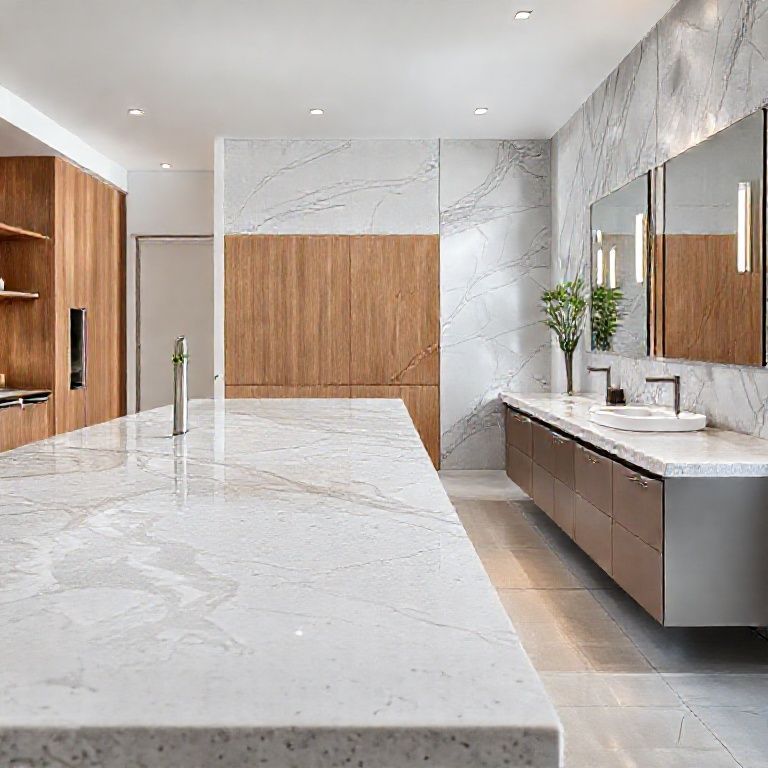
Minor Cracks Epoxy Repair Kits: For small cracks, an epoxy repair kit specifically designed for artificial stone can be used. Follow the instructions carefully to mix and apply the epoxy to fill in the cracks. Color Matching: To ensure the repair matches the color of the countertop, use color-matched epoxy or a stone repair product. Major Cracks Professional Repair Services: For larger cracks, it’s best to consult a professional repair service. They have the expertise and tools to effectively repair or even replace sections of the countertop without compromising its overall integrity. Custom Fabrication: In cases where a large section of the countertop is cracked, custom fabrication might be necessary. This involves cutting out the damaged section and installing a new piece that matches the existing stone.
Conclusion
Understanding why artificial stone countertops crack involves a comprehensive look at material composition, installation techniques, and maintenance practices. By choosing high-quality materials, ensuring proper installation and maintenance, and taking preventative measures against thermal shock and mechanical stress, you can significantly extend the lifespan of your artificial stone countertops. Regular sealing, gentle cleaning, and careful handling will help keep your countertops looking beautiful and functioning well for years to come. While cracks can still occur, knowing how to repair them properly ensures that your countertop remains a stunning focal point in your home.