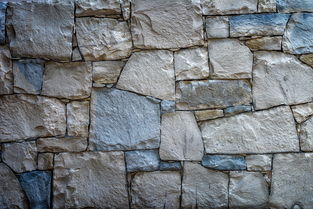
Discover the enchanting world of synthetic stone countertops, a modern marvel that combines durability, beauty, and affordability. In this two-part article, we delve into the intricacies of synthetic stone, from its luxurious appeal to its cost-effectiveness. Whether you’re a homeowner or a designer, this guide will provide you with comprehensive insights into the pricing and value of synthetic stone countertops.

Synthetic stone countertops, countertop pricing, cost of synthetic stone, durable countertops, kitchen countertops, bathroom countertops, modern kitchen design, affordable luxury, kitchen renovation, home improvement, synthetic stone benefits
The Allure and Affordability of Synthetic Stone Countertops
The Intriguing World of Synthetic Stone Countertops: Pricing and Everything You Need to Know
In today’s world, where aesthetics meet functionality, synthetic stone countertops have emerged as a popular choice for both residential and commercial spaces. Known for their stunning appearance and unmatched durability, these countertops have captured the hearts of many. But how much does this modern marvel cost? Let’s explore the fascinating world of synthetic stone countertops and uncover the secrets behind their pricing.
The Beauty of Synthetic Stone Countertops
Synthetic stone, also known as quartz, is a man-made material that combines quartz with resin to create a stone-like appearance. Unlike natural stone, which can vary in color and texture, synthetic stone offers an unparalleled level of uniformity and design flexibility. The result is a countertop that looks like marble, granite, or even onyx but without the price tag.
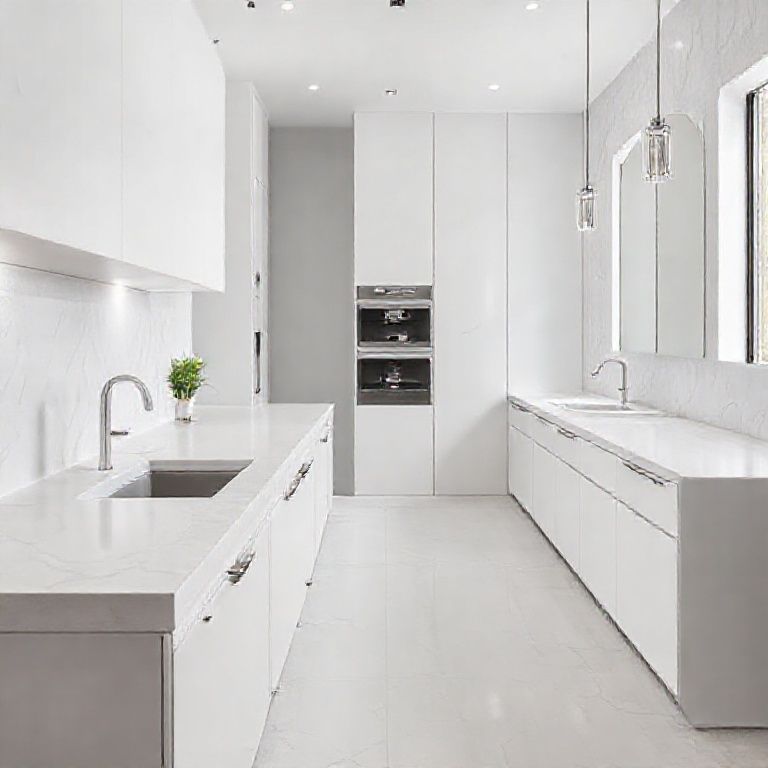
One of the key reasons synthetic stone countertops have gained popularity is their aesthetic versatility. They can mimic the look of numerous natural stones while providing the added benefits of flexibility, durability, and affordability. Whether you’re looking to add a touch of elegance to your kitchen or create a modern, minimalist bathroom, synthetic stone countertops can seamlessly fit into various design styles.
Durability and Maintenance
One of the most compelling features of synthetic stone countertops is their durability. Unlike natural stone, which can be prone to scratches, chips, and stains, synthetic stone is a solid surface that resists scratches, stains, and even heat. This makes it an ideal choice for high-traffic areas such as kitchens and dining rooms.
In terms of maintenance, synthetic stone countertops are a breeze to clean. Unlike natural stone, which may require special sealants to maintain its appearance, synthetic stone surfaces can be wiped clean with a damp cloth and mild soap. This simplicity makes synthetic stone an excellent choice for busy households and commercial spaces where time and effort for cleaning are at a premium.
Pricing Factors
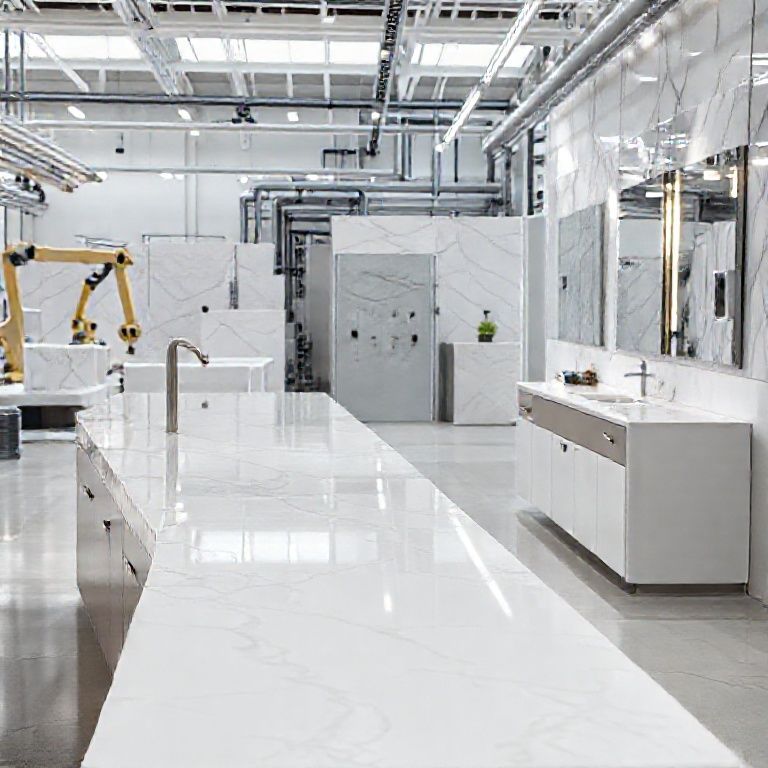
When it comes to the cost of synthetic stone countertops, several factors come into play:
Design and Color: The complexity of the design and color can significantly impact the pricing. Custom designs and unique color combinations will generally cost more than standard options.
Size and Shape: The size and shape of the countertop also influence the cost. Larger, custom-shaped countertops will naturally be more expensive than standard rectangular or square ones.
Installation: Professional installation can add to the overall cost. While synthetic stone is relatively easy to install, professional services ensure a flawless finish and can add value to your project.
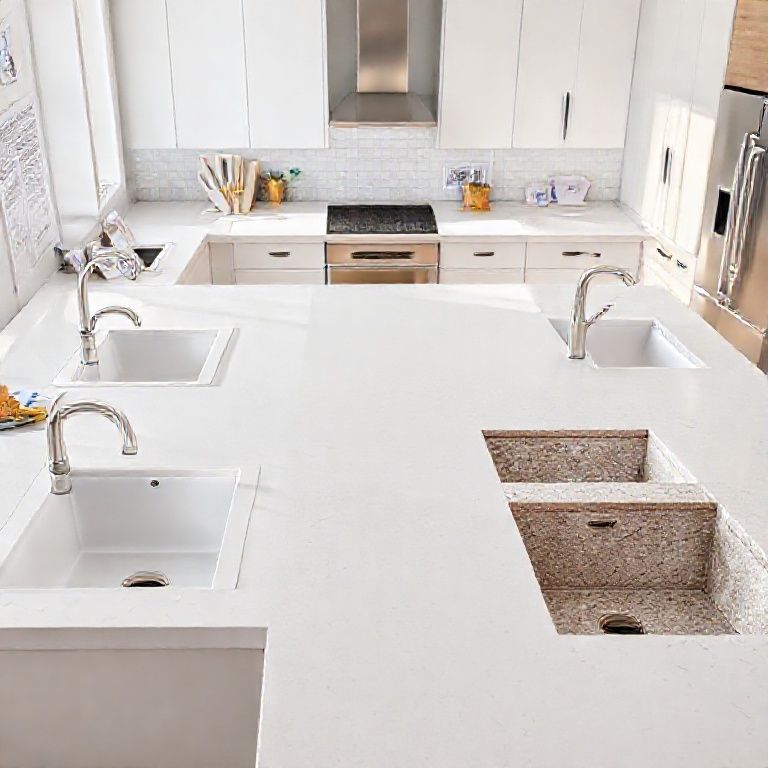
Brand and Quality: Different brands offer varying levels of quality, durability, and design options. High-quality materials and reputable brands may come with a higher price tag but offer superior performance and longevity.
Average Cost per Square Foot
To give you a clearer picture, let’s break down the average cost per square foot of synthetic stone countertops. Typically, the cost ranges from $30 to $70 per square foot. This wide range accounts for the various factors mentioned above, such as design, color, and installation.
For instance, a simple, standard synthetic stone countertop in a popular color like white or gray might cost around $30 to $40 per square foot. On the higher end, custom designs, exotic colors, or intricate patterns can push the cost up to $60 to $70 per square foot.
Conclusion to Part 1
In conclusion, synthetic stone countertops offer a beautiful and practical alternative to natural stone, blending aesthetic appeal with unmatched durability and low maintenance. While the cost varies based on several factors, the average price per square foot provides a solid baseline for understanding the investment involved. In the next part, we will delve deeper into specific case studies, installation tips, and long-term benefits, helping you make an informed decision for your next home improvement project.
Long-Term Benefits and Installation Tips for Synthetic Stone Countertops
The Intriguing World of Synthetic Stone Countertops: Pricing and Everything You Need to Know
In our first part, we explored the allure and affordability of synthetic stone countertops, examining their beauty, durability, and the factors influencing their cost. Now, let’s delve deeper into the long-term benefits and installation tips for synthetic stone countertops, ensuring you make the most out of your investment.
Long-Term Benefits of Synthetic Stone Countertops
Synthetic stone countertops are not just about aesthetics; they offer a range of long-term benefits that make them an excellent choice for homeowners and businesses alike. Here are some of the key advantages:
Durability: As mentioned earlier, synthetic stone is highly resistant to scratches, chips, and stains. This durability means that your countertops will retain their appearance and functionality for many years, reducing the need for frequent repairs or replacements.
Low Maintenance: Cleaning synthetic stone countertops is a breeze. Unlike natural stone, which may require special care and sealing, synthetic stone can be wiped clean with a simple cloth and mild soap. This low maintenance requirement saves time and effort, making it perfect for busy households and commercial kitchens.
Heat Resistance: Synthetic stone countertops are highly resistant to heat, making them ideal for areas where hot pots and pans are common. Unlike natural stone, which can crack under high temperatures, synthetic stone maintains its integrity and appearance.
Water Resistance: Despite their stone-like appearance, synthetic stone countertops are water-resistant. This characteristic makes them an excellent choice for kitchens, bathrooms, and other areas where water exposure is frequent.
Versatility: Synthetic stone countertops come in a wide range of colors, patterns, and textures, allowing you to match or exceed the look of natural stone. This versatility means you can create a custom design that perfectly fits your vision and style.
Case Studies and Real-Life Applications
To further illustrate the benefits of synthetic stone countertops, let’s look at some real-life applications and case studies:
Kitchen Renovation: In a recent kitchen renovation, homeowners opted for synthetic stone countertops to achieve a luxurious marble look at a fraction of the cost. The result was a stunning, high-end kitchen that maintained its beauty and functionality for years without the need for special maintenance.
Commercial Spaces: In commercial settings such as cafes and restaurants, synthetic stone countertops are a popular choice due to their durability and ease of cleaning. These countertops can withstand the rigors of daily use and keep the space looking pristine.
Bathroom Designs: For bathroom countertops, synthetic stone offers a sleek, modern look that is both attractive and practical. The resistance to moisture and stains makes it an ideal choice for areas prone to water exposure.
Installation Tips
Proper installation is crucial to ensure the longevity and appearance of your synthetic stone countertops. Here are some tips to help you or your contractor achieve a flawless installation:
Choose the Right Adhesive: Use a high-quality adhesive designed for stone countertops. This ensures a strong bond between the countertop and the substrate, providing stability and durability.
Prepare the Surface: Clean and prepare the surface where the countertop will be installed. Remove any old adhesive, dust, or debris to ensure a clean, smooth surface for the new countertop.
Cut the Countertop: Use a tile cutter or saw to carefully cut the countertop to fit your space. Make sure the cuts are precise to avoid any gaps or uneven edges.
Apply Adhesive: Apply the adhesive evenly across the substrate using a notched trowel. This helps create a uniform bond and prevents air pockets.
Position the Countertop: Carefully position the countertop on the adhesive, pressing down firmly to ensure a strong bond. Use clamps or weights to hold the countertop in place while the adhesive sets.
Seal the Edges: Once the adhesive has set, seal the edges of the countertop to prevent water and stains from seeping underneath. This step is crucial for maintaining the integrity of the countertop.
Clean Up: After installation, clean the surface with a damp cloth to remove any adhesive residue. Follow the manufacturer’s instructions for cleaning and maintenance to keep your countertop looking its best.
Conclusion to Part 2
In conclusion, synthetic stone countertops offer a blend of beauty, durability, and low maintenance, making them an excellent investment for both residential and commercial spaces. By understanding the long-term benefits and following proper installation tips, you can ensure that your synthetic stone countertops will provide years of stunning, functional, and hassle-free performance. Whether you’re planning a kitchen renovation or a bathroom makeover, synthetic stone countertops are a versatile and cost-effective solution that delivers on both aesthetics and practicality.
With this comprehensive guide, you now have a detailed understanding of synthetic stone countertops, their pricing, and the myriad benefits they offer. Whether you’re considering a small update or a complete overhaul, synthetic stone is a remarkable choice that combines luxury with practicality当然,这是一个广泛且深刻的话题,涵盖了从材料选择到安装和维护的各个方面。
材料选择与质量
材料成分
人造石台面通常由石英(或石英纤维)和树脂混合而成。石英是一种非常坚硬且耐用的天然矿物,而树脂则提供了粘合和保护功能。高质量的人造石台面通常使用食品级石英,这不仅提高了耐热性和耐刮擦性,还使其更加安全和环保。
品牌与制造商
选择一个信誉良好的品牌和制造商至关重要。知名品牌通常提供更高的质量保证,但也可能价格更高。在选择时,可以参考一些在线评论和客户反馈,了解其他人对该品牌的使用体验。
设计与颜色
多样化的设计
人造石台面的设计和颜色选择非常多样。它们可以模仿各种天然石材,如大理石、花岗岩、玄武岩等,也可以设计成现代、简约或复古的风格。有些人造石还可以通过添加不同的颜色和纹理来实现特定的设计效果。
定制化选项
许多制造商提供定制化服务,可以根据客户的需求设计和定制台面。这包括特殊的形状、嵌入式水池和独特的颜色搭配。
安装与维护
安装指南
准备工作:清理安装表面,确保其干净、平整和干燥。 测量与切割:根据表面尺寸测量并切割台面,确保其与表面完美契合。 粘合与固定:使用高质量的石材粘合剂将台面粘贴到表面上,并使用夹具固定。 清理与抛光:等待粘合剂完全固化后,清理台面表面并进行抛光。
日常维护
清洁:每日使用中性清洁剂和温水清洁,避免使用酸性或强碱性清洁剂。 修复:如果出现划痕或污渍,可以使用专门的修复剂进行修复,保持台面的美观和功能性。
环保与安全
环保特性
现代人造石台面通常采用无毒、无挥发性有机化合物(VOC)的材料,这使得它们在室内环境中更加安全和健康。
安全性
由于其高硬度和耐热性,人造石台面能够有效防止热损伤和刮擦损伤,非常适合家庭和厨房使用。
经济性
成本效益
相比于天然石材,人造石台面的成本较低,且其耐用性和易维护性使得其在长期使用中具有更高的经济效益。
未来趋势
新材料与新技术
随着科技的进步,人造石材的制造技术不断革新。未来,我们可能会看到更多高科技材料和新型工艺的应用,使得人造石台面在性能和外观上更加接近甚至超越天然石材。
结论
人造石台面以其多样性、耐用性和经济性成为现代家庭和商业空间中的优选材料。无论你是寻找一个高效的厨房台面,还是一个适合装饰的浴室台面,人造石都能为你提供满意的解决方案。希望这些信息能帮助你更好地了解和选择适合你的人造石台面。