The Longevity and Durability of Artificial Stone Countertops
Artificial stone countertops have become increasingly popular in both residential and commercial settings due to their aesthetic appeal, versatility, and practicality. Unlike traditional stone options like granite or marble, artificial stone is crafted from a mixture of natural stone powder, resins, and pigments. This combination produces a surface that mimics the appearance of natural stone while offering superior durability and low maintenance. In this first part of our series, we will explore the factors that contribute to the longevity and durability of artificial stone countertops.

1. Composition and Quality
The first and foremost factor in determining the lifespan of artificial stone countertops is their composition. High-quality artificial stone countertops are made from a blend of natural stone powder (such as quartz), acrylic resins, and pigments. These materials are meticulously combined and cured under high pressure and temperature, resulting in a stone-like surface that is both durable and resistant to various types of wear and tear.
Top-tier manufacturers focus on achieving the perfect balance between the natural stone powder and resin to produce a countertop that is both aesthetically pleasing and highly durable. The density and homogeneity of the stone mixture play a critical role in the overall strength and resistance of the countertop.
2. Resistance to Scratches and Chips
One of the significant advantages of artificial stone countertops is their remarkable resistance to scratches and chips. Unlike natural stone, which can easily be marred by sharp objects or abrasive cleaning agents, artificial stone provides a smooth, even surface that resists damage. This makes it an excellent choice for high-traffic areas such as kitchens and dining rooms where spills and drops are common.
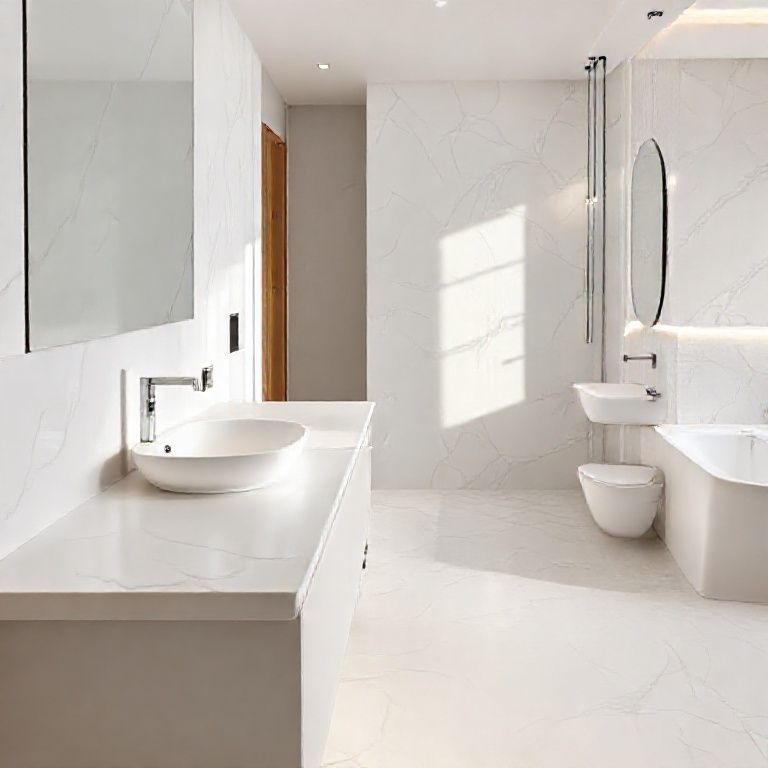
The resin matrix in artificial stone provides a protective layer that shields the countertop from everyday wear and tear, ensuring it maintains its pristine appearance over time. This resistance to scratches and chips extends the life of the countertop, making it a cost-effective option in the long run.
3. Heat Resistance
Artificial stone countertops are also known for their exceptional heat resistance. Unlike natural stone, which can crack or chip when exposed to high temperatures, artificial stone maintains its integrity regardless of the heat it encounters. This makes it ideal for cooktops, stoves, and other areas where exposure to heat is frequent.
High-quality artificial stone countertops are designed to withstand temperatures up to 1,100 degrees Fahrenheit without showing signs of thermal shock or damage. This durability ensures that the countertop will remain functional and aesthetically pleasing, even in areas where it is frequently exposed to heat.
4. Water Resistance
Water resistance is another crucial factor that influences the longevity of artificial stone countertops. While they are not completely impervious to water, artificial stone is far more resistant to water damage compared to natural stone. The resin matrix in the artificial stone provides a barrier that prevents water from seeping into the material, which can cause stains or warping over time.
However, it is still important to clean artificial stone countertops properly to maintain their water resistance. Using a gentle, non-abrasive cleaner and a soft cloth can help ensure that the surface remains protected against water damage. Regular maintenance will help prolong the lifespan of the countertop.
5. Color Fastness and Durability
One of the defining features of artificial stone countertops is their color fastness. The pigments used in the manufacturing process are bonded into the resin matrix, ensuring that the color remains vibrant and true even over time. This means that artificial stone countertops will not fade or discolor easily, maintaining their original appearance for many years.
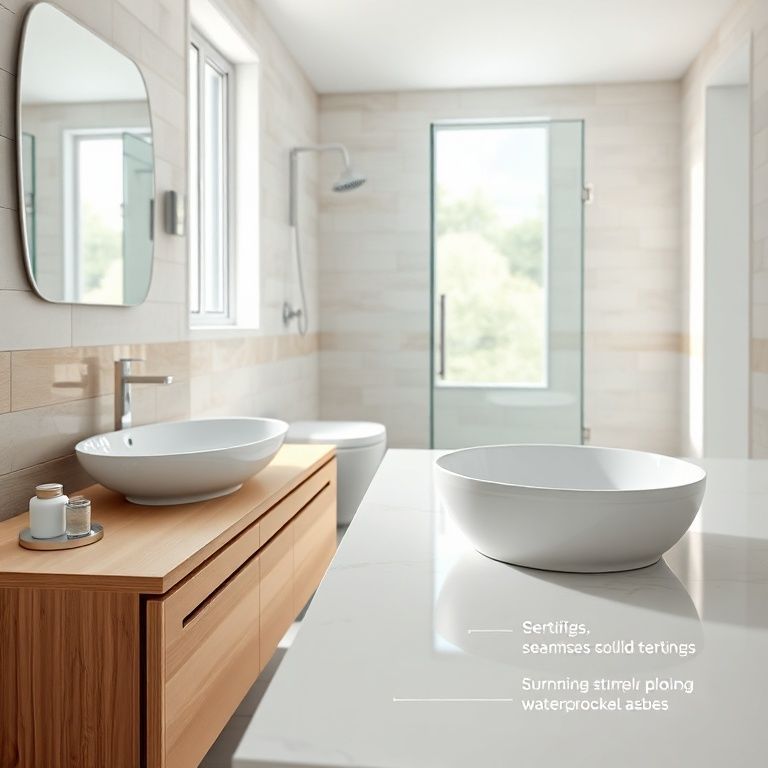
The durability of the color also means that artificial stone countertops are less likely to show stains or discoloration from spills and everyday use. This makes them an excellent choice for areas where color consistency is important, such as kitchen and bathroom countertops.
6. Installation and Maintenance
Proper installation and maintenance are key to ensuring the longevity of artificial stone countertops. When installing artificial stone, it is important to follow the manufacturer’s guidelines to ensure a secure and seamless fit. Using appropriate adhesives and sealants will help prevent any gaps or cracks that could compromise the integrity of the countertop.
Regular maintenance is also crucial to prolong the lifespan of artificial stone countertops. Cleaning the surface with gentle, non-abrasive cleaners and avoiding harsh chemicals or abrasive pads can help maintain the surface’s integrity. Additionally, it is important to address any spills or stains promptly to prevent them from setting into the surface.
Conclusion
In summary, artificial stone countertops offer a remarkable combination of durability, resistance to damage, and aesthetic appeal. Their composition, resistance to scratches and chips, heat resistance, water resistance, color fastness, and the importance of proper installation and maintenance all contribute to their longevity. In the next part of this series, we will delve deeper into the comparison of artificial stone countertops with other countertop materials and provide tips for choosing the right type of artificial stone for your specific needs.
The Longevity and Durability of Artificial Stone Countertops
Continuing from the first part of our series, this second part will delve deeper into how artificial stone countertops compare to other popular countertop materials and provide valuable insights on selecting the perfect artificial stone for your needs. By understanding the advantages and considerations of each material, you can make a well-informed decision that best suits your space and lifestyle.
1. Comparison with Natural Stone
While artificial stone countertops offer many benefits, it is essential to compare them with natural stone to understand their relative advantages and limitations.
Durability and Maintenance:
Natural stone, such as granite, marble, and quartzite, is known for its timeless beauty and elegance. However, it comes with specific maintenance requirements. Natural stone can be prone to staining, chipping, and cracking, especially when exposed to harsh chemicals or extreme temperatures. Regular sealing is often required to protect natural stone countertops from water and oil stains.
In contrast, artificial stone countertops are designed to be more durable and require less maintenance. They are resistant to scratches, chips, and stains, and do not need frequent sealing. This makes artificial stone a more convenient and low-maintenance option for busy households and commercial spaces.
Aesthetic Appeal:
Both natural and artificial stone offer stunning visual appeal. Natural stone provides a unique, one-of-a-kind look with its natural veins and patterns. Artificial stone, on the other hand, allows for a wide range of colors and designs, providing versatility and consistency in appearance.
While artificial stone can closely mimic the look of natural stone, it often offers a more uniform and polished finish. This can be particularly beneficial for those who desire a sleek, contemporary look without the variability of natural stone.
Cost:
Natural stone countertops tend to be more expensive due to the cost of sourcing and processing the raw materials. Artificial stone, while generally more affordable, can still vary in price based on quality and design.
2. Comparison with Other Synthetic Countertops
Artificial stone is often compared to other synthetic countertop materials such as quartz, concrete, and composite materials.
Quartz Countertops:
Quartz countertops are made from a mixture of quartz stone powder and resin, similar to artificial stone. However, the primary difference lies in the amount of quartz used. High-quality quartz countertops contain a higher percentage of quartz, which makes them more durable and resistant to stains compared to artificial stone.
While both materials offer excellent durability and maintenance-free properties, quartz tends to be more expensive due to the higher percentage of natural stone content. Artificial stone, on the other hand, offers a more budget-friendly alternative without sacrificing too much on quality.
Concrete Countertops:
Concrete countertops are made from a mixture of cement, water, aggregates, and other additives. They offer a rugged, industrial look and are highly durable. However, concrete can be prone to cracking and requires regular sealing to prevent water damage.
Artificial stone, with its resin-based composition, offers superior durability compared to concrete, while also providing a more seamless, polished finish. The resin matrix in artificial stone provides a protective layer that shields the surface from scratches, chips, and stains, making it a more practical choice for everyday use.
Composite Countertops:
Composite countertops, such as Formica or laminate, are made from layers of resin-impregnated paper or fabric. While they offer a variety of designs and colors, composite countertops are generally less durable than artificial stone. They can be prone to scratches, stains, and even warping over time.
Artificial stone, with its stone-like appearance and durable resin matrix, provides a more resilient and aesthetically pleasing alternative to composite countertops. The longevity and low maintenance of artificial stone make it a superior choice for those seeking a durable and stylish countertop.
3. Choosing the Right Artificial Stone
Selecting the right artificial stone countertop involves considering several factors to ensure it meets your specific needs and preferences.
Design and Aesthetics:
Artificial stone offers a wide range of colors, patterns, and finishes to suit any design aesthetic. Whether you prefer a classic marble look or a modern quartz finish, artificial stone can be tailored to match your vision. Customization options, such as creating unique veining or patterns, allow for endless design possibilities.
Durability and Maintenance:
When choosing artificial stone, consider the durability features that are important to you. Look for manufacturers that offer warranties on their products, as this can provide peace of mind and assurance of the countertop’s longevity. High-quality artificial stone countertops often come with warranties that cover scratches, chips, and other forms of damage for several years, reflecting the manufacturer’s confidence in the product’s durability.
Installation and Compatibility:
Ensure that the artificial stone countertop is compatible with your existing cabinetry and plumbing. Proper installation is crucial to prevent any gaps, leaks, or structural issues. Consulting with a professional installer can help ensure that the countertop is installed correctly and securely.
Budget:
While artificial stone is generally more affordable than natural stone, it’s important to compare prices from different manufacturers and consider the total cost of installation, maintenance, and potential repairs. Investing in a high-quality artificial stone countertop may offer better long-term value due to its durability and low maintenance.
Environmental Impact:
Consider the environmental impact of the materials used in the artificial stone. Some manufacturers use eco-friendly resins and pigments, reducing the environmental footprint of the product. Choosing sustainable options can be an important factor for environmentally conscious consumers.
Conclusion
Artificial stone countertops offer a compelling combination of durability, aesthetic appeal, and low maintenance, making them an excellent choice for both residential and commercial spaces. By understanding the composition, resistance to damage, and the factors that influence their longevity, you can make an informed decision that best suits your needs and preferences.
When comparing artificial stone with other countertop materials, it’s clear that while natural stone offers unique beauty, artificial stone provides practical advantages in terms of durability, maintenance, and cost-effectiveness. Whether you are renovating a kitchen, designing a bathroom, or creating a modern workspace, artificial stone countertops are a versatile and resilient option that can enhance the beauty and functionality of your space for years to come.
In the next part of this series, we will explore specific use cases and real-world applications of artificial stone countertops, as well as provide tips for maintaining and caring for your artificial stone surfaces to ensure their longevity and continued beauty.