The Durability and Longevity of Artificial Stone Countertops
Artificial stone countertops have revolutionized modern kitchen and bathroom design with their aesthetic appeal and practicality. Composed primarily of natural stone and resin, these countertops mimic the appearance of traditional stone while offering superior durability and maintenance ease. But just how long do these innovative surfaces last? Let’s explore the factors that influence the longevity of artificial stone and what you can do to maintain them.

Understanding Artificial Stone
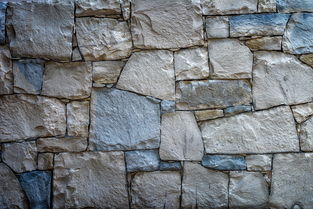
Artificial stone, also known as synthetic stone or cultured stone, is a composite material that combines natural stone aggregates with a polymer resin. This mixture is sculpted into various shapes and designs, providing a surface that looks and feels like natural stone but without the inherent vulnerabilities of its natural counterpart. The result is a countertop that is highly resistant to scratches, stains, and chips, making it an excellent choice for high-traffic areas.
Factors Influencing Longevity
The lifespan of artificial stone countertops is influenced by several key factors:
Quality of Material and Manufacturing: The durability of artificial stone largely depends on the quality of the raw materials and the manufacturing process. Higher-grade resins and more meticulous manufacturing techniques contribute to longer-lasting countertops.
Maintenance Practices: Regular cleaning and proper maintenance are crucial for prolonging the life of artificial stone. Using appropriate cleaning products and avoiding harsh chemicals can prevent damage to the surface.
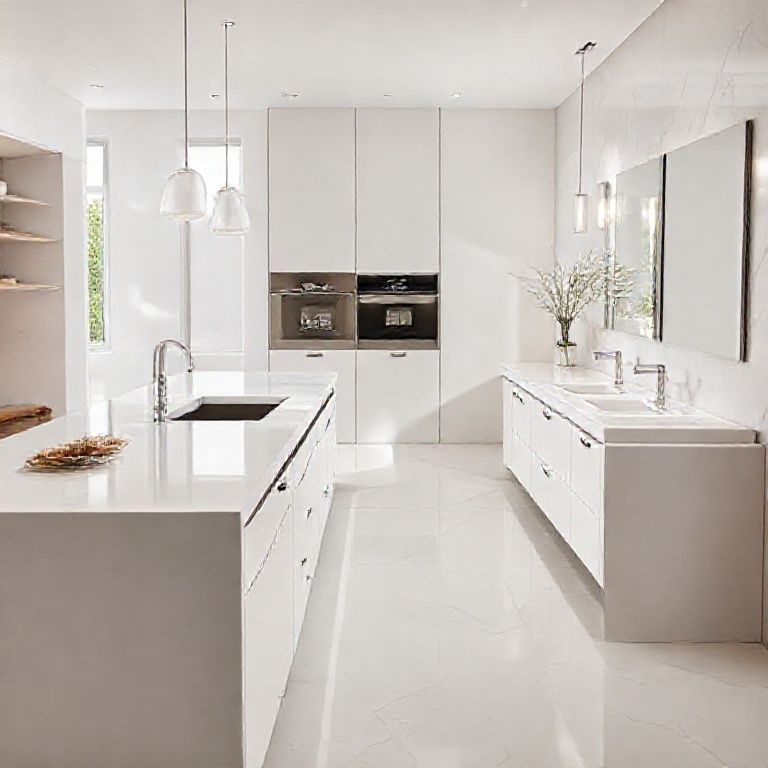
Usage and Exposure: The frequency of use and the types of substances used on the countertop also impact longevity. Items like hot pots or pans should be placed on trivets to avoid thermal shock, and acidic foods should be handled with care.
Environmental Conditions: Exposure to extreme temperatures and humidity can affect the structural integrity of the countertop. While artificial stone is more resistant than natural stone, it is not impervious to environmental stress.
Average Lifespan of Artificial Stone Countertops
On average, well-maintained artificial stone countertops can last between 20 to 30 years. This longevity is often longer than many traditional stone options, which can be susceptible to cracking, chipping, and staining over time. However, the lifespan can vary based on the aforementioned factors.
Maintenance Tips to Extend Lifespan
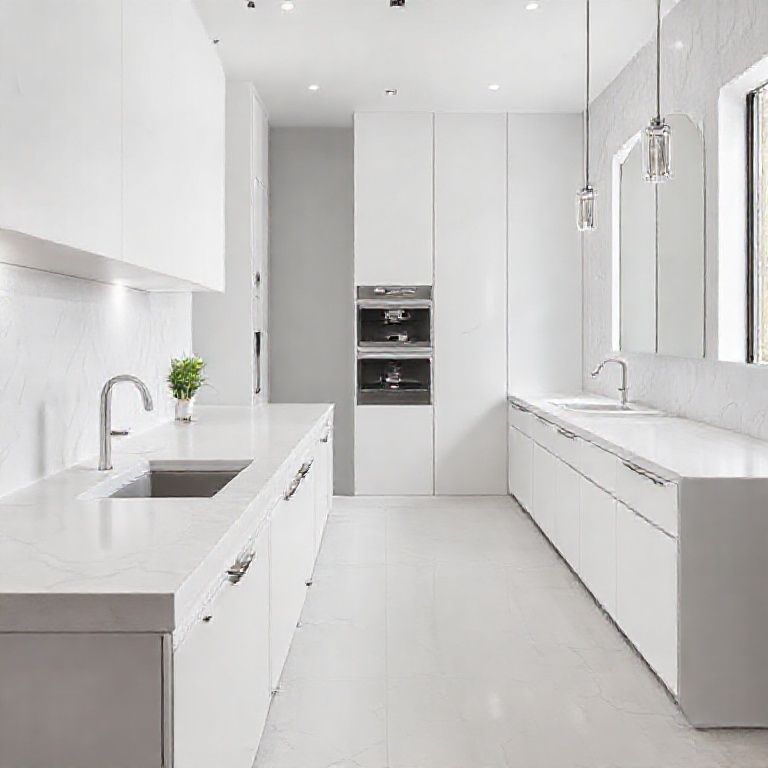
To maximize the lifespan of your artificial stone countertop, consider the following maintenance tips:
Regular Cleaning: Use a mild soap and warm water to clean the surface. Avoid abrasive cleaners or sponges that could scratch the countertop.
Use Coasters and Trivets: To prevent scratches and thermal damage, always use coasters under hot pots and trivets for hot items.
Immediate Stain Treatment: If a spill occurs, clean it up promptly to prevent stains from setting. Use a damp cloth with mild soap to wipe away spills immediately.
Avoid Sharp Objects: Do not use sharp objects to cut or scratch the surface, as this can cause permanent damage. Use a cutting board for food preparation.
Sealants and Protective Coatings: Periodically applying a food-safe sealant can provide an additional layer of protection against stains and scratches.
Choosing the Right Artificial Stone
When selecting an artificial stone countertop, it’s essential to choose a reputable manufacturer known for high-quality materials and craftsmanship. Look for products with certifications and guarantees that reflect their commitment to durability and longevity.
Conclusion
Artificial stone countertops offer a blend of beauty, functionality, and durability that few other materials can match. With proper care and maintenance, these surfaces can last for decades, providing a stunning and resilient addition to your kitchen or bathroom. Understanding the factors that influence their longevity and adopting best practices for care will help you make the most of your investment.
Advanced Maintenance Tips for Artificial Stone Countertops
Maintaining your artificial stone countertops requires more than just regular cleaning—it involves understanding the specific needs and challenges of this versatile material. In this part, we’ll explore advanced maintenance tips, address common pitfalls, and provide expert advice to help you extend the life and beauty of your artificial stone surfaces.
Advanced Cleaning Techniques
Deep Cleaning: For deeper cleaning, consider using a specialized stone cleaner formulated for artificial stone. Follow the manufacturer’s instructions for application and avoid over-saturation, which can damage the surface.
Microfiber Cloths: Use microfiber cloths for cleaning to avoid scratches. These cloths are gentle yet effective at removing dirt and grime without causing damage.
Steam Cleaning: For particularly tough stains, a steam cleaner can be effective. However, always test a small area first to ensure it doesn’t damage the surface.
Handling Stains and Spills
Immediate Action: The key to preventing stains is immediate action. Wipe up spills as soon as they occur, using a damp cloth with mild soap. For tougher stains, a gentle stone cleaner can help.
Avoid Harsh Chemicals: Chemicals like bleach, ammonia, and vinegar can degrade the surface of artificial stone. Stick to mild soap and water for routine cleaning.
Professional Cleaning: For heavy-duty cleaning or when dealing with persistent stains, consider hiring a professional cleaner who uses specialized equipment and products for artificial stone.
Preventing Damage
Use Coasters and Trivets: As mentioned earlier, using coasters and trivets is crucial to prevent scratches and thermal damage. These simple tools can go a long way in protecting your countertop.
Avoid Sharp Objects: Cutting boards are essential for food preparation. Avoid using sharp objects on the surface to prevent scratches and cuts.
Handle with Care: Be mindful when placing hot items on the countertop. Always use trivets and place items carefully to avoid thermal shock.
Environmental Protection
Temperature Regulation: While artificial stone is more resistant than natural stone to temperature fluctuations, it’s still important to avoid extreme heat. If possible, avoid placing hot items directly on the surface.
Humidity Control: Excessive humidity can lead to mold and mildew, so keeping the area well-ventilated is important. Dehumidifiers can be helpful in high-humidity areas.
UV Protection: While artificial stone is generally UV-resistant, prolonged exposure to direct sunlight can cause fading over time. Consider using sheer curtains or UV-protective film to shield the countertop.
Regular Inspections
Routine Checks: Regularly inspect your countertop for any signs of damage, such as scratches, chips, or discoloration. Early detection can prevent minor issues from becoming major problems.
Professional Inspections: Consider scheduling professional inspections every few years to assess the condition of your countertop and ensure it’s in optimal condition.
Addressing Common Pitfalls
Improper Cleaning Products: Using the wrong cleaning products can strip away the protective layers of your artificial stone, leading to damage. Always stick to mild, food-safe cleaners.
Neglecting Maintenance: Overlooking regular maintenance can lead to build-up of grime and stains, which can be much harder to remove. Make maintenance a regular part of your household routine.
Ignoring Warning Signs: Ignoring small signs of wear and tear can lead to bigger issues. Addressing problems promptly can prevent extensive damage and costly repairs.
Enhancing Aesthetics
Custom Colors and Designs: Artificial stone allows for a wide range of colors and designs. If your countertop starts to look dull, consider a color refresh or a new design to give it a fresh look.
Resurfacing Options: In cases where the surface has significant wear or damage, resurfacing options are available. This process involves applying a new layer of resin to restore the surface.
Conclusion
Proper maintenance and understanding the unique needs of artificial stone countertops are key to ensuring their longevity and beauty. By following advanced cleaning techniques, preventing damage, and addressing issues promptly, you can extend the life of your countertop and enjoy its stunning appearance for years to come. With the right care, your artificial stone countertop will remain a beautiful and functional centerpiece in your kitchen or bathroom.
By combining these detailed insights and practical tips, you can ensure that your artificial stone countertops remain a stunning and durable addition to your home for many years to come.