${part1}
The Ideal Thickness for Artificial Quartzite Countertops: Ensuring Durability and Aesthetics
When it comes to selecting kitchen countertops, the choice between natural stone, granite, and quartzite has become increasingly popular. Among these, artificial quartzite stands out for its remarkable blend of durability, aesthetic appeal, and versatility. However, one crucial aspect that often influences the decision-making process is the thickness of the quartzite countertop. Ensuring the right thickness is paramount for achieving both functional longevity and aesthetic perfection.

Understanding Quartzite Countertops
Artificial quartzite is a composite material created by combining natural quartz sand with a resin binder. This material is crafted to mimic the look and feel of natural quartzite while offering several advantages, including enhanced durability and lower cost. The beauty of artificial quartzite lies in its ability to provide a natural stone appearance without the price tag of traditional stone.
The Role of Thickness in Quartzite Countertops
Thickness is a fundamental factor when it comes to countertops. It directly impacts the strength, durability, and aesthetic appeal of the quartzite surface. Let’s delve into the specific reasons why the thickness of quartzite countertops matters.
Durability and Strength
The thickness of a quartzite countertop significantly affects its durability. Thicker countertops tend to be more robust and resistant to scratches, chips, and impact. This is especially important in high-traffic areas like kitchens where countertops endure daily use and exposure to various substances.
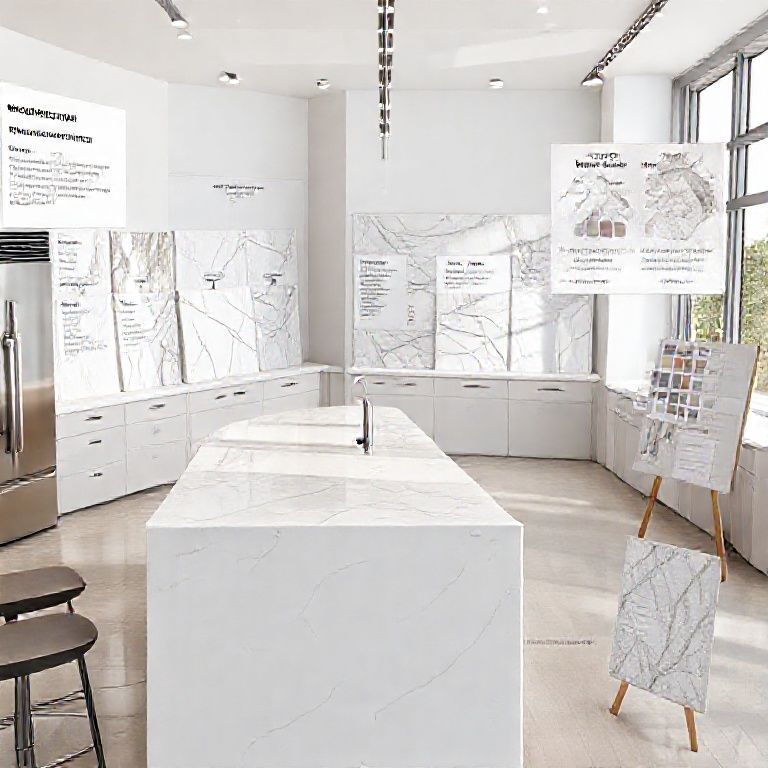
Impact Resistance: Thicker quartzite countertops can better withstand heavy impacts and daily use. This ensures that the surface remains intact and retains its pristine appearance over time. Scratch Resistance: A thicker quartzite surface is less prone to scratches from everyday items like utensils and cutting boards. This maintains the countertop’s sleek, polished finish.
Aesthetic Appeal
While durability is crucial, aesthetics play a significant role in the overall design of a kitchen or bathroom. The thickness of the quartzite countertop can influence its visual appeal in several ways.
Surface Smoothness: Thicker countertops often offer a smoother surface due to better material processing and quality control. This smoothness enhances the visual appeal and makes the surface more attractive. Design Versatility: The thickness of quartzite countertops allows for versatile design options. From seamless, uninterrupted surfaces to intricate, detailed designs, the right thickness provides flexibility in creating stunning, custom layouts.
Recommended Thickness for Quartzite Countertops
When determining the ideal thickness for artificial quartzite countertops, several factors come into play, including the intended use, aesthetic preferences, and installation considerations. Here are some guidelines to help you make an informed decision.
Standard Thickness Options
1.5 inches: This is a common thickness for most kitchen countertops. It strikes a good balance between durability and cost-effectiveness. The 1.5-inch thickness is ideal for areas with moderate to high foot traffic, offering both strength and a sleek appearance. 2 inches: For areas that experience heavy use or where maximum durability is required, a 2-inch thickness is often recommended. This ensures that the countertop can withstand significant wear and tear without compromising on aesthetics. 2.5 inches: For specialized applications or custom designs, a 2.5-inch thickness may be preferred. This provides exceptional durability and can accommodate complex designs without sacrificing strength.
Custom Thickness Requirements
In some cases, custom thickness requirements may be necessary to meet specific design needs or structural considerations. Working with a professional installer can help determine the optimal thickness for your unique project. They can provide insights into material properties and installation techniques to ensure the best results.
Installation and Maintenance
Proper installation and maintenance are essential for maximizing the lifespan and beauty of quartzite countertops, regardless of their thickness. Here are some tips to ensure your quartzite countertop remains in top condition.
Installation Tips
Professional Installation: Always hire a qualified professional for the installation of quartzite countertops. They have the expertise to ensure proper thickness, alignment, and sealing to prevent potential issues like warping or cracking. Adequate Support: Ensure that the countertop is adequately supported to avoid stress points. This is particularly important for thicker countertops, which may require more substantial backing and edge profiles.
Maintenance Tips
Regular Cleaning: Use mild soap and water to clean quartzite countertops. Avoid abrasive cleaners or sponges that can scratch the surface. Sealing: Regular sealing of the quartzite surface helps protect it against stains and spills. Follow the manufacturer’s recommendations for sealing frequency based on the thickness and usage of the countertop.
Conclusion
Choosing the right thickness for artificial quartzite countertops is a crucial decision that impacts both the functionality and aesthetics of your kitchen or bathroom. By understanding the importance of thickness in terms of durability and design, you can make an informed choice that meets your specific needs. Whether you opt for a standard thickness or a custom solution, prioritizing quality and professional installation will ensure that your quartzite countertop remains a stunning and durable feature for years to come.
Stay tuned for the second part of our comprehensive guide, where we’ll explore advanced design considerations, installation techniques, and the latest trends in artificial quartzite countertops.
${part2}
The Ideal Thickness for Artificial Quartzite Countertops: Ensuring Durability and Aesthetics (Continued)
In the first part of our comprehensive guide, we delved into the fundamental aspects of selecting the right thickness for artificial quartzite countertops. We covered the importance of thickness in terms of durability, aesthetic appeal, and general maintenance. Now, let’s explore advanced design considerations, installation techniques, and the latest trends in artificial quartzite countertops to provide you with a holistic understanding of this popular material.
Advanced Design Considerations
When it comes to designing with artificial quartzite countertops, creativity and functionality go hand in hand. The thickness of the quartzite plays a significant role in how you can design and integrate these countertops into your space.
Custom Shapes and Patterns
Edge Profiles: The thickness of quartzite countertops allows for various edge profiles, from sleek, straight edges to intricate, custom designs. Working with a skilled installer can help you achieve the perfect edge profile that complements your overall design. Inlays and Veneers: For those looking to add a unique touch, inlays and veneers can be incorporated into thicker quartzite countertops. This provides opportunities for stunning visual effects and personalized designs.
Color and Finish Options
Variety of Colors: Artificial quartzite comes in an extensive range of colors and finishes, allowing for versatile design options. The thickness of the countertop can influence how these colors and finishes are applied and integrated into your design. Polished vs. Matte Finish: Depending on the thickness, quartzite countertops can be polished to a glossy finish or left with a matte finish. Polished surfaces are more reflective and can create a luxurious, modern look, while matte finishes offer a more subdued and sophisticated aesthetic.
Installation Techniques
Proper installation is key to ensuring the longevity and aesthetic appeal of your quartzite countertop. Here are some advanced techniques and tips for professional installation.
Adhesive and Support
Adhesives: High-quality adhesives are essential for securing quartzite countertops, especially thicker ones. These adhesives provide strong bonding and help prevent issues like warping or detachment over time. Support Structures: Adequate support structures, such as L-brackets and edge profiles, are crucial for thicker countertops. These structures help distribute weight evenly and maintain the integrity of the countertop.
Precision Cutting and Fitting
Precision Tools: Professional installers use precision tools to cut and fit quartzite countertops accurately. This ensures a seamless integration into your space, with minimal waste and maximum aesthetic appeal. Alignment Techniques: Proper alignment techniques are essential for achieving a flawless finish. This includes using templates, levels, and other tools to ensure that the countertop is perfectly aligned and fits seamlessly with existing surfaces.
Latest Trends in Artificial Quartzite Countertops
The world of artificial quartzite countertops is continually evolving, with new trends emerging that offer exciting possibilities for design and functionality.
Innovative Designs
Natural Stone Mimicry: Advances in material science have led to the creation of quartzite countertops that more closely mimic the appearance of natural stone. These innovative designs provide a stunning, natural look with the added benefits of durability and cost-effectiveness. Geometric Patterns: Geometric patterns and designs are increasingly popular in modern interior design. Quartzite countertops with intricate geometric patterns can add a contemporary touch to any space.
Sustainable Practices
Eco-Friendly Materials: As sustainability becomes a more significant concern, eco-friendly materials are being incorporated into the production of artificial quartzite. This includes using recycled content and low-VOC (volatile organic compounds) resins to reduce environmental impact. Energy Efficiency: Quartzite countertops are inherently energy-efficient due to their durability and low maintenance requirements. This makes them an excellent choice for environmentally conscious homeowners.
Conclusion
Selecting the right thickness for artificial quartzite countertops is a multifaceted decision that involves balancing durability, aesthetic### 结论
总结
选择适当厚度的人造石英石台面不仅关乎台面的耐用性,还直接影响其外观和整体美学。通过本文的详细探讨,我们了解到,石英石台面的厚度不仅影响其坚固性和抗刮擦能力,还在很大程度上决定了其设计灵活性和维护简便性。
未来趋势
随着建筑和室内设计领域的不断进步,人造石英石台面的应用前景将会更加广阔。未来的研究和开发将会进一步提升石英石材料的性能,使其在更多的应用场景中得到广泛使用。新的设计趋势和美学潮流也将推动人造石英石台面的不断创新和发展。
最后建议
无论是在家庭还是商业空间中,选择合适厚度的人造石英石台面都是一个重要的决策。建议在进行选择时,考虑到以下几点:
使用频率和强度:高频使用或承受大量物理压力的区域建议选择较厚的石英石台面。 美学需求:如果对台面外观有特殊要求,可以与专业设计师或安装人员讨论,以确定最佳的厚度和设计方案。 维护和清洁:较厚的石英石台面通常更易于清洁和维护,这点在实际使用中也非常重要。
通过综合考虑以上因素,您将能够选择出最适合自己需求的人造石英石台面,为您的空间增添更多的美感和实用性。
希望这篇文章能够为您在选择人造石英石台面时提供有价值的参考信息。如果您有更多问题或需要进一步的帮助,请随时联系专业人士或相关供应商。