Artificial quartz countertops have surged in popularity due to their striking appearance, impressive durability, and relatively low maintenance. However, while they offer many benefits, there are several drawbacks that prospective buyers should consider. In this first part, we will delve into the primary disadvantages of artificial quartz countertops.

1. High Initial Cost
One of the most significant drawbacks of artificial quartz countertops is their cost. Although they are generally more affordable than natural stone options, the initial expense can still be quite high. The price difference can be especially noticeable when compared to more budget-friendly materials such as laminate or composite. The premium cost of quartz countertops is largely due to the advanced manufacturing process that goes into creating these surfaces. While the long-term savings from reduced maintenance and durability may offset the initial cost, it’s essential to consider your budget before committing to this material.
2. Potential for Surface Damage
While quartz is known for its durability, it is not invincible. Although it is one of the hardest natural materials, it can still be scratched and marred. Unlike granite, which has a more pronounced grain structure that can sometimes hide minor scratches, quartz has a uniform surface that can show even small imperfections. This can be particularly problematic if you have children or pets who might accidentally scratch the surface. To prevent damage, regular maintenance and the use of protective pads for items that may scratch the surface are necessary.
3. Limited Color Options
Artificial quartz countertops come in a wide array of colors and patterns, but the range is still limited compared to natural stone options. While manufacturers have improved their ability to mimic natural stone patterns, achieving the exact look can be challenging. For homeowners who desire a very specific color or pattern, they might find that quartz simply won’t meet their needs. This limitation can be a significant consideration for those looking for a unique, custom look.
4. Installation Challenges
The installation process for quartz countertops can be more complex than for other materials. Unlike laminate or composite options, which can be easily cut and laid, quartz requires professional installation to ensure a perfect fit. This necessity for professional installation can add to the overall cost, as hiring skilled installers is often required. Additionally, quartz countertops are heavier than many other materials, which means extra care must be taken to avoid damaging the installation process.
5. Heat Sensitivity
One often-overlooked disadvantage of quartz countertops is their sensitivity to high heat. Although quartz can withstand a significant amount of heat, prolonged exposure to very hot items can cause discoloration or even cracking over time. This can be a particular issue in kitchens where pots and pans are frequently placed directly on the counter. To avoid these issues, it’s crucial to use trivets or heat-resistant pads when placing hot items on the surface.
6. Environmental Concerns
While quartz countertops are incredibly durable and low maintenance, the manufacturing process can raise environmental concerns. The production of quartz involves the use of chemicals and energy-intensive processes that can have a significant environmental footprint. Additionally, the sourcing of quartz can sometimes involve practices that are not sustainable. While these concerns are not unique to quartz, they are something to consider when making an environmentally conscious choice.
Conclusion
While artificial quartz countertops offer many benefits, including their stunning aesthetics and long-lasting durability, it’s important to weigh these against their various drawbacks. The high initial cost, potential for surface damage, limited color options, installation challenges, heat sensitivity, and environmental concerns are all significant factors to consider. In the next part, we will explore other disadvantages in more detail and provide some alternatives to quartz countertops that might better suit your needs.
7. Lack of Natural Aesthetics
Natural stone countertops, such as granite or marble, often boast unique veins and patterns that create a distinctive and organic look. While artificial quartz can mimic these patterns, it lacks the natural aesthetics that some homeowners prefer. The uniformity of quartz can sometimes feel too artificial, which might not appeal to everyone. For those who value the unique beauty of natural stone, quartz may not provide the desired visual effect.
8. Limited Customization
While quartz countertops offer a wide range of colors and patterns, the level of customization is limited compared to natural stone options. Natural stone can be cut and shaped in ways that allow for highly personalized designs that suit specific architectural styles. Quartz, on the other hand, often comes in pre-cut sheets, which can limit your design flexibility. If you have specific architectural plans or design requirements, this limitation might be a significant drawback.
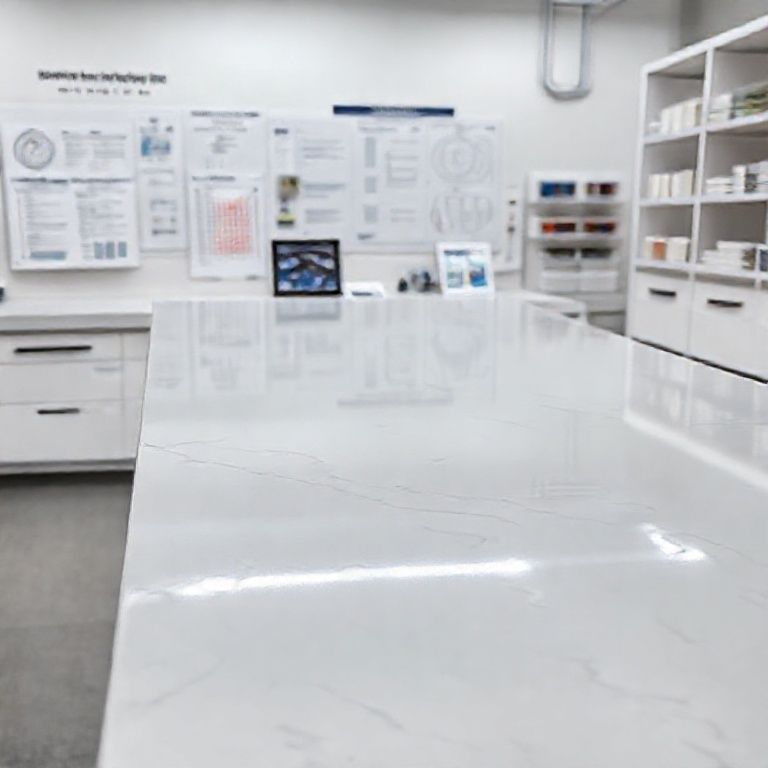
9. Maintenance Issues
Despite their low maintenance reputation, quartz countertops do require some upkeep to maintain their appearance. While they are much easier to clean than many other materials, they still need regular cleaning to prevent water spots and stains. Using the wrong cleaning products can actually damage the surface, so it’s important to follow manufacturer guidelines. Over time, regular maintenance might become more of a chore than initially anticipated, especially for busy households.
10. Potential for Chemical Damage
While quartz is resistant to most acids and bases, it is not entirely immune to chemical damage. Exposure to certain cleaning agents, such as bleach or ammonia, can cause discoloration or etching on the surface. These chemicals can be commonly found in household cleaners, making it important to avoid using them directly on quartz countertops. To prevent damage, it’s best to use mild, non-abrasive cleaners and avoid placing these chemicals directly on the surface.
11. Limited Warranty Options
While manufacturers generally offer warranties for quartz countertops, the extent and terms of these warranties can vary widely. In some cases, the warranty might not cover all potential issues, such as scratches or discoloration. Additionally, some warranties might require a professional cleaning service, which can add to the overall cost. It’s important to carefully read the warranty terms and consider whether they adequately cover your concerns.
12. Impact on Home Value
While quartz countertops are a popular choice among homeowners, their impact on home value can be mixed. In some areas, the aesthetic appeal and durability of quartz might increase a home’s value. However, in other regions, traditional natural stone might be more highly valued. Additionally, the perception of quartz as a “man-made” material might not appeal to all buyers, potentially affecting the property’s market appeal. It’s essential to consider local market trends when evaluating the potential impact of quartz countertops on your home’s value.
Conclusion
In summary, while artificial quartz countertops offer many advantages, it’s crucial to consider their various disadvantages thoroughly. From high initial costs and potential surface damage to environmental concerns and limited customization, these factors can significantly influence your decision. By understanding the full picture, you can make a more informed choice that aligns with your needs and preferences. In the next section, we will explore some alternative materials to quartz countertops that might offer a better fit for your home and budget.