Composition, Durability, and Aesthetic Appeal
When it comes to selecting the perfect material for your kitchen or bathroom countertops, two popular choices often come to mind: artificial stone countertops and quartzite. Both options offer unique advantages and cater to different tastes and needs. Understanding the composition, durability, and aesthetic appeal of each can help you make an informed decision.

Composition
Artificial Stone Countertops: Also known as engineered stone, these countertops are made from a combination of natural stone powders, such as marble, granite, or limestone, bonded together with resin. This creates a material that mimics the appearance of natural stone while offering the benefits of a more uniform and consistent product. The process involves mixing stone powder with a resin binder and then pressing and curing the mixture to form a solid surface.
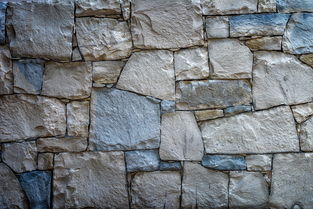
Quartzite: Quartzite is a natural, sedimentary rock that is formed through the metamorphic process. It is composed primarily of silica and is known for its high durability and resistance to heat and pressure. Unlike artificial stone, quartzite is not a man-made product but a naturally occurring material that has been refined and polished to create a sleek, beautiful countertop.
Durability
Artificial Stone Countertops: While artificial stone is known for its durability, it is not as tough as quartzite. Engineered stone is generally resistant to scratches, stains, and moderate heat, making it a good choice for everyday use. However, it is not as resistant to extreme heat as quartzite and can sometimes show discoloration over time. Artificial stone also tends to be less expensive than natural stone options, making it a popular choice for those looking for a cost-effective yet durable surface.
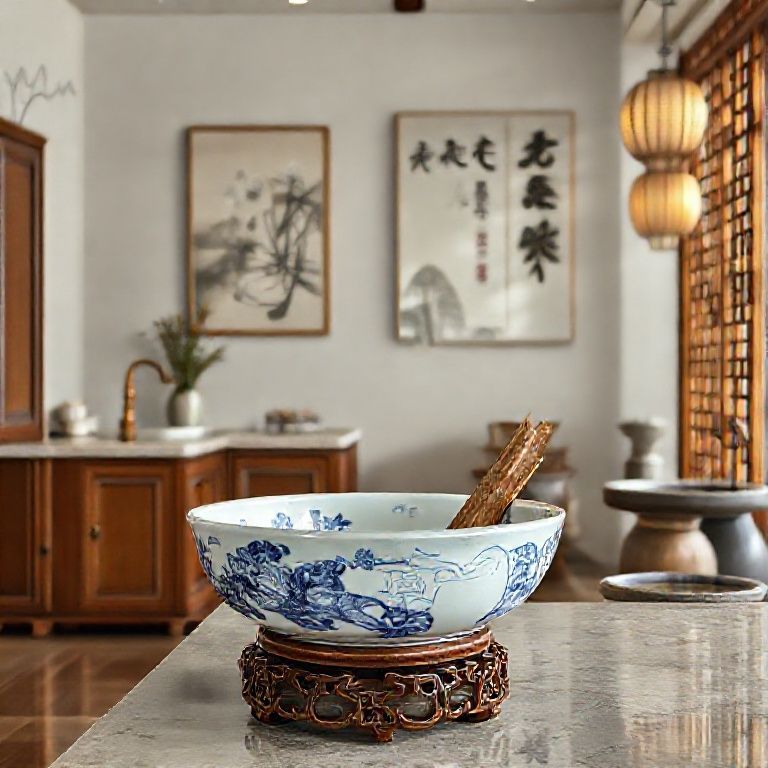
Quartzite: Quartzite is one of the most durable natural stones available, ranking a 9 on the Mohs scale for hardness. This makes it highly resistant to scratches, stains, and heat. Its natural composition means that it does not absorb liquids, making it an excellent choice for high-traffic areas like kitchens and bathrooms. Quartzite also retains its beauty over time, often developing a richer, more appealing look with age.
Aesthetic Appeal
Artificial Stone Countertops: Artificial stone countertops are available in a wide range of colors, patterns, and finishes, allowing for a high degree of customization. Manufacturers can create unique designs that mimic the appearance of various natural stones. The uniformity of the material means that you can achieve a sleek, polished look without the inconsistencies that can be found in natural stone.
Quartzite: Quartzite offers a stunning, natural beauty that cannot be replicated by artificial stone. Its unique patterns and colors come from its natural formation process, resulting in a unique and beautiful surface that looks stunning in any setting. Quartzite’s natural appeal is enhanced by its ability to be polished to a high gloss, giving it a sleek and modern look.
Maintenance
Artificial Stone Countertops: Maintenance of artificial stone countertops is relatively straightforward. They are generally easy to clean and can be wiped down with a damp cloth and mild soap. It is important to avoid using acidic cleaners, as these can damage the surface. For minor scratches, a polishing compound can often restore the surface to its original appearance.
Quartzite: Quartzite is incredibly low-maintenance. Its non-porous nature means that spills and stains do not penetrate the surface, making it easy to clean with a simple wipe-down. For deeper cleaning, a mild soap and water solution is usually sufficient. For minor scratches, a quartzite polishing compound can help bring back the natural shine. Because quartzite is a natural stone, it may require occasional sealing to maintain its durability and appearance.
Cost
Artificial Stone Countertops: Artificial stone countertops are generally more affordable than natural stone options. The lower cost is due to the manufacturing process, which involves combining stone powder and resin to create a uniform product. This makes them a popular choice for those looking for a durable and attractive surface without breaking the bank.
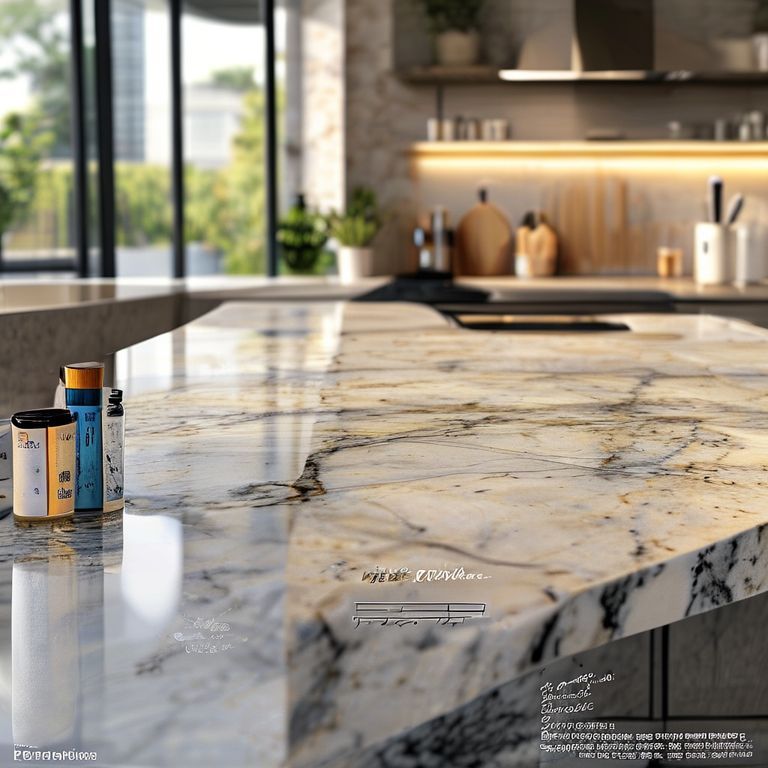
Quartzite: Quartzite countertops, being a natural stone, tend to be more expensive than artificial stone. The cost reflects the quality and durability of the material. However, the longevity and low-maintenance nature of quartzite can make it a worthwhile investment over time.
Installation, Longevity, and Environmental Impact
Choosing between artificial stone countertops and quartzite goes beyond just composition, durability, and aesthetics. It also involves understanding installation processes, longevity, and environmental impact. This part delves into these aspects to provide a comprehensive understanding of each material.
Installation
Artificial Stone Countertops: Installing artificial stone countertops is relatively straightforward. Because they are a solid surface, they can be cut to fit your existing cabinet space with ease. The installation process typically involves securing the countertop to the cabinets using adhesives or brackets. Due to its uniformity, artificial stone can be cut with a simple saw or knife, making it a convenient option for DIY enthusiasts.
Quartzite: Installing quartzite countertops requires a bit more expertise due to its natural, uneven surface. The installation process often involves custom cutting to fit your specific space. Professional installation is recommended to ensure that the quartzite is properly secured and that the seams are sealed to prevent water ingress. Because of its natural hardness, quartzite can be a bit more challenging to cut, requiring specialized tools and techniques.
Longevity
Artificial Stone Countertops: Artificial stone countertops are known for their longevity and resistance to everyday wear and tear. While they may not last as long as natural stone, they are generally durable enough to last for many years with proper care. Over time, artificial stone can develop scratches and minor discolorations, but these can often be restored with polishing and maintenance.
Quartzite: Quartzite’s natural hardness and resistance to scratches, stains, and heat make it one of the most long-lasting countertop materials available. Its durability ensures that it will maintain its appearance and functionality for decades, often outlasting artificial stone and natural stone options. The longevity of quartzite is enhanced by its ability to retain its natural beauty over time.
Environmental Impact
Artificial Stone Countertops: The production of artificial stone involves combining stone powder with resin, which can release volatile organic compounds (VOCs) during manufacturing and installation. While advancements have been made to reduce these emissions, it is still important to consider the environmental impact of using artificial stone. Additionally, the disposal of artificial stone at the end of its life cycle can pose challenges due to the resin binder.
Quartzite: Quartzite is a naturally occurring stone, which means that its environmental impact is largely tied to the mining and transportation processes. However, quartzite is a renewable resource, as new deposits can be found and mined. The environmental impact of quartzite can be minimized by choosing suppliers who practice sustainable mining and transportation practices. Additionally, quartzite is more environmentally friendly in terms of disposal, as it can be recycled or repurposed at the end of its life cycle.
Customization and Design
Artificial Stone Countertops: One of the significant advantages of artificial stone countertops is the level of customization available. Manufacturers can create virtually any design, color, or pattern to suit your specific needs. This flexibility allows you to create a unique and personalized look for your kitchen or bathroom. The ability to mix and match colors and patterns provides endless design possibilities.
Quartzite: While quartzite offers stunning natural beauty, its customization options are more limited compared to artificial stone. The unique patterns and colors of each quartzite slab mean that you have to work with what nature provides. However, this natural beauty is part of its appeal, offering a one-of-a-kind look that can be enhanced through professional polishing and sealing.
Conclusion
In conclusion, both artificial stone countertops and quartzite have their unique advantages and cater to different preferences and needs. Artificial stone offers flexibility, affordability, and ease of installation, making it a popular choice for those looking for a cost-effective yet durable surface. On the other hand, quartzite provides unparalleled durability, natural beauty, and low maintenance, making it an excellent choice for those who value quality and longevity.
When choosing between these two materials, consider factors such as composition, durability, aesthetic appeal, maintenance, cost, installation, longevity, environmental impact, and design flexibility. By understanding these aspects, you can make an informed decision that best suits your needs and preferences, ensuring that your kitchen or bathroom countertop is both beautiful and functional for years to come.
This comprehensive guide provides a detailed comparison of artificial stone countertops and quartzite, helping you make an informed decision based on your specific requirements. Whether you prioritize affordability, customization, or natural beauty, understanding the differences between these two materials will guide you toward the perfect choice for your space.