
The bathroom. Ah, the sanctuary, the place where we begin and end our days, the canvas for our personal rituals. And at the heart of this intimate space often lies the washbasin and its crowning glory – the countertop. This seemingly simple surface bears the brunt of daily life: splashed water, toothpaste skirmishes, runaway makeup, and the occasional dropped bottle of lotion. So, when it comes to choosing the material for this pivotal zone, the question naturally arises: ceramic or sintered stone? Both offer compelling advantages, and understanding their nuances can transform a mundane choice into a design decision with lasting impact.

Let’s start with the familiar, the steadfast, the ever-reliable ceramic. For centuries, ceramic has graced our homes, a testament to its enduring appeal. Think of the smooth, cool touch of a ceramic tile, the comforting weight of a ceramic mug. This inherent quality translates beautifully to bathroom countertops. Ceramic, in its various forms for countertops, often presents as a durable, glazed surface. Its primary allure lies in its visual versatility. Ceramic can mimic an astonishing array of materials, from the subtle veining of natural marble to the rich, earthy tones of terracotta, or even the crisp, clean lines of concrete. This adaptability makes it a designer’s dream, allowing for seamless integration into any aesthetic, be it minimalist chic, rustic farmhouse, or opulent classicism.
The beauty of ceramic also lies in its inherent water resistance. The glaze, when properly applied and maintained, forms a protective barrier that prevents moisture from seeping into the material. This is, of course, paramount in a bathroom environment where humidity and direct water contact are a given. Spills can be wiped away with relative ease, and with regular cleaning, ceramic countertops can maintain their pristine appearance for years. Furthermore, ceramic is generally resistant to staining from common bathroom products like soap, shampoo, and even hair dye, provided immediate cleanup.
However, like any material, ceramic has its Achilles’ heel. While durable, it’s not invincible. Ceramic can be susceptible to chipping or cracking if subjected to a sharp, heavy impact. Dropping a heavy glass bottle or a metal object directly onto the edge of a ceramic countertop could lead to unsightly damage. This means a degree of care is necessary, especially in households with young children or during particularly clumsy moments. Another consideration is the grout lines, if your ceramic countertop is tiled rather than a single slab. Over time, grout can stain and become a breeding ground for mildew if not properly sealed and maintained, which can detract from the overall aesthetic and hygiene. While advancements in grout technology have improved its stain resistance, it still requires more attention than a seamless surface.
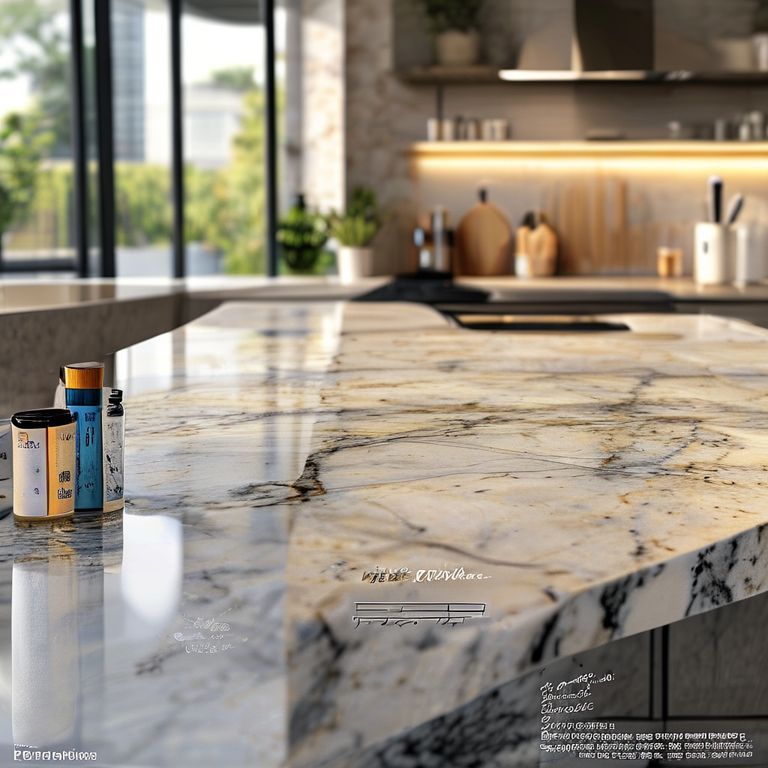
The manufacturing process for ceramic also influences its environmental footprint. While clay is a natural resource, the firing process requires significant energy. However, many manufacturers are increasingly adopting more sustainable practices, utilizing recycled materials and optimizing their energy consumption. When comparing ceramic to other options, its established production methods and widespread availability can sometimes translate to a more accessible price point, making it an attractive option for those on a budget without compromising too much on style or functionality. The tactile sensation of ceramic is also a significant draw for many. The smooth, cool surface offers a pleasant sensory experience, a small luxury in the daily routine. It feels substantial and permanent, a reassuring quality in home décor.
When we talk about ceramic countertops, we’re often referring to porcelain or stoneware, both dense and vitrified forms of ceramic that are less porous and more resistant to water and stains than traditional earthenware. These higher-fired ceramics are excellent choices for bathroom applications, offering a good balance of aesthetics and practicality. The sheer variety of finishes available is also a major plus. Whether you envision a matte, sophisticated look or a high-gloss, reflective surface, ceramic can deliver. The ability to customize edge profiles and integrate sinks seamlessly also adds to its design flexibility. For a truly cohesive look, a ceramic countertop can be paired with ceramic tiles for the walls or floor, creating a harmonious and unified bathroom design. The investment in ceramic is often seen as a safe and sound one, a choice that prioritizes timeless beauty and dependable performance. It’s a material that has stood the test of time for a reason, offering a blend of practical benefits and aesthetic versatility that continues to resonate with homeowners. It’s the dependable friend in the world of countertops, always there to serve, always looking good.
Stepping into the arena of contemporary materials, we encounter sintered stone, a relative newcomer that has rapidly carved out a significant niche in the design world. Often referred to by brand names like Dekton, Neolith, or Lapitec, sintered stone is engineered from a blend of natural minerals that are put through an intense process of extreme heat and pressure. This meticulous fabrication results in a material that boasts an impressive array of performance characteristics, often surpassing traditional options in terms of durability and resilience. The science behind sintered stone is what makes it so compelling. By mimicking and accelerating the natural metamorphic processes that create rocks like granite and marble, manufacturers create a material that is incredibly dense, non-porous, and exceptionally strong.

Visually, sintered stone is a chameleon. It can flawlessly replicate the intricate patterns of natural stone, offering a depth and realism that is often indistinguishable from the real thing. Think of the dramatic veining of Calacatta marble, the deep, rich hues of black granite, or the subtle elegance of travertine – all can be achieved with sintered stone, often with greater consistency than their natural counterparts. Beyond stone replication, sintered stone can also be produced in a vast spectrum of colors, textures, and finishes, from ultra-matte to high-gloss, mimicking wood, metal, or even concrete. This unparalleled design flexibility allows for bold aesthetic statements and the creation of truly unique and personalized bathroom spaces. The ability to have large format slabs with minimal or no visible seams is another significant advantage, offering a sleek, uninterrupted surface that enhances the sense of spaciousness and luxury in a bathroom.
But where sintered stone truly shines is in its almost unbelievable durability. Its non-porous nature means it is completely impervious to water, stains, and moisture. This makes it an ideal choice for a bathroom, where exposure to humidity and water is constant. Unlike natural stone, it won’t etch from acidic substances like lemon juice or vinegar, nor will it absorb spilled wine or coffee. Its resistance to chemicals is also remarkable, meaning everyday cleaning products won’t degrade its surface. Furthermore, sintered stone is incredibly resistant to scratches and abrasion. You can chop vegetables on it (though we don’t recommend it in the bathroom!), slide heavy objects across it, and it will likely emerge unscathed. Its resistance to extreme temperatures, both hot and cold, is another remarkable trait, meaning a hot curling iron or a cold glass of water won’t leave a mark.
This exceptional resilience means that sintered stone requires very little in terms of maintenance. A simple wipe-down with a damp cloth and mild soap is usually all that’s needed to keep it looking immaculate. There’s no need for sealing or special cleaning products, which can be a significant time-saver and a relief for those who prefer low-maintenance solutions. For bathrooms, this means a countertop that will resist the wear and tear of daily use, maintaining its aesthetic appeal and hygienic properties with minimal effort. The longevity of sintered stone is also a major selling point. Its inherent strength and resistance to degradation mean it is a material that is built to last, offering a truly long-term investment for your home.
However, this premium performance comes with a premium price tag. Sintered stone is generally more expensive than ceramic, both in terms of material cost and installation. The manufacturing process is complex and energy-intensive, contributing to its higher cost. While its durability might offset the initial investment over time, it’s a factor to consider for budget-conscious renovations. Another point to note is that while sintered stone is incredibly strong, it can be brittle. This means that while it resists scratching and staining exceptionally well, a very sharp, focused impact on an edge or corner could potentially cause it to chip or crack. Professional installation is also crucial for sintered stone, as it requires specialized tools and techniques to cut and fit the slabs correctly, which can add to the overall cost.
When contemplating the choice between ceramic and sintered stone, it’s a fascinating exercise in balancing tradition with innovation, aesthetics with extreme performance. Ceramic offers a well-established, versatile, and often more budget-friendly option, with a broad spectrum of styles and a comforting familiarity. Sintered stone, on the other hand, represents the cutting edge of material science, offering unparalleled durability, virtually zero maintenance, and a vast canvas for contemporary design. Ultimately, the “better” choice is subjective, hinging on your specific priorities. If budget and a wide array of traditional looks are paramount, ceramic is a strong contender. If you desire a countertop that is virtually indestructible, requires minimal upkeep, and pushes the boundaries of modern design, sintered stone may be your ideal match. Both materials have the power to transform your washbasin area from a mere functional space into a statement of style and enduring quality. It’s about finding the material that resonates with your vision for your personal sanctuary.









