In the grand theater of home renovation, where every detail plays a crucial role in crafting a harmonious and functional space, the humble bathroom vanity top often finds itself at a crossroads of decision-making. It’s more than just a surface to hold your toothbrush and soap; it’s a cornerstone of your bathroom’s aesthetic, a workhorse of daily routines, and a silent witness to countless moments of personal care. Two materials have emerged as prominent contenders in this arena: sintered stone and ceramic. Both offer compelling arguments, each with its own distinct personality and set of advantages. The question that echoes through design studios and renovation showrooms alike is, “Which is better: sintered stone or ceramic for my bathroom vanity top?” Let’s embark on a journey to unravel this design dilemma, exploring the nuances that set these materials apart and illuminate the path to your perfect bathroom.

Imagine walking into a showroom, the air filled with the subtle scent of polished materials and the hushed murmur of design aspirations. You’re presented with a dazzling array of surfaces, each promising durability, elegance, and a touch of everyday luxury. Among them, sintered stone commands attention with its sleek, almost monolithic appearance. Born from a revolutionary process that mimics geological formation, sintered stone is essentially rock engineered at an accelerated pace. It’s created by subjecting a precise blend of natural minerals – feldspar, quartz, and clay – to intense heat and pressure. This fusion creates a material of unparalleled density and integrity, boasting properties that make it a true titan in the world of surfaces.
The allure of sintered stone lies not only in its robust performance but also in its aesthetic versatility. It can be engineered to mimic the exquisite veining of natural marble, the earthy warmth of travertine, or the raw, industrial chic of concrete. This means you’re not confined by the limitations of a single look; you can achieve the high-end appeal of natural stone without the inherent porosity and maintenance challenges. Think of a dramatic waterfall edge, a seamless integrated sink, or a countertop that extends uninterrupted across a generous vanity. Sintered stone’s ability to be fabricated into large slabs with minimal or no veining is a significant advantage, allowing for a clean, modern aesthetic that’s particularly sought after in contemporary bathroom designs.
From a practical standpoint, sintered stone is a champion of resilience. Its non-porous nature is a game-changer for bathroom environments, where moisture, soap scum, and toothpaste are daily visitors. Unlike natural stone that requires diligent sealing to prevent stains and etching, sintered stone is inherently resistant to these common bathroom adversaries. Spills bead up on the surface, making cleanup a breeze. This also translates to superior hygiene, as there are no microscopic pores for bacteria to harbor. For families with young children or anyone who values a low-maintenance lifestyle, this is a significant draw. Furthermore, sintered stone is exceptionally resistant to heat and UV rays, meaning it won’t scorch from a hot curling iron left momentarily on its surface, nor will its color fade if your bathroom receives ample natural light. Its scratch resistance is also commendable, standing up to the rigors of daily use.
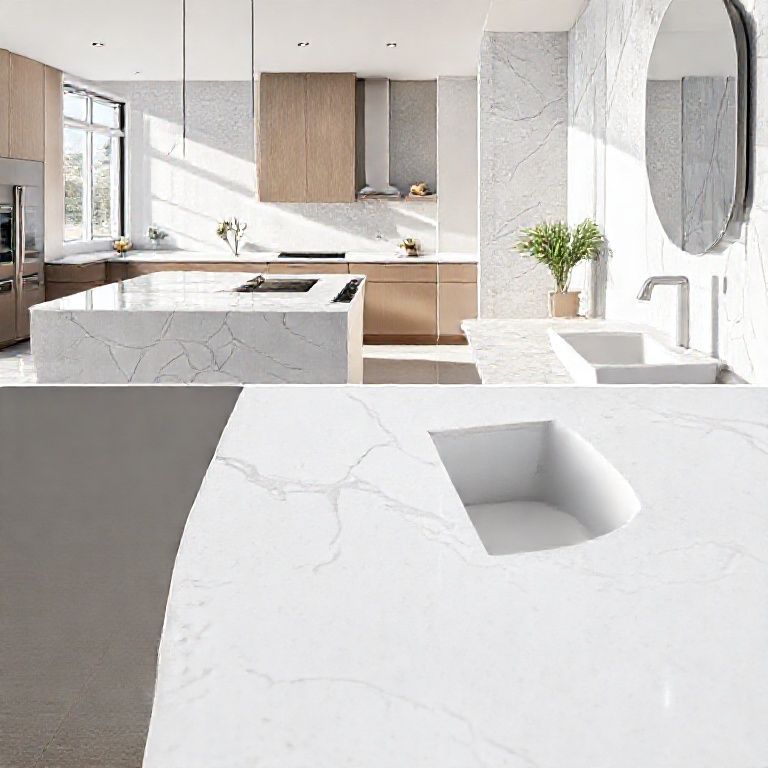
However, like any material, sintered stone isn’t without its considerations. Its density and hardness, while advantageous for durability, can make fabrication more challenging and, consequently, potentially more expensive than some other options. While its overall cost can be competitive with high-end natural stones, it might represent a larger initial investment compared to more basic countertop materials. Installation also requires specialized tools and expertise due to its hardness. But for those who prioritize longevity, a flawless finish, and a modern, sophisticated look, the investment in sintered stone often proves its worth over time.
Now, let’s turn our attention to its venerable counterpart, ceramic. Ceramic has been a staple in homes for centuries, a testament to its enduring appeal and practical utility. In the context of bathroom vanity tops, we’re typically referring to porcelain or glazed ceramic tiles, meticulously crafted and installed to form a seamless, water-resistant surface. The process involves firing clay at extremely high temperatures, resulting in a dense, durable material that’s both beautiful and functional.
The most striking advantage of ceramic, especially porcelain, is its remarkable water resistance. Through advanced manufacturing techniques, porcelain ceramic can be made virtually impervious to water absorption, making it an excellent choice for the humid environment of a bathroom. This means it’s highly resistant to staining, mold, and mildew growth, contributing to a cleaner and healthier space. Similar to sintered stone, ceramic is also resistant to scratches and heat, ensuring it can withstand the demands of daily life.
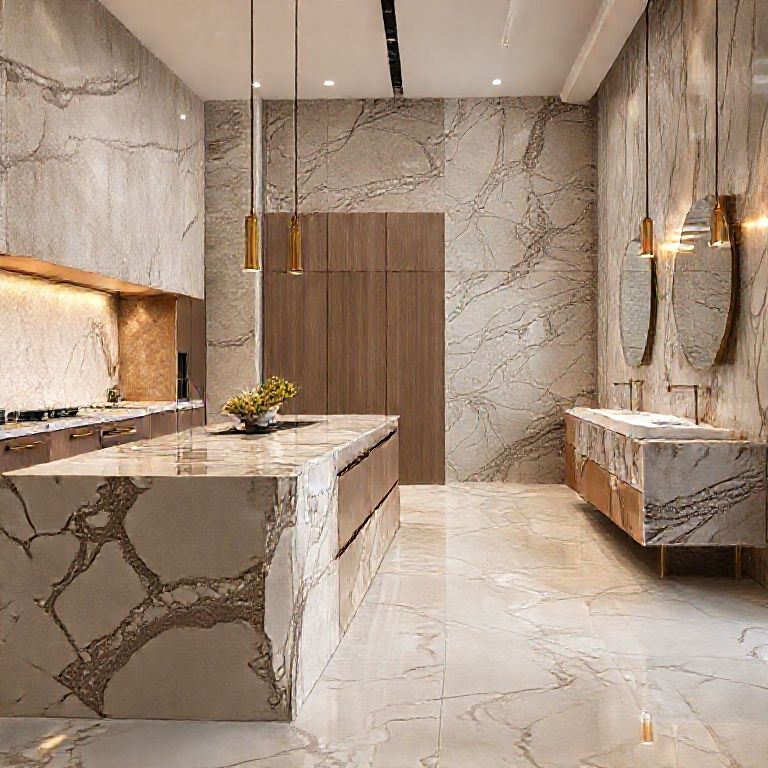
Aesthetically, ceramic offers a vast spectrum of possibilities. From the classic subway tile to intricate mosaic patterns, and from realistic wood-look finishes to stone-inspired designs, the design flexibility of ceramic is virtually limitless. This allows for a highly personalized approach to bathroom design, enabling you to incorporate unique textures, colors, and patterns that truly reflect your individual style. The grout lines, while sometimes perceived as a maintenance concern, can also be a design element in themselves, adding character and visual interest to the surface. Modern advancements in grout technology have also led to more stain-resistant and antimicrobial options, mitigating some of the traditional drawbacks.
When it comes to cost, ceramic often presents a more budget-friendly option than sintered stone, especially for standard tile sizes and designs. This can make it an attractive choice for those undertaking a bathroom renovation on a tighter budget, or for larger vanity areas where material costs can quickly escalate. The availability of a wide range of price points means you can achieve a high-quality look without necessarily breaking the bank. Installation of ceramic tiles is also a more widely accessible skill, with many DIY enthusiasts tackling this aspect of renovation themselves, potentially leading to further cost savings.
However, the inherent nature of ceramic as a tiled surface introduces certain considerations. Grout lines, even with advanced technologies, can still be a potential point of weakness for staining and can require periodic cleaning and sealing to maintain their pristine appearance. While porcelain is highly durable, it can be brittle and susceptible to chipping or cracking if a heavy object is dropped directly onto its surface, particularly at the edges or corners. Repairs, while possible, can sometimes be more noticeable than on a seamless slab material. Furthermore, the visual continuity that sintered stone offers with its large slabs is something that tiled ceramic, by its very definition, cannot entirely replicate. While large format tiles and minimal grout lines can significantly reduce this visual difference, the ultimate seamlessness of a solid slab remains a distinct characteristic.
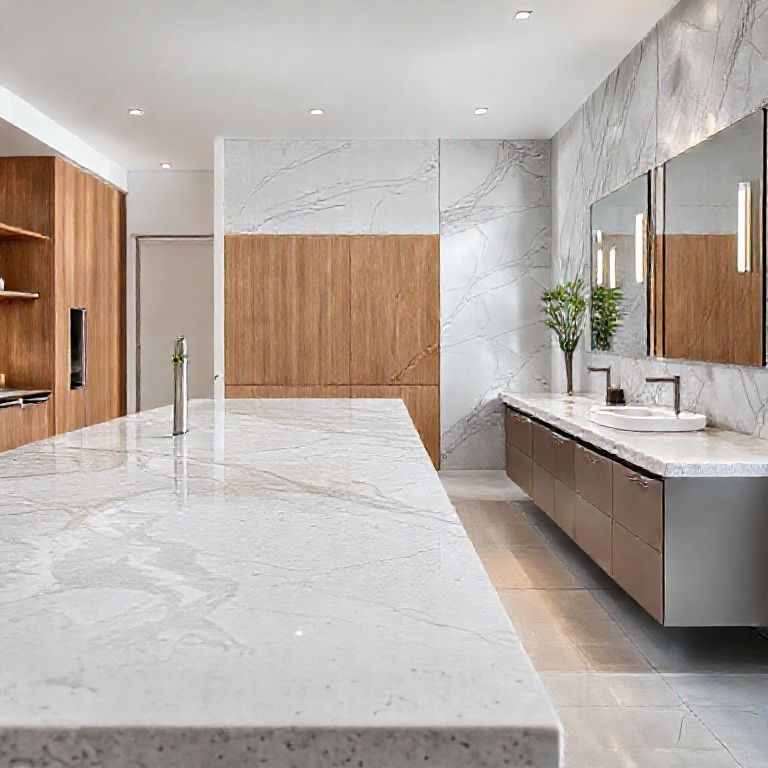
So, as we stand at this delightful crossroads, the choice between sintered stone and ceramic for your bathroom vanity top begins to crystallize. It’s a decision that balances performance, aesthetics, budget, and personal preference. Both materials offer compelling solutions for creating a beautiful and functional bathroom, but their unique attributes cater to different priorities and design visions. The next part of our exploration will delve deeper into these distinctions, helping you weigh the pros and cons more precisely and ultimately guide you towards the surface that will transform your bathroom into the sanctuary you’ve always envisioned.
Continuing our deep dive into the world of bathroom vanity tops, we’ve established that both sintered stone and ceramic offer compelling reasons to be considered for your next renovation. We’ve touched upon their manufacturing processes, their inherent strengths in terms of durability and aesthetics, and some of their practical implications. Now, let’s refine our understanding by examining the subtle yet significant differences that will ultimately help you make the best choice for your personal sanctuary. The question isn’t just about which material is “better” in an absolute sense, but rather, which material is better for you, aligning with your lifestyle, design aspirations, and budgetary considerations.
Let’s revisit the notion of maintenance and hygiene. While both sintered stone and ceramic excel in resisting moisture and stains, the devil, as they say, is often in the details – or in this case, the grout. Sintered stone, with its monolithic, non-porous surface, offers an unparalleled level of ease in this regard. Wiping down a sintered stone countertop is as simple as reaching for a damp cloth. There are no grout lines to trap soap scum, no tiny crevices for bacteria to hide. This makes it an exceptionally hygienic choice, particularly for households where cleanliness is a paramount concern. Imagine a busy morning routine; a quick wipe is all it takes to leave your vanity top looking pristine. This superior ease of cleaning can be a significant factor in reducing the mental load of household chores, allowing you more time to simply enjoy your beautifully designed space. For those who have experienced the frustration of scrubbing stained grout, the seamless nature of sintered stone offers a welcome respite.
Ceramic, while highly water-resistant, still involves grout lines. While modern grouts have made significant strides in stain resistance and ease of cleaning, they still represent an additional surface area that requires attention. The choice of grout color and type can influence how visible dirt and stains become. Lighter colored grouts, while aesthetically pleasing, may show stains more readily than darker or epoxy-based grouts, which are generally more resistant to absorption. For homeowners who are meticulous about cleaning and maintaining every inch of their bathroom, this might not be a significant deterrent. However, for those seeking the absolute lowest maintenance option, sintered stone holds a distinct advantage. The investment in a high-quality, stain-resistant grout can mitigate some of these concerns, but it’s an additional factor to consider in the overall maintenance equation.
When we talk about aesthetics, the conversation shifts to the desired visual impact. Sintered stone truly shines in its ability to offer a continuous, seamless look. This is particularly impactful for larger vanity areas or when aiming for a minimalist, modern, or ultra-contemporary design. The ability to create a dramatic waterfall edge, where the countertop material flows seamlessly down the side of the vanity cabinet, is a signature look often achieved with sintered stone. This creates a visually striking focal point and a sense of refined luxury. Furthermore, the patterns and veining in sintered stone can be meticulously controlled during the manufacturing process, allowing for predictable and repeatable designs. This means you can achieve a consistent, sophisticated look across multiple slabs if your vanity is exceptionally long or if you’re planning a large-scale renovation.
Ceramic, on the other hand, offers a different kind of aesthetic appeal – one of versatility and texture. The ability to incorporate different tile sizes, shapes, and colors allows for a more eclectic or traditional design. You can create intricate patterns, mix and match finishes, or opt for a more classic and understated look with simple, large-format tiles. The subtle variations in color and texture inherent in ceramic can add a unique character to your bathroom. For those who appreciate the look of natural stone but want a more budget-conscious alternative, ceramic tiles can convincingly mimic the appearance of marble, granite, or slate, often at a fraction of the cost. The grout lines, while a point of consideration for maintenance, can also contribute to the overall design, adding visual separation and defining the tiled areas. If you’re aiming for a space that feels warm, inviting, and perhaps a bit more traditional or artisanal, ceramic can be an excellent choice.
Let’s address the practicalities of installation and potential repairs. The fabrication of sintered stone, due to its extreme hardness and density, requires specialized equipment and skilled labor. This can translate into higher installation costs, especially for intricate designs or custom edge profiles. However, the sheer size of sintered stone slabs can sometimes offset installation time, as fewer seams are required for larger areas. Repairs to sintered stone, while possible, can be more complex and may require professional intervention. Minor chips or cracks might be repairable with specialized epoxy fillers, but a significant impact could necessitate a partial or full replacement of the slab, which can be a considerable undertaking.
Ceramic tile installation, while requiring skill, is a more common and widely understood trade. Many tilers are experienced in working with ceramic, making it generally easier to find qualified professionals. The cost of installation can vary depending on the complexity of the design and the chosen tile. For repairs, individual tiles can often be replaced, which is typically less disruptive and more cost-effective than repairing a solid slab. If a tile cracks or chips, a skilled tiler can often remove the damaged tile and seamlessly replace it with a new one, minimizing the visual impact. This inherent repairability can offer peace of mind for some homeowners.
Finally, let’s consider the long-term value and investment. Sintered stone, with its exceptional durability, resistance to wear and tear, and timeless aesthetic, represents a significant long-term investment. Its ability to withstand the rigors of daily use for decades without significant degradation means it’s a surface that will likely outlast many other components of your bathroom. This can be particularly appealing for those who value quality and longevity, and who view their home as a long-term asset.
Ceramic, especially high-quality porcelain, also offers excellent durability and longevity. It’s a material that has proven its worth over time. While it may not possess the same extreme hardness as sintered stone, it is more than capable of handling the demands of a bathroom environment for many years. The advantage of ceramic often lies in its ability to provide a beautiful and functional surface at a more accessible price point. This allows homeowners to achieve a desirable aesthetic and functionality within their budget, which can be a crucial factor in making a renovation feasible. The ability to update or refresh the look of a ceramic tiled surface by regrouting or even retiling at a later date also offers a form of long-term adaptability.
In conclusion, the choice between sintered stone and ceramic for your bathroom vanity top is not a matter of one material definitively triumphing over the other. It is a nuanced decision that hinges on your personal priorities. If you prioritize unparalleled hygiene, a seamless, ultra-modern aesthetic, and a surface that requires virtually no special care beyond a simple wipe-down, then sintered stone emerges as a compelling, albeit potentially higher-investment, choice. It’s a material that speaks of sophisticated design and enduring quality.
Conversely, if you seek a highly versatile aesthetic with endless design possibilities, a robustly water-resistant surface that can be maintained with a little extra attention to grout lines, and a more budget-conscious option that still delivers excellent durability and style, then ceramic, particularly porcelain, stands out as a brilliant and practical solution. It’s a material that has stood the test of time, offering reliability and beauty in equal measure.
Ultimately, the “better” material is the one that best aligns with your vision for your bathroom sanctuary, your lifestyle, and your financial plan. By understanding the unique strengths and characteristics of both sintered stone and ceramic, you are empowered to make an informed decision that will bring you joy and functionality for years to come. Your bathroom is your personal retreat, and the surface beneath your hands should be a testament to both your style and your sensible choices.