
The quest for the perfect countertop is a journey many homeowners embark on with a mix of excitement and trepidation. It’s a decision that impacts the aesthetics, functionality, and even the longevity of a crucial space in your home. Among the myriad of choices, two contenders often emerge, sparking a friendly debate: solid surface and acrylic. Both boast attractive qualities, promising durability, a seamless look, and a touch of modern elegance. But when it comes down to it, which one truly shines? Let’s peel back the layers and explore the enchanting world of “人造石好还是亚克力好” – the age-old question of whether artificial stone or acrylic is the better choice.

Imagine this: you’re hosting a dinner party, the aroma of your culinary masterpiece fills the air, and your guests are marveling at your kitchen. The countertops, those silent workhorses, are not only holding up to the hustle and bustle but are also contributing to the overall visual appeal. This is where the promise of solid surface and acrylic truly comes into play. They offer a departure from the natural variations and maintenance demands of granite or marble, while still delivering a sophisticated and cohesive finish.
Let’s start by demystifying “solid surface.” This isn’t a single monolithic material, but rather a category that encompasses a range of composite materials. Think of it as a family, with various members sharing common traits but possessing their own unique personalities. The most common composition involves acrylic polymers, alumina trihydrate (ATH), and pigments. ATH, a mineral derived from bauxite ore, acts as a filler, contributing to the material’s strength and fire-retardant properties. The acrylic binders provide the flexibility and workability, allowing for intricate designs and seamless integrations. When you hear “solid surface,” you might also be thinking of brands like Corian, which has become almost synonymous with the category itself.
The allure of solid surface lies in its non-porous nature. This is a significant advantage in kitchens and bathrooms, areas prone to spills, splashes, and the inevitable encounter with moisture. Because it doesn’t absorb liquids, solid surface countertops are highly resistant to staining. Red wine? No problem. Tomato sauce? A gentle wipe is all it takes. This inherent resistance also means it’s less likely to harbor bacteria and mold, making it a hygienic choice for food preparation and family use.
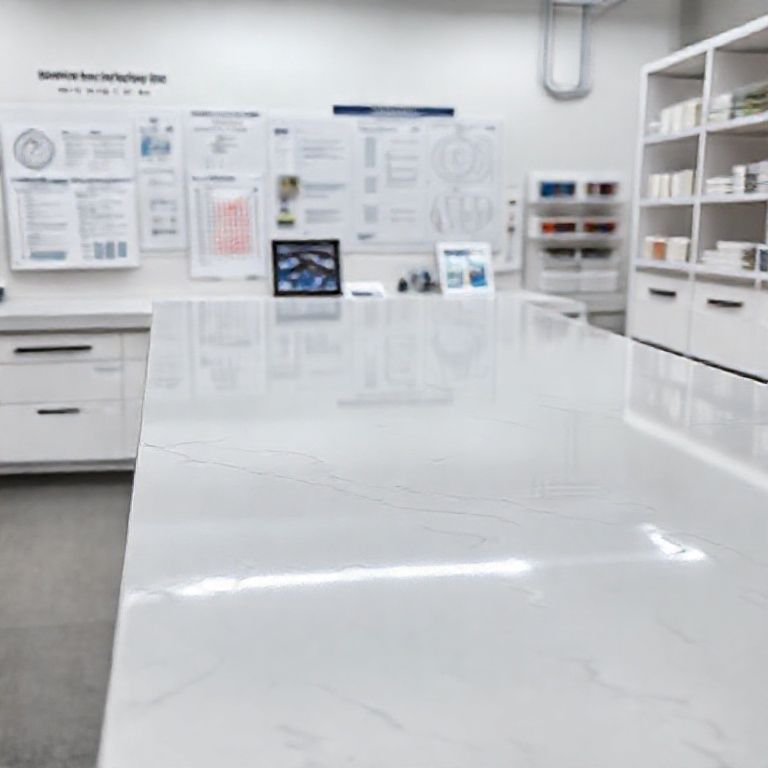
Furthermore, the magic of solid surface extends to its seamless fabrication. Seams are virtually invisible when pieces are joined by trained fabricators using specialized adhesives. This creates a smooth, continuous surface that is not only aesthetically pleasing but also incredibly easy to clean. No more struggling with nooks and crannies where dirt and grime can accumulate. This monolithic appearance can elevate the look of your kitchen or bathroom, giving it a clean, modern, and uncluttered feel.
Beyond its practical benefits, solid surface offers a remarkable degree of design flexibility. It can be thermoformed, meaning it can be heated and bent into curves and shapes that are impossible with other countertop materials. This opens up a world of possibilities for custom designs, integrated sinks, curved islands, and even decorative elements. The material can also be routed, carved, and inlaid, allowing for personalized touches that reflect your individual style. The color palette for solid surface is vast, ranging from classic whites and subtle neutrals to bold hues and intricate patterns, allowing you to match your countertop to virtually any design scheme.
However, like any material, solid surface isn’t without its considerations. While durable, it’s not impervious to scratches. Vigorous chopping directly on the surface or dragging heavy pots can leave marks. The good news is that minor scratches can often be buffed out by a professional or even with a fine-grit sandpaper for DIY enthusiasts. More significant damage, though less common, can usually be repaired by a qualified fabricator, often making the surface look as good as new.
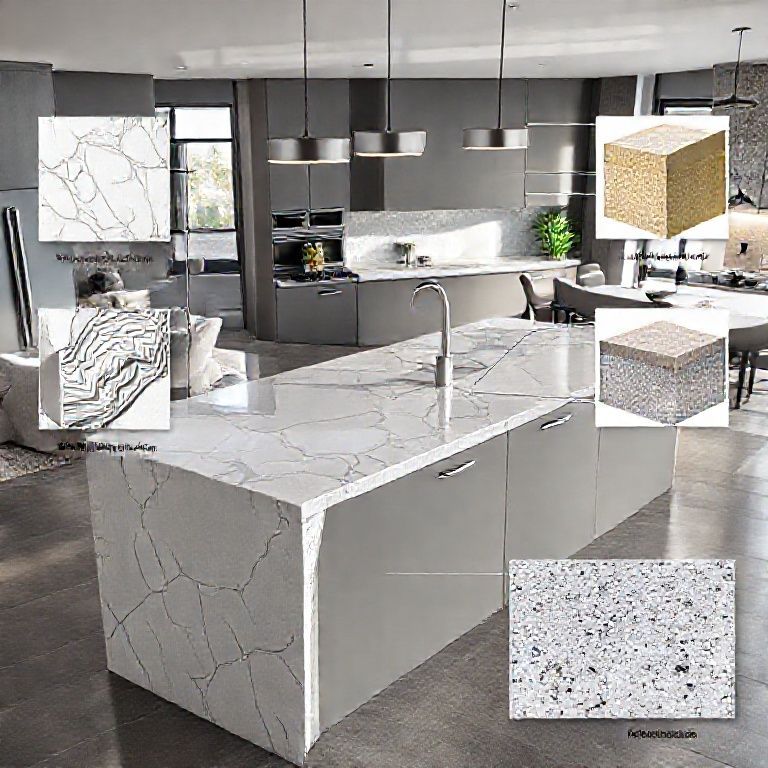
Heat resistance is another area where solid surface requires a bit of caution. While it can tolerate moderate heat, placing extremely hot pans directly from the stove or oven onto the surface can lead to discoloration or even damage. Using trivets and hot pads is a small habit that will go a long way in preserving the pristine appearance of your solid surface countertops.
Now, let’s pivot to acrylic. When we talk about acrylic in the context of countertops, we’re often referring to a type of solid surface that is predominantly acrylic-based, sometimes with a higher concentration of acrylic resins compared to other solid surfaces. It’s like a sub-category within the broader solid surface family, or sometimes used interchangeably by manufacturers and consumers. The fundamental properties remain largely the same: non-porous, seamless, and design-flexible. However, some argue that a more purely acrylic formulation can offer even greater translucency, allowing for backlighting effects that can create a truly unique and dramatic ambiance.
Acrylic, in its purest form, is a synthetic polymer known for its clarity, durability, and weather resistance. When used in countertops, it inherits these desirable traits. Like its solid surface cousins, acrylic countertops are non-porous, resisting stains and bacteria. The fabrication process also allows for seamless integration, offering that coveted smooth, flowing look.
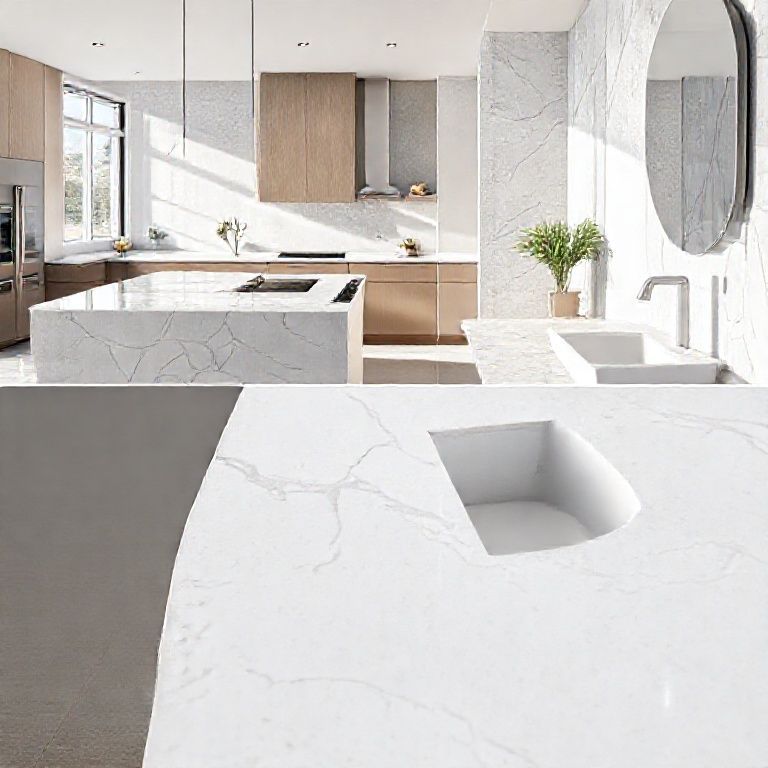
The versatility of acrylic is another compelling factor. Its ability to be molded into various shapes and sizes, coupled with its potential for translucency, makes it a designer’s dream. Imagine an island with a soft, diffused glow emanating from beneath, or a reception desk that catches the light in a mesmerizing way. These are the kinds of striking visual statements that acrylic can facilitate.
In terms of maintenance, acrylic is a dream. Its smooth, non-porous surface makes cleaning a breeze. A simple wipe with a damp cloth and mild soap is usually sufficient to keep it looking immaculate. Its resistance to moisture also makes it an excellent choice for areas where water is abundant, such as around sinks and showers.
However, it’s important to acknowledge that acrylic, while strong, can be susceptible to scratches, similar to other solid surface materials. The degree of scratch resistance can vary depending on the specific formulation and thickness of the material. Again, minor abrasions can often be repaired, but it’s a characteristic to keep in mind when using the surface.
Heat resistance is also a factor. While acrylic can withstand moderate temperatures, it’s advisable to use protective measures for very hot items. Extreme heat can cause the material to soften or discolor, so the use of trivets and hot pads is a recommended practice for maintaining its beauty.
The distinction between “solid surface” and “acrylic” can sometimes be blurred because many products marketed as solid surface are, in fact, heavily reliant on acrylic resins. Some manufacturers might use “acrylic” to emphasize the material’s transparency or a particular aesthetic quality. When you’re in the showroom, it’s always a good idea to ask about the specific composition and inquire about warranties, as these can provide valuable insights into the material’s performance and durability.
Ultimately, the choice between a general “solid surface” and a more specifically “acrylic” countertop often comes down to subtle differences in formulation, desired aesthetic, and perhaps even brand preference. Both offer a compelling blend of style and practicality, promising a beautiful and functional addition to your home.
Continuing our deep dive into the captivating world of countertops, we’ve established that both solid surface and acrylic offer compelling reasons to grace your kitchen or bathroom. Now, let’s delve deeper into the practicalities, the stylistic nuances, and the considerations that will help you make the definitive choice for your dream space. When asking “人造石好还是亚克力好” (is artificial stone better or acrylic?), it’s often about understanding the subtle shades of performance and the unique design possibilities each brings to the table.
Let’s revisit the scratch factor. While both materials can be scratched, the perception of scratch resistance can sometimes differ based on the color and pattern. Lighter colors and those with subtle flecks or patterns tend to camouflage minor scratches more effectively than darker, solid colors. If your lifestyle involves a lot of active cooking, and you’re concerned about the occasional slip of a knife or the dragging of a heavy pan, opting for a solid surface or acrylic with a more variegated appearance might be a wise decision. This isn’t to say darker colors are inherently less durable, but rather that their pristine appearance might be more challenging to maintain without meticulous care. The good news, as mentioned, is that most scratches can be addressed. For minor scuffs, a bit of polishing compound might do the trick. For deeper ones, a professional can often resurface the area, restoring it to its original glory. It’s like a well-loved leather chair – a few minor marks can even add character.
The issue of heat resistance also warrants further exploration. While neither material is a culinary daredevil’s best friend for direct contact with scorching hot pots, there are nuances. Some formulations of solid surface, particularly those with a higher mineral content, might offer slightly better heat resistance than a more purely acrylic option. However, the difference is often marginal, and the overarching advice remains the same: use trivets and hot pads. Think of it as respecting the material. You wouldn’t try to boil water directly in a plastic cup, would you? Similarly, treating your countertops with a little care will ensure their longevity and prevent those unsightly heat marks.
When it comes to integrated sinks, this is where both solid surface and acrylic truly shine. The ability to create seamless transitions between the countertop and the sink basin is a game-changer for both hygiene and aesthetics. There are no rims or edges where food particles and grime can hide. The entire unit appears as one continuous, flowing form. This creates an exceptionally clean and streamlined look, making cleanup incredibly simple. Imagine wiping your counter and continuing directly into the sink without interruption – pure elegance and efficiency. The choice between a solid surface sink and an acrylic sink (if manufactured as a separate but matching piece) would largely depend on the overall material choice for your countertops, aiming for a cohesive and harmonious look.
The aesthetic spectrum offered by solid surface materials is truly vast. Beyond the standard color choices, there are options that mimic the look of natural stone, with swirling patterns and varied tones. There are also options with a high degree of translucency, which can be a canvas for creative lighting solutions. This is where the lines between “solid surface” and “acrylic” can become particularly blurred. Some manufacturers will specifically market their acrylic-based solid surfaces as ideal for backlighting, creating a soft, ethereal glow that can transform a kitchen island or a bar area into a stunning focal point. If you’re envisioning a contemporary space with mood lighting, exploring the more translucent acrylic-based solid surfaces could be a fantastic avenue.
Durability in terms of impact resistance is another factor to consider. Both materials are generally robust and can withstand the rigors of daily use. However, like most hard surfaces, they can chip or crack if subjected to a significant, sharp impact. This is less common but something to be aware of, especially in busy households with young children or if you tend to be a bit heavy-handed with your kitchen tools. The repairability of both materials is a significant advantage here, as most chips and cracks can be mended by a skilled professional.
Cost is, of course, a major determinant in any home renovation project. Generally, solid surface countertops fall within a mid-range price point, often more affordable than natural stone like granite or quartz, but typically more expensive than laminate. Acrylic, being a type of solid surface, would fall within a similar bracket. However, the price can fluctuate based on the brand, the complexity of the fabrication, any special edge profiles, and the intricacy of any custom features like integrated sinks or unique shapes. It’s always wise to get multiple quotes from different fabricators to ensure you’re getting competitive pricing.
When considering “人造石好还是亚克力好,” think about your priorities. If your primary concern is ease of maintenance and a completely seamless, hygienic surface, both solid surface and acrylic excel. If you’re drawn to the idea of integrated sinks and want a clean, modern aesthetic, both materials are excellent choices. If you’re captivated by the idea of unique design elements, such as curves, inlays, or backlighting, then the design flexibility of solid surface, particularly the more acrylic-heavy formulations, might tip the scales. If you’re worried about minor scratches and prefer a material that might show them less, consider lighter colors or patterns within the solid surface range. If budget is a significant factor, compare pricing across different brands and fabrication options within the solid surface and acrylic categories.
Ultimately, the choice between “artificial stone” (a broad term) and “acrylic” (often a specific type of artificial stone) boils down to a personal preference guided by practical considerations. Both offer a beautiful, functional, and durable solution for your countertops. The “better” choice isn’t an objective declaration but a reflection of your individual needs, lifestyle, and design aspirations. It’s about finding the material that not only performs well but also brings you joy every time you step into your kitchen or bathroom. So, as you embark on this exciting decision, remember to feel the textures, explore the colors, and imagine the possibilities. The perfect countertop awaits, ready to be the silent, stylish foundation of your home’s most cherished spaces.









