Part 1
The Great Debate: Quartz Countertops vs. Artificial Stone
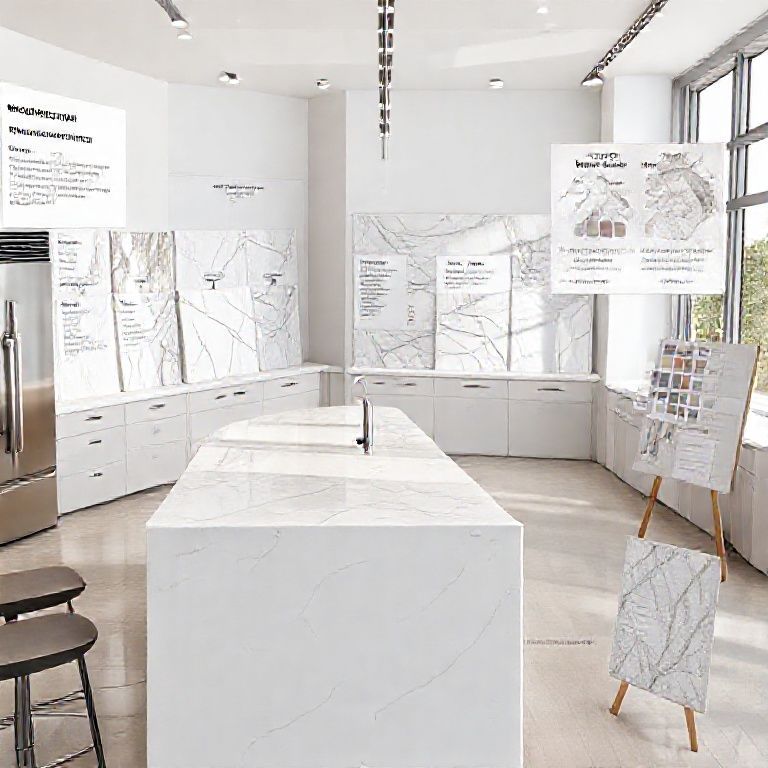
When it comes to choosing the perfect surface for your kitchen or bathroom, the decision between quartz countertops and artificial stone can be a tough one. Both materials offer impressive aesthetics, durability, and versatility. However, each comes with its own set of advantages and disadvantages. Let’s delve into the world of these modern alternatives to natural stone, to help you make an informed choice.

Durability and Strength
One of the most compelling arguments in favor of quartz countertops is their exceptional durability. Made from 93% pure quartz and bonded with resin, these countertops boast incredible strength and resistance to scratches, stains, and scratches. Unlike traditional stone, quartz is impervious to heat and does not react to acidic substances, making it an excellent choice for kitchens where pots and pans are frequently used.
Quartz is also highly resistant to most forms of wear and tear, ensuring that it maintains its pristine appearance over many years. This durability is largely due to its non-porous nature. Unlike other natural stones that can absorb liquids and stain, quartz forms a protective layer that repels liquids and stains, ensuring longevity and ease of maintenance.
On the other hand, artificial stone, also known as cultured stone, is made from a combination of natural stone powder and resin. While it offers impressive durability, it is generally less resistant to heat than quartz. Over time, artificial stone can also experience surface wear, especially in high-traffic areas, although it still maintains a high level of durability overall. However, it’s important to note that the strength and resilience of artificial stone can vary depending on the manufacturer and the specific formulation of the material.
Maintenance and Cleaning
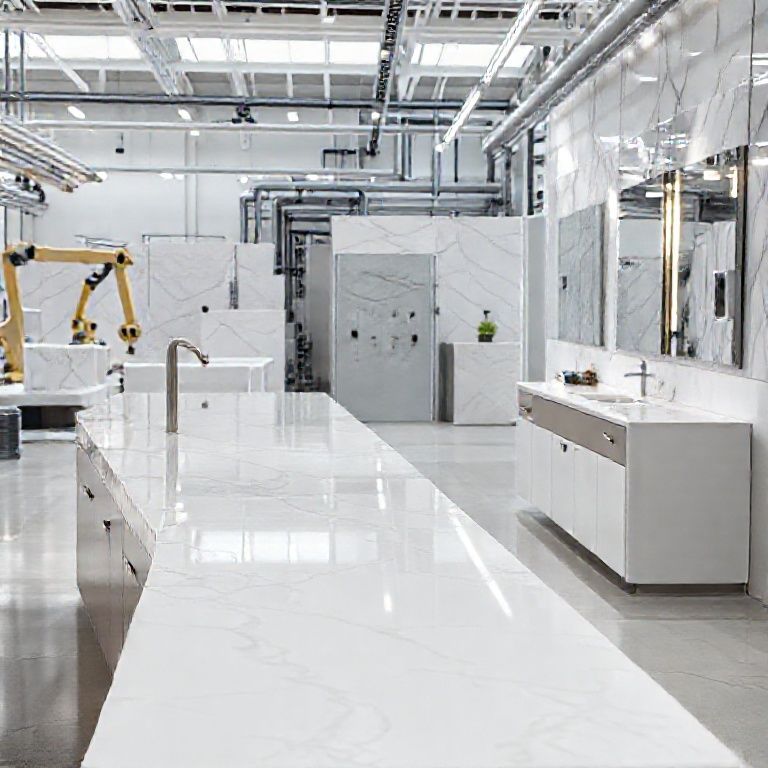
The maintenance of quartz countertops is relatively straightforward. Given its non-porous nature, quartz is easy to clean and maintain. A simple wipe-down with a damp cloth and mild soap is usually sufficient to keep the surface sparkling. For tougher stains, specialized quartz cleaners are available to ensure the countertop remains in pristine condition.
In contrast, artificial stone requires a bit more care. Although it is also non-porous, it can still absorb certain types of stains if not cleaned properly. Regular cleaning with a soft cloth and mild detergent will keep the surface looking its best, and specialized cleaners can be used for tougher spots. It’s important to avoid abrasive cleaners that could scratch the surface of the artificial stone.
Aesthetics and Design Flexibility
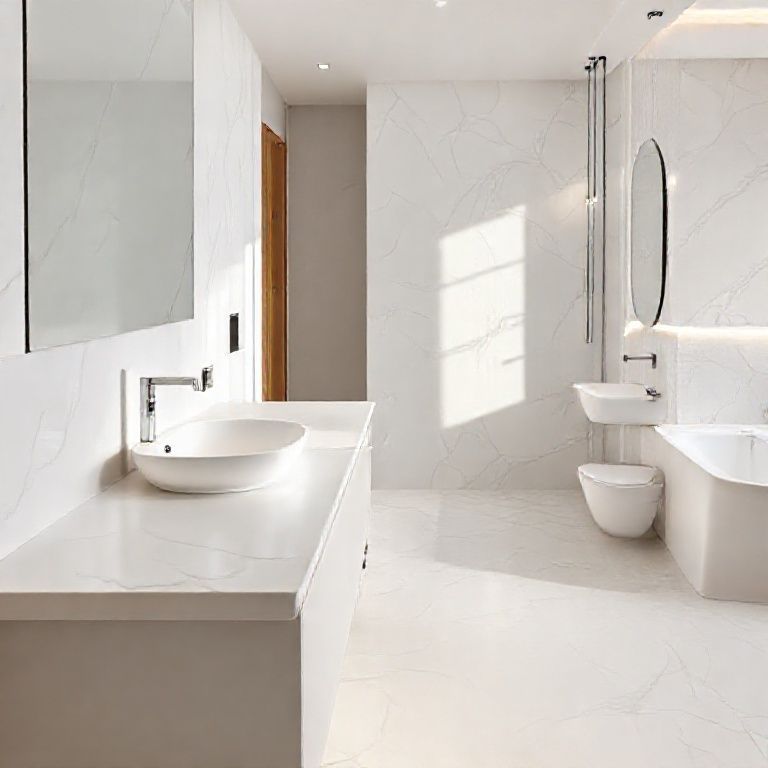
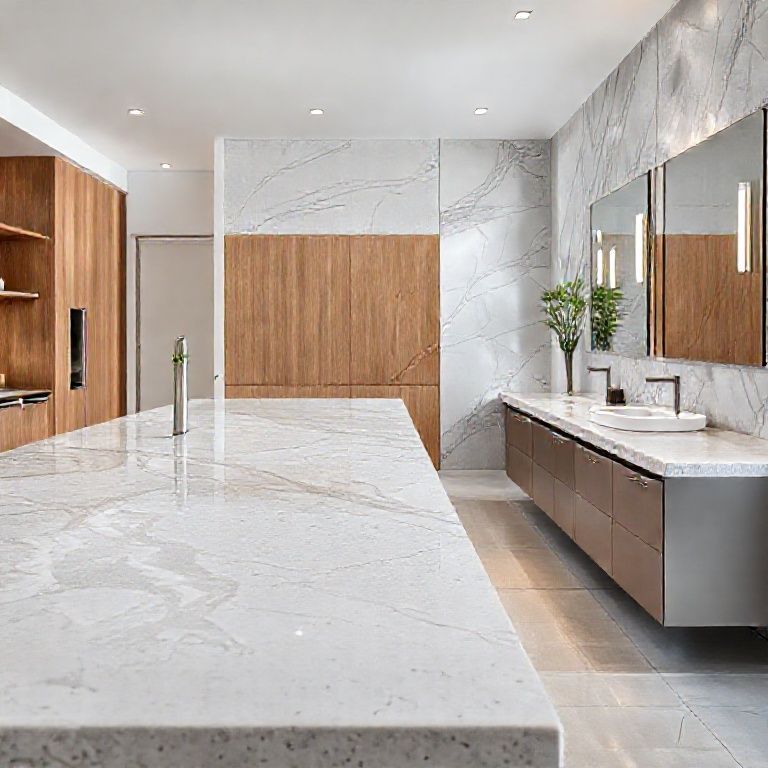
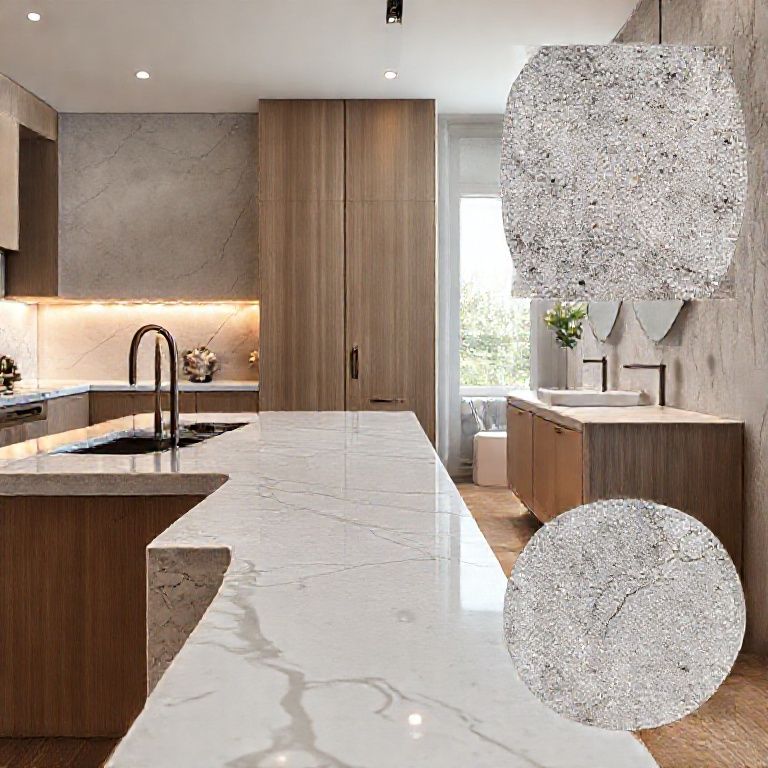
Both quartz and artificial stone offer a wide range of colors and patterns, allowing for great design flexibility. Quartz is known for its sleek, modern look and is available in a vast array of colors, from traditional marble to unique, one-of-a-kind designs. This versatility means that quartz can mimic the look of natural stone while providing a contemporary, minimalist aesthetic.
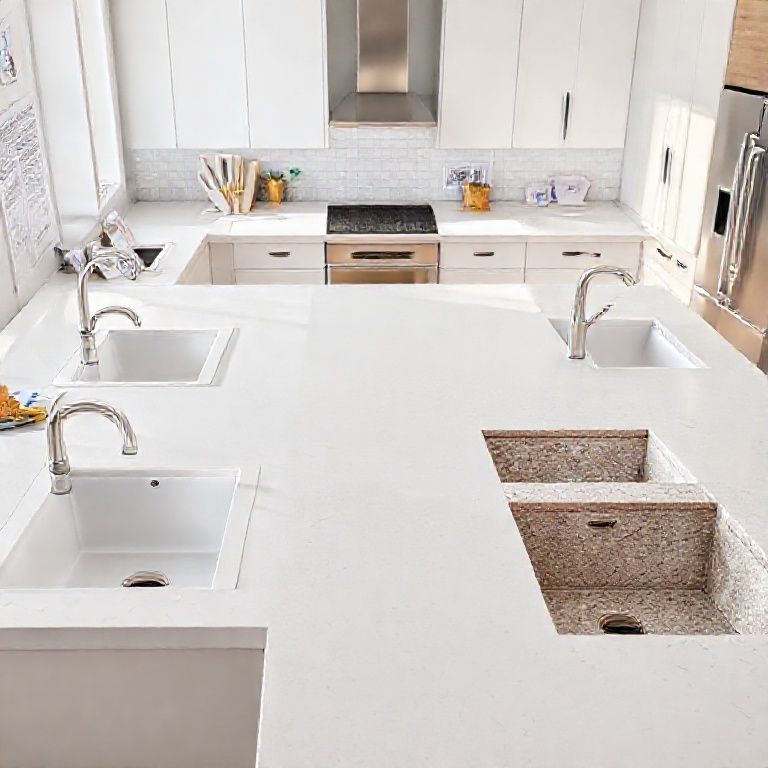
Artificial stone also offers a variety of colors and patterns, and it can be crafted to mimic the appearance of many types of natural stone, including marble, granite, and even wood. Its ability to be molded into various shapes and sizes makes it an excellent choice for custom designs and intricate patterns that might be challenging to achieve with traditional stone.
Cost-Effectiveness
When it comes to cost, both quartz and artificial stone offer significant savings compared to traditional natural stone. Quartz countertops are typically more affordable than high-end natural stones like marble or granite, yet they deliver comparable aesthetics and durability. The cost of installation is also generally lower due to their lighter weight and ease of handling.
Artificial stone is also a cost-effective alternative to natural stone. While the initial cost may be slightly higher than some other synthetic options, it is generally more affordable than top-tier natural stones. Additionally, artificial stone can often be produced in-house, which can reduce shipping costs and lead to more predictable pricing.
Environmental Considerations
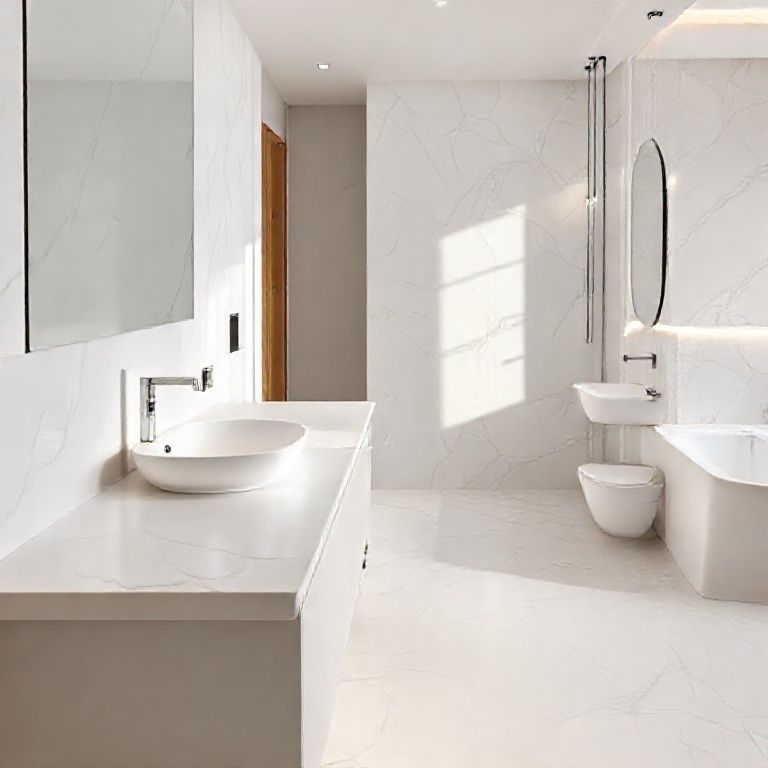
Both quartz and artificial stone are environmentally friendly alternatives to natural stone. Natural stone mining can have significant environmental impacts, including habitat destruction and water usage. Quartz and artificial stone, on the other hand, are manufactured processes that often use recycled materials and have a lower carbon footprint.
Conclusion
Choosing between quartz countertops and artificial stone ultimately depends on your specific needs and preferences. Quartz offers unmatched durability, non-porous surface, and ease of maintenance, making it a top choice for many homeowners. Artificial stone provides a versatile, customizable option with a wide range of aesthetic possibilities, though it requires slightly more careful maintenance.
By understanding the unique benefits and drawbacks of each material, you can make a well-informed decision that best suits your home renovation goals. Whether you opt for the sleek, modern look of quartz or the customizable elegance of artificial stone, both materials provide excellent alternatives to traditional natural stone.
Part 2
The Great Debate: Quartz Countertops vs. Artificial Stone
Having explored the durability, maintenance, aesthetics, and cost-effectiveness of quartz countertops and artificial stone, we can now delve deeper into their specific features, installation processes, and long-term performance to further aid your decision-making process.
Installation and Versatility
The installation process for both quartz and artificial stone is relatively straightforward, but there are some differences worth noting. Quartz countertops are typically pre-cut to size, making them easy to install even for those without extensive DIY experience. Their lightweight nature also makes them easier to handle and less prone to damage during installation.
Artificial stone, while also relatively easy to install, often requires more precision due to its sometimes thicker and more irregular shapes. However, modern techniques and tools have made installation more accessible, and professional installers can handle most setups with ease.
Both materials offer great versatility in terms of design. Quartz can be crafted into various shapes and sizes, making it ideal for custom designs and unique layouts. Artificial stone, with its moldability, can be crafted to mimic a wide range of natural stone textures and patterns, offering endless possibilities for creative designs.
Long-Term Performance and Warranty
One of the key advantages of quartz countertops is their long-term performance. Given its non-porous nature, quartz does not degrade over time, meaning it retains its appearance and functionality year after year. Additionally, quartz countertops often come with warranties that can last for several years, providing peace of mind and financial protection against potential damage.
Artificial stone also performs well over the long term, though its durability can vary depending on the manufacturer and the specific formulation. While artificial stone may not last as long as natural stone, it still offers a durable and attractive option for many homeowners. Most manufacturers offer warranties that typically range from 5 to 10 years, covering damage and ensuring the longevity of the countertop.
Heat Resistance and Safety
Quartz countertops excel in heat resistance, making them an excellent choice for kitchen applications where hot pots, pans, and dishes are frequently used. Their non-reactive nature ensures that they won’t discolor or crack due to heat exposure, providing a safe and reliable surface for cooking and food preparation.
Artificial stone, while durable, generally has lower heat resistance compared to quartz. It is still suitable for kitchen use, but extreme heat can cause some types of artificial stone to crack or change color. It’s important to choose high-quality artificial stone products that are specifically designed for kitchen countertops to ensure safety and longevity.
Aesthetic Appeal and Customization
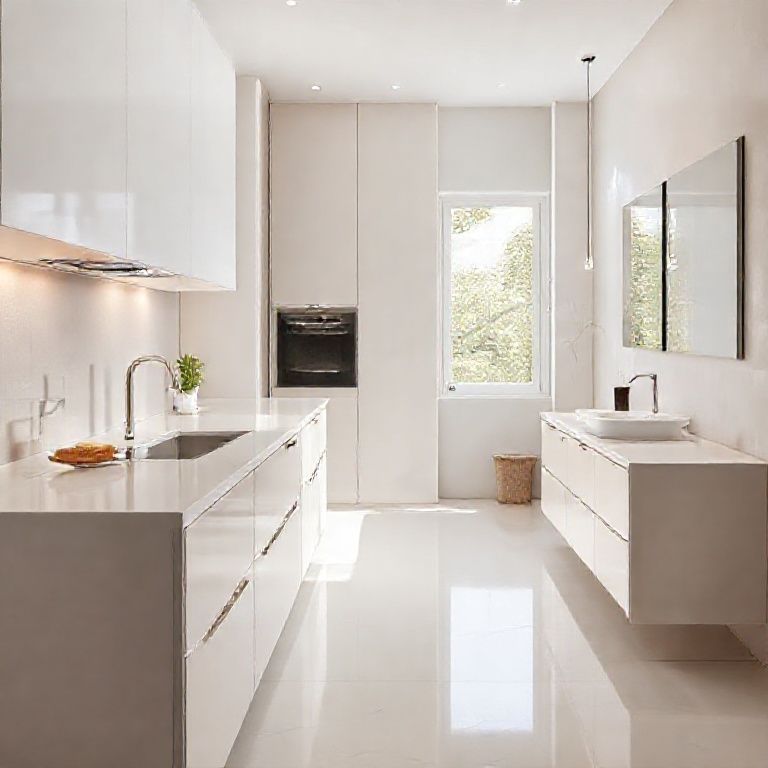
Both quartz and artificial stone offer a wide range of aesthetic possibilities, but they cater to different design preferences. Quartz provides a sleek, modern look that complements minimalist and contemporary home designs. Its clean lines and uniform appearance make it ideal for modern kitchens and bathrooms that prioritize simplicity and elegance.
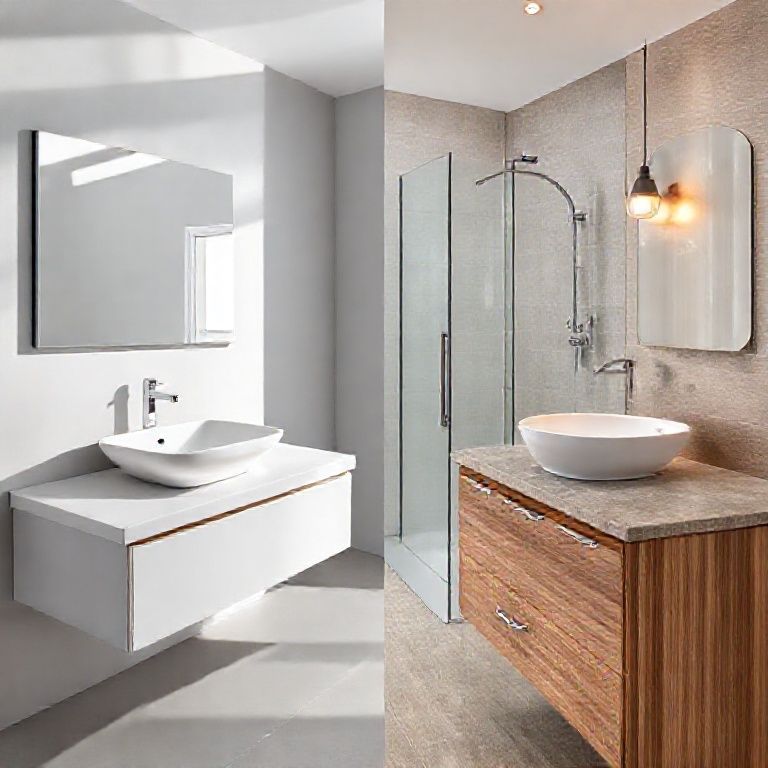
Artificial stone, on the other hand, offers more customization options. Its ability to mimic various natural stone textures allows it to blend seamlessly into different design styles, from traditional to rustic to modern. The variety of colors and patterns available means that artificial stone can be tailored to fit any aesthetic vision, providing a customizable and unique look that can elevate any space.
Environmental Impact and Sustainability
Both quartz and artificial stone offer environmentally friendly alternatives to natural stone. The production of natural stone can have significant environmental impacts, including habitat destruction and high water usage. In contrast, quartz and artificial stone manufacturing processes are often more sustainable, using recycled materials and lower energy inputs.
Quartz, in particular, stands out for its sustainability. It is made from natural quartz crystals that are processed into a durable composite material. This process is energy-efficient and does not involve the environmental degradation associated with mining natural stone.
Artificial stone also benefits from sustainability. Many manufacturers use recycled stone and other natural materials in their production, reducing the need for new mining and lowering overall environmental impact. Additionally, the manufacturing process for artificial stone is often more controlled, leading to less waste and more efficient use of resources.
Conclusion
In conclusion, the decision between quartz countertops and artificial stone hinges on your specific needs, preferences, and design goals. Quartz offers unmatched durability, heat resistance, and a modern aesthetic that is easy to maintain. Its non-porous surface ensures long-term performance and a lower maintenance burden.
Artificial stone provides a versatile, customizable option with a wide range of aesthetic possibilities. While it may not match quartz in heat resistance, it offers flexibility in design and the ability to mimic natural stone textures, making it a compelling choice for those looking for a unique and personalized look.
By considering factors such as durability, maintenance, aesthetics, cost, installation,installation, long-term performance, heat resistance, aesthetic appeal, and environmental impact, you can make a well-informed decision that best suits your home renovation needs.
Final Thoughts
When it comes to choosing between quartz countertops and artificial stone, both materials offer remarkable advantages that make them excellent alternatives to traditional natural stone. The decision ultimately boils down to your specific requirements and priorities.
For those seeking unmatched durability, superior heat resistance, and a modern, minimalist aesthetic with low maintenance, quartz countertops are the ideal choice. Their non-porous surface ensures longevity and ease of cleaning, making them a top pick for kitchen and bathroom renovations.
On the other hand, if you’re looking for a versatile, customizable material that can mimic natural stone textures and patterns, artificial stone provides a fantastic option. While it may not match quartz in heat resistance, its flexibility in design and potential for unique, one-of-a-kind patterns make it a great choice for those who prioritize aesthetics and custom design.
In summary, both quartz and artificial stone offer sustainable, cost-effective alternatives to natural stone, with their own unique benefits that cater to different design preferences and functional needs. By understanding these differences, you can confidently choose the material that best fits your vision and enhances the beauty and functionality of your home.
Whether you opt for the sleek, modern look of quartz or the customizable elegance of artificial stone, both materials promise to elevate your kitchen or bathroom with their durability, beauty, and ease of maintenance.