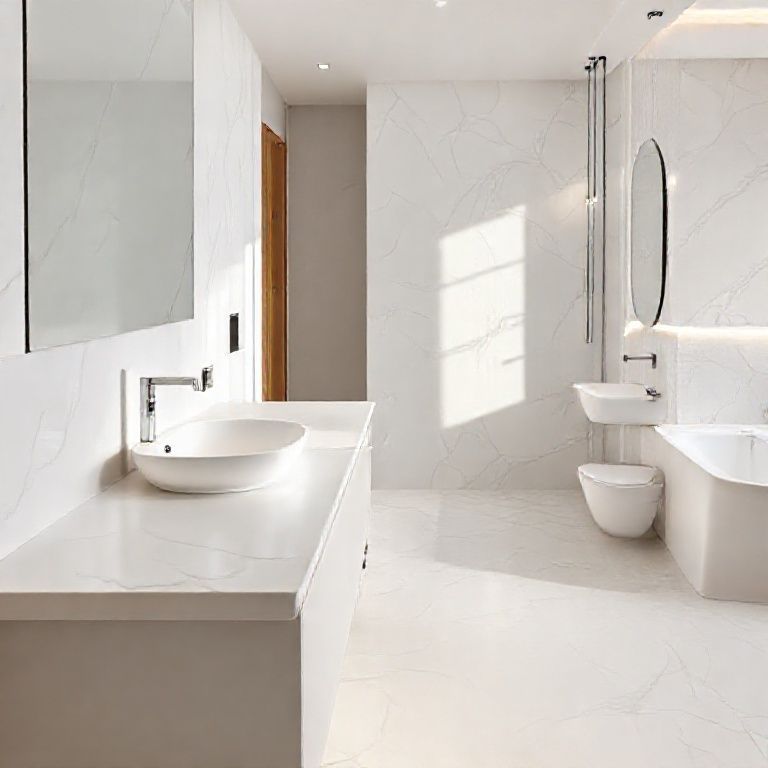
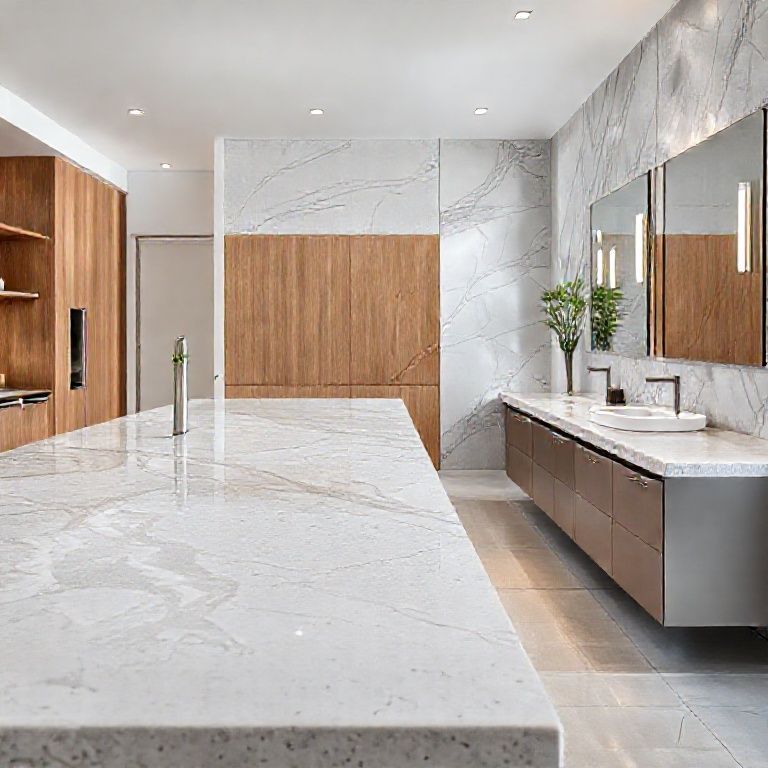
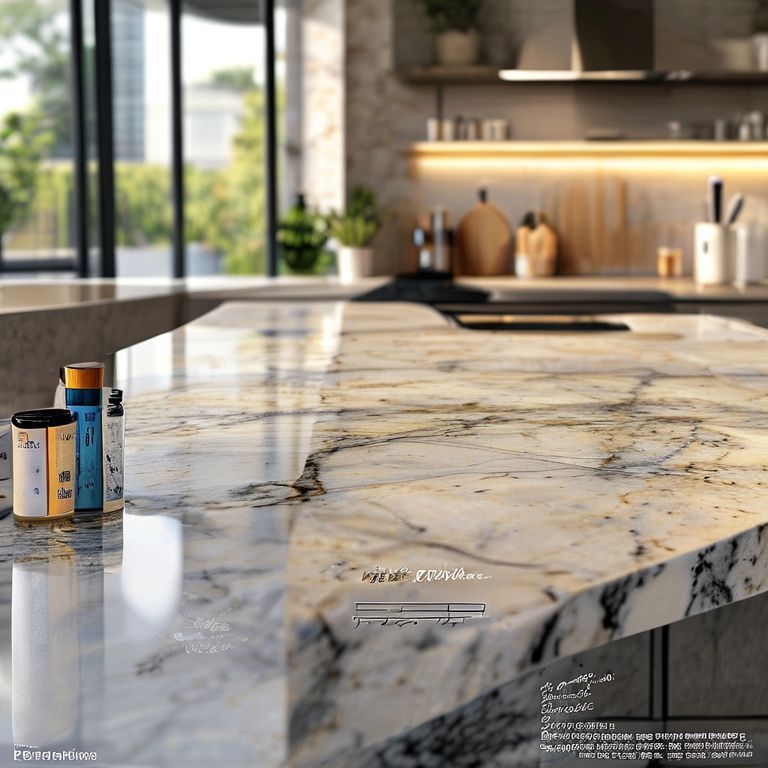
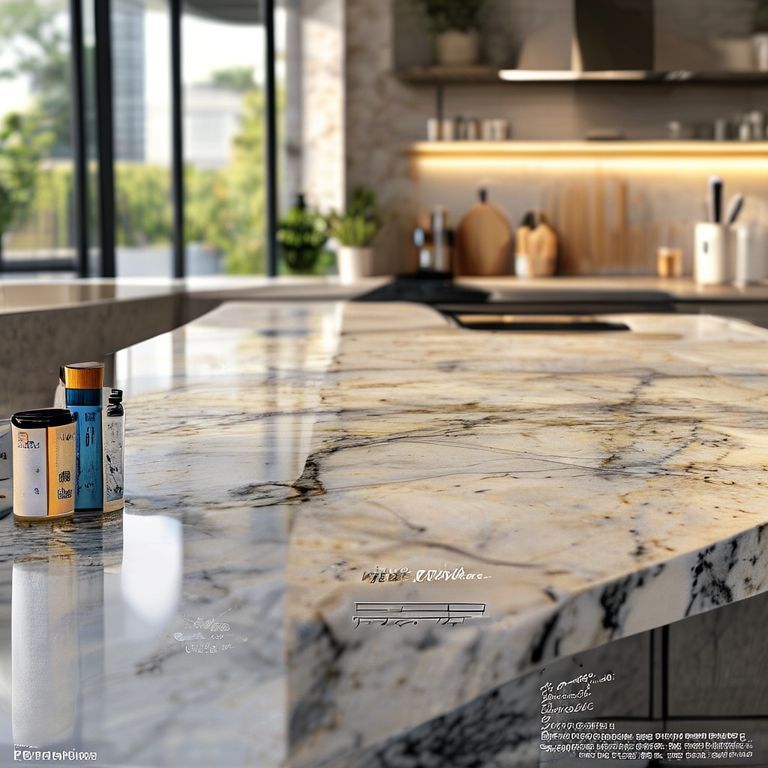
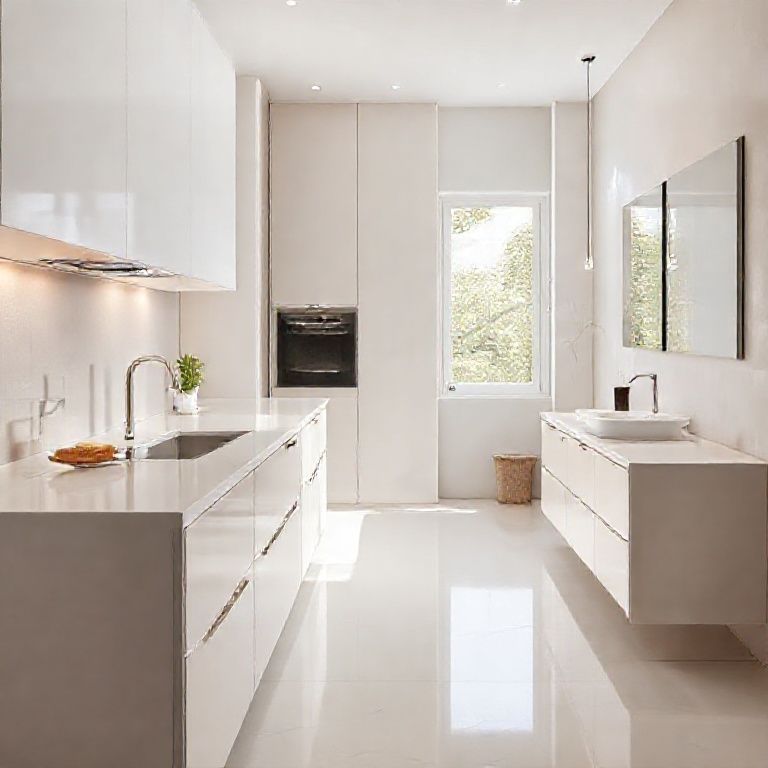
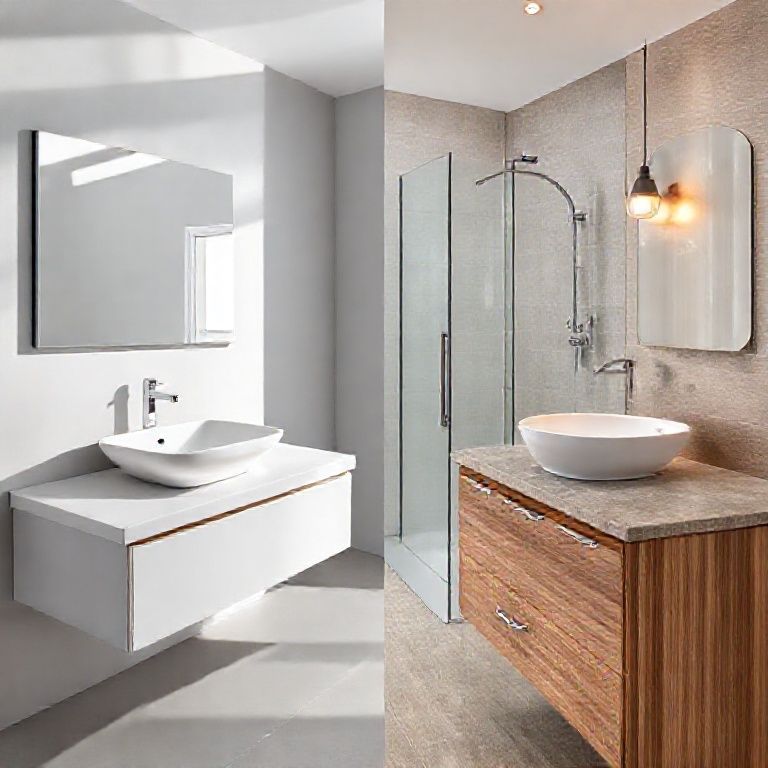
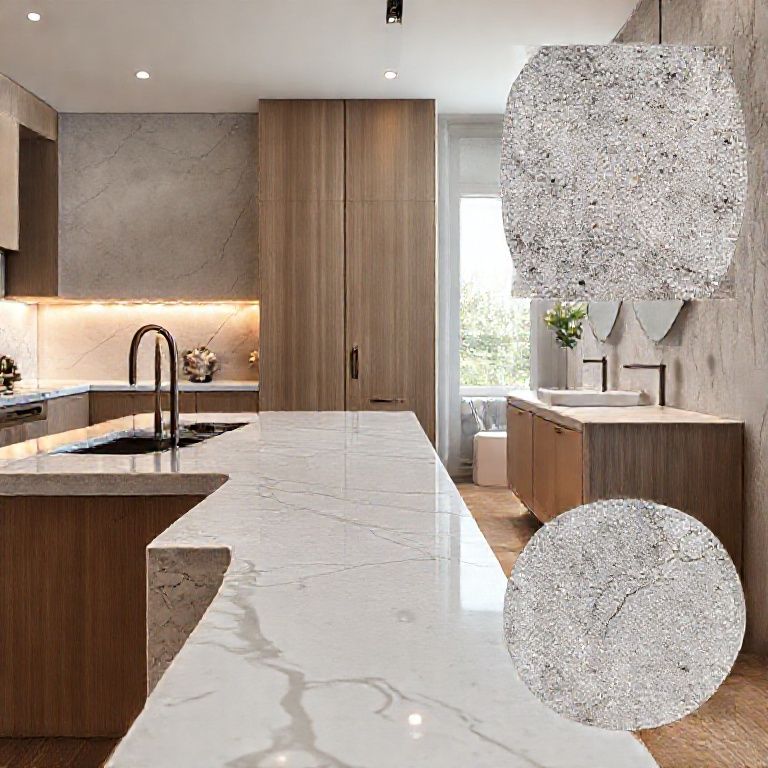
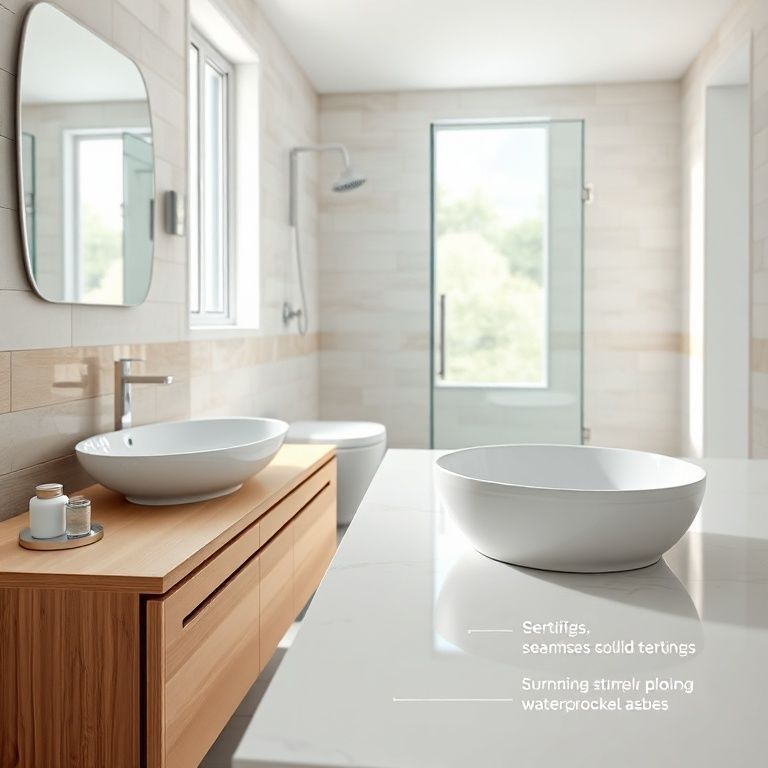
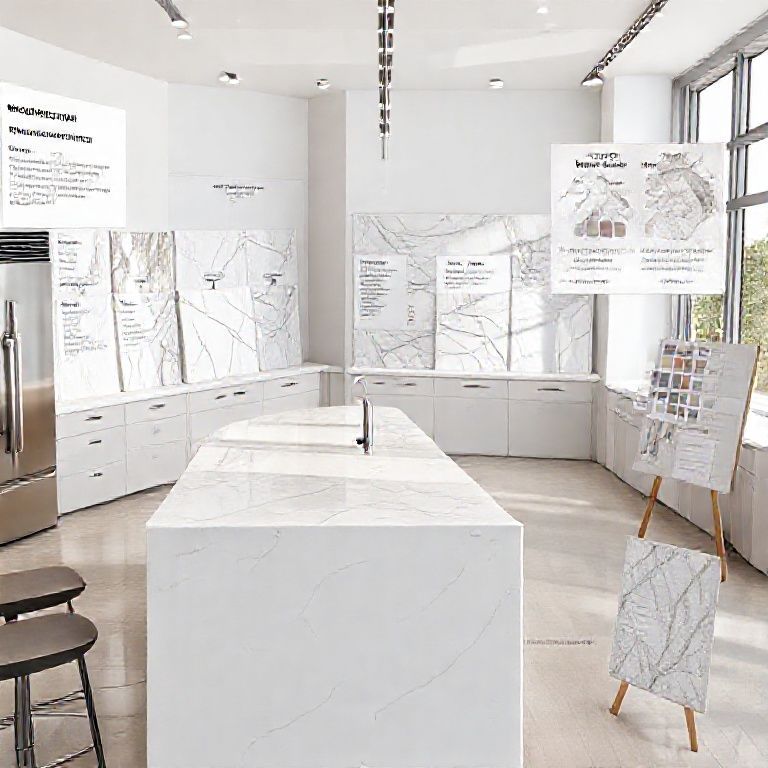
In today’s world of interior design, artificial marble has emerged as a popular choice for countertops, sinks, and other high-traffic areas. Its stunning appearance and durability make it an attractive alternative to natural marble. However, while artificial marble may boast an impressive range of benefits, it also comes with its own set of challenges, particularly when it comes to stain removal. In this first part of our comprehensive guide, we will explore the unique nature of artificial marble, the common types of stains that can affect it, and the best practices for ensuring its longevity and appearance.

Understanding Artificial Marble
Artificial marble, also known as cultured stone or composite stone, is a mixture of minerals and other substances bonded together to mimic the appearance of natural marble. This synthetic material is engineered to offer a durable, low-maintenance surface that retains the aesthetic appeal of natural stone. However, its composition can also present unique challenges when it comes to cleaning and stain removal.
Common Stains on Artificial Marble
One of the primary challenges of maintaining artificial marble is the variety of stains it can encounter. Unlike natural marble, which can often be polished to remove minor blemishes, artificial marble requires more meticulous care to maintain its appearance. Some common types of stains that can affect artificial marble include:
Food Stains: Oils, grease, and food particles can easily penetrate the surface of artificial marble, leaving unsightly marks. This is particularly common in kitchen areas where spills are frequent.
Drink Stains: Beverages such as coffee, tea, wine, and even soft drinks can leave permanent stains on artificial marble if not promptly addressed.
Chemical Stains: Cleaning products, particularly those containing bleach or acidic solutions, can cause discoloration and damage to the surface of artificial marble.
Water Ring Marks: Water spots and ring marks can form around sinks and other areas where water frequently pools, creating a less-than-perfect finish.
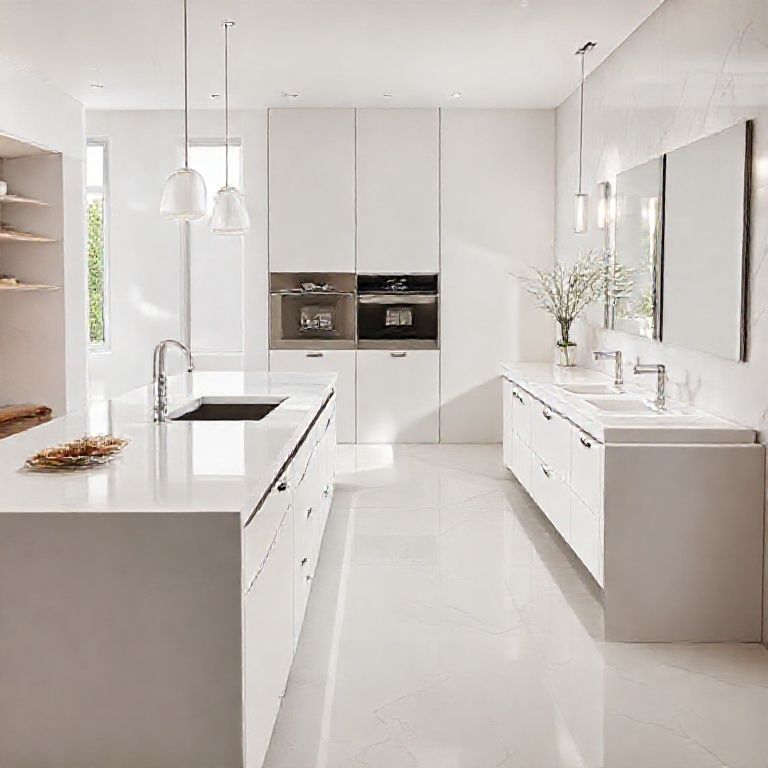
Best Practices for Cleaning Artificial Marble
Maintaining the pristine appearance of artificial marble requires a combination of preventive measures and effective cleaning techniques. Here are some best practices to consider:
Immediate Action for Spills: As soon as a spill occurs, whether it’s food, drink, or another liquid, it’s crucial to address it promptly. Allowing stains to set can make them much harder to remove.
Gentle Cleaning Products: Use only mild, non-abrasive cleaning products designed for stone surfaces. Harsh chemicals can damage the material and cause discoloration. Opt for products that are specifically formulated for artificial marble.
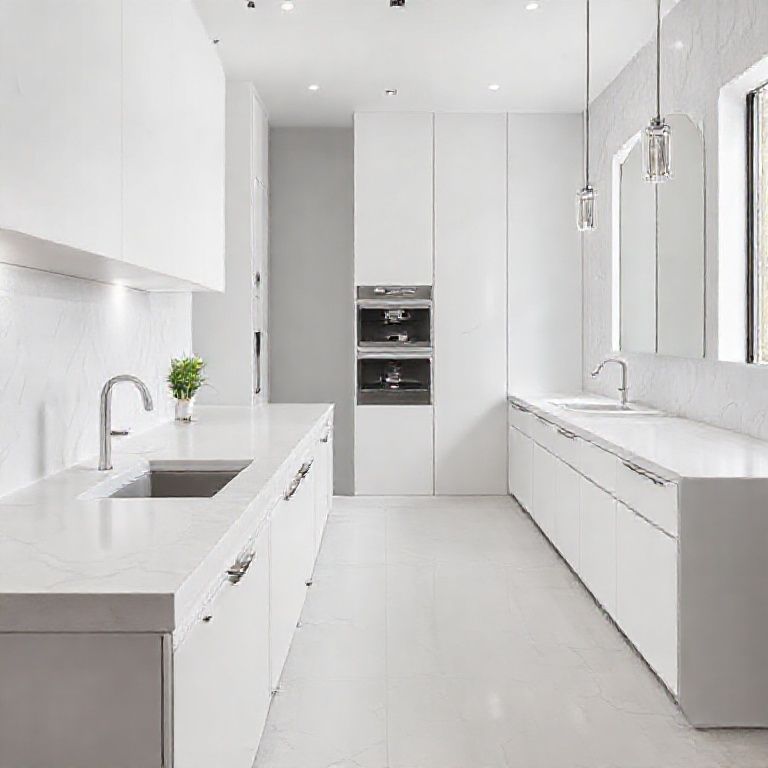
Regular Maintenance: Wipe down surfaces regularly with a damp cloth to remove everyday residues and prevent stains from setting in. A dry microfiber cloth can be used to buff the surface and maintain its shine.
Avoiding Heat: Hot liquids can cause stains and damage the surface of artificial marble. Always allow beverages to cool before pouring them into containers that will sit on the marble surface.
Spot Testing: Before using any new cleaning product, always spot test it on a small, inconspicuous area to ensure it won’t cause damage or discoloration.
Advanced Cleaning Solutions
For tougher stains, there are advanced cleaning solutions available that can help restore the beauty of artificial marble. Here are some effective methods:
Vinegar and Baking Soda Paste: A mixture of vinegar and baking soda can create a powerful yet gentle cleaning paste. Apply the paste to the stain, let it sit for a few minutes, and then gently scrub with a soft cloth before rinsing thoroughly.
Commercial Cleaners: Several commercial cleaners are specifically designed for artificial marble. These products are formulated to tackle a wide range of stains without damaging the surface.
Professional Cleaning Services: For persistent or particularly stubborn stains, consider hiring a professional cleaning service that specializes in stone surfaces. Professionals have access to specialized equipment and products that can effectively clean without harming the material.
Conclusion
Maintaining the beauty and longevity of artificial marble requires a proactive approach to cleaning and stain prevention. By understanding the unique challenges of this synthetic material and implementing best practices, you can ensure that your artificial marble surfaces remain stunning and resilient. In the next part of this guide, we will delve deeper into advanced cleaning techniques and offer additional tips for preserving the pristine appearance of your artificial marble.
In our second part of this comprehensive guide on maintaining artificial marble, we will delve deeper into advanced cleaning techniques and offer additional tips to ensure that your artificial marble surfaces remain pristine and beautiful. Whether you are a homeowner, a professional interior designer, or simply a lover of high-quality home aesthetics, these insights will help you keep your artificial marble looking its best.
Advanced Cleaning Techniques
To effectively manage stains on artificial marble, it’s important to understand and utilize advanced cleaning techniques. Here are some methods that can help you achieve a spotless finish:
Hydrogen Peroxide Solution: For particularly stubborn stains, a hydrogen peroxide solution can be an effective cleaner. Mix equal parts of hydrogen peroxide and water, apply it to the stain, let it sit for a few minutes, and then scrub gently with a soft cloth. Rinse thoroughly to remove any residue.
Dish Soap and Water Paste: A paste made from dish soap and water can help lift tough stains from the surface of artificial marble. Apply the paste to the stain, let it sit for several hours or overnight, and then scrub gently with a cloth. Rinse and dry the surface thoroughly.
Microfiber Cloths: Microfiber cloths are excellent for cleaning artificial marble. They are gentle yet effective, reducing the risk of scratching the surface while removing dirt and grime. Use a slightly damp microfiber cloth for routine cleaning and a dry one for polishing.
Specialized Cleaning Brushes: Using a specialized cleaning brush designed for stone surfaces can help remove stains without damaging the material. These brushes are gentle yet effective, making them ideal for delicate cleaning tasks.
Preventive Maintenance Tips
Preventative measures are crucial to maintaining the beauty and longevity of artificial marble. Here are some additional tips to keep your surfaces looking flawless:
Use Coasters and Placemats: To prevent drink rings and food stains, always use coasters under glasses and placemats under plates. This simple practice can make a significant difference in the upkeep of your artificial marble surfaces.
Avoid Sharp Objects: Avoid using sharp objects to scrape off food or other residues from artificial marble. These can easily scratch the surface, leading to permanent damage. Instead, use a soft cloth to wipe away spills and residues.
Regular Buffing: Regularly buffing your artificial marble surfaces can help maintain their shine and prevent dullness. Use a dry microfiber cloth to buff the surface after each cleaning session.
Seal the Surface: While artificial marble doesn’t require sealing like natural stone, using a high-quality sealant can provide an extra layer of protection against stains and spills. Apply the sealant according to the manufacturer’s instructions, and re-seal periodically to maintain its effectiveness.
Handling Persistent Stains
For stains that persist despite regular cleaning efforts, there are several additional strategies you can employ:
Professional Cleaning Services: If a stain remains stubborn, consider hiring a professional cleaning service that specializes in stone surfaces. Professionals have access to advanced cleaning equipment and products that can effectively remove even the toughest stains.
Baking Soda and Salt: A mixture of baking soda and salt can be used to tackle persistent stains. Create a paste with the two ingredients, apply it to the stain, let it sit for several hours, and then scrub gently with a cloth. Rinse and dry thoroughly.
Lemon Juice and Salt: For organic stains, a mixture of lemon juice and salt can be effective. Apply the paste to the stain, let it sit for a few minutes, and then scrub gently. Rinse and dry the surface to remove any residue.
Conclusion
Maintaining the pristine appearance of artificial marble requires a combination of advanced cleaning techniques, preventive measures, and regular maintenance. By utilizing these strategies, you can ensure that your artificial marble surfaces remain beautiful and resilient for years to come. Whether you’re tackling everyday spills or dealing with persistent stains, these expert tips and methods will help you keep your artificial marble looking its best.
In the world of interior design, the right care and attention can transform the aesthetic appeal of any space. With the right knowledge and tools, you can maintain the stunning beauty of artificial marble, ensuring it stands as a testament to your commitment to high-quality home aesthetics.