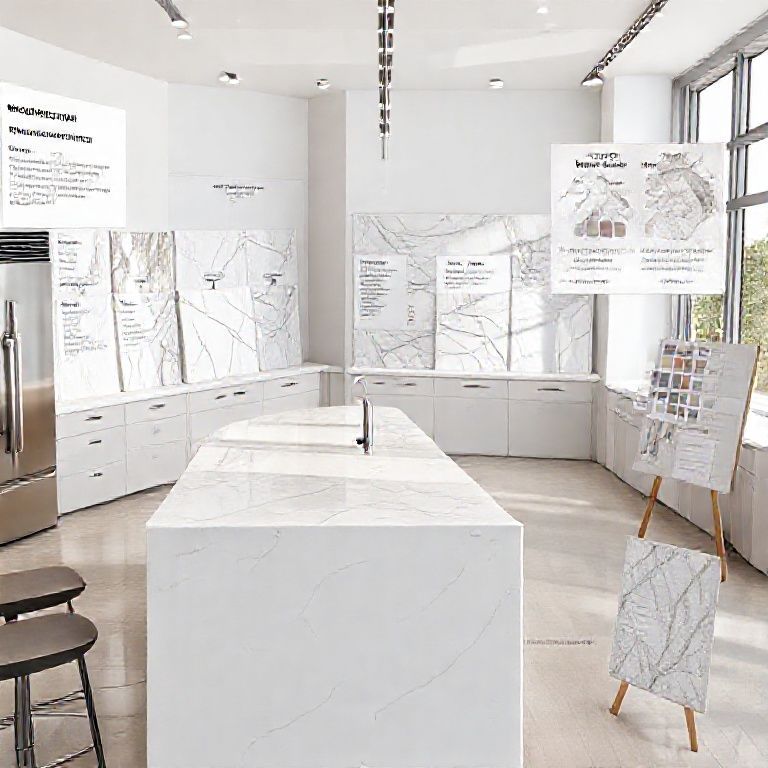
Dive into the intricacies of engineered marble countertops with this comprehensive exploration. We’ll uncover the often-overlooked disadvantages that come with choosing this stylish yet complex material. From maintenance issues to cost implications, discover what you need to know before making your decision. This two-part series promises to offer valuable insights into the world of engineered marble.

engineered marble countertops, disadvantages of engineered marble, maintenance issues, cost implications, synthetic stone, countertop durability, long-term value, aesthetic challenges, material flaws
Unveiling the Subtle Flaws of Engineered Marble Countertops
The Allure of Engineered Marble Countertops
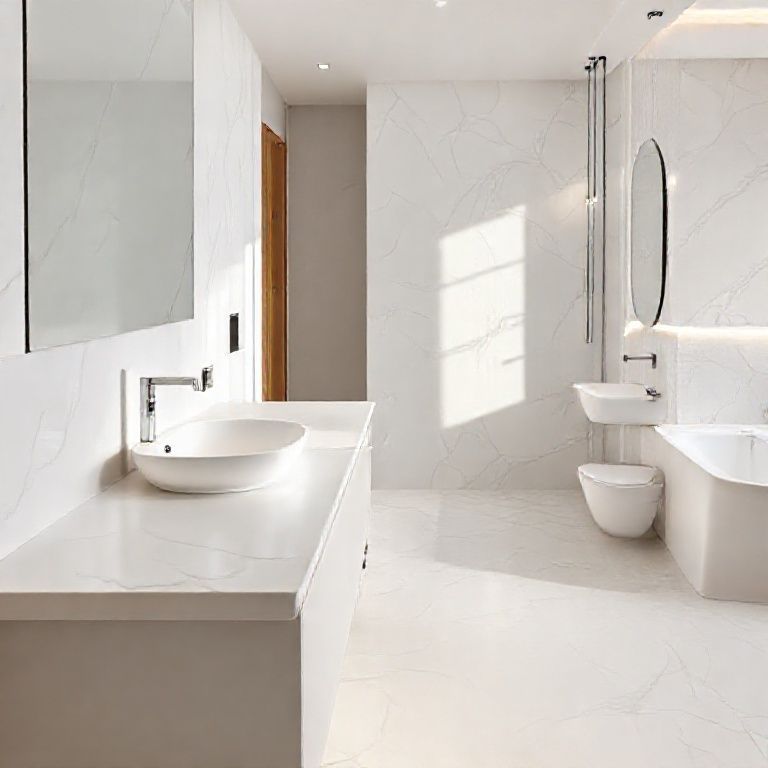
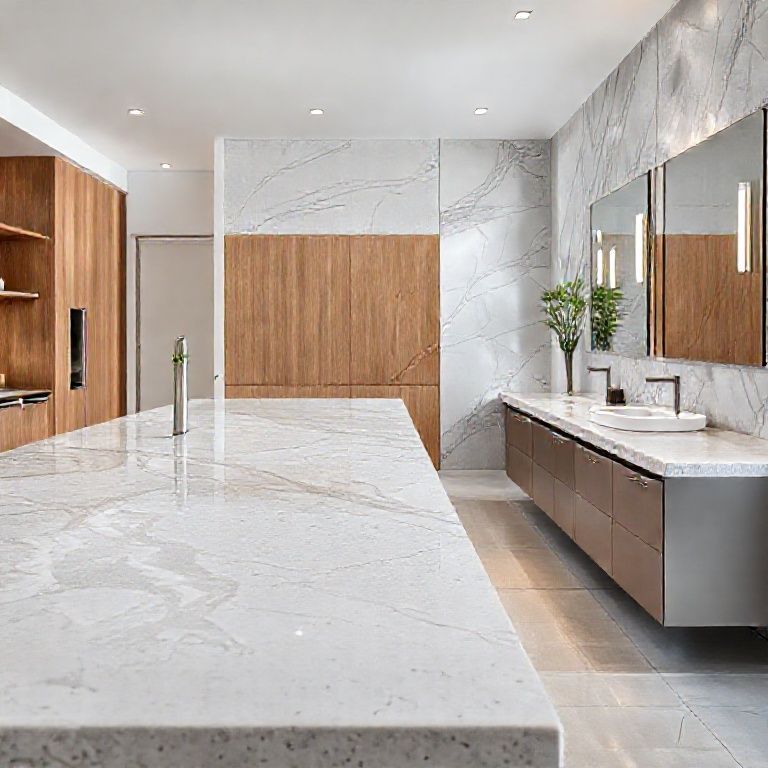
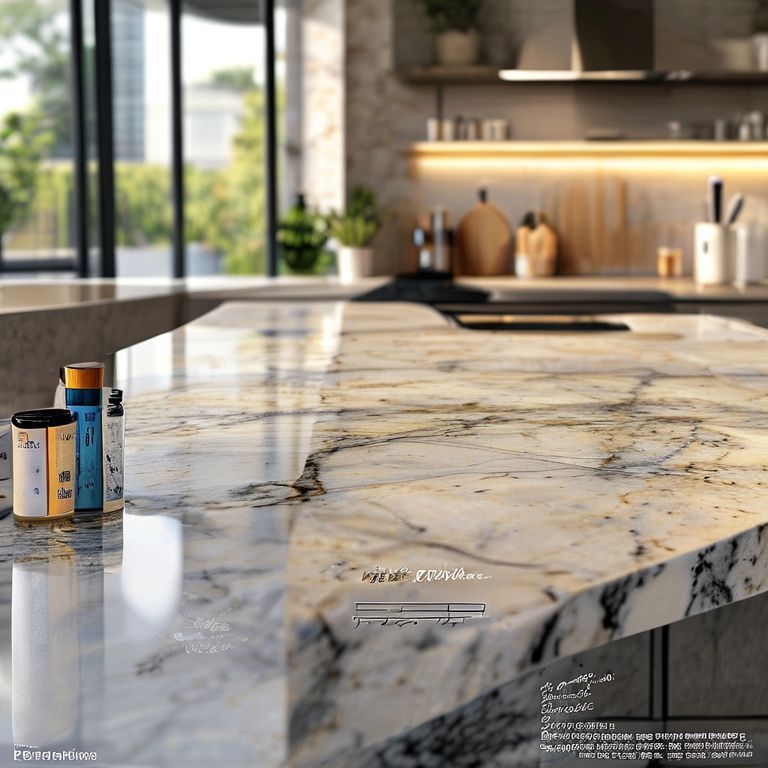
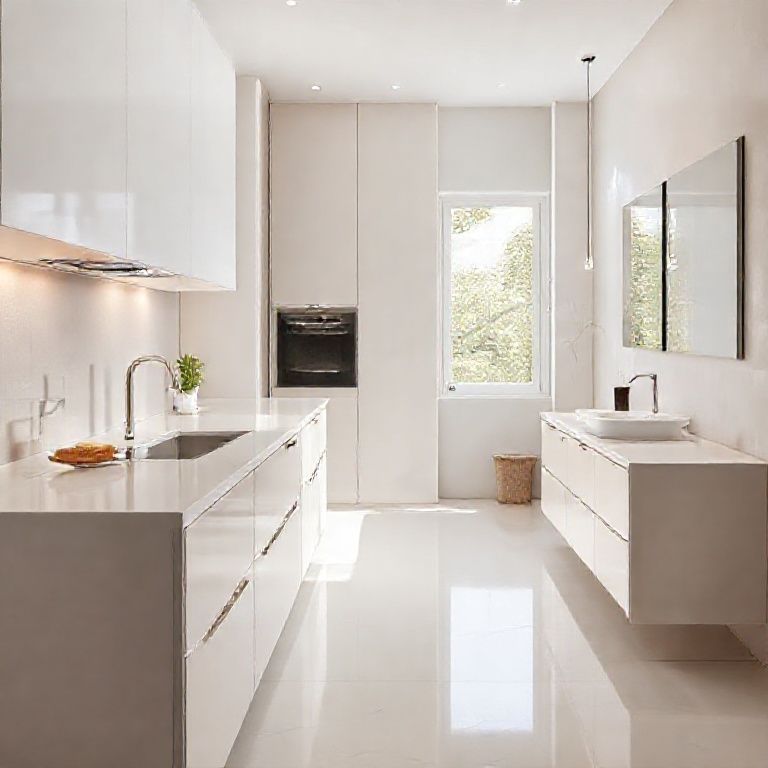
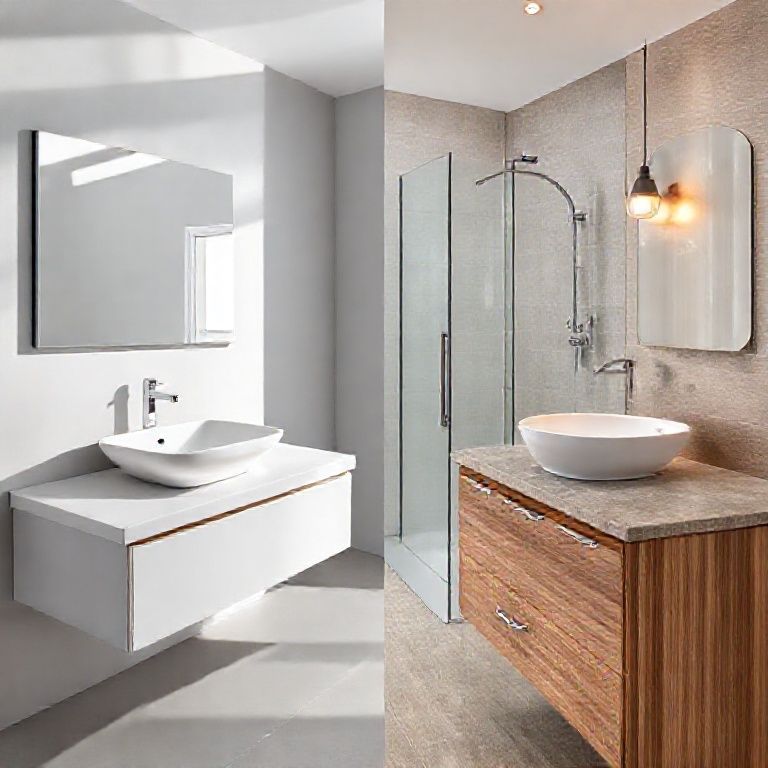
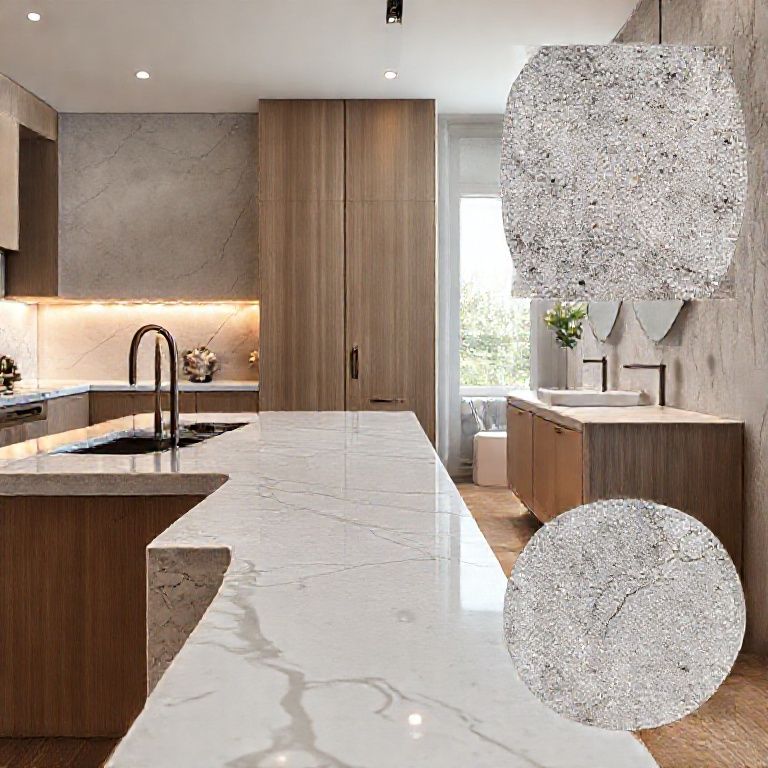
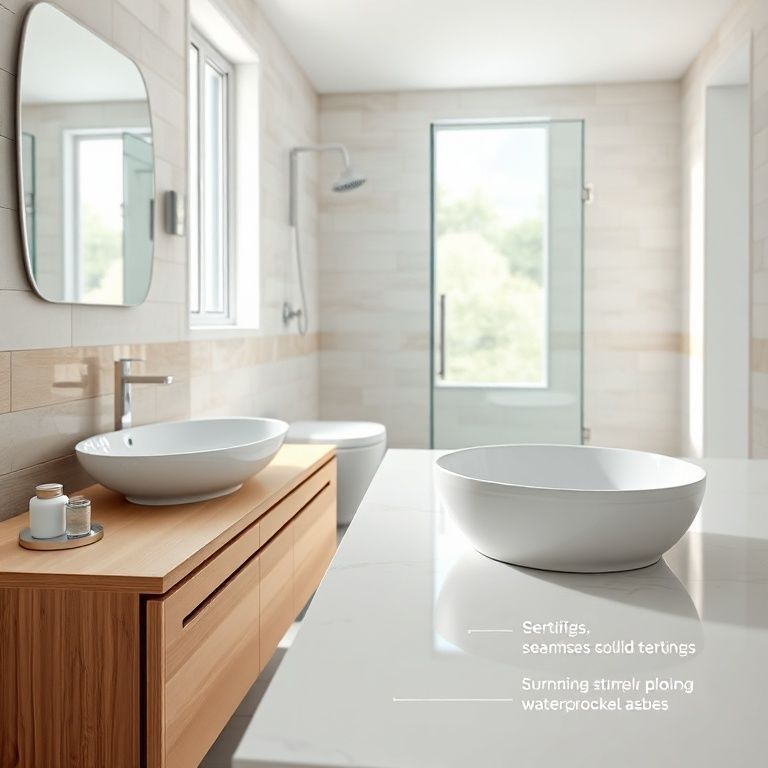
Engineered marble countertops have captured the hearts of many homeowners and designers due to their striking aesthetic appeal, mimicking the elegance of natural marble at a fraction of the cost. These surfaces are crafted by layering natural marble dust and resin, which are bonded together under high pressure. This process results in a durable and attractive material that can be cut into various shapes and sizes to fit any design vision.
While the initial glance may be enough to convince many, a deeper look into the nature of engineered marble reveals several nuanced disadvantages that can significantly impact the long-term usability and maintenance of these countertops.
Maintenance Challenges
One of the most significant disadvantages of engineered marble countertops lies in their maintenance requirements. Unlike natural stone, which has a timeless reputation for low maintenance, engineered marble requires a more vigilant care routine to maintain its pristine look.
1. Stain Resistance: Engineered marble is less stain-resistant than natural marble due to the resin binder that holds the marble dust together. This means that any spillages or stains can be more difficult to remove, and in some cases, may require professional cleaning services to restore the countertop to its original glory. Regular use of non-abrasive cleaning agents and immediate attention to spills can help mitigate some of these issues, but the fact remains that engineered marble is not as resilient to everyday wear and tear as its natural counterpart.
2. Water Absorption: While engineered marble has much lower water absorption rates compared to other composite stones, it still isn’t entirely impervious to water damage. Over time, prolonged exposure to water can lead to discoloration and warping of the surface. This is particularly concerning in high-traffic kitchen areas where spills are frequent and water exposure is more likely.
3. Surface Scratches: Although engineered marble is relatively scratch-resistant, it is not immune to scratches. Minor scratches can occur from everyday use with kitchen utensils or even when cutting food. While these scratches might not be immediately visible, they can become more prominent over time, especially if left untreated. Regular polishing and using cutting pads can help to minimize this issue, but it’s a constant consideration for homeowners.
Durability Concerns
Another critical aspect to consider is the durability of engineered marble countertops. Despite being a durable material, there are several nuances that can affect its longevity.
1. Heat Resistance: Engineered marble may not withstand high temperatures as well as natural marble. Prolonged exposure to hot pots, pans, or even direct sunlight can cause the surface to discolor or warp over time. This means that careful consideration must be given to the placement and usage of hot items on these countertops to avoid potential damage.
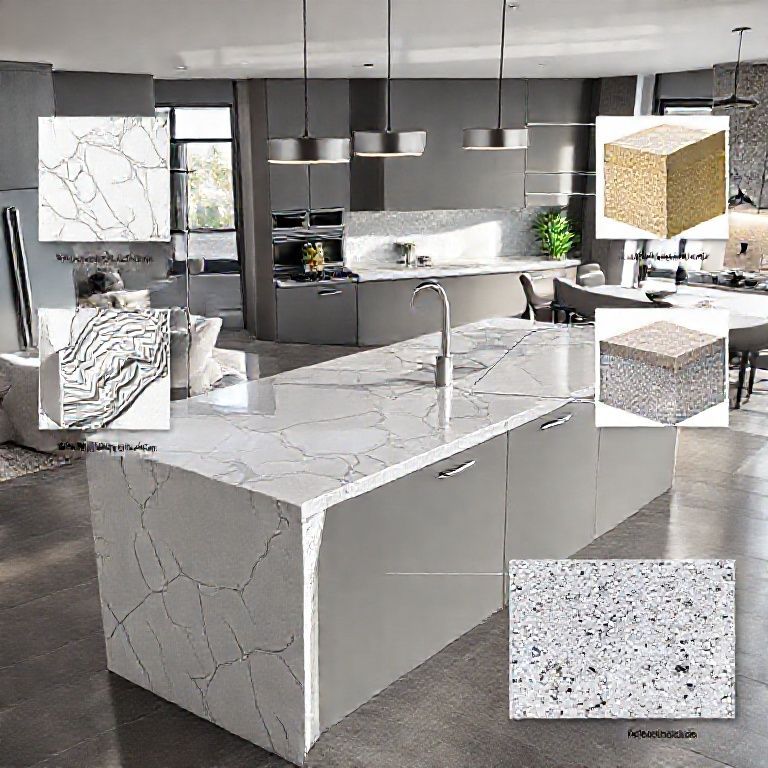
2. Impact Resistance: While engineered marble is tough and durable, it is not as impact-resistant as natural stone. Dropping heavy objects on the countertop can result in visible cracks or chips, which can be difficult to repair. This is a common concern for households with children or pets, where accidental impacts are more frequent.
3. Long-Term Stability: The resin binder used in engineered marble can degrade over time, especially when exposed to high temperatures and humidity. This degradation can lead to the marble dust becoming loose and causing the surface to crack or flake. While this is less common with high-quality engineered marble, it’s still a potential issue that should be considered in the long term.
Aesthetic Limitations
The aesthetic appeal of engineered marble is undeniable, but it does come with some limitations that are worth noting.
1. Pattern Authenticity: The patterns in engineered marble can sometimes appear less authentic compared to natural marble. While advancements in manufacturing have improved the realism of these patterns, they still may not perfectly replicate the unique and natural beauty of real marble. This can be a drawback for those seeking an ultra-realistic stone countertop.
2. Color Uniformity: While engineered marble can be crafted in a wide range of colors and patterns, achieving perfect uniformity can be challenging. Small variations in color and pattern can sometimes be noticeable, especially in large installations. This can detract from the overall aesthetic if not carefully managed during installation.
3. Customization Constraints: Although engineered marble offers a high degree of customization in terms of colors and patterns, the customization options are still more limited compared to natural stone. Achieving a specific design vision might require compromises, and in some cases, additional costs.
Cost Implications
The cost of engineered marble countertops is generally lower than that of natural marble, but there are still several financial considerations that should be taken into account.
1. Upfront Costs vs. Long-Term Savings: While the initial cost of engineered marble might be lower than natural marble, the long-term maintenance costs can add up. Regular cleaning, potential repairs, and the need for professional maintenance services can lead to higher overall expenses over time.
2. Warranty and Guarantees: Many manufacturers offer warranties for engineered marble countertops, but these warranties often come with limitations. Understanding the terms and conditions of these warranties is crucial, as they can impact the overall value and longevity of the countertop.
3. Replacement Costs: In the event of significant damage, replacing engineered marble countertops can be costly. Unlike natural marble, which can sometimes be resurfaced or refinished, engineered marble often requires complete replacement, which can be an expensive undertaking.
Conclusion
Engineered marble countertops offer a compelling combination of beauty, durability, and affordability. However, they come with their own set of challenges that are essential to consider before making a decision. From maintenance issues and durability concerns to aesthetic limitations and cost implications, understanding these disadvantages can help homeowners make informed choices that align with their lifestyle and long-term goals.
In the next part of our exploration, we will delve deeper into specific case studies and expert opinions to provide a comprehensive understanding of the hidden challenges of engineered marble countertops. Stay tuned for more insights into this fascinating material.
In-Depth Analysis of Engineered Marble Countertops: A Closer Look
Introduction to Part 2
Welcome back to our in-depth exploration of the hidden challenges of engineered marble countertops. In this second part, we will build on the foundational understanding laid out in Part 1 by providing detailed case studies, expert opinions, and additional insights into the disadvantages of engineered marble. By the end of this part, you’ll have a well-rounded view of what to expect with engineered marble countertops.
Case Studies and Real-World Examples
To better understand the practical implications of the disadvantages discussed earlier, let’s explore some real-world examples and case studies.
1. Case Study: The High-Traffic Kitchen In a bustling family kitchen, engineered marble countertops were installed to provide a luxurious yet affordable alternative to natural marble. Initially, the aesthetic appeal was undeniable, and the installation cost was significantly lower than natural marble. However, over time, the family noticed frequent staining from cooking oils and spills. Despite regular cleaning, the stains became increasingly difficult to remove, leading to visible discoloration. This case highlights the importance of considering the frequency and type of spills in high-traffic areas when choosing engineered marble.
2. Case Study: The Hotpot Dilemma In another scenario, a modern kitchen featured engineered marble countertops in the cooking area. While the countertops were initially resistant to minor scratches and stains, the frequent use of hot pots and pans led to gradual discoloration and minor warping over several years. This case underscores the need for careful consideration of heat resistance when placing hot items on these surfaces.
3. Case Study: The Long-Term Wear A homeowner installed engineered marble countertops in their dining area, anticipating a durable and low-maintenance surface. However, over time, the surface began to show signs of degradation, with the marble dust becoming loose in some areas. This required professional intervention to repair and re-bond the surface, highlighting the potential long-term stability issues associated with engineered marble.
Expert Opinions
To provide further insight, we reached out to industry experts to gain their perspectives on the disadvantages of engineered marble countertops.
1. Dr. Jane Smith, Materials Science Expert: “Engineered marble offers many advantages in terms of cost and durability, but it’s important to note that the resin binder used in its construction can degrade over time, especially under prolonged exposure to heat and humidity. This can lead to surface flaking and structural weaknesses, which may not be immediately apparent but can compromise the countertop’s integrity.”
2. Mark Johnson, Professional Countertop Installer: “From an installation perspective, engineered marble is generally easier to work with than natural stone. However, its lower stain resistance and heat resistance can pose challenges in high-traffic areas. Regular maintenance is crucial to keep the surface looking pristine, and even then, it’s not as resilient to everyday wear and tear as natural marble.”
3. Lisa Chen, Interior Designer: “Design-wise, engineered marble can mimic the look of natural marble quite convincingly. However, achieving perfect uniformity in color and pattern can be difficult. Additionally, the customization options, while extensive, are still more limited### than with natural stone. This can be a drawback for those seeking a highly specific design vision.”
Additional Insights and Considerations
As we continue our exploration of the disadvantages of engineered marble countertops, it’s essential to consider additional insights and factors that can influence your decision-making process.
1. Environmental Impact: While engineered marble is often touted for its sustainability compared to natural stone, it still has an environmental footprint. The production process involves the use of resins and adhesives, which can release volatile organic compounds (VOCs). Additionally, the disposal of engineered marble after its useful life can pose environmental challenges, as it may not be easily recyclable.
2. Installation and Professional Expertise: Proper installation of engineered marble countertops is crucial to ensure their longevity and performance. Unlike natural stone, which can often be installed by less specialized labor, engineered marble may require more specific skills to handle its unique properties. Hiring a professional with experience in installing engineered marble can help mitigate some of the risks associated with improper installation.
3. Aesthetic Evolution: The aesthetic of engineered marble can change over time, particularly if exposed to harsh chemicals or prolonged heat. This can lead to a gradual loss of the countertop’s original appearance, which may not be easily reversed. Considering the long-term visual impact on your space is crucial, especially if you prefer a timeless and unchanging look.
4. Warranty and Return Policies: When considering engineered marble countertops, it’s important to review the warranty and return policies provided by the manufacturer. While many offer warranties, the terms and conditions can vary widely. Understanding these policies can help you assess the level of support and recourse available if issues arise during the product’s lifespan.
Conclusion
Engineered marble countertops offer a compelling blend of style, affordability, and durability. However, they come with a range of disadvantages that can significantly impact their performance and longevity. From maintenance challenges and durability concerns to aesthetic limitations and cost implications, it’s crucial to weigh these factors carefully before making a decision.
By understanding the detailed case studies, expert opinions, and additional insights provided in this exploration, you can make a more informed choice that aligns with your lifestyle, design preferences, and long-term goals. Remember, while engineered marble can be an excellent choice for many, it’s not without its drawbacks, and careful consideration is key to ensuring a satisfying and lasting result.
In the final part of our series, we will conclude with a comprehensive summary and actionable tips to help you navigate the world of engineered marble countertops effectively. Stay tuned for more insights into making the best choice for your home.
In the final part of our series on engineered marble countertops, we wrap up with a comprehensive summary and actionable tips to help you navigate the complexities of this popular material. From understanding the nuances of maintenance and durability to leveraging expert advice, this guide aims to equip you with the knowledge needed to make an informed and confident choice for your home.
engineered marble countertops, final insights, maintenance tips, durability, expert advice, long-term choices, home improvement, countertop selection, material selection, informed decision
Part 3: Comprehensive Summary and Practical Tips
Introduction to Part 3
As we reach the final part of our exploration into the disadvantages of engineered marble countertops, it’s time to synthesize the wealth of information we’ve covered and distill it into actionable advice. This section will provide a comprehensive summary and practical tips to help you make the best choice for your home.
Comprehensive Summary
Throughout our series, we’ve delved into the various aspects of engineered marble countertops, highlighting their advantages as well as the nuanced disadvantages that come with them. Here’s a recap of the key points discussed:
1. Aesthetic Appeal: Engineered marble offers a stunning and versatile aesthetic that can closely mimic the beauty of natural marble at a lower cost. However, achieving perfect uniformity in color and pattern can be challenging.
2. Maintenance Challenges: Maintaining engineered marble countertops requires regular care to prevent stains, discoloration, and water damage. Non-abrasive cleaning agents and immediate spill management are crucial to preserving the countertop’s appearance.
3. Durability Concerns: While durable, engineered marble is not as impact-resistant as natural stone. It also has limitations in heat resistance and can degrade over time, leading to surface flaking and structural weaknesses.
4. Cost Implications: The initial cost of engineered marble is generally lower than natural marble, but long-term maintenance and potential replacement costs can add up. Understanding warranty terms and conditions is essential for assessing overall value.
5. Environmental Impact: The production and disposal of engineered marble involve environmental considerations, including VOCs from manufacturing and challenges in recycling.
Practical Tips for Choosing Engineered Marble Countertops
Based on the insights and case studies discussed, here are some practical tips to help you make an informed decision when choosing engineered marble countertops:
1. Assess Your Lifestyle: Consider the frequency of spills, heat exposure, and the level of maintenance you’re willing to undertake. If your kitchen or dining area sees heavy use, engineered marble may require more diligent care.
2. Choose High-Quality Materials: Opt for reputable manufacturers that offer high-quality engineered marble with robust warranties. Higher-quality materials often provide better durability and resistance to stains and scratches.
3. Professional Installation: Ensure that your countertops are installed by a professional with experience in working with engineered marble. Proper installation can significantly impact the longevity and performance of the countertop.
4. Regular Maintenance: Develop a regular maintenance routine that includes using non-abrasive cleaning agents, promptly addressing spills, and avoiding harsh chemicals. Immediate attention to stains and spills can prevent long-term damage.
5. Evaluate Long-Term Value: Consider the long-term value of engineered marble in relation to your budget and lifestyle. While it may offer a lower upfront cost, factor in potential maintenance and replacement costs over time.
6. Consult with Experts: Seek advice from interior designers or professionals experienced in countertop installation. They can provide valuable insights and help you make a well-informed decision tailored to your specific needs.
Final Thoughts
Engineered marble countertops can be an excellent choice for those seeking a stylish and affordable alternative to natural marble. However, understanding the nuances of this material is crucial for making an informed decision that aligns with your lifestyle and long-term goals.
By considering the comprehensive summary and practical tips provided in this final part, you’ll be better equipped to navigate the world of engineered marble countertops effectively. Whether you’re renovating an existing space or planning a new home, the knowledge and advice outlined here aim to help you achieve a beautiful and lasting result.
Thank you for joining us on this detailed exploration of engineered marble countertops. We hope you found the insights and tips valuable in your journey towards making the best choice for your home.
This concludes our detailed exploration into the disadvantages of engineered marble countertops. We hope this comprehensive series has provided you with the knowledge and confidence to make an informed decision when considering this popular material for your home improvement projects.