The Allure and the Unknown Dangers
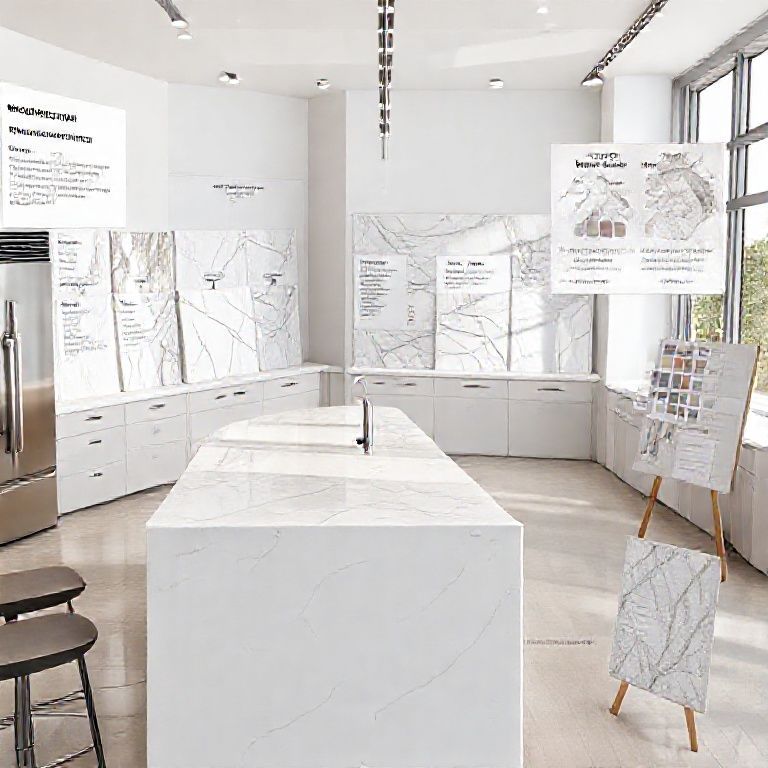
In the world of interior design, the allure of marble has always been a compelling force. Its timeless beauty, coupled with a variety of colors and patterns, makes it a favorite choice for countertops, flooring, and even bathroom fixtures. However, as we delve deeper into the specifics, a more nuanced conversation emerges around “engineered marble” or “man-made marble.”

What is Engineered Marble?
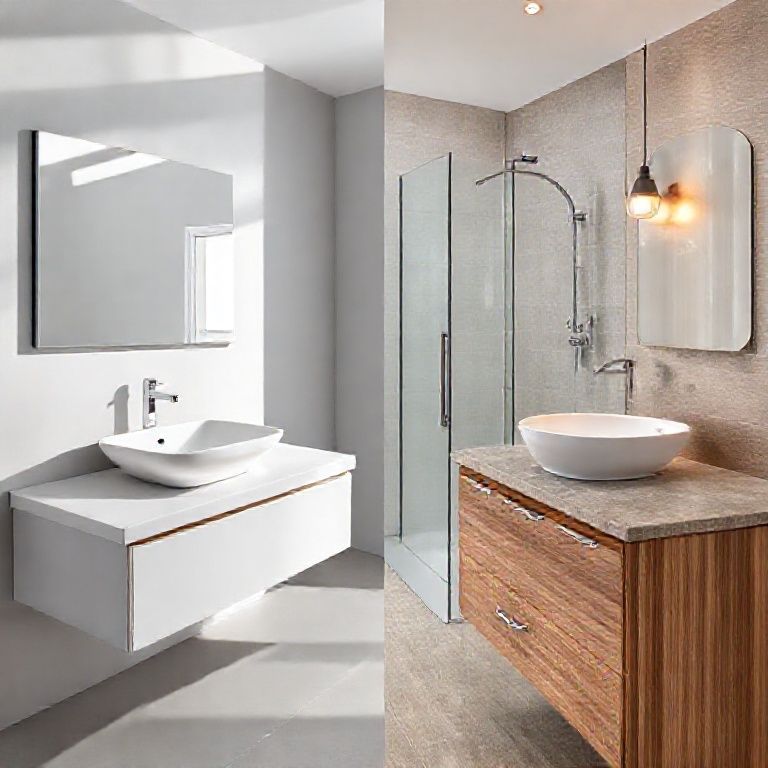
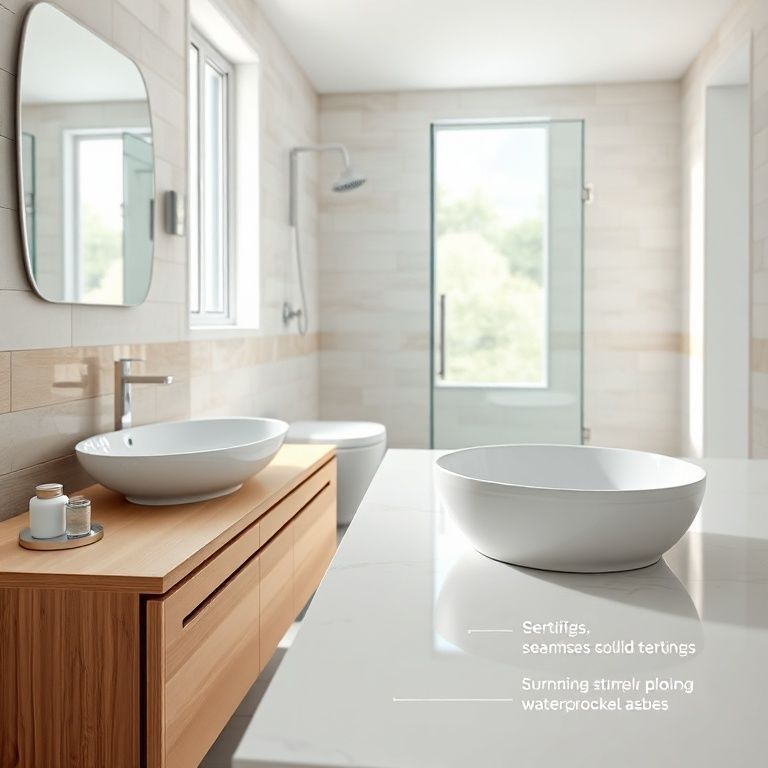
Engineered marble is a composite material made primarily from natural marble or limestone. It is bonded together with resins to form a durable, monolithic slab. This type of material has gained popularity due to its cost-effectiveness and versatility. Unlike traditional marble, engineered marble can be produced in various colors and finishes, offering designers and homeowners a wide range of options.
The Surface-Level Appeal
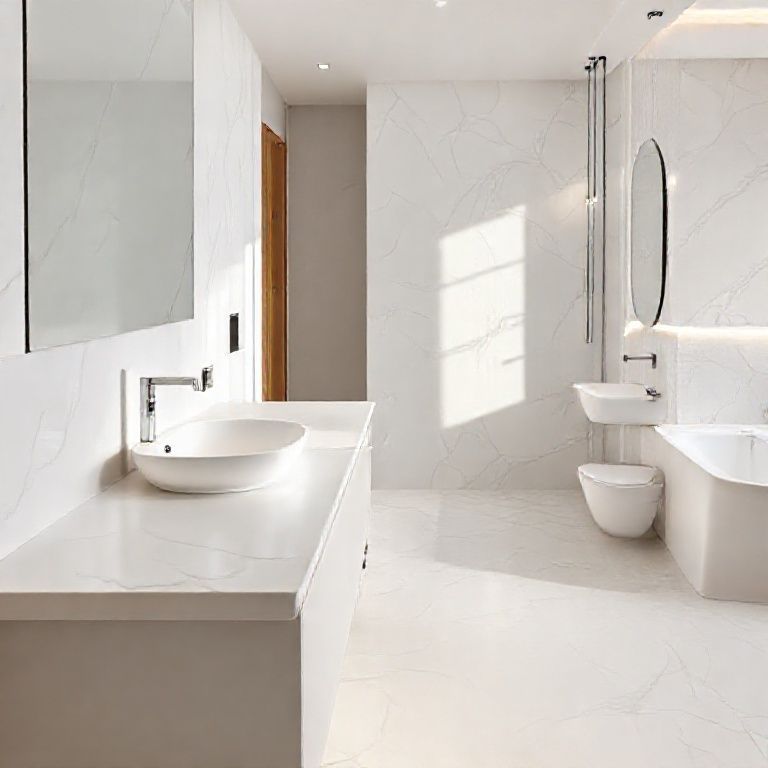
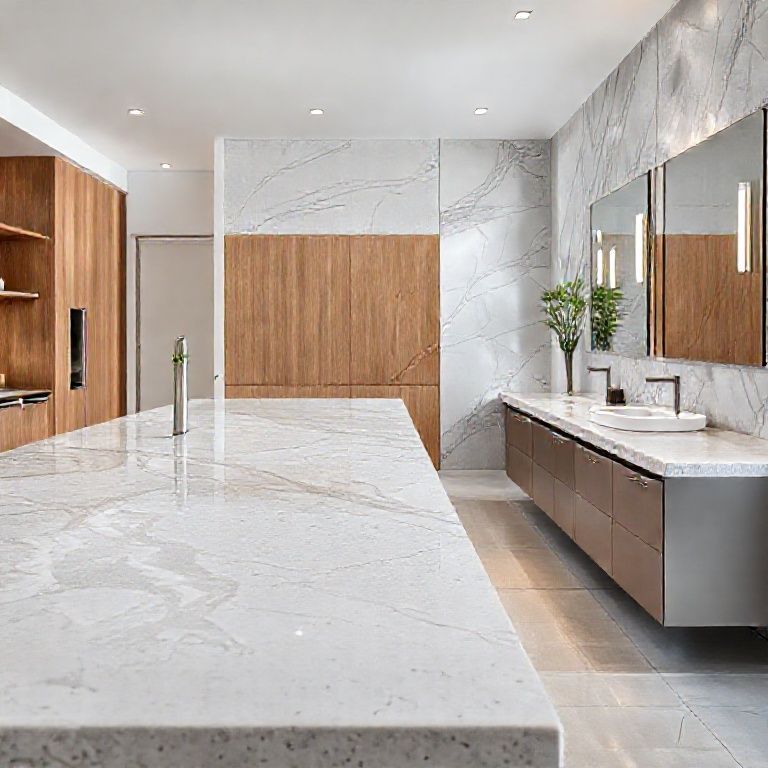
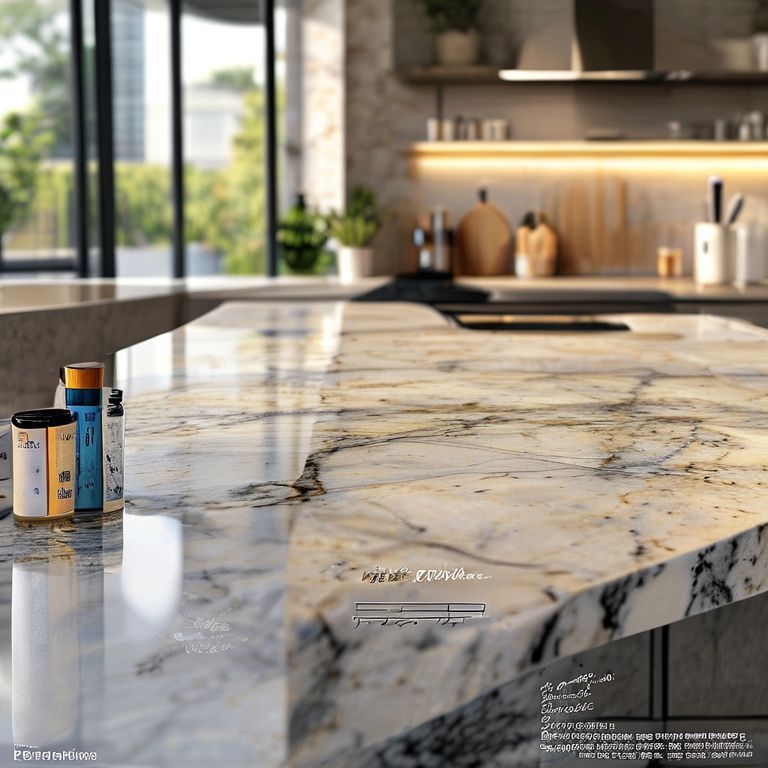
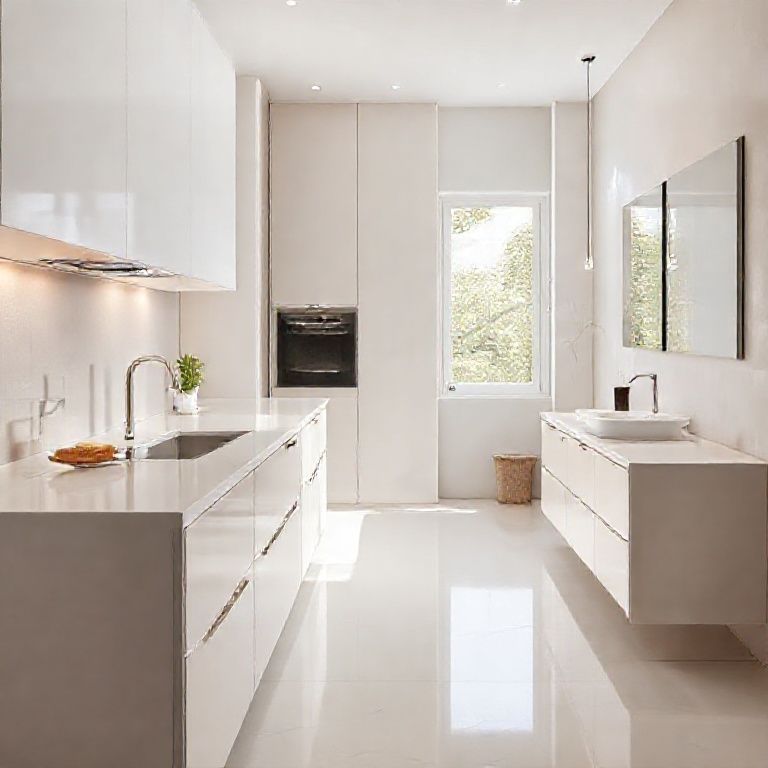
On the surface, engineered marble seems like the perfect choice. It mimics the appearance of natural marble without the hefty price tag. It’s easy to install, maintains a sleek and polished look, and is often marketed as being low-maintenance. Many people choose engineered marble because it appears luxurious yet is more affordable than solid marble.
Potential Health Risks
However, beneath this veneer lies a more troubling reality. One of the primary concerns with engineered marble is its chemical composition. The resins and binding agents used to create it can release volatile organic compounds (VOCs). These chemicals are often used in the manufacturing process to hold the marble dust together and may include substances like phthalates and formaldehyde.
Exposure to these chemicals can lead to various health issues. VOCs are known to cause respiratory problems, headaches, and eye irritation. For those with pre-existing conditions like asthma or allergies, the impact can be even more severe. Long-term exposure to these chemicals may also pose risks, including contributing to more serious health problems such as cancer.
Environmental Concerns
The environmental impact of engineered marble is another critical aspect that cannot be overlooked. The production process involves the use of natural marble or limestone, which are finite resources. While the extraction of these materials is regulated, the process can still contribute to environmental degradation. Quarrying for natural marble or limestone can lead to habitat destruction, soil erosion, and water pollution.
Furthermore, the resins used in engineered marble production are often derived from petrochemicals, which are non-renewable resources. This adds to the carbon footprint associated with the material’s creation. Additionally, the manufacturing process can be energy-intensive, contributing to greenhouse gas emissions.
Durability Myths
Another aspect of engineered marble that often leads to misconceptions is its durability. While engineered marble is indeed more durable than natural marble, it is not invulnerable. Unlike natural stone, engineered marble is prone to scratching and staining. Although it can be polished to restore its appearance, repeated damage can lead to permanent blemishes.
Moreover, engineered marble does not age gracefully. The resins that hold it together can degrade over time, leading to cracks and chips. This makes it less suitable for high-traffic areas where wear and tear are more pronounced.
Alternatives to Engineered Marble
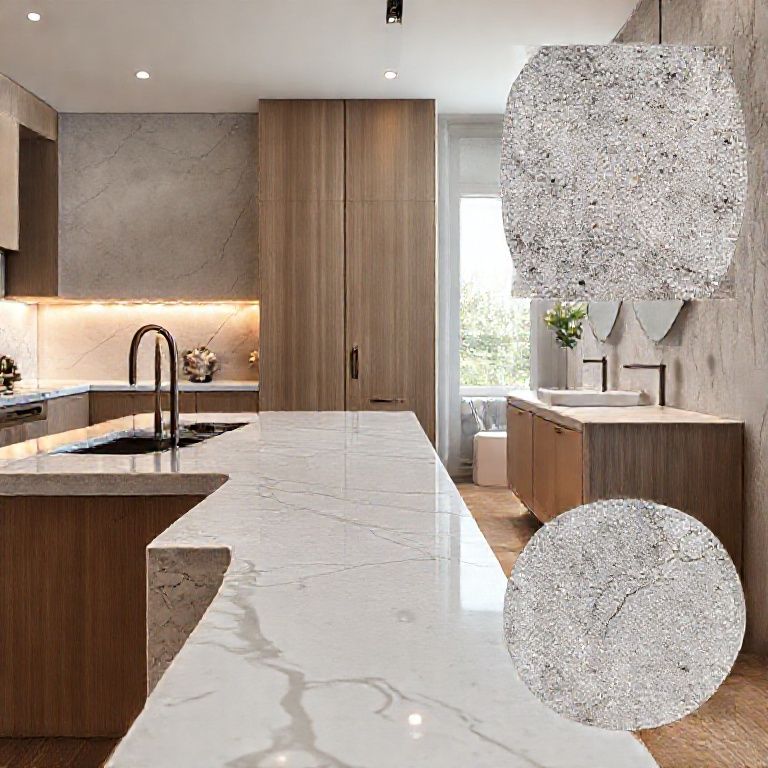
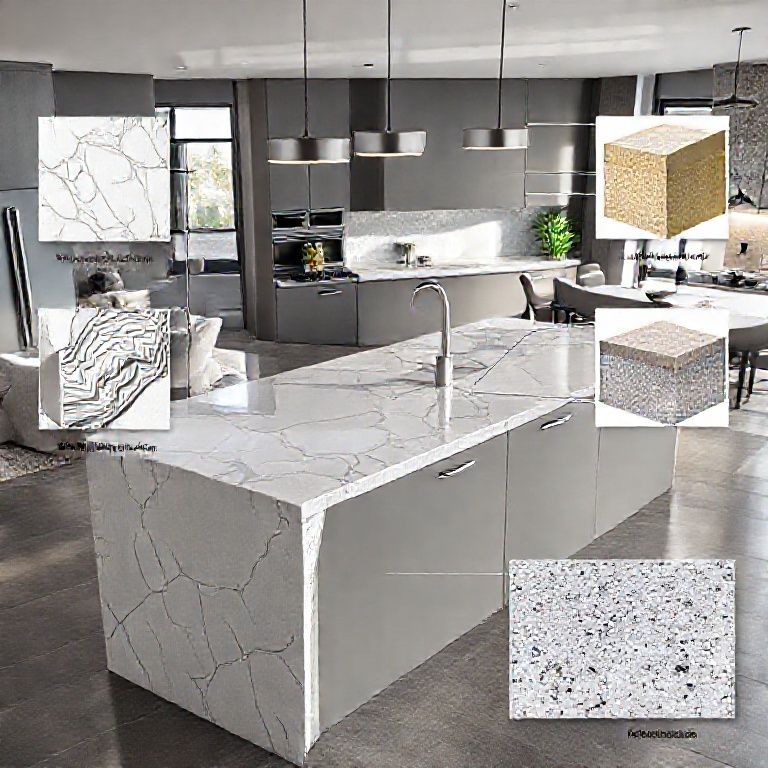
Given the potential risks associated with engineered marble, many are beginning to look for safer, more sustainable alternatives. Natural stone countertops, for example, offer a timeless beauty without the chemical hazards. Materials like granite, quartz, and even solid marble can provide the aesthetic appeal you desire while being more environmentally friendly and durable.
Conclusion to Part 1
In summary, while engineered marble has its undeniable appeal, it’s essential to understand the potential health risks, environmental impacts, and durability concerns associated with it. By weighing these factors, you can make a more informed decision about whether this material is the best fit for your home. In the next part, we’ll explore further into the long-term implications and safer alternatives to engineered marble.
Long-Term Implications and Safer Alternatives
In the previous part, we explored the initial allure of engineered marble and the underlying concerns regarding its health risks, environmental impact, and durability. Now, let’s dive deeper into the long-term implications of using engineered marble and explore safer alternatives.
Long-Term Health Implications
The long-term health implications of engineered marble are particularly concerning. The release of VOCs over time, even in small quantities, can accumulate and contribute to chronic health issues. For families with children or individuals with compromised immune systems, the risk may be even higher.
Research has shown that prolonged exposure to VOCs can lead to more serious health conditions, including liver and kidney damage, as well as reproductive and developmental issues. It’s crucial to consider these potential long-term effects when making decisions about interior materials, especially for living spaces where people spend a significant amount of time.
Environmental Impact Over Time
The environmental impact of engineered marble extends beyond the initial production phase. The materials used in its creation, such as resins and petrochemicals, contribute to ongoing environmental degradation. The extraction of natural marble or limestone for manufacturing purposes can lead to long-term ecological consequences, including loss of biodiversity and disruption of local ecosystems.
Moreover, the disposal of engineered marble at the end of its life cycle poses additional challenges. While recycling options do exist, they are not always practical or widely available. In many cases, engineered marble ends up in landfills, where it can take hundreds of years to decompose, further contributing to environmental pollution.
Safety in High-Traffic Areas
One of the most significant drawbacks of engineered marble is its performance in high-traffic areas. The material’s susceptibility to scratching and staining means that it may not stand up well to everyday wear and tear. Over time, this can lead to a loss of aesthetic appeal and a shorter lifespan for the countertop.
In contrast, materials like granite and quartz offer superior durability and resistance to stains and scratches. These natural stones are also more forgiving in high-traffic areas, maintaining their appearance and integrity over time.
Sustainable Alternatives
Given the concerns surrounding engineered marble, many people are seeking out more sustainable and safer alternatives. Natural stone countertops, such as granite, quartz, and even solid marble, provide a range of benefits that make them compelling choices.
Granite
Granite is a durable, natural stone that is highly resistant to scratches and stains. It is also relatively low in VOCs, making it a safer option for indoor air quality. Additionally, granite is a renewable resource, as it can be quarried sustainably. The durability and aesthetic appeal of granite make it a popular choice for both commercial and residential spaces.
Quartz
Quartz is another natural stone that has gained popularity in recent years. It is composed of 94% quartz, making it highly resistant to stains, scratches, and temperature changes. Quartz countertops are also virtually zero-VOC, providing a healthier option for indoor environments. Moreover, quartz is known for its versatility, as it can be produced in virtually any color or pattern.
Solid Marble
For those who still desire the authentic look of marble, solid marble can be a viable option. While it may come at a higher cost, solid marble offers unmatched beauty and durability. It is less prone to staining and scratching compared to engineered marble and, when properly cared for, can last for decades. Additionally, solid marble is a renewable resource when sourced sustainably.
Conclusion to Part 2
In conclusion, the long-term implications of using engineered marble extend far beyond its initial appeal. The health risks, environmental impact, and durability concerns make it crucial to consider safer, more sustainable alternatives. Natural stone options like granite, quartz, and solid marble provide a range of benefits that make them worthy of consideration for your next renovation project. By opting for these materials, you can enjoy the beauty and durability of marble without compromising your health or the environment.
In making informed choices about the materials used in your home, you not only protect your well-being but also contribute to a more sustainable future. As we continue to learn more about the hidden dangers of engineered marble, it becomes increasingly clear that prioritizing safety and sustainability should be at the forefront of any renovation decision.