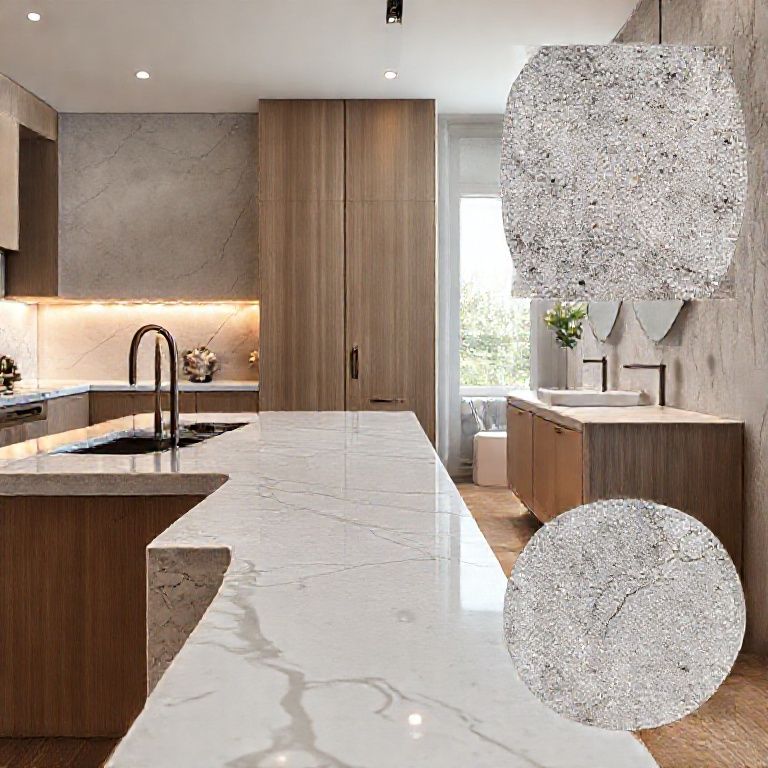
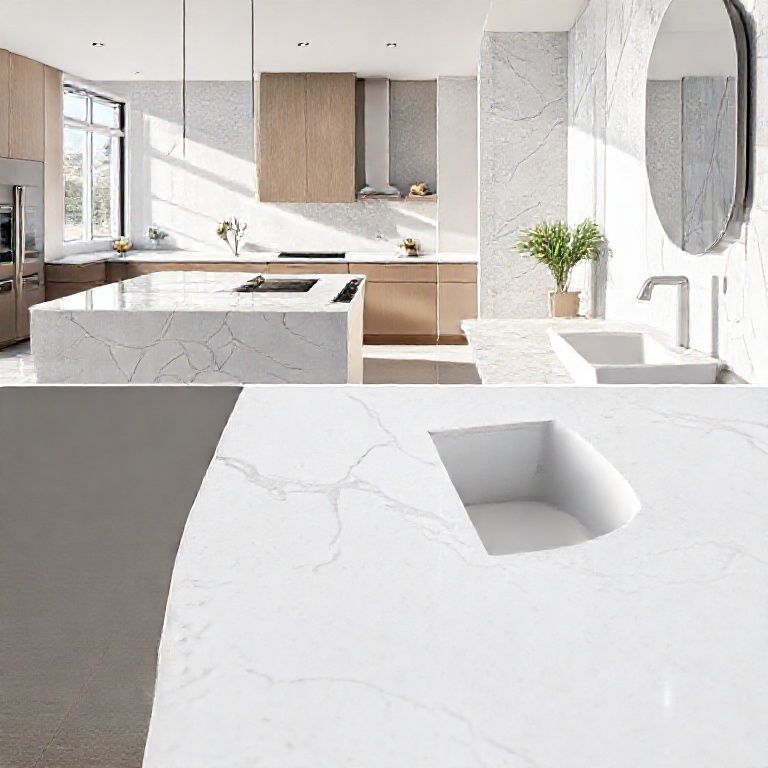
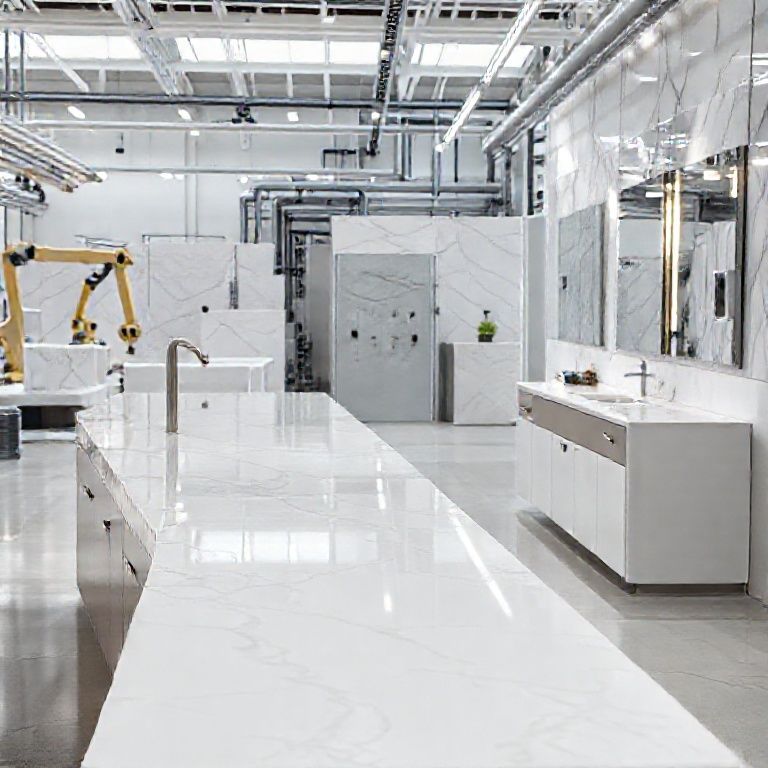
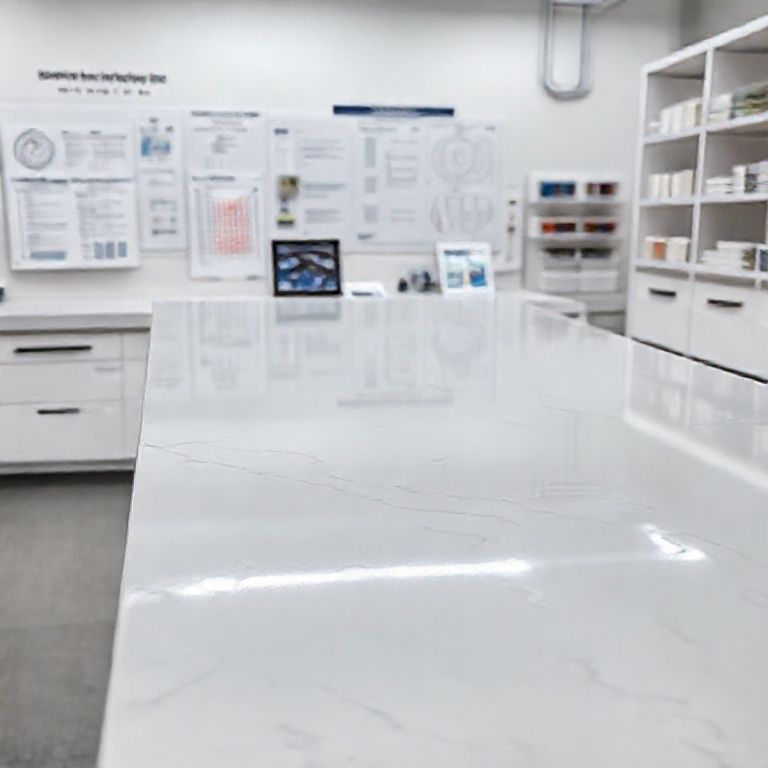
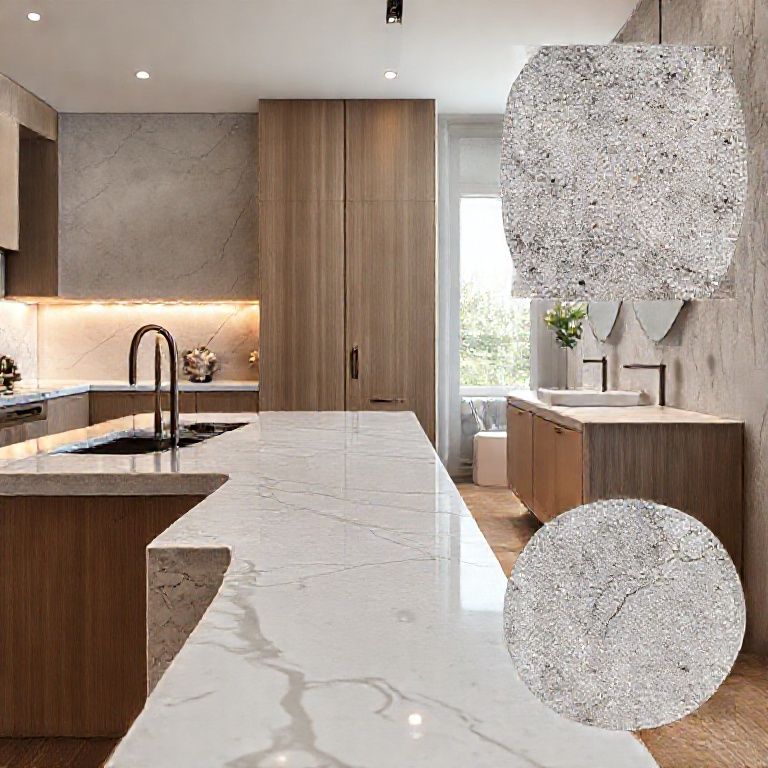
In the world of modern construction and interior design, synthetic marble has become a popular choice for countertops, flooring, and other surfaces due to its aesthetic appeal and durability. However, beneath its polished surface lies a complex composition that may pose hidden dangers to human health. This part of our article will delve into the chemical makeup of synthetic marble and the potential risks it may introduce to your well-being.

Understanding Synthetic Marble: Composition and Ingredients
Synthetic marble, often referred to as cultured stone, is a composite material made from a combination of minerals, resins, and pigments. The process of creating synthetic marble involves mixing crushed stone or other minerals with a synthetic resin, which binds the particles together to form a solid surface. While this may seem harmless, the reality is that synthetic marble contains a variety of chemicals that can have significant health implications.
Potential Short-Term Effects
When first installed, synthetic marble can release volatile organic compounds (VOCs) into the air. VOCs are chemicals that easily evaporate at room temperature, and they are commonly used in paints, solvents, and other industrial products. Exposure to high levels of VOCs can lead to short-term health effects such as:
Headaches Dizziness Eye, nose, and throat irritation Respiratory issues
These symptoms are often referred to as “sick building syndrome” and can be particularly noticeable in newly constructed or renovated spaces where synthetic marble is prominently used.

Potential Long-Term Effects
While short-term exposure to VOCs can be uncomfortable, the long-term effects may be more concerning. Prolonged exposure to certain chemicals used in synthetic marble production can lead to chronic health issues, including:
Respiratory problems: Long-term inhalation of VOCs may exacerbate existing respiratory conditions or lead to the development of chronic respiratory diseases. Hormonal disruptions: Some chemicals found in synthetic marble may act as endocrine disruptors, interfering with the body’s hormonal balance and potentially leading to reproductive and developmental issues. Cancer risks: Certain compounds used in the production of synthetic marble have been classified as potential carcinogens, suggesting a possible link between long-term exposure and increased cancer risk.
Indoor Air Quality Concerns
One of the most significant concerns with synthetic marble is its impact on indoor air quality (IAQ). When synthetic marble is cut, polished, or otherwise processed, it can release fine particles and dust into the air. These particles can linger in your home’s environment, posing a health risk, especially for individuals with respiratory conditions such as asthma or allergies.
Moreover, the chemicals used to create synthetic marble can off-gas over time, contributing to poor IAQ. This continuous release of VOCs and particulates can create a hazardous environment, particularly in spaces with poor ventilation.
The Role of Ventilation
Proper ventilation is crucial in mitigating the risks associated with synthetic marble. Ensuring that your home has adequate airflow can help to disperse VOCs and reduce the concentration of harmful chemicals in the air. Here are some tips to improve ventilation in your home:
Open windows and doors to allow fresh air to circulate. Use exhaust fans in kitchens and bathrooms to remove moisture and pollutants. Consider using air purifiers with HEPA filters to capture fine particles and improve air quality.

Non-Toxic Alternatives
For those concerned about the potential health hazards of synthetic marble, there are several non-toxic alternatives available. Natural stone, such as granite and quartz, offers a more sustainable and safer option. These materials are typically composed of natural minerals and do not release harmful chemicals into the air.
Another alternative is solid surface materials made from natural stone fragments bonded together with non-toxic resins. These materials provide the aesthetic benefits of marble while minimizing the risks associated with synthetic counterparts.
Conclusion
Understanding the potential dangers of synthetic marble on human health is essential for making informed decisions about your living environment. While synthetic marble may appear to be a cost-effective and durable choice, the chemical composition and potential health risks cannot be overlooked. By exploring alternatives and ensuring proper ventilation, you can create a safer and healthier home for you and your family.
In the previous section, we delved into the chemical composition of synthetic marble and its potential short-term and long-term effects on human health. Now, we turn our attention to the broader environmental and public health implications of synthetic marble production, along with regulatory measures and emerging research that provide further insight into its impact.
Environmental Footprint of Synthetic Marble Production
The production of synthetic marble involves several stages that can have significant environmental repercussions. Here are some key areas of concern:
Resource Extraction: The raw materials used in synthetic marble, such as crushed stone, limestone, and marble chips, are often extracted from natural deposits. This extraction process can lead to habitat destruction, soil erosion, and water pollution. Chemical Usage: The synthetic resins and pigments used in creating synthetic marble contain various chemicals that can have harmful effects on the environment. The production process often involves the use of solvents and other chemicals that can contribute to air and water pollution. Energy Consumption: Manufacturing synthetic marble is an energy-intensive process that relies on industrial machinery and equipment. This high energy demand contributes to greenhouse gas emissions and exacerbates climate change.
Public Health Implications
The environmental footprint of synthetic marble production has direct implications for public health. The extraction and processing of raw materials can lead to:
Air Pollution: Dust and particulate matter generated during the extraction and processing of raw materials can contribute to air pollution, leading to respiratory issues and other health problems. Water Contamination: Chemical runoff from synthetic marble production facilities can contaminate nearby water sources, posing risks to both human health and ecosystems.
Regulatory Measures
Recognizing the potential health and environmental risks associated with synthetic marble, regulatory bodies have implemented measures to mitigate these effects. Here are some examples of regulatory efforts:
VOC Regulations: Many countries have established regulations to limit the use of VOCs in construction materials, including synthetic marble. These regulations aim to reduce the release of harmful chemicals into the environment and improve indoor air quality. Environmental Impact Assessments: Before synthetic marble production facilities can operate, they are often required to conduct environmental impact assessments. These assessments evaluate the potential effects of the facility on local ecosystems and human health, helping to identify and mitigate potential risks. Safety Standards: Construction materials, including synthetic marble, are subject to safety standards that ensure they do not pose unreasonable risks to human health. These standards often include requirements for testing and certification to verify the safety of the material.
Emerging Research
Ongoing research is shedding new light on the long-term effects of synthetic marble on human health and the environment. Here are some key findings from recent studies:
Health Studies: Research has found associations between exposure to VOCs and synthetic marble with various health issues, including respiratory problems, hormonal disruptions, and potential cancer risks. These studies highlight the need for further investigation into the long-term health effects of synthetic marble. Environmental Impact Studies: Studies have examined the environmental footprint of synthetic marble production, including its effects on air and water quality. These studies underscore the importance of sustainable practices in the manufacturing and use of synthetic marble. Alternative Materials: Research is also exploring sustainable and non-toxic alternatives to synthetic marble. These alternatives aim to provide the aesthetic benefits of marble without the associated health and environmental risks.
Sustainable and Non-Toxic Alternatives
可持续和环保的建筑材料
在越来越多的人意识到环境保护的重要性后,越来越多的人开始关注建筑材料对环境和健康的影响。选择环保材料不仅有助于保护地球,还能为居住者提供更健康的生活环境。
1. 天然石材(如花岗岩、大理石、石灰石)
天然石材是一种非常环保的选择,因为它们是矿物质的天然形成,不需要使用大量化学物质来制造。需要注意的是,天然石材的开采也可能对环境产生影响,因此选择来自负责任采矿的供应商尤为重要。
2. 再生材料
再生材料是指从废弃物品或建筑物中回收的材料,它们可以被再利用或重新制造成新的建筑材料。例如,再生木材、回收金属和再生玻璃。
3. 低VOC涂料和抹灰
传统的涂料和抹灰常含有大量的挥发性有机化合物(VOC),这些化学物质对健康有害,并会对环境造成污染。选择低VOC或无VOC的涂料和抹灰,不仅能减少室内空气质量问题,还能降低对环境的影响。
4. 竹材和其他快速生长的植物材料
竹材是一种生长速度非常快的植物,可以在短时间内生长到适合使用的大小。因此,竹材是一种可持续的建筑材料选择。它既美观又坚固,同时对环境影响小。
5. 生物基材料
生物基材料是由植物、废弃农业产品或其他可再生资源制成的材料。这些材料通常具有较低的碳足迹,并且可以在生命周期结束时被分解回自然环境。
6. 低能耗建筑材料
选择那些能效高、低能耗的建筑材料,如隔热性能优异的玻璃纤维和其他高效隔热材料,可以减少建筑物的能源消耗,从而降低温室气体的排放。
7. 本地材料
使用本地采购的建筑材料可以减少运输过程中产生的碳排放。本地材料的使用也有助于支持当地经济。
8. 可再生能源材料
选择能够利用可再生能源的材料,如太阳能电池板,可以大大减少建筑物的能源需求,从而降低碳排放。
总结
在选择建筑材料时,考虑其环境影响和对健康的潜在风险是非常重要的。通过选择可持续和环保的材料,不仅可以保护地球,还能创造一个更健康、更舒适的居住环境。无论是选择天然石材、再生材料还是低VOC涂料,每一个环保的选择都会对我们的生活和地球产生积极影响。
如果有更多具体问题或需要更多详细信息,欢迎继续提问。