The Hidden Disadvantages of Artificial Marble
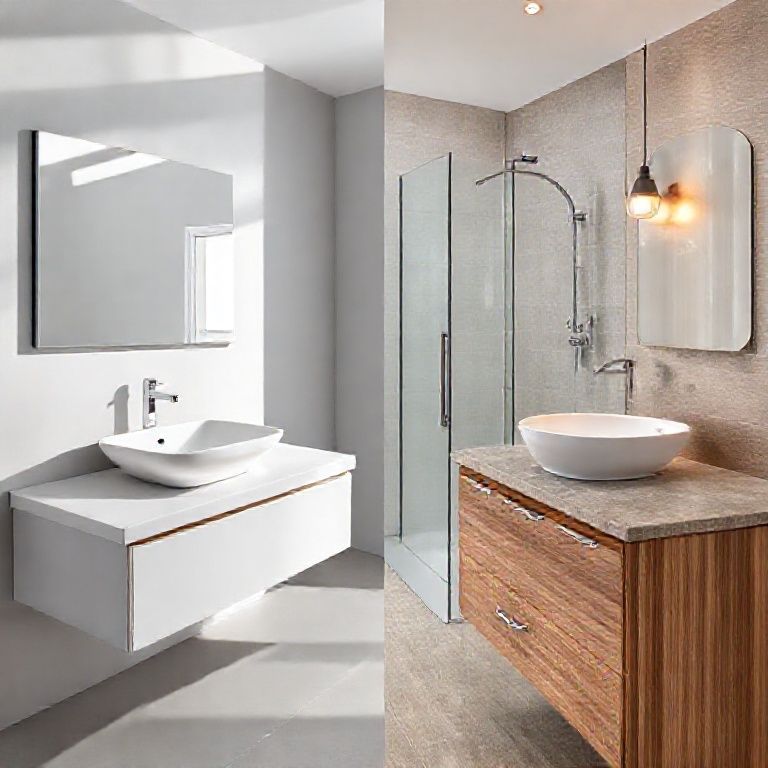
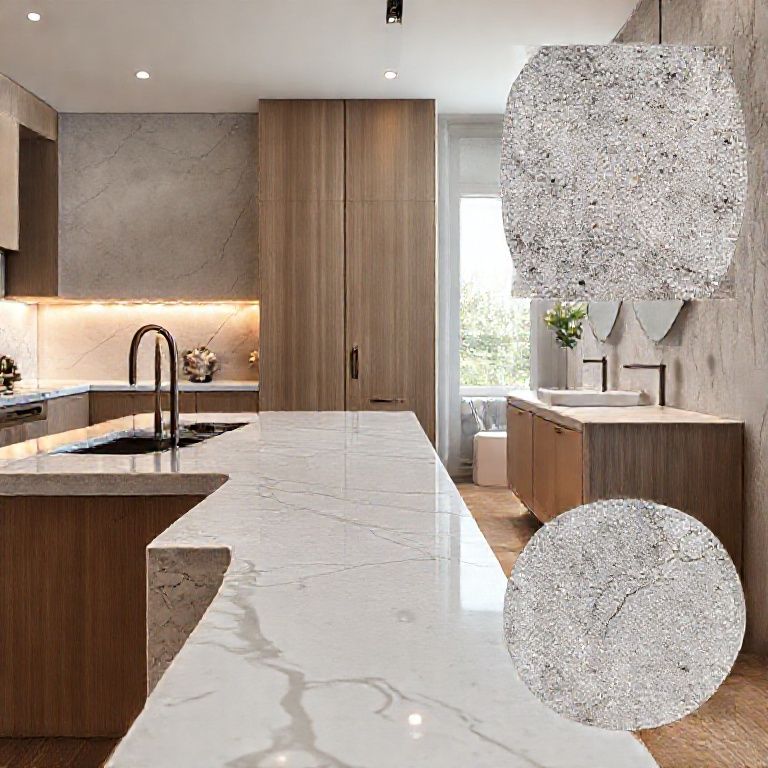
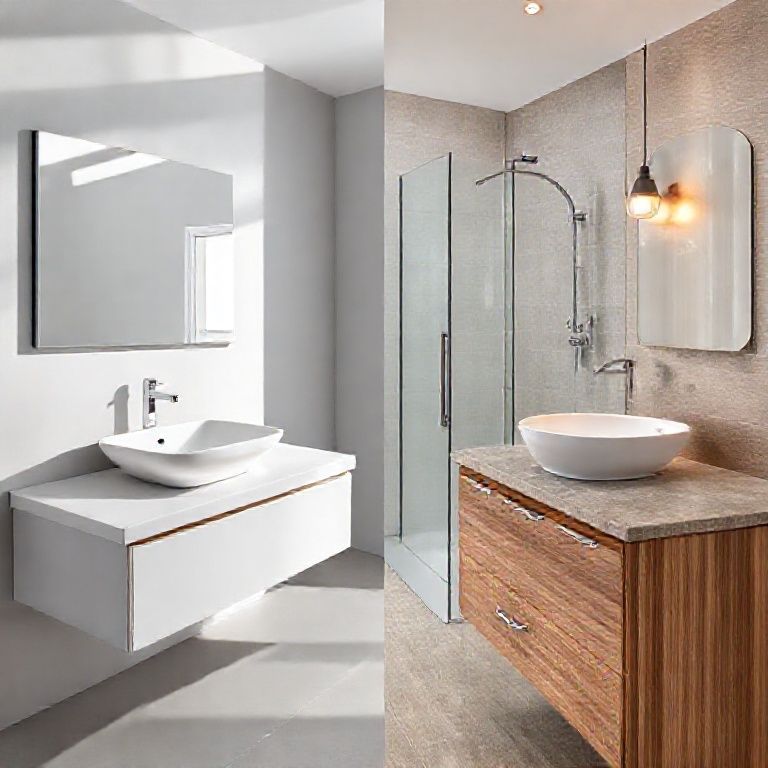
Artificial marble, often lauded for its aesthetic appeal and affordability, has revolutionized the world of countertops, sinks, and decorative surfaces. While it undeniably offers a stunning look that closely mimics natural marble, it is crucial to recognize its drawbacks. This comprehensive guide will uncover the hidden disadvantages of artificial marble, providing a balanced perspective for homeowners, designers, and anyone considering this material for their next renovation project.

Durability Concerns
One of the primary concerns with artificial marble is its durability. Unlike natural marble, which is formed over millions of years and boasts a naturally high resistance to wear and tear, artificial marble is a synthetic product made from a combination of resins, pigments, and stone chips. This composition means that it can be prone to scratches and chips, especially when exposed to hard objects like knives or heavy items.
The surface of artificial marble can also degrade over time. While it is designed to mimic the texture and look of natural marble, it lacks the same long-lasting resilience. This can lead to a less-than-ideal finish, especially in high-traffic areas where constant use might exacerbate these issues.
Maintenance Issues
Artificial marble requires a specific type of care to maintain its appearance and structural integrity. Unlike natural stone, which can often be cleaned with a simple wipe-down, artificial marble surfaces need special cleaning products and methods. The use of harsh chemicals or even regular dish soap can lead to discoloration or damage to the surface.
Daily maintenance can be a hassle, as artificial marble needs regular polishing and sealing to retain its shine and protect its surface. For busy households or those who prefer a low-maintenance option, this might be an unwelcome inconvenience. Additionally, spills and stains can seep into the surface, making it difficult to restore the material to its original condition.
Thermal Sensitivity
Another significant drawback of artificial marble is its sensitivity to heat. While natural marble can withstand a certain amount of heat from cooking or other sources, artificial marble can melt or discolor when exposed to high temperatures. This means that placing hot pots or pans directly on an artificial marble surface can lead to permanent marks and damage.
To avoid these issues, users must be cautious with the placement of hot items, often requiring additional protective measures like trivets or hot pads. This adds an extra layer of complexity to daily maintenance and can be a deterrent for those seeking a hassle-free material.
Cost Implications
While artificial marble is often marketed as a cost-effective alternative to natural stone, its long-term cost implications can be surprising. The initial savings might be tempting, but the need for frequent maintenance, potential for damage, and the cost of replacements can add up over time.
The cost of repairing or replacing damaged sections of artificial marble can be significant, as it often requires specialized services and materials. In contrast, natural stone, while initially more expensive, tends to have a longer lifespan and requires less frequent upkeep.
Environmental Concerns
The production of artificial marble involves several environmental considerations. The manufacturing process often includes the use of synthetic resins and chemicals, which can have adverse environmental impacts if not handled correctly. Additionally, the disposal of artificial marble products can pose challenges, as they may not be easily recyclable or biodegradable.
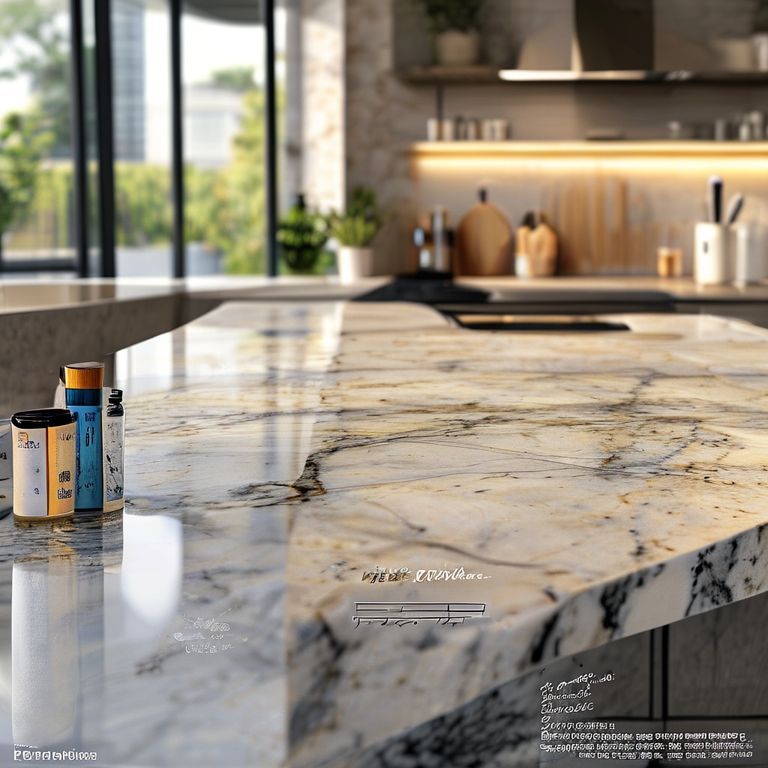
For environmentally conscious consumers, these factors might be a major concern. The choice between artificial and natural marble might come down to a broader consideration of sustainability and environmental impact.
Alternatives to Artificial Marble
Given the aforementioned disadvantages, it’s worth exploring alternatives that might offer a better balance of aesthetics, durability, and maintenance. Natural stone, including marble, granite, and quartz, offers superior durability and a timeless appeal. While it may require more maintenance, its longevity and resistance to scratches and stains often make it a worthwhile investment.
Other alternatives include high-quality engineered stones or even wood, which, despite their own set of maintenance needs, can offer unique textures and aesthetics that might be better suited to certain design preferences.
Conclusion
While artificial marble provides an appealing and budget-friendly option, it’s important to weigh its hidden disadvantages carefully. From durability and maintenance issues to thermal sensitivity and environmental concerns, these factors can significantly impact the overall value and longevity of the material.
By understanding these drawbacks, homeowners and designers can make more informed decisions about their renovation projects, ensuring that they choose materials that best suit their needs and preferences.
The Hidden Disadvantages of Artificial Marble: A Comprehensive Look (Part 2)
Continuing our detailed exploration, this second part delves deeper into the often-overlooked downsides of artificial marble. From its limited aesthetic versatility to its long-term cost implications, we’ll continue to examine why this material might not be the perfect choice for everyone. Understanding these nuances can help homeowners and designers make more informed decisions about their renovation projects.
Aesthetic Limitations
Artificial marble, while capable of mimicking the look of natural marble with impressive accuracy, has its own set of limitations in terms of aesthetic versatility. The color and texture variations in natural marble are virtually limitless due to the unique geological processes that create them. In contrast, artificial marble, although it can offer a wide range of colors and patterns, often falls short in achieving the nuanced and organic beauty of natural stone.
Moreover, the uniformity of artificial marble can sometimes feel less appealing to those seeking a more natural, organic look. The slight inconsistencies in color and texture that occur naturally in stones like marble and granite add a unique charm that artificial alternatives struggle to replicate. For projects where aesthetic authenticity is paramount, this limitation might be a significant drawback.
Limited Design Flexibility
When it comes to design flexibility, natural stone often has the upper hand over artificial marble. Natural stones like marble, granite, and quartz can be cut, shaped, and finished in countless ways, allowing for highly customized and unique designs. Artificial marble, on the other hand, is often limited to standard shapes and forms due to its synthetic nature.
This can be particularly limiting for custom projects where specific design elements are crucial. The inability to achieve certain design nuances can be a major drawback for those looking for a highly personalized and bespoke finish.
Chemical Resistance
Artificial marble’s composition also impacts its resistance to chemicals. While it can withstand a variety of everyday household chemicals, prolonged exposure to certain acids and cleaning agents can lead to deterioration of the material. Natural stone, particularly marble, while susceptible to acids, can often be treated with specific sealants to enhance its resistance.
For those frequently using acidic cleaning products or cooking with acidic ingredients, the potential for chemical damage on artificial marble can be a significant concern. The need for careful product selection and additional protective measures adds another layer of complexity to the maintenance of artificial marble surfaces.
Cost of Repairs and Replacements
The cost implications of repairing or replacing damaged sections of artificial marble can be a significant downside. While the initial cost of artificial marble may be lower than that of natural stone, the expense of repairs and replacements can add up over time. Specialized services are often required to address issues like scratches, chips, and discoloration, which can be costly.
In contrast, natural stone, while initially more expensive, tends to have a longer lifespan and requires less frequent repairs. The long-term cost savings of natural stone, coupled with its durability and resistance to damage, can make it a more economical choice in the long run.
Environmental and Health Concerns
The production and disposal of artificial marble also raise environmental and health concerns. The manufacturing process involves the use of synthetic resins and chemicals, which can have adverse effects on both the environment and human health if not managed properly. Additionally, the disposal of artificial marble products can pose challenges, as they may not be easily recyclable or biodegradable.
For environmentally conscious consumers, these factors might be a major concern. The choice between artificial and natural marble might come down to a broader consideration of sustainability and health impacts.
Alternatives to Artificial Marble
Given the aforementioned disadvantages, it’s worth exploring alternatives that might offer a better balance of aesthetics, durability, and maintenance. Natural stone, including marble, granite, and quartz, offers superior durability and a timeless appeal. While it may require more maintenance, its longevity and resistance to scratches and stains often make it a worthwhile investment.
Other alternatives include high-quality engineered stones or even wood, which, despite their own set of maintenance needs, can offer unique textures and aesthetics that mightbe better suited to certain design preferences.
Long-Term Durability and Maintenance
One of the most significant concerns with artificial marble is its long-term durability. While it may seem durable initially, the synthetic nature of the material means that it can degrade over time, especially in high-traffic areas. This degradation often manifests as surface fading, scratches, and chips, which can diminish the material’s aesthetic appeal.
In contrast, natural stone like marble, granite, and quartz has been used for centuries and continues to hold up well under various conditions. These stones, although susceptible to some forms of damage, have natural properties that make them more resilient over time. They can often be resurfaced or repaired, extending their lifespan significantly.
The Impact of Daily Use
Artificial marble’s ability to withstand daily wear and tear is another area where it falls short. The surface of artificial marble can be prone to wear, especially when exposed to constant friction from daily activities. Over time, this wear can lead to a less polished appearance and may require more frequent refinishing to maintain its look.
Natural stone, on the other hand, tends to develop a patina over time, which can add to its character and aesthetic value. While natural stone also requires maintenance, the nature of the wear and its ability to withstand heavy use without significant damage make it a more practical choice for high-traffic areas.
Thermal and Chemical Resistance
The thermal and chemical resistance of artificial marble is another critical area of concern. While it is designed to mimic natural marble, its synthetic composition means it can still be vulnerable to heat and certain chemicals. Prolonged exposure to hot surfaces or acidic cleaning agents can lead to discoloration and damage, which may not be easily reversible.
In contrast, natural stone like granite and quartz offers superior resistance to both heat and chemicals. These stones are less likely to suffer from heat-induced damage and can often withstand a wider range of cleaning products without adverse effects. This makes natural stone a more reliable choice for kitchens and other areas where exposure to heat and chemicals is common.
Environmental and Ethical Considerations
The production and disposal of artificial marble also raise environmental and ethical concerns. The manufacturing process often involves the use of synthetic resins and chemicals, which can have adverse effects on both the environment and human health if not managed properly. Additionally, the disposal of artificial marble products can pose challenges, as they may not be easily recyclable or biodegradable.
For environmentally conscious consumers, these factors might be a major concern. The choice between artificial and natural marble might come down to a broader consideration of sustainability and health impacts. Natural stone, while having its own environmental footprint, is generally considered a more sustainable option due to its natural properties and potential for recycling.
Conclusion
While artificial marble offers an appealing and budget-friendly option, its hidden disadvantages are significant enough to warrant careful consideration. From aesthetic limitations and design flexibility to long-term durability and maintenance issues, the synthetic nature of artificial marble presents several drawbacks that can impact its suitability for various applications.
By understanding these disadvantages, homeowners and designers can make more informed decisions about their renovation projects, ensuring that they choose materials that best suit their needs and preferences. For those seeking durability, resistance to wear, and a more sustainable option, natural stone often emerges as the superior choice despite its higher initial cost and maintenance requirements.
In the end, the choice between artificial and natural marble often comes down to a balance between aesthetics, functionality, and long-term value. By weighing these factors carefully, one can make a choice that not only meets immediate design goals but also stands the test of time.